Hybrid Wheat Seed Pakistan: UAF and Guard Agriculture Target 98 Maunds Per Acre
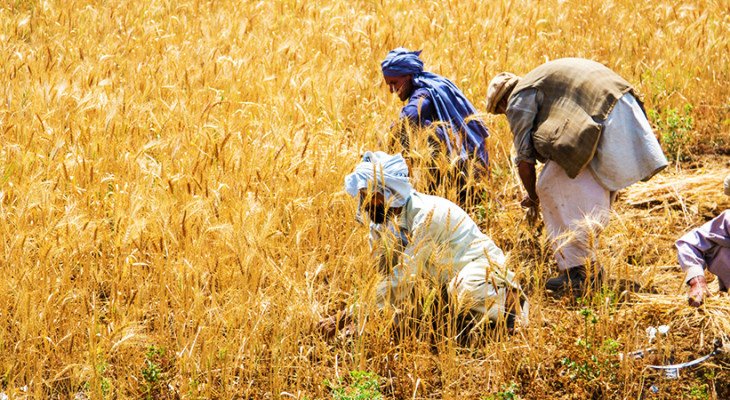
LAHORE: The University of Agriculture Faisalabad (UAF) and private agricultural research company Guard Agriculture have signed a three-year Letter of Intent to develop and commercialise hybrid wheat seed Pakistan farmers have waited years for, setting an ambitious target of a 20 per cent increase in per-acre yield.
The agreement was signed by UAF Vice Chancellor Dr Zulfikar Ali and Guard Agriculture Chief Executive Shahzad Ali Malik at a ceremony witnessed by Lahore Chamber of Commerce and Industry (LCCI) President Ali Hussam Asghar, signalling serious industry backing for the project.
What the Hybrid Wheat Seed Pakistan Agreement Covers
Under the Letter of Intent, UAF will provide expertise in genetics, breeding and agronomy, open access to its breeding material, and support laboratory, greenhouse and field research. Guard Agriculture will assist with multi-location field trials, commercial feasibility assessments and seed production facilities — and will also fund research grants, PhD support, master’s fellowships and internships for young scientists.
The two organisations will additionally arrange joint training programmes, workshops, field demonstrations and exchanges for researchers, technical staff and students. Intellectual property, breeding material, technology and research outputs generated jointly under the collaboration will be jointly owned, keeping the value of this hybrid wheat seed Pakistan research inside the country.
98 Maunds Per Acre: The Yield Target Explained
Dr Zulfikar Ali said the proposed hybrid wheat seed could increase production without raising farmers’ input costs — but he cautioned that yield gains would also depend on improved agronomic practices and the adoption of good agricultural practices (GAP). The hybrid varieties are expected to deliver about 20 per cent higher yields under suitable conditions, and with proper GAP, wheat production could reach 98 maunds per acre, the vice chancellor claimed.
That figure would be a landmark for Pakistan, where average wheat yields have long stayed well below their genetic potential. Rising input costs and climate stress have squeezed farm incomes in recent seasons, making higher-yielding seed one of the most direct ways to lift output — a theme also visible in the ongoing debate over wheat prices and support prices in Pakistan.
Fifteen Years of Research Behind the New Seed
The UAF vice chancellor revealed that his university has been working on hybrid wheat research for around 15 years in collaboration with an Australian university. He said Pakistan’s research in the field had advanced considerably and was attracting international interest — but stressed that industry and academia would have to work together to turn scientific progress into a commercially viable technology.
That industry link is exactly what the Guard Agriculture partnership provides: a bridge between the university’s breeding lines and the seed production and distribution systems that can get hybrid wheat seed Pakistan’s farmers can trust into their hands.
Guard Agriculture’s Track Record With Hybrid Crops
Guard Agriculture Chief Executive Shahzad Ali Malik said it could take another three to four years to bring hybrid wheat to the commercial stage. The company has form in this area: Guard introduced hybrid rice in Pakistan, particularly in Sindh, helping improve farmers’ economic prospects — and now wants to repeat that success with wheat as it works to commercialise hybrid wheat seed Pakistan-wide.
Malik added that recent discussions had also covered the revival of cotton cultivation and genetically modified corn, signalling that the UAF–Guard partnership could widen beyond wheat in the coming years. Representatives of seed companies, including Sajjad Sulaiman Malik and Momin Ali Malik of Guard’s Executive Seed Division, attended the signing ceremony.
What Hybrid Wheat Seed Pakistan Means for Farmers
If the programme stays on schedule, Pakistani farmers could see trial results within the three-year LoI window, with commercial seed reaching the market in three to four years. The trials will test promising hybrid combinations at multiple locations across Pakistan, assessing disease resistance, grain quality and adaptability to different growing conditions — including traits that help wheat withstand climate-related challenges.
For a farming community that has repeatedly taken to the streets over input costs and procurement prices — see the recent nationwide farmers’ protests over wheat prices — a 20 per cent yield jump without higher input costs would be genuinely transformative. The coming trial seasons will show whether the 98-maund promise survives contact with real fields.
Related Posts
 TechnologyWorld Bank Digital Strategy Launches at Seoul Summit: AI, Affordable Internet and Jobs for 1.2 Billion Youth
 TechnologyOppo Reno X Tipped With 8,000mAh Battery and Dual 200MP Cameras
 TechnologyShaza Fatima Announces $1 Billion AI Commitment at Seoul Summit, Shares Pakistan’s Four AI Governance Lessons
 TechnologyAuto Policy 2026-31: PM Shehbaz Approves Pakistan’s New Five-Year Auto Framework
 TechnologyBISP Introduces Interoperability in Digital Wallet Payments: Withdraw Funds from Any of 6 Partner Banks
 TechnologyPakistan’s Mobile Phone Industry Misses Localisation Target: Value Addition Stuck at 10-15%
Most Popular
 How-ToPTA Tax Calculator 2026: Check Mobile Tax on Any Phone143 views
 Canada JobsTech Jobs in Canada: Roles, Salaries, and Skills Needed117 views
 TechnologyRedmi K100 Launching on 28 October: 10,000mAh Battery, 185Hz Display and Full Specs110 views
 TechnologyTecno Mobile Prices in Pakistan 2026: Spark, Camon and Pova Series Compared109 views
 ShowbizWomen’s Fashion in Pakistan 2026: Trends, Brands and Style Guide97 views
 BISPPunjab Driving License Scam Alert: Fake Websites & “Without Test” Fraud | UrduPro94 views