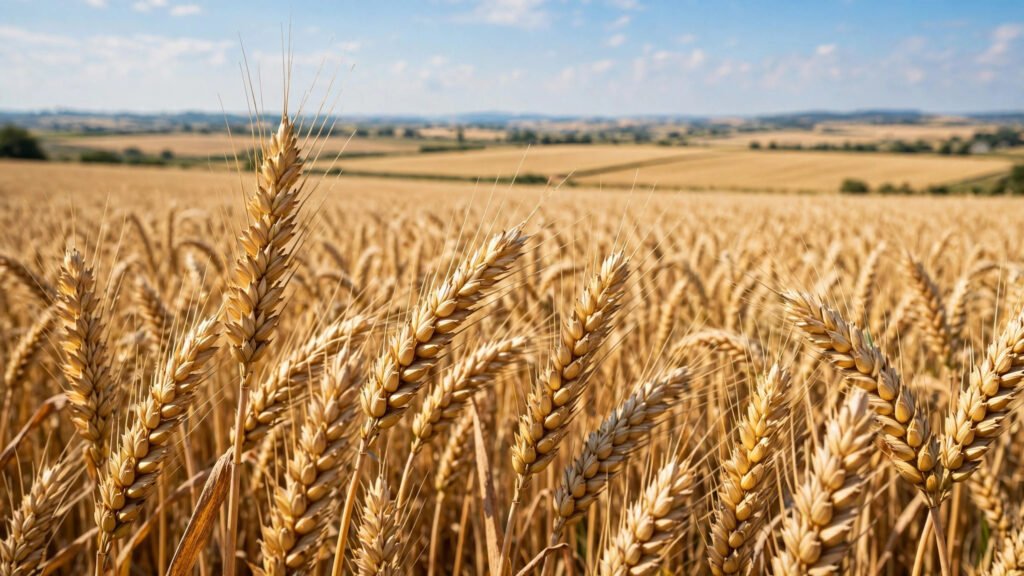
Wheat Price in Pakistan 2026: Per 40kg Rate and Support Price
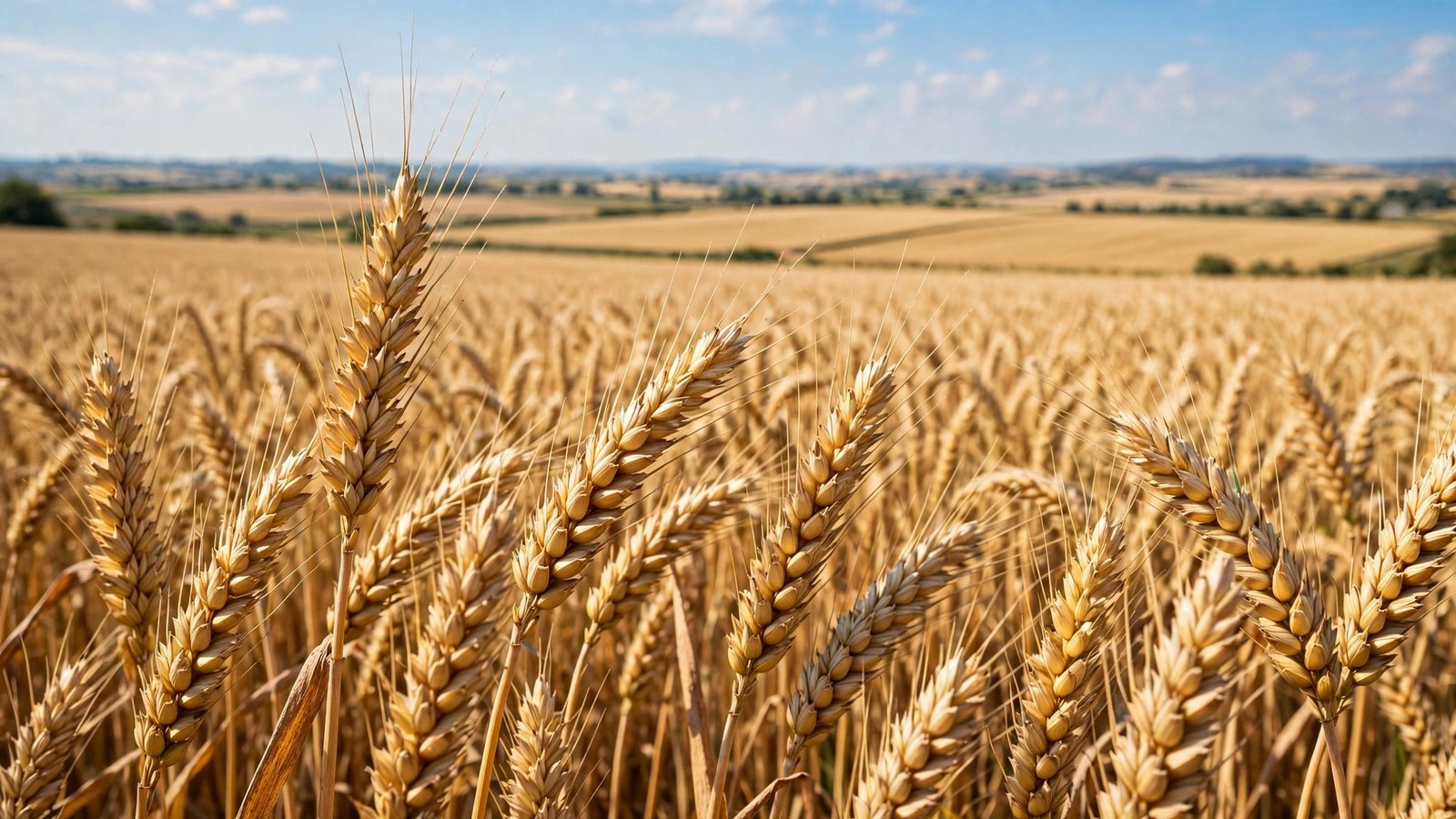
The wheat price in Pakistan averaged about Rs 5,437 per 40 kg in the open market in the week ended 8 October 2026, up Rs 338 in a single week, according to market reporting. The wheat price varies by mandi: Sindh markets traded between Rs 4,296 and Rs 4,600 per 40 kg, while Peshawar was at Rs 4,505 and Khuzdar at Rs 4,755. With wheat sowing opening in Punjab on 1 November, farmers, millers and consumers are all watching the support-price debate closely, because the government’s support price for the Rabi 2026-27 crop has still not been announced.
Wheat Price in Pakistan: Mandi Rates in October 2026
Recent mandi data shows wheat per 40 kg (one maund) at roughly Rs 4,422 in Mardan and Swat, Rs 4,505 in Peshawar and Rs 4,755 in Khuzdar. Sindh mandis ranged from Rs 4,296 to Rs 4,600. The national open-market average of about Rs 5,437 reflects retail and flour-mill buying rather than farm-gate rates. City-to-city differences follow transport economics: mandis near surplus zones like Rahim Yar Khan, Bahawalpur and Toba Tek Singh trade lower, while deficit areas such as Rawalpindi, Quetta and parts of KPK pay more because of freight.
Consumers feel it through flour. PBS data shows the national average price of a 20 kg atta bag at about Rs 2,851 in the week ended 8 October 2026 — up 5.69 per cent in a week and roughly 32 per cent higher than a year earlier — as milling, electricity and transport costs are passed through. The National Price Monitoring Committee met on 8 October 2026 and ordered checks on flour pricing and profiteering, though it set no new price.
Wheat Support Price 2026-27: Still Not Announced
For the 2026 harvest, the government had set an illustrative price of Rs 3,500 per 40 kg rather than a classic support price. For the coming Rabi 2026-27 crop, no official support price had been announced as of late September 2026, and the federal food ministry has only said a National Wheat Policy 2026-2030 is being prepared. On 2 October 2026, Federal Minister for National Food Security and Research Rana Tanveer Hussain told a parliamentary committee that the minimum support price for the next crop would be above Rs 4,000 per 40 kg, while the National Assembly Standing Committee on National Food Security and Research recommended fixing it at Rs 5,000 per 40 kg.
Farmer bodies want a firm number before they buy seed and fertiliser. Pakistan Kissan Ittehad has asked for Rs 5,000 per 40 kg — about 43 per cent above last season’s Rs 3,500 — warning that a late announcement could discourage sowing. With sowing starting in late October and November, the timing matters: a price declared in December helps nobody who had to decide in October. Until the government notifies a final figure, neither the committee’s Rs 5,000 recommendation nor the minister’s above-Rs-4,000 indication should be treated as final wheat policy.
Why Wheat Is Expensive Right Now
Several forces are holding prices firm. Input costs have surged: DAP fertiliser costs about Rs 16,000 per bag and urea Rs 4,500 to Rs 4,650, squeezing farm margins and strengthening the case for a higher support price. The closure of Passco, the state procurement agency, has shifted storage and market intervention onto provincial mechanisms, adding uncertainty. Sowing-season demand itself lifts mandi rates as traders and flour mills stock up. Rising diesel costs for tube wells and tractors also feed into farm-gate returns — readers can track fuel costs via the diesel price.
For farmers, the economics hinge on the coming support price. At Rs 5,000 per 40 kg, wheat would be far more attractive to sow; at Rs 4,000, margins stay thin against today’s input costs. Government schemes such as the Kisan Card are meant to ease input financing, but farmers say the announced price is what ultimately drives sowing decisions.
Market Outlook for 2026-27
The wheat price is likely to stay firm until the government formally notifies the Rabi 2026-27 support price and finalises the National Wheat Policy 2026-2030. If the support price lands near Rs 4,000 to Rs 4,500, mandi rates may hold in the current range; a Rs 5,000 announcement would likely push open-market rates higher and flow into flour prices. Export restrictions and any procurement operations could temporarily stabilise rates. Because mandi rates move with policy announcements, always check the latest official notification before making buying or sowing decisions — this article reflects the situation as reported up to 15 October 2026.
According to PakEra’s wheat market tracking, the 2026-27 support price had not been announced as of late September, with open-market wheat averaging about Rs 5,437 a maund in early October. Zarat Ghar’s mandi rate tables list current city-wise wheat rates across Punjab, Sindh, KPK and Balochistan.
Frequently Asked Questions
What is the wheat price in Pakistan today?
The open-market wheat price in Pakistan averaged about Rs 5,437 per 40 kg in the week ended 8 October 2026, with mandi rates ranging roughly Rs 4,300 to Rs 4,755 by city.
What is the wheat support price for 2026-27?
It has not been officially announced. The minister has indicated it will be above Rs 4,000 per 40 kg and a parliamentary committee recommended Rs 5,000, but neither is the final notified figure.
What was the wheat support price for the 2026 crop?
The government set an illustrative price of Rs 3,500 per 40 kg for the 2026 harvest, which was not a classic support price with full procurement.
Why is flour so expensive in 2026?
A 20 kg atta bag averaged about Rs 2,851 in early October 2026, up roughly 32 per cent year on year, driven by grain costs, milling costs, electricity and transport.
When does wheat sowing start in Punjab?
Wheat sowing in Punjab opens on 1 November, which is why farmers are pressing for the support price announcement before they commit to seed and fertiliser.
Related Posts
 BusinessIMF Urges Fairer Pakistan Tax System as Salaried Class Pays Rs629 Billion
 BusinessPSX Suspends LSE SPAC-I Trading as Ningbo Green Light Energy Merger Clears Way for October 26 Listing
 BusinessPakistan Freelancers Earn Record $197 Million in September 2026
 BusinessPakistan Introduces Electronic Power Monitoring System to Crack Down on Power Theft
 BusinessTech Stocks Trillion Loss: $1 Trillion Wiped Out as Oil Hits $110
Most Popular
 How-ToPTA Tax Calculator 2026: Check Mobile Tax on Any Phone144 views
 Canada JobsTech Jobs in Canada: Roles, Salaries, and Skills Needed117 views
 TechnologyRedmi K100 Launching on 28 October: 10,000mAh Battery, 185Hz Display and Full Specs111 views
 TechnologyTecno Mobile Prices in Pakistan 2026: Spark, Camon and Pova Series Compared110 views
 ShowbizWomen’s Fashion in Pakistan 2026: Trends, Brands and Style Guide97 views
 BISPPunjab Driving License Scam Alert: Fake Websites & “Without Test” Fraud | UrduPro94 views


3 comments