ISLAMABAD — The federal government on Saturday formally announced Pakistan’s new auto policy, promising cheaper cars for ordinary buyers, big tax breaks for electric vehicles and a push to make the country an exporter of vehicles and parts.
Information Minister Attaullah Tarar and Adviser to the Prime Minister for Industries and Production Haroon Akhtar Khan announced the policy at a press conference in Islamabad on 7 November. The announcement follows the prime minister’s in-principle approval of the five-year Auto Policy 2026-31 on 21 October, which UrduPro reported at the time. Today’s press conference is the first time the government has publicly set out the policy in full.
Akhtar said the policy rests on six basic pillars: cheaper vehicles, especially for the middle class and the lower middle class; encouraging exports; localisation; vehicle safety; promotion of electric vehicles; and transparency. He said Prime Minister Shehbaz Sharif had invested a lot of time in drafting the policy, and that lowering the cost of production and the import bill for raw materials was its central purpose.
Car prices will come down gradually
The headline promise for buyers is that cars will get cheaper — but not overnight. “You will see that prices of cars will come down … the manufacturing cost of automakers will come down,” Akhtar said, adding that the prices of all vehicles, except luxury vehicles, will come down.
The mechanism is a steady, yearly cut in duties. Duties on completely built units (CBUs), assembly plants and components will be reduced each year, eventually leading to competitive tariffs after five years. Lowering the prices of vehicles with engines below 1,300cc is a special priority for the prime minister, according to Radio Pakistan’s account of the announcement.
There is one clear exemption for ordinary motorists: no changes were made under the policy to ordinary petrol vehicles under 1,000cc, Tarar said, because many common citizens still use those cars. The government has also said the extra revenue needed to pay for the incentives will come from petrol vehicles above 1,000cc, with cars below that threshold exempt.
Electric vehicles: 1% sales tax and no tax up to $50,000
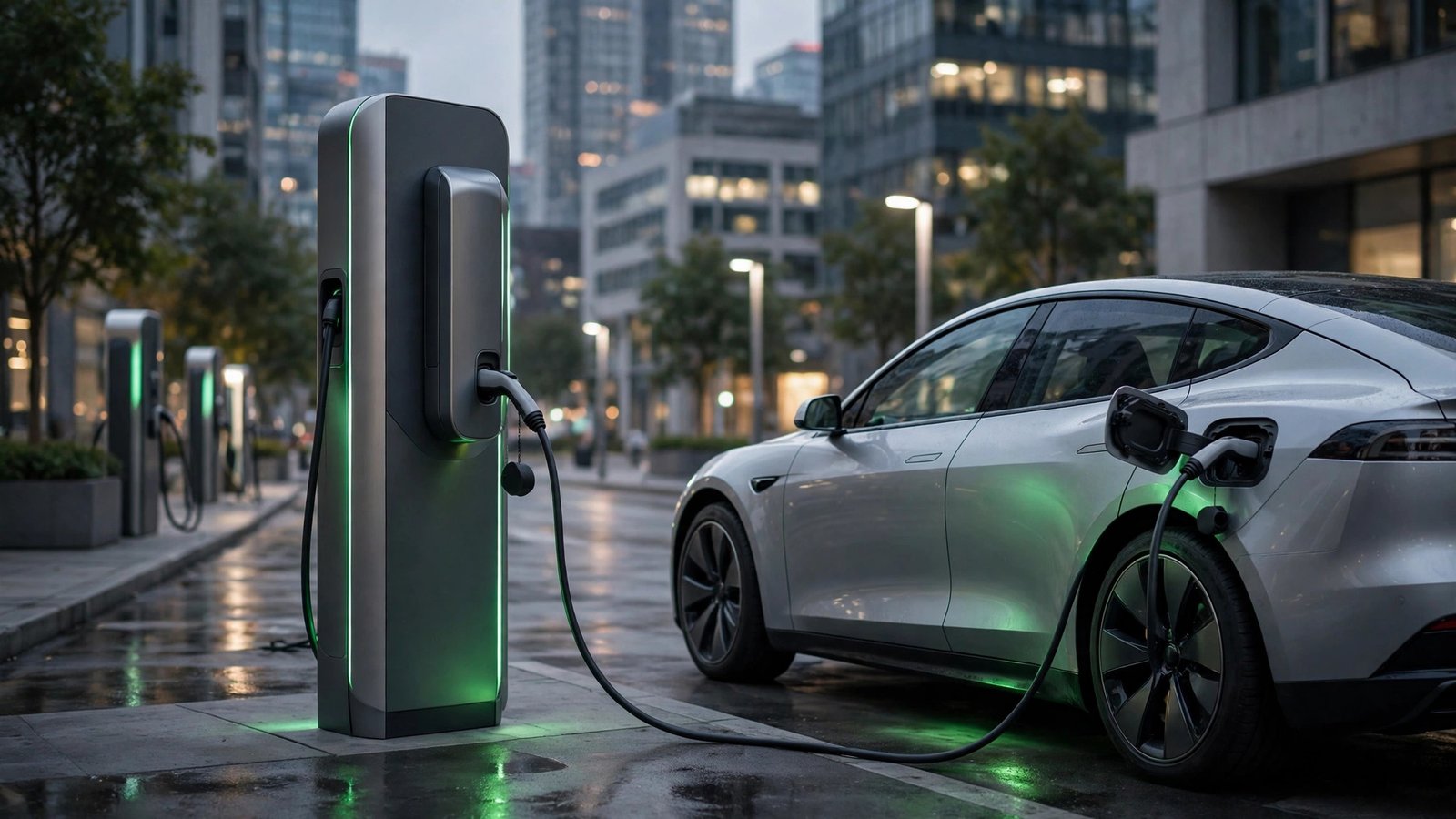
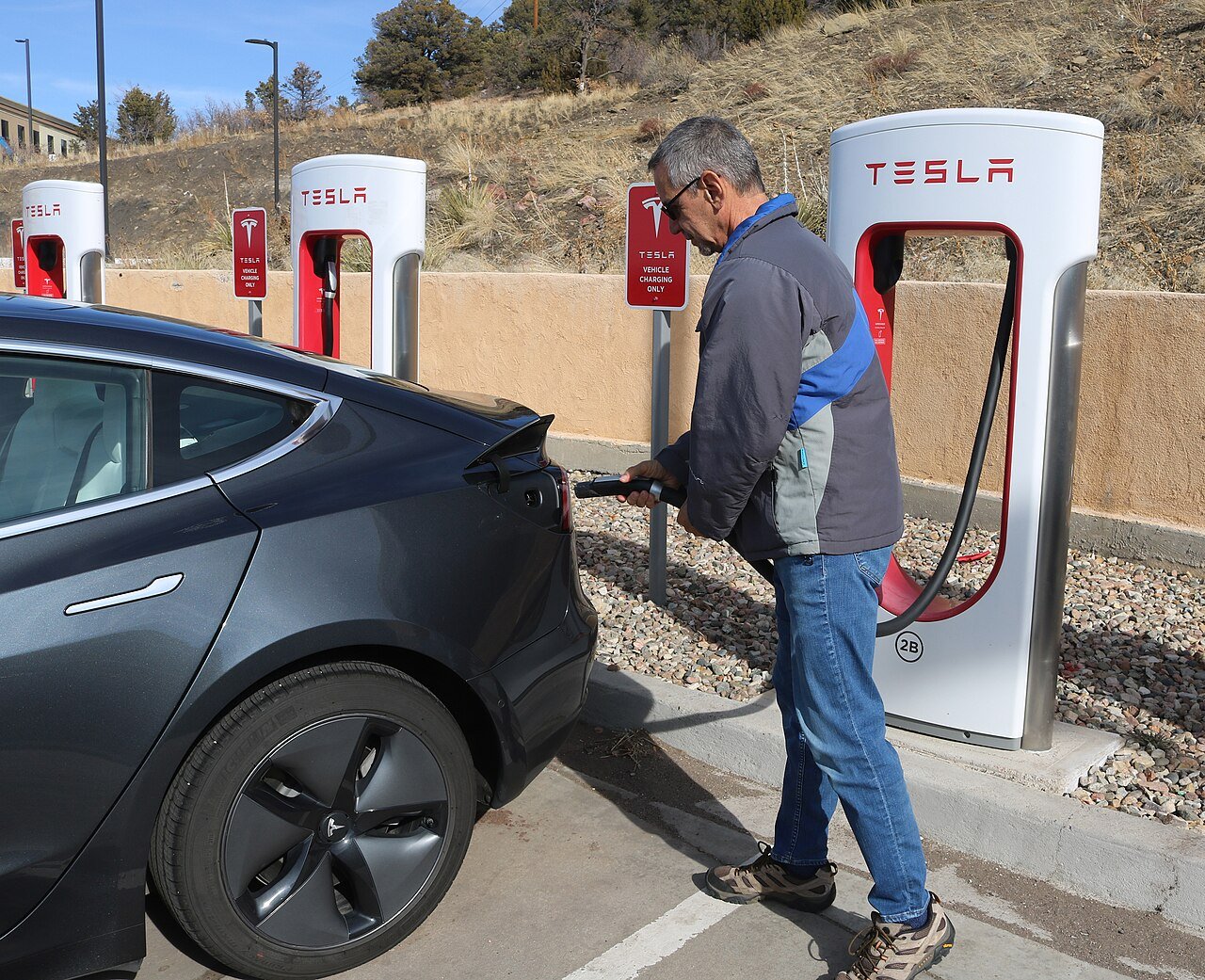
Electric vehicles get the biggest incentives in the policy — but with an important condition attached. The government has planned three categories of sales tax: 1% on purely electric vehicles, 6% on range-extended electric vehicles (REEVs) and 9% on hybrid electric vehicles. Akhtar was clear that these rates are subject to approval by the International Monetary Fund (IMF), so they are not yet final.
In addition, no capital value tax (CVT), withholding tax or federal excise duty (FED) will apply to electric vehicles priced up to $50,000. Electric vehicles above that price will be treated as luxury items and taxed normally.
The aim, Akhtar said, is for 30% of all new vehicles sold in Pakistan to be electric by 2030 — and he added that the target was “about to happen sooner than that”. The shift is already visible in two-wheelers: after the launch of the New Energy Vehicle (NEV) Policy 2025-30, sales of electric two-wheelers rose to 240,000 in the current financial year, FY25-26, from 60,000 in FY2024-25.
EV loans up to Rs10 million over five years
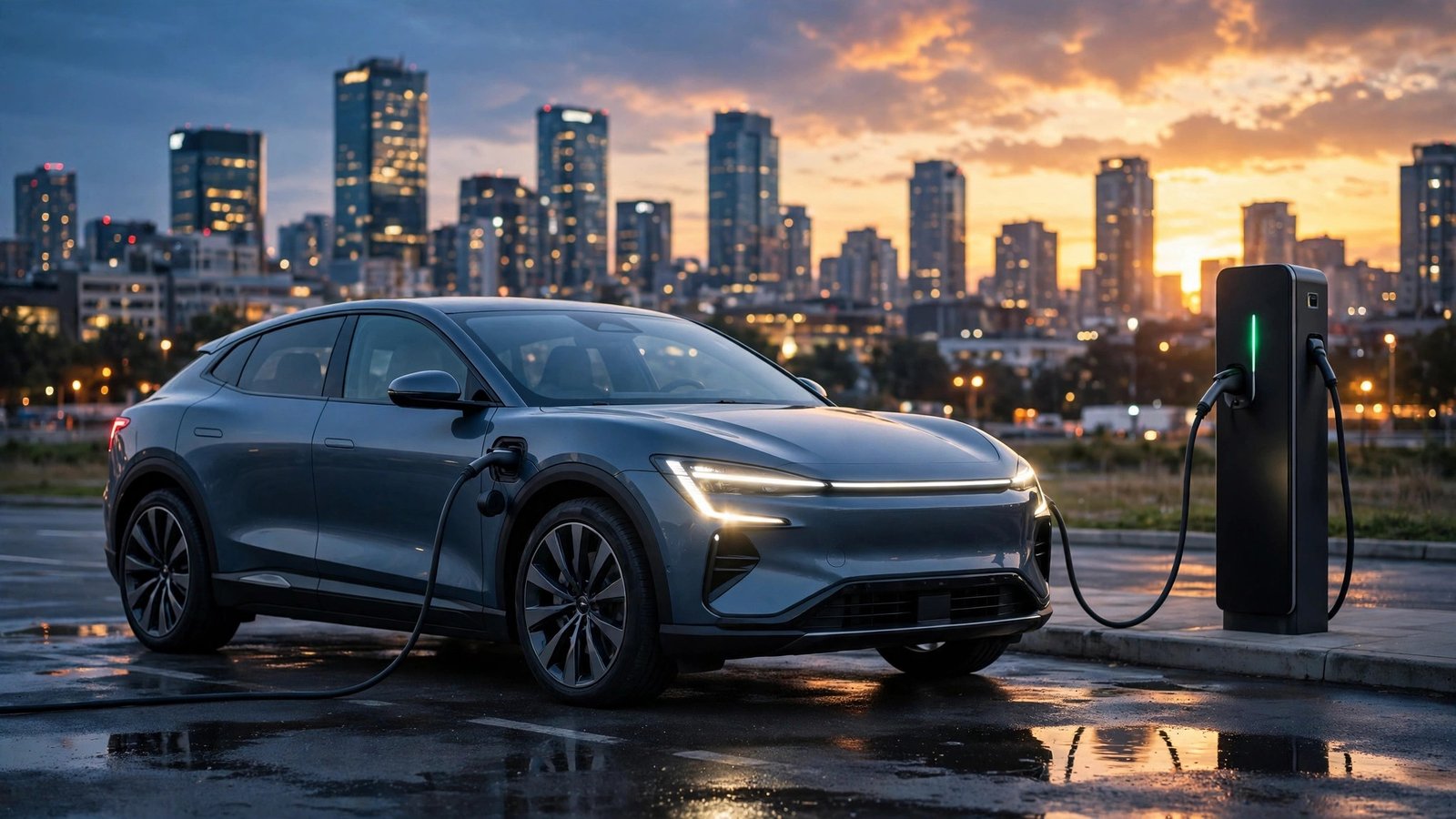
Buying an electric vehicle should also become easier to finance. The State Bank of Pakistan’s car financing plan, which currently offers up to Rs3 million for ordinary cars, will be expanded up to Rs10 million for all electric vehicles, with the repayment tenure extended from three years to five years.
Tarar said the policy was developed after consultations with all stakeholders, analysis of technical data and a review of global models. He regretted that under protectionist policies in past decades, import duties were increased and local industry was supported, yet the industry did not innovate or add value. Encouraging electric vehicles, he said, will reduce carbon emissions and the oil import bill.
Charging stations and the 30% electric target
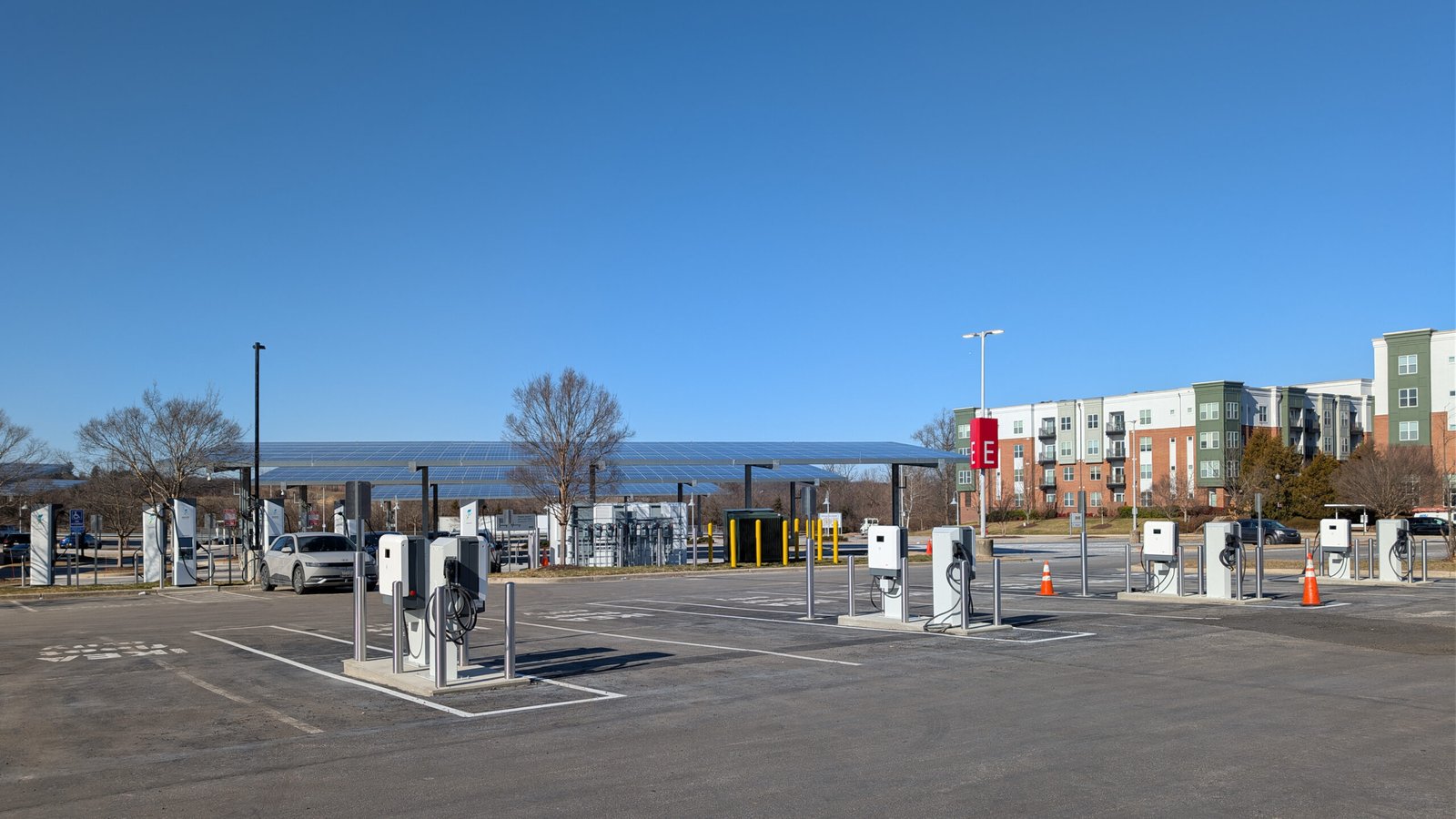
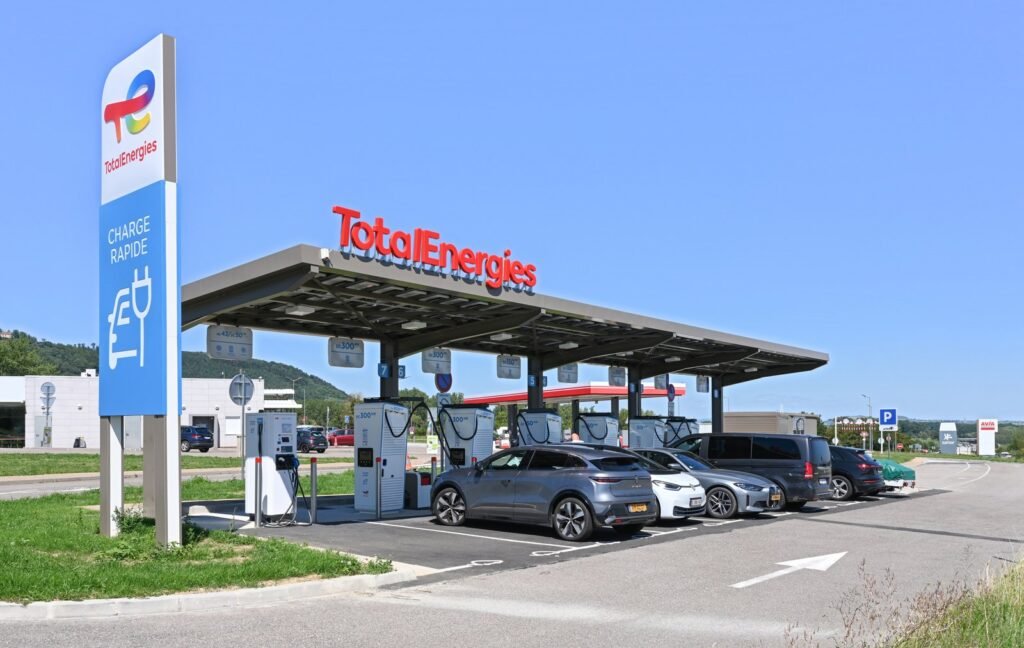
The government will also pay to fix the biggest practical obstacle to electric cars: where to charge them. Akhtar said the government will fund the viability gap that currently exists — businesses see too little demand to build charging stations, while consumers need the stations before they will switch to electric vehicles.
Sales tax on the equipment for charging stations has been reduced to 1%, and customs duty on it has been removed. The government will incentivise setting up charging stations as a key step towards the ultimate goal of shifting to pure electric vehicles, with hybrids and range-extended vehicles helping in the transition period.
Localisation, exports and safety
Localisation has been made mandatory under the policy, with targets to be given to manufacturers. A rewards-and-penalty system will be introduced to boost exports: exporters will get 5% Duty Drawback on Local Taxes and Levies (DLTL), with an additional 10% as exports increase. But if manufacturers do not achieve their targets, a penalty will be imposed — and car makers will not get the DLTL unless they achieve both their entire export target and their local manufacturing target.
The government has set a target of $6 billion in automobile-related exports over the next five years. Akhtar stressed that the export rebate was made conditional on the local manufacturing target because the prime minister wants more jobs created in the country through increased plants.
On safety, the policy adds 45 additional safety standards in line with the United Nations’ WP.29 code. Akhtar contended that once Pakistani vehicles go through these safety codes, they will be considered among the world’s safest vehicles, both manufactured and used.
Because the government is committed to an IMF programme, Akhtar said it is aiming for neutral revenue on whatever incentives it is giving. The revenue collected from larger petrol vehicles will also be used for export rebates and research and development.
What happens next
The announcement is a major step, but the policy is not fully in force yet. The sales-tax tiers for electric vehicles still need IMF approval, and the framework must still pass through the remaining approval and legislative stages. No date has been announced for when the first duty cuts will reach showroom prices, so buyers should expect the price falls to arrive gradually rather than at once.
For now, the direction is clear: the government wants cheaper cars for the middle class, a rapid switch to electric vehicles, and a local industry that builds more of each car in Pakistan and sells more of them abroad. Whether the promised price cuts reach buyers on the promised timetable will be the test of the new policy.
Related Posts
 BusinessPakistan to Sell 90% of Local LPG Through Open Auctions in Presence of Media
 BusinessFBR: Nearly 12 Million Pakistanis Filed Tax Returns Only to Buy Property or a Vehicle
 BusinessPakistan–Türkiye Offshore Oil Search Resumes After 20 Years as Turkish Seismic Vessel Heads for Karachi
 BusinessNEPRA Approves Rs2.37 Per Unit Fuel Adjustment for November Bills
 BusinessNestlé Pakistan Wins Two Sustainability Awards for AI-Driven Regenerative Agriculture
 BusinessPakistan Trade Deficit Widens 19.7% to $3.88 Billion in October as Imports Outpace Exports
Most Popular
 How-ToPTA Tax Calculator 2026: Check Mobile Tax on Any Phone417 views
 Pakistan NewsPIA Boeing 787 Lease Deal: What It Means for the Airline389 views
 Canada JobsTech Jobs in Canada: Roles, Salaries, and Skills Needed387 views
 SportsUEFA Champions League 2026-27: Format, Teams and Schedule384 views
 TechnologyPM Shehbaz Sets November Deadline for Alibaba AI and Digitalisation Projects in Pakistan364 views
 ShowbizWomen’s Fashion in Pakistan 2026: Trends, Brands and Style Guide360 views