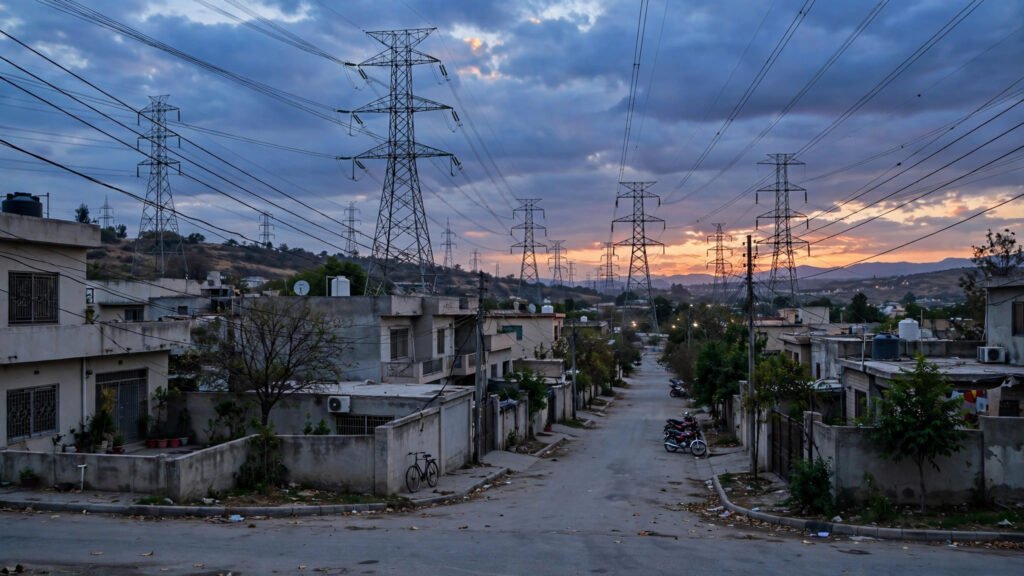
Electricity bills are set to rise in November after the National Electric Power Regulatory Authority (NEPRA) approved an additional fuel cost adjustment of Rs2.37 per unit for consumers across the country. The charge, which relates to power generated in September, will be recovered through November bills and is expected to raise around Rs25 billion from consumers.
NEPRA issued a formal notification on 7 November confirming the adjustment. The exact approved rate is Rs2.3673 per unit — lower than the Rs2.5624 per unit the Central Power Purchasing Agency (CPPA) had requested. The regulator cut the request after reducing some fuel claims, capping transmission-loss allowances and adjusting prior-period items.
What the Rs2.37 adjustment means for your bill
The adjustment will appear as a separate line on November bills, calculated on the units consumed in September 2026. A household that used 300 units in September will pay about Rs711 extra, while a 500-unit consumer will pay about Rs1,185 more. The charge applies to consumers of all distribution companies, including K-Electric, and also to consumers on the Incremental Consumption Package.
Why fuel costs rose in September
According to NEPRA, the actual fuel cost of electricity in September was Rs9.82 per unit, against a reference fuel cost of Rs7.45 per unit. The gap of Rs2.37 per unit is what consumers will now pay. The regulator said the generation mix shifted during the month towards more imported coal and less hydel and regasified liquefied natural gas (RLNG) power, which pushed fuel costs higher.
NEPRA also provisionally accepted a Rs10.617 billion negative adjustment linked to an arrangement under which indigenous gas was supplied to RLNG plants at a set price, but it has asked CPPA to submit plant-wise supporting details. The regulator said later reconciliations could still raise or lower future monthly adjustments.
Industrial power rate rises to Rs25.30 after split vote
In a separate decision announced on 6 November, NEPRA raised the rate for industrial and private agricultural consumers under the special Incremental Support Package from Rs22.98 to Rs25.30 per unit, effective from the November billing month. The package, introduced in December last year, offers a reduced rate on additional electricity consumption to encourage industry to use more grid power.
The decision was far from unanimous. The authority split two-two, with Member Tariff Amina Ahmed and Member Development Maqsood Anwar dissenting. They called the Rs25.30 figure a random number without supporting evidence, noting NEPRA’s own assessment put the marginal cost of electricity at Rs31.83 per unit. They argued the package should be suspended until reliable cost data is provided, warning that the cost of extra industrial consumption could otherwise fall on ordinary consumers through the fuel adjustment mechanism.
Chairman Waseem Mukhtar, who shared the dissenters’ concerns in his written observations but opposed suspending the package at this stage, used his casting vote to approve the revised rate. All four members held the Power Division and its subordinate bodies responsible for failing to submit revised calculations despite repeated reminders, and the regulator has set deadlines for the outstanding information — warning that failure could lead to suspension or termination of the package, or even legal proceedings.
Who is exempt — and who is not
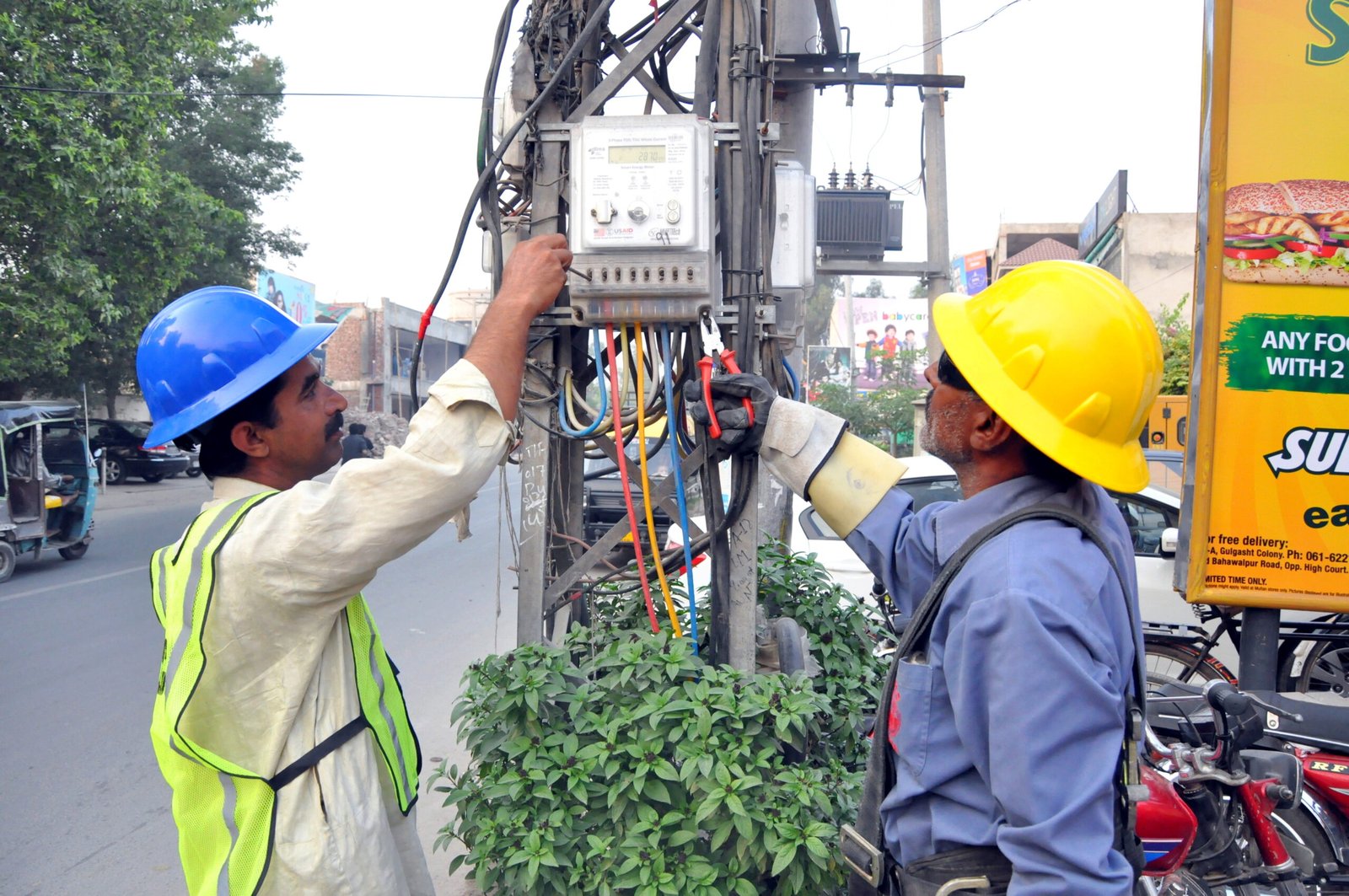
Lifeline consumers, electric vehicle charging stations and consumers on prepaid tariffs are exempt from the Rs2.37 fuel adjustment. Everyone else — households, businesses and industries — will see it on their November bills.
What happens next
The November adjustment is a one-month charge tied to September’s fuel costs; it does not change the base tariff. Separately, distribution companies are seeking a quarterly tariff adjustment of Rs23.33 billion for July to September, which NEPRA will hear on 17 November, and the regulator is also hearing the case for electricity tariffs for 2027. Consumers should check the fuel adjustment line on their November bills and compare it with their September consumption to confirm the amount.
Related Posts
 BusinessNestlé Pakistan Wins Two Sustainability Awards for AI-Driven Regenerative Agriculture
 BusinessPakistan Trade Deficit Widens 19.7% to $3.88 Billion in October as Imports Outpace Exports
 BusinessPetrol Price Cut by Rs6.59 to Rs346 Per Litre From 7 November: Diesel Down Rs4.25 in Fifth Straight Daily Cut
 BusinessABHI IPO Raises Rs2.046 Billion at Rs15.50 a Share as Book Building Oversubscribed by 59%
 BusinessWeekly Inflation Rises to 12.31% as Tomato Prices Jump 54% in a Week — LPG Up 115% in a Year
 BusinessDiscos Seek Rs23.33 Billion Electricity Tariff Hike for July–September Quarter — NEPRA Hearing on 17 November
Most Popular
 How-ToPTA Tax Calculator 2026: Check Mobile Tax on Any Phone417 views
 Pakistan NewsPIA Boeing 787 Lease Deal: What It Means for the Airline389 views
 Canada JobsTech Jobs in Canada: Roles, Salaries, and Skills Needed387 views
 SportsUEFA Champions League 2026-27: Format, Teams and Schedule384 views
 TechnologyPM Shehbaz Sets November Deadline for Alibaba AI and Digitalisation Projects in Pakistan364 views
 ShowbizWomen’s Fashion in Pakistan 2026: Trends, Brands and Style Guide360 views




One comment