Discos ask NEPRA to recover Rs23.33 billion from consumers
Pakistan’s electricity consumers could face another increase in their bills. The country’s 11 state-run power distribution companies have asked the National Electric Power Regulatory Authority (NEPRA) to let them recover an additional Rs23.33 billion from consumers through the quarterly tariff adjustment.
The request covers the third quarter of calendar year 2026 — July to September — and NEPRA will hold a public hearing on the petitions on 17 November 2026. Until the regulator hears the case and announces its decision, the Rs23.33 billion remains a request, not a charge on anyone’s bill.
If NEPRA approves the adjustment, it would apply to consumers across the country, including K-Electric consumers in Karachi, under the federal government’s uniform tariff policy.
What the Discos have asked for
The 11 ex-Wapda distribution companies, known as XWDISCOs, have sought a combined net positive adjustment of Rs23.326 billion for the July–September quarter, according to a NEPRA notice.
The quarterly adjustment is a routine mechanism, separate from the annual base tariff. It lets distribution companies recover costs that change from quarter to quarter — capacity charges, fuel costs, transmission charges, market operator fees, variable operation and maintenance costs, and the impact of transmission and distribution losses — instead of waiting a full year for the next tariff determination.
That is why these requests arrive every three months, and why the amounts swing: each quarter’s adjustment reflects what the companies actually spent in that quarter against what the tariff assumed they would spend.
Where the Rs23.33 billion comes from
The largest single piece is capacity charges — Rs38.917 billion. Next comes Rs7.79 billion for the impact of transmission and distribution losses on the monthly fuel cost adjustment, and Rs5.597 billion in variable operation and maintenance costs.
Those increases are partly offset by a negative adjustment of Rs29.252 billion arising from incremental electricity units — power sold above the reference level under the incremental consumption package, which brings in extra revenue and reduces what needs to be recovered. A further net positive of Rs272 million comes from use-of-system charges and the CPPA-G agency fee. Together, the components add up to the net Rs23.326 billion the companies are seeking.
NEPRA also noted that the distribution companies had included the impact of transmission and distribution losses in the September fuel cost adjustment, although the authority had not yet notified the fuel adjustment for that month. The calculations are based on the fuel cost adjustment requested by the Central Power Purchasing Agency-Guarantee (CPPA-G).
What it could mean for your electricity bill
No per-unit figure has been set, and none can be stated yet. NEPRA will decide how much of the requested amount is justified, and at what per-unit rate it is recovered, only after the 17 November hearing. The regulator frequently approves less than the companies ask for, so the final figure could be lower than Rs23.33 billion.
For a sense of how these adjustments usually land, the previous quarter’s adjustment offers a guide. For the second quarter of 2026 (April–June), NEPRA approved a positive adjustment of Rs12.669 billion, billed at Rs0.5194 per unit over three months, from September to November 2026. Quarterly adjustments are normally recovered in this way — as a per-unit charge spread over three months — and NEPRA’s decision will spell out exactly which consumer categories the new adjustment applies to and over what period.
The practical point for households is timing: nothing changes in the next bill. Any increase would come only after the hearing, the decision, and the government’s notification.
Why capacity charges dominate the bill
Capacity charges are the fixed payments made to power producers for keeping generation capacity available — whether or not that electricity is actually used. They are the single biggest cost in the power system, and they rise when new plants come online or when the rupee’s value and fuel prices move the underlying contracts.
In this quarter’s request, the capacity charges also include the impact of net metering and net billing units — electricity that consumers with rooftop solar panels export to the grid, which changes how much capacity cost the distribution companies must recover from other consumers.
That is also why the incremental-units offset matters. When consumers use more electricity than the reference level — for example under the incremental consumption package that charges extra units at a lower rate — the additional sales bring in revenue that reduces the shortfall. This quarter, that offset was worth Rs29.252 billion, without which the requested amount would have been far higher.
What happens next
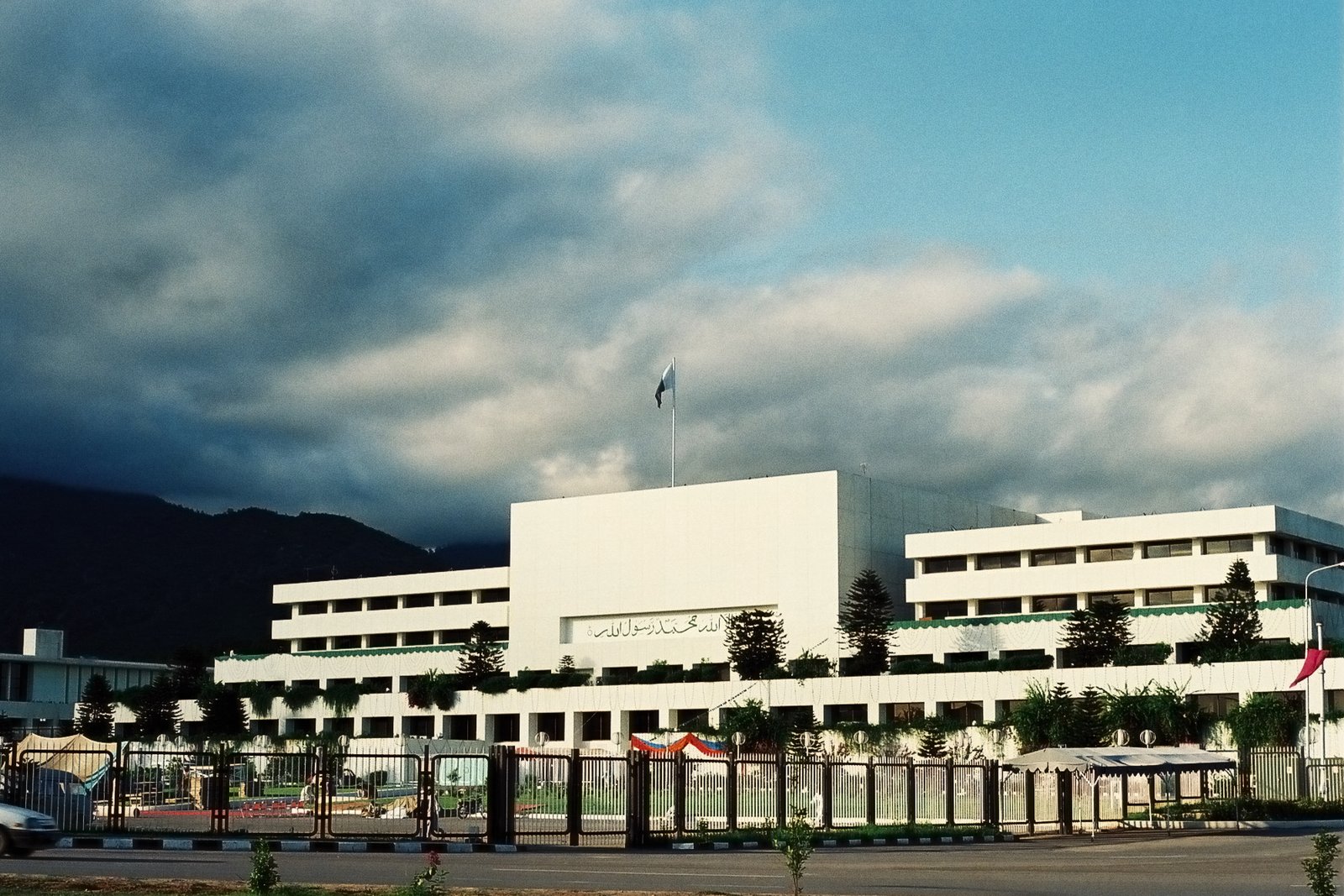
NEPRA’s public hearing on 17 November is the next step. Consumer groups, industry representatives and other stakeholders can present objections, and the regulator will examine each cost claim before deciding what to allow.
This case should not be confused with a separate, larger NEPRA matter already before the regulator: the Power Division’s request for the 2027 power purchase price, in which it sought a rise of Rs2 to Rs4 per unit for next year. That case was heard on 3 November and the decision is reserved. The quarterly adjustment is about costs already incurred in July–September 2026; the 2027 case is about the price of power to be purchased next year. Both could eventually feed into consumer bills, but they are different proceedings with different timelines.
After NEPRA decides the quarterly adjustment, the federal government will file the uniform tariff motion that applies the approved amount — including to K-Electric consumers — and only then will the per-unit impact appear on bills.
Related Posts
 BusinessPakistan’s First Marble City Coming to Karachi: $250 Million Industrial Park on 300 Acres
 BusinessIMF Warns Pakistan: Growth at 3.5% Is Not Enough — Deep Reforms Needed Before Programme Ends in 2027
 BusinessBank of Punjab Launches Pakistan’s First Mastercard World Elite Credit and Debit Cards
 BusinessSBP Forex Reserves Rise to $21.56 Billion as Pakistan Hits Third Weekly Gain
 BusinessPakistan’s Public Debt Hits Rs91 Trillion in FY26 — But Debt-to-GDP Falls to 71.7%
 BusinessPIA to Resume Direct Islamabad–Birmingham Flights from 1 December
Most Popular
 How-ToPTA Tax Calculator 2026: Check Mobile Tax on Any Phone417 views
 Pakistan NewsPIA Boeing 787 Lease Deal: What It Means for the Airline389 views
 Canada JobsTech Jobs in Canada: Roles, Salaries, and Skills Needed387 views
 SportsUEFA Champions League 2026-27: Format, Teams and Schedule384 views
 TechnologyPM Shehbaz Sets November Deadline for Alibaba AI and Digitalisation Projects in Pakistan364 views
 ShowbizWomen’s Fashion in Pakistan 2026: Trends, Brands and Style Guide360 views