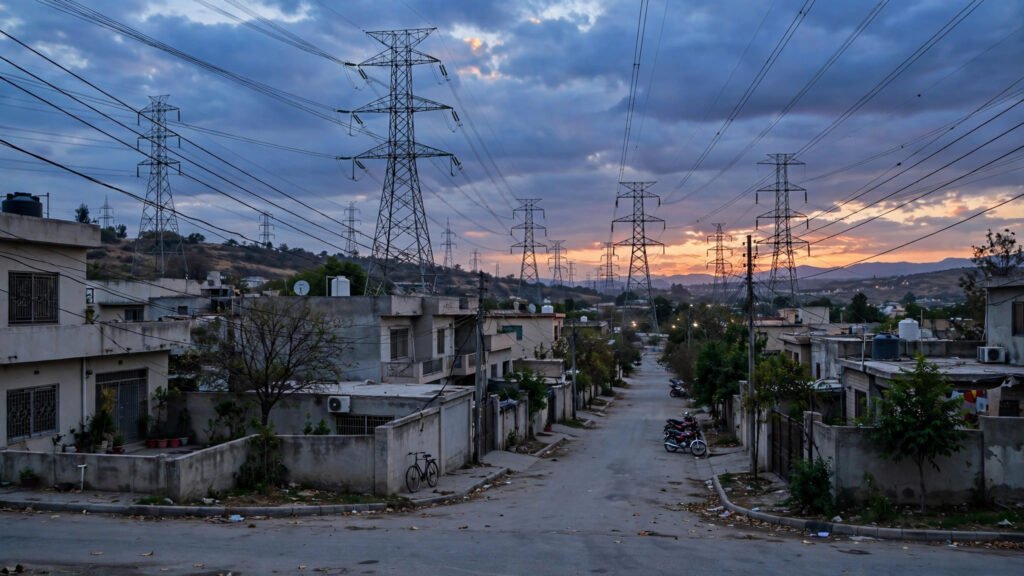
Electricity could cost noticeably more in 2027. At a public hearing of the National Electric Power Regulatory Authority (NEPRA) on 3 November, the Power Division sought an increase of about Rs2 to Rs4 per unit in the price paid for buying electricity next year — warning that the cost of power purchases could climb from the current Rs25.32 per unit to as much as Rs29.26 under its worst-case projection.
The figures were presented by a team led by Central Power Purchasing Agency (CPPA) chief executive Rehan Akhtar and Power Planning and Monitoring Company chief financial officer Naveed Qaiser. NEPRA has reserved its decision and will announce its determination after reviewing the record and the submissions made at the hearing. Nothing has been approved yet — but the numbers now on the table show the direction in which next year’s electricity costs are heading.
What the Power Division asked for
The Power Division placed six scenarios before the regulator for the 2027 power purchase price — the cost of generating and buying electricity before taxes and other charges are added to consumer bills.
The ideal scenario, which officials themselves described as unlikely, puts the price at Rs25.88 per unit, just 56 paisa above today’s level. The base case — the central forecast — is Rs27.31 per unit, an increase of Rs1.99, or about 7.9 per cent. Two worst-case scenarios push the price to Rs28.84 and Rs29.26 per unit, increases of Rs3.52 and Rs3.94. The total cost of buying power for 2027 is projected at between Rs3.4 trillion and Rs3.8 trillion, against about Rs3.19 trillion this year.
The projections were filed by the Central Power Purchasing Agency (Guarantee) Limited, known as CPPA-G, on 12 October, and they will feed into the rebasing of consumer electricity tariffs that takes effect on 1 January 2027.
Why the price is going up — fuel is doing the pushing
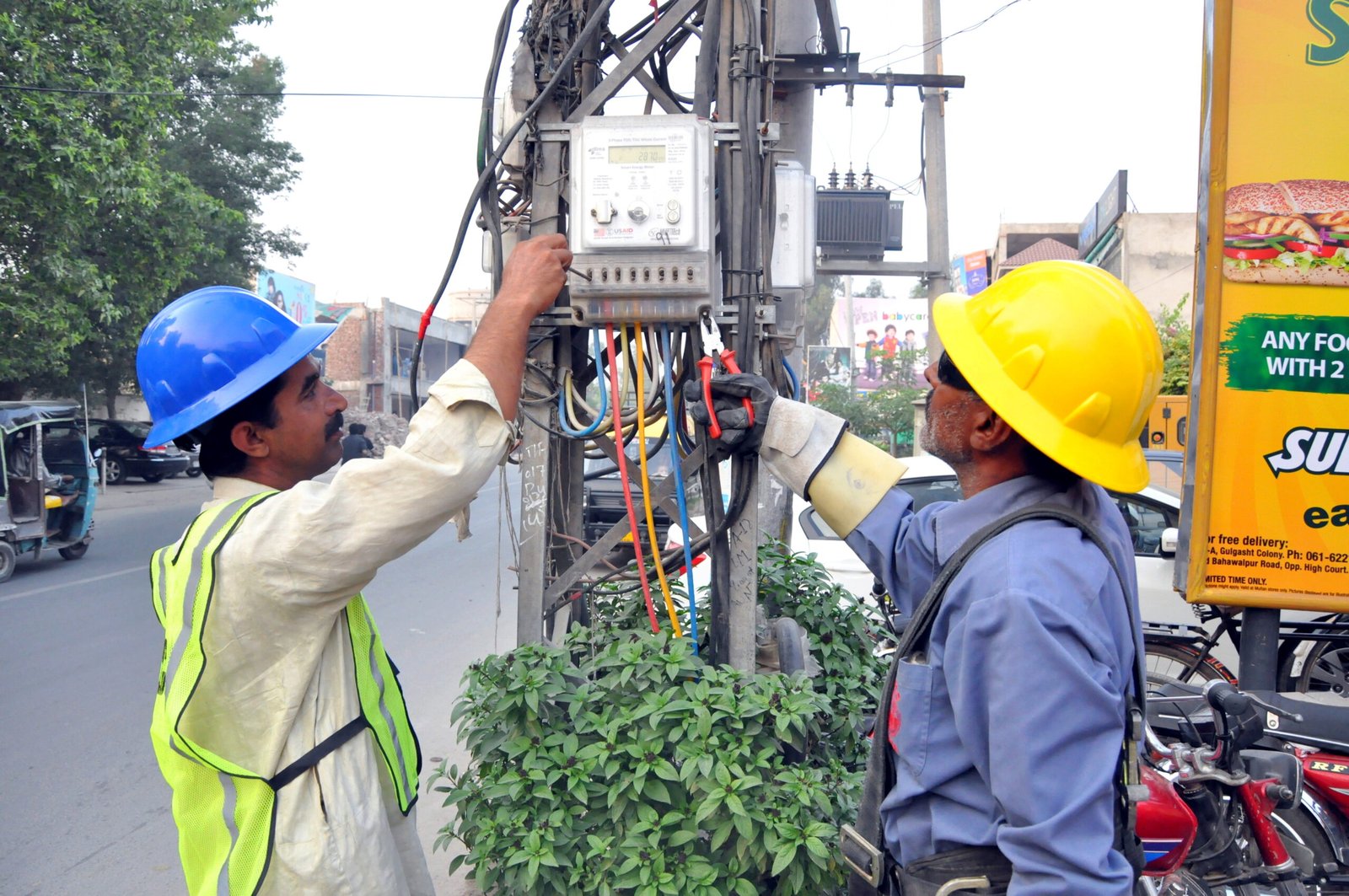
Fuel is the whole story behind the proposed increase. CPPA-G projects the fuel cost of generating electricity will rise from Rs7.74 per unit this year to Rs10.14 per unit in 2027 — a jump of Rs2.40 that is larger than the entire net increase in the purchase price. In other words, fuel alone accounts for more than all of the rise.
Capacity charges — the fixed payments made to power plants whether or not they run — actually fall slightly on a per-unit basis, from Rs15.29 to Rs14.72, because a slightly smaller total is spread over more units sold. Variable operation and maintenance costs edge up, while service charges are almost unchanged.
The forecast rests on a set of assumptions: Brent crude oil at 92 US dollars a barrel, imported gas (RLNG) at 19.96 US dollars per unit, the rupee at Rs279 to the dollar, and electricity demand growing by 2.6 per cent. The worst-case scenarios assume a weaker rupee at Rs290 to the dollar. None of the scenarios assume that the US-Iran war continues into 2027 — a longer conflict and higher fuel costs could push the numbers further still.
What it could mean for your monthly bill
The power purchase price is the biggest single part of the electricity tariff, so if NEPRA approves a higher reference price it is normally passed on to consumers through the base tariff or through monthly and quarterly adjustments.
On the base-case increase of Rs1.99 per unit, a household using 200 units a month would see the energy cost rise by roughly Rs400 a month, before taxes. Under the worst case of Rs3.94 per unit, the same household would pay about Rs790 more. A household using 300 units could pay about Rs600 to Rs1,180 more a month, before taxes. Taxes and other charges are added on top, so the final increase on the bill would be higher — and the actual impact will depend on NEPRA’s final decision and the government’s subsidy policy.
Industry and businesses would face higher production costs too, which can feed into the prices of goods. At the hearing, industrial consumers criticised the government for creating new entities and hiring staff on high salaries, arguing that such costs end up in the electricity price and make tariffs more expensive for everyone.
What happens next

NEPRA will now examine the projections and the objections raised at the hearing before issuing its determination on the reference power purchase price for 2027. The government will then decide how the price is reflected in the national tariff. Fuel prices, gas and LNG availability, the rupee’s exchange rate and electricity demand will all decide which scenario turns out closest to reality.
Consumers are already feeling upward pressure on bills. NEPRA added Rs1.11 per unit to October bills under the August fuel charge adjustment, and distribution companies have separately sought Rs2.56 per unit for September, which the regulator heard on 29 October. Until NEPRA rules on the 2027 forecast, the only certainty is that the base case points to a purchase price of Rs27.31 per unit — and that the final figure could be higher or lower once the regulator has had its say.
Related Posts
 BusinessPIA to Resume Direct Islamabad–Birmingham Flights from 1 December
 BusinessKSE-100 Crosses 175,000 for the First Time as PSX Rally Adds 7,361 Points in Two Days
 BusinessBitcoin Crashes Below $76,000 as AI Stock Rout Wipes Out $1 Billion in Crypto Bets
 BusinessPetrol Price Cut by Rs9.41 to Rs352.59 Per Litre From 6 November: Diesel Down Rs5.56 in Fourth Straight Daily Cut
 BusinessGold Price in Pakistan Jumps Rs9,600 Per Tola to Rs435,636 as Rally Runs Into a Second Day
 BusinessEmirates Group Posts AED 4.1 Billion Half-Year Profit Despite Gulf Conflict and Doubling Fuel Prices
Most Popular
 How-ToPTA Tax Calculator 2026: Check Mobile Tax on Any Phone417 views
 Pakistan NewsPIA Boeing 787 Lease Deal: What It Means for the Airline389 views
 Canada JobsTech Jobs in Canada: Roles, Salaries, and Skills Needed387 views
 SportsUEFA Champions League 2026-27: Format, Teams and Schedule384 views
 TechnologyPM Shehbaz Sets November Deadline for Alibaba AI and Digitalisation Projects in Pakistan364 views
 ShowbizWomen’s Fashion in Pakistan 2026: Trends, Brands and Style Guide360 views