
The federal government has cut petroleum prices for the fourth day in a row, reducing petrol by Rs9.41 per litre and high-speed diesel by Rs5.56 per litre from 6 November 2026. Petrol falls to Rs352.59 per litre and diesel to Rs382.25 per litre — the biggest single-day petrol cut of the four-day sequence, and the fourth straight day of relief at the pump.
The revised ex-depot prices were announced by the Oil and Gas Regulatory Authority (OGRA) in a press release on Thursday, under the petroleum pricing mechanism approved by the federal government. The new rates take effect from Friday, 6 November, and will be reviewed again for the following day under the daily pricing framework that came into force earlier this week.
New petrol and diesel prices: before vs after
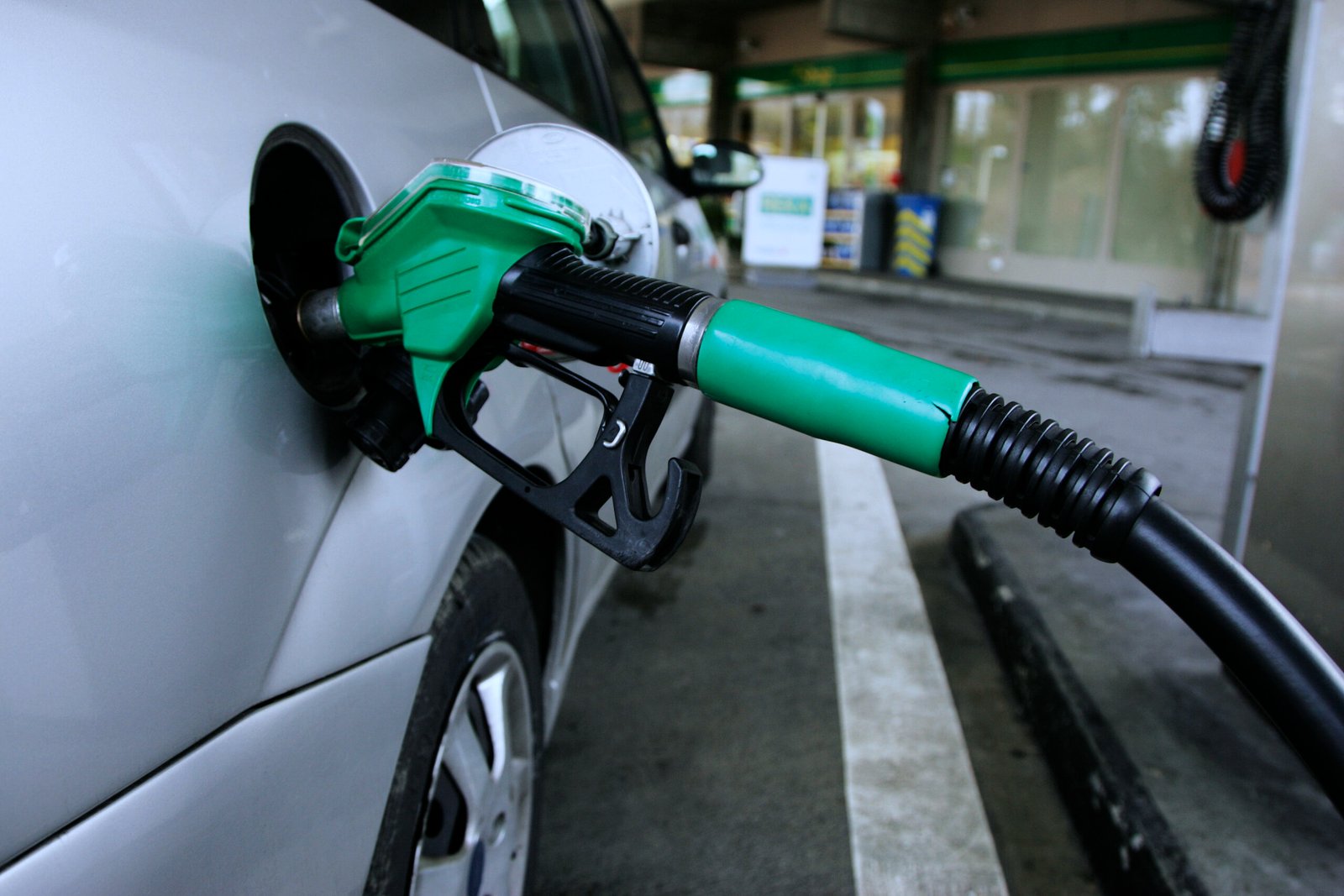
According to OGRA’s notification, the price of petrol (Motor Spirit) has been reduced from Rs362.00 to Rs352.59 per litre — a cut of Rs9.41. High-speed diesel (HSD) is down from Rs387.81 to Rs382.25 per litre, a reduction of Rs5.56.
| Product | Old price (per litre) | New price (per litre) | Change |
|---|---|---|---|
| Petrol (MS) | Rs362.00 | Rs352.59 | −Rs9.41 |
| High-Speed Diesel | Rs387.81 | Rs382.25 | −Rs5.56 |
The 6 November revision is the largest single-day petrol cut of the sequence, and it follows the 5 November revision in which petrol fell Rs7.06 and diesel Rs3.71 per litre. Taken together, motorists are now paying Rs25.32 less per litre of petrol than they were before the four-day run began — and Rs20.71 less per litre of diesel.
Four cuts in four days: how Pakistan moved to daily fuel pricing
The back-to-back reductions are the direct result of a new daily fuel pricing framework that took effect on 2 November 2026. Under the new mechanism, OGRA calculates and publishes ex-depot petroleum prices every day instead of the earlier fortnightly cycle, so pump prices now track market movements much more closely.
The shift was set in motion by the federal cabinet on 30 October, when it approved a revised pricing formula for imported petrol. Instead of working from an average benchmark, the price is now calculated using the actual import cost of the relevant Pakistan State Oil (PSO) cargo. The government has also put in place a temporary 30-day arrangement for local refineries to smooth the transition to the new system.
The daily petrol cuts have grown bigger with each revision — Rs3.40, then Rs5.45, then Rs7.06, and now Rs9.41 — which is why the cumulative relief has built up so fast. For consumers, the practical effect is simple: prices can now fall — or rise — every 24 hours, and the past four days have all been falls.
What the cut means for motorists and transporters
For a car with a 40-litre tank, a full fill of petrol now costs about Rs1,013 less than it did before the four-day sequence began. For transporters running on diesel, the Rs20.71-per-litre cumulative drop over four days translates into meaningful savings on every long-haul trip — a reduction that usually feeds through to freight and logistics costs over time.
One part of the price has not changed: the announcement made no mention of any change to the petroleum levy, which has stood at Rs80 per litre through this week’s revisions. The relief at the pump therefore comes from the pricing mechanism itself — lower calculated import costs passing through to the ex-depot price — rather than from any tax adjustment. That is also the subject of the government’s talks with Jamaat-e-Islami, where relief for farmers and owners of 1,000cc cars has been discussed.
Economists note that sustained fuel price relief can help cool transport-driven inflation, which touches everything from food prices to bus fares. But they also caution that daily pricing cuts both ways: just as prices fell four days running, they can move in the opposite direction just as quickly.
Global crude rose even as Pakistani pump prices fell
Curiously, the latest cut comes on a day when global oil prices moved in the opposite direction. Business Recorder reported that Brent crude futures rose $2.19, or 2.3 percent, to $96.81 a barrel on Thursday, while US West Texas Intermediate crude rose $1.32, or 1.5 percent, to $89.44, as investors weighed the future course of the US-Israeli war with Iran after Donald Trump’s Republican Party suffered heavy losses in the midterm elections this week.
The contrast underlines how the new mechanism works: the daily pump price is calculated from the actual cost of PSO’s import cargoes, so a single day’s move in Brent crude does not by itself set what motorists pay. The exchange rate and the cargo costs already locked in matter just as much.
Under the daily framework, the new rates apply from 6 November and will be recalculated for 7 November. OGRA will continue issuing its notification each day — the latest figures are published on OGRA’s website — and each revision will set prices for the following 24 hours. For now, motorists and transporters can plan on cheaper fuel for Friday, with the next announcement deciding what the weekend looks like.
Related Posts
 BusinessIMF Warns Pakistan: Growth at 3.5% Is Not Enough — Deep Reforms Needed Before Programme Ends in 2027
 BusinessBank of Punjab Launches Pakistan’s First Mastercard World Elite Credit and Debit Cards
 BusinessSBP Forex Reserves Rise to $21.56 Billion as Pakistan Hits Third Weekly Gain
 BusinessPakistan’s Public Debt Hits Rs91 Trillion in FY26 — But Debt-to-GDP Falls to 71.7%
 BusinessPIA to Resume Direct Islamabad–Birmingham Flights from 1 December
 BusinessKSE-100 Crosses 175,000 for the First Time as PSX Rally Adds 7,361 Points in Two Days
Most Popular
 How-ToPTA Tax Calculator 2026: Check Mobile Tax on Any Phone417 views
 Pakistan NewsPIA Boeing 787 Lease Deal: What It Means for the Airline389 views
 Canada JobsTech Jobs in Canada: Roles, Salaries, and Skills Needed387 views
 SportsUEFA Champions League 2026-27: Format, Teams and Schedule384 views
 TechnologyPM Shehbaz Sets November Deadline for Alibaba AI and Digitalisation Projects in Pakistan364 views
 ShowbizWomen’s Fashion in Pakistan 2026: Trends, Brands and Style Guide360 views


One comment