Prime Minister Shehbaz Sharif has set a November deadline for ministries to finish all the groundwork on Pakistan’s new wave of artificial intelligence and digitalisation projects with Chinese tech giant Alibaba, turning a set of agreements signed in China into a domestic delivery timetable. Chairing a review meeting in Islamabad on Wednesday, 28 October 2026, the prime minister told the relevant ministries to complete every necessary step by next month so the projects can move from paper to practice.
The push covers a wide slice of national life: artificial intelligence, digital government, exports, agriculture, health and the fuel supply chain. The message from the meeting was that technology is no longer a side project for Pakistan — the prime minister described AI and digitalisation as central to national development, and said the government wants the full benefit of its strategic partnership with Alibaba.
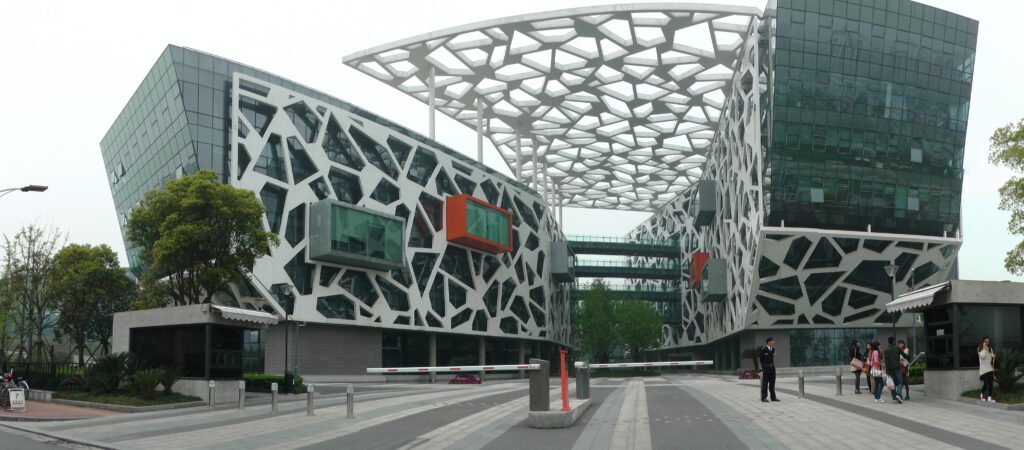
The cooperation itself was sealed during the prime minister’s visit to China, when a memorandum of understanding was signed at Alibaba’s headquarters in Hangzhou. Since then, Pakistani and Alibaba teams have been working through a bundle of projects spanning cloud computing, health technology, small-business exports and digital payments. Wednesday’s meeting was a progress check — and a warning that the pace must now quicken.
November deadline: what the prime minister ordered
The headline instruction was simple: finish the preparatory work by November. Ministries handling the Alibaba projects were told to wrap up the legal, administrative and policy measures each project needs, so that implementation is not held up by paperwork. The prime minister argued that effective use of digitalisation and modern technology can lift trade, exports and farm productivity, make it easier to do business, and improve the quality of public services ordinary citizens deal with every day.
Small and medium-sized enterprises sit at the heart of the plan. The government wants these businesses — which employ millions of Pakistanis but often struggle to reach buyers abroad — plugged into global markets through Alibaba’s platforms, with AI-powered tools to help them sell, ship and get paid. Officials say the partnership should open new technology-driven opportunities for them, rather than leaving the gains to a handful of large exporters.
AI training for graduates and Urdu language models
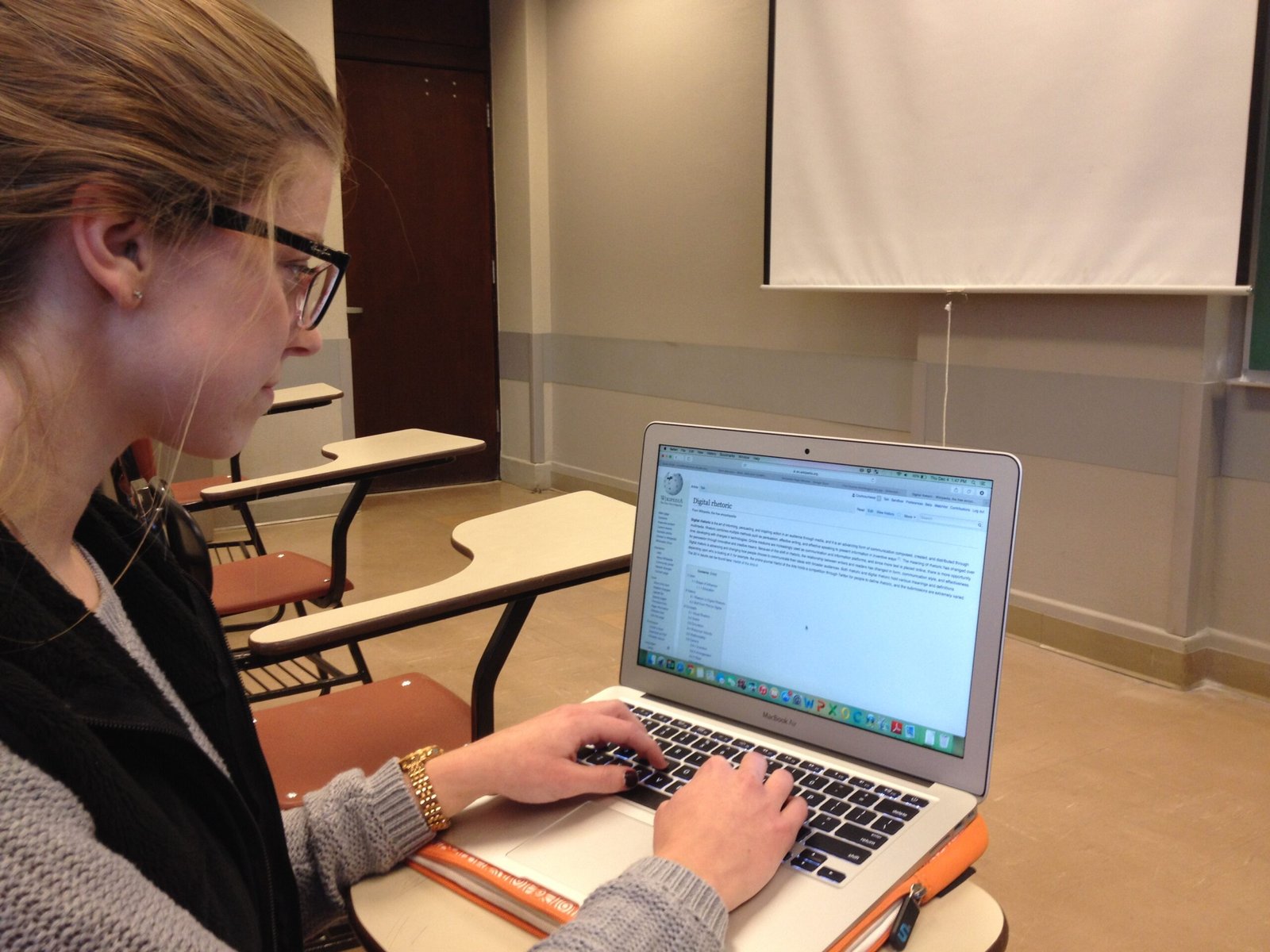
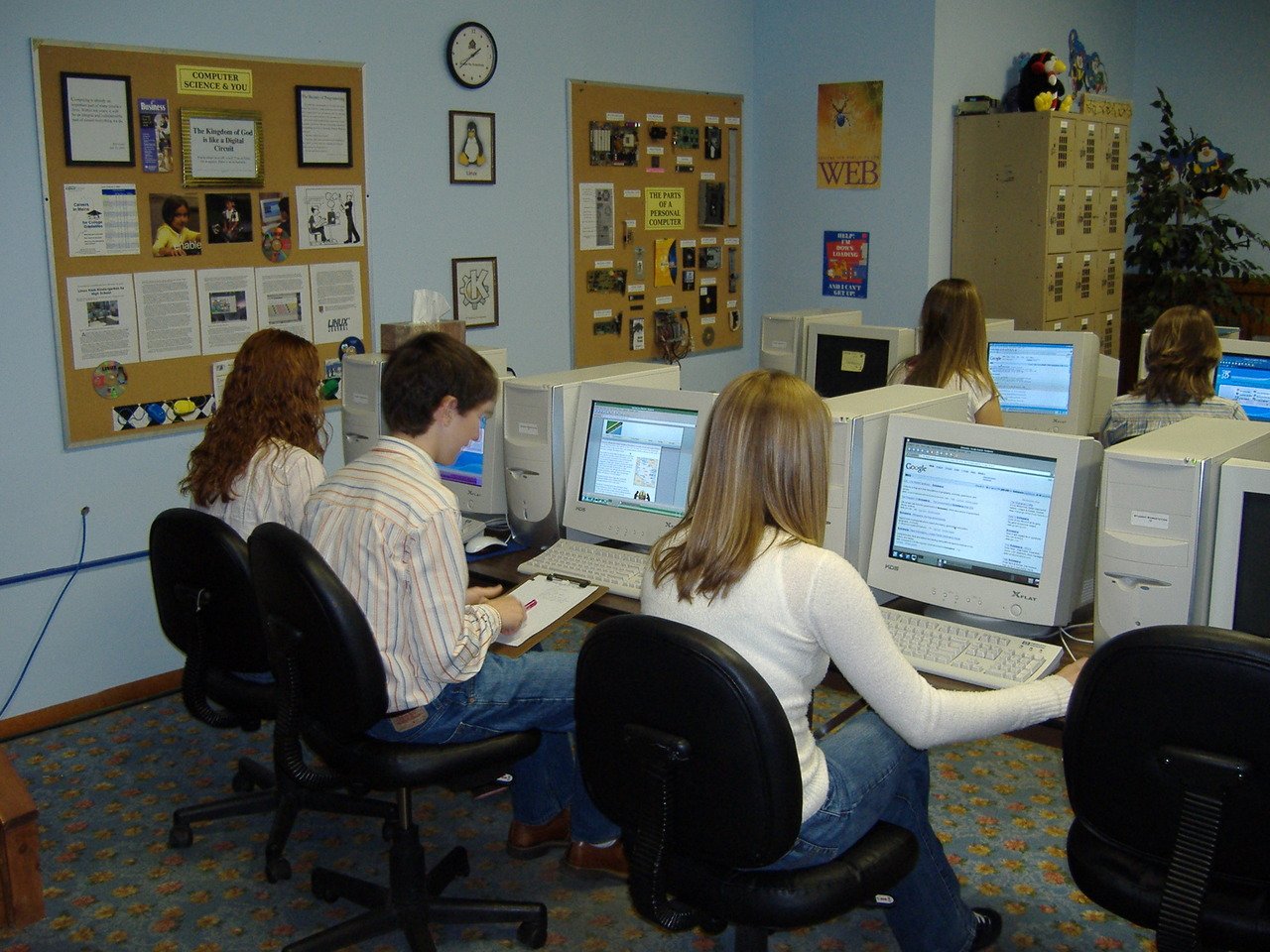
One of the most concrete orders from the meeting was the launch of an AI training programme for IT graduates, run under the Ministry of Information Technology’s Ignite programme in collaboration with Alibaba. Pakistan produces large numbers of IT graduates each year, but employers repeatedly say many leave university without the practical AI and cloud skills the market now demands. The new programme is meant to close that gap.
It builds on the wider Hangzhou agreements, under which Ignite and Alibaba Cloud are working on localised AI models for Urdu and regional languages, alongside nationwide skills programmes meant to reach 500,000 people — developers, students and public-sector employees. The two sides have also been co-hosting AI hackathons and innovation events for young developers, including a recent Alibaba Cloud AI hackathon in Pakistan that drew entries on smart agriculture, financial inclusion and Urdu-language technology.
The Urdu-language angle matters. Most global AI tools are built first for English and a handful of other major languages; building models that genuinely understand Urdu — and Pakistan’s regional languages — is what would let AI tools work for teachers, farmers, shopkeepers and government offices across the country, not just for English-speaking professionals.
Early cancer detection with Alibaba’s health technology
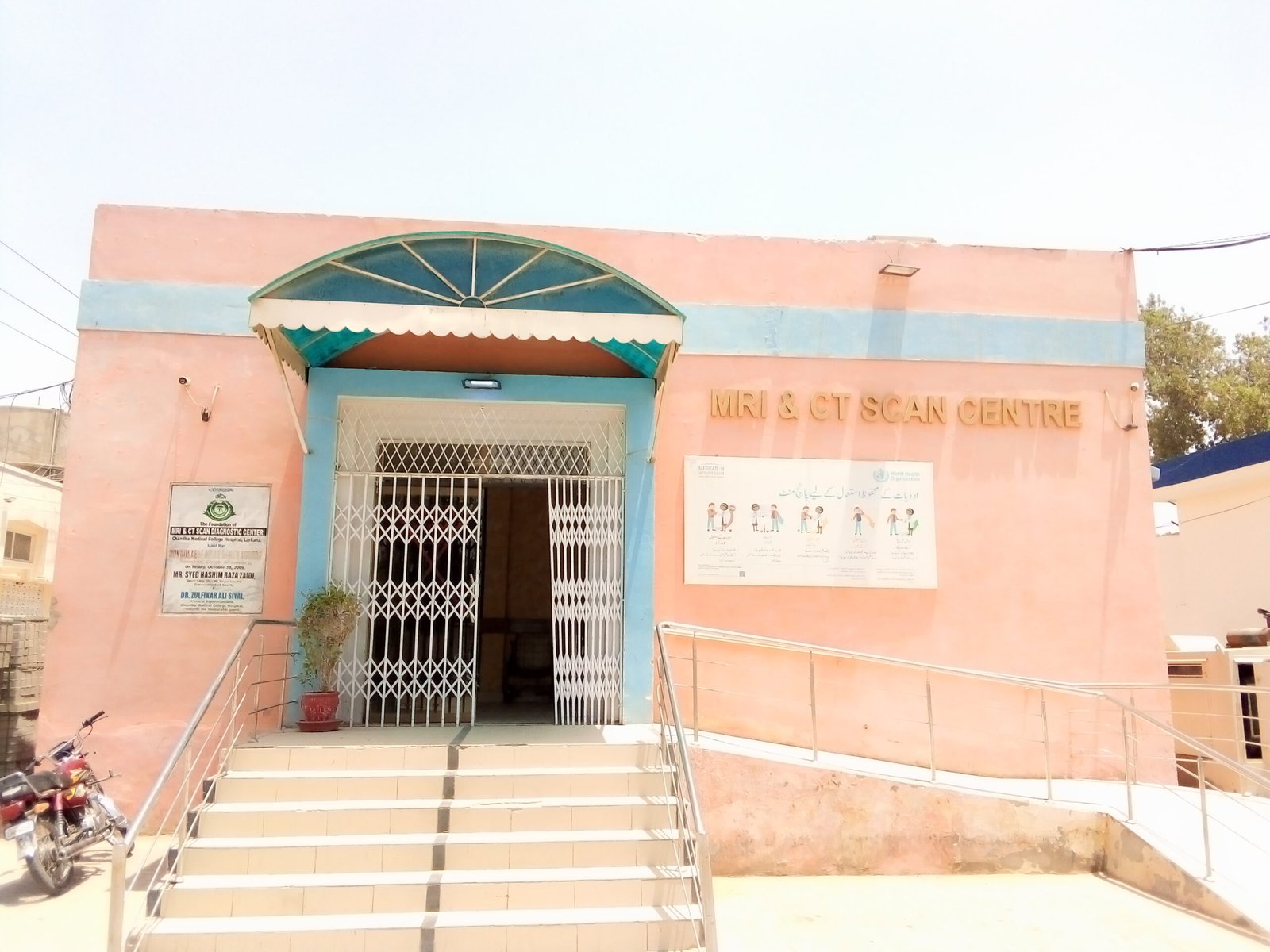
The prime minister also directed that an early cancer detection system be implemented with Alibaba’s cooperation. The idea is to use AI-powered screening to catch disease earlier, when treatment is cheaper and far more likely to succeed — a major need in a country where specialist diagnostic facilities are concentrated in a few big cities.
Under the Hangzhou agreements, Alibaba’s DAMO Academy and its local partner Sky47 are to deploy AI-powered disease screening systems across major Pakistani cities, using technology that can flag lesions linked to diseases including pancreatic and liver cancer from non-contrast CT scans. The rollout has been discussed for Islamabad, Lahore and Karachi. A related strand of the partnership will build “embodied intelligence” capacity programmes at Pakistani universities — training the researchers and engineers who would run such systems in future.
For patients, the promise is straightforward: a screening tool that reaches district-level facilities could mean a diagnosis weeks or months earlier than a referral to a big-city hospital. The November deadline now puts pressure on the health and IT ministries to settle how the system will be procured, staffed and regulated before it is offered to the public.
Fuel supply chain: OGRA analytics system
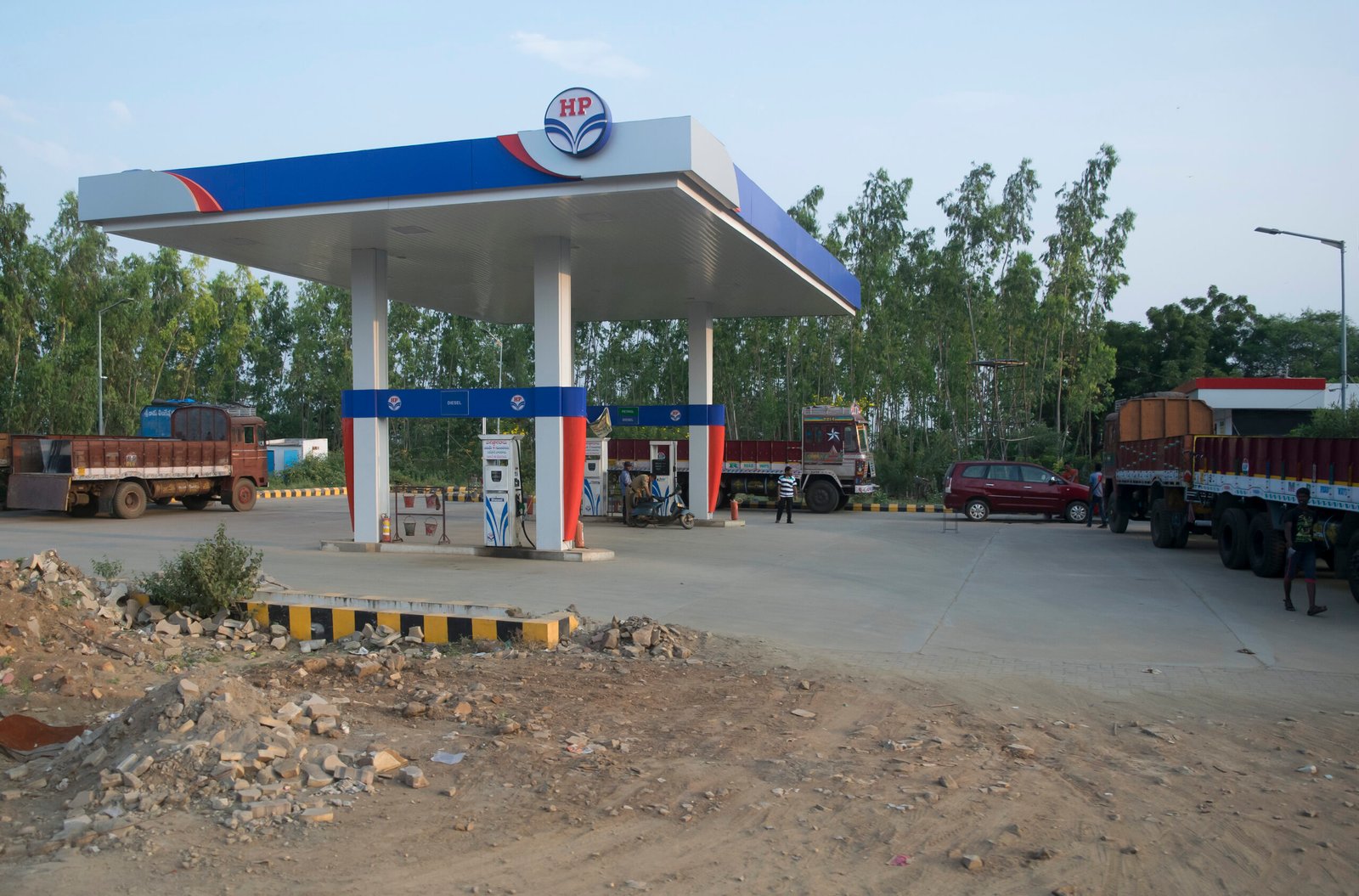
Another directive from the meeting went to the Oil and Gas Regulatory Authority (OGRA), which was told to introduce an analytics system, developed in partnership with Alibaba, to monitor the petroleum products supply chain. Fuel shortages, hoarding and illegal profiteering have repeatedly hit Pakistani consumers, and the government says a data-driven view of the whole chain — from depots and tankers to petrol pumps — is the way to stop them.
OGRA already runs several digital monitoring tools, including a national monitoring dashboard, a tanker track-and-trace system, depot-tank telemetry, the Rahguzar mobile app and digital sales entry at petrol pumps, overseen by a central monitoring cell. A data-driven enforcement campaign in July 2026 used these systems to detect hoarding and unnecessary supply disruptions, leading to show-cause notices and legal action. The new Alibaba-backed analytics layer is meant to pull these feeds together so problems are spotted in real time rather than after the pumps run dry.
The prime minister stressed that an uninterrupted fuel supply and fair prices remain a top priority, and that negligence and corruption in the sector would not be tolerated. The fuel analytics project is therefore as much a governance story as a technology one: the data only matters if it triggers enforcement.
Exports, farms and the Pakistan Pavilion
The meeting also covered agriculture and exports. The prime minister welcomed Alibaba’s cooperation in helping Pakistani farm produce reach Chinese markets, and endorsed work on agricultural automation — using technology to raise yields and cut waste on farms that still rely heavily on manual methods.
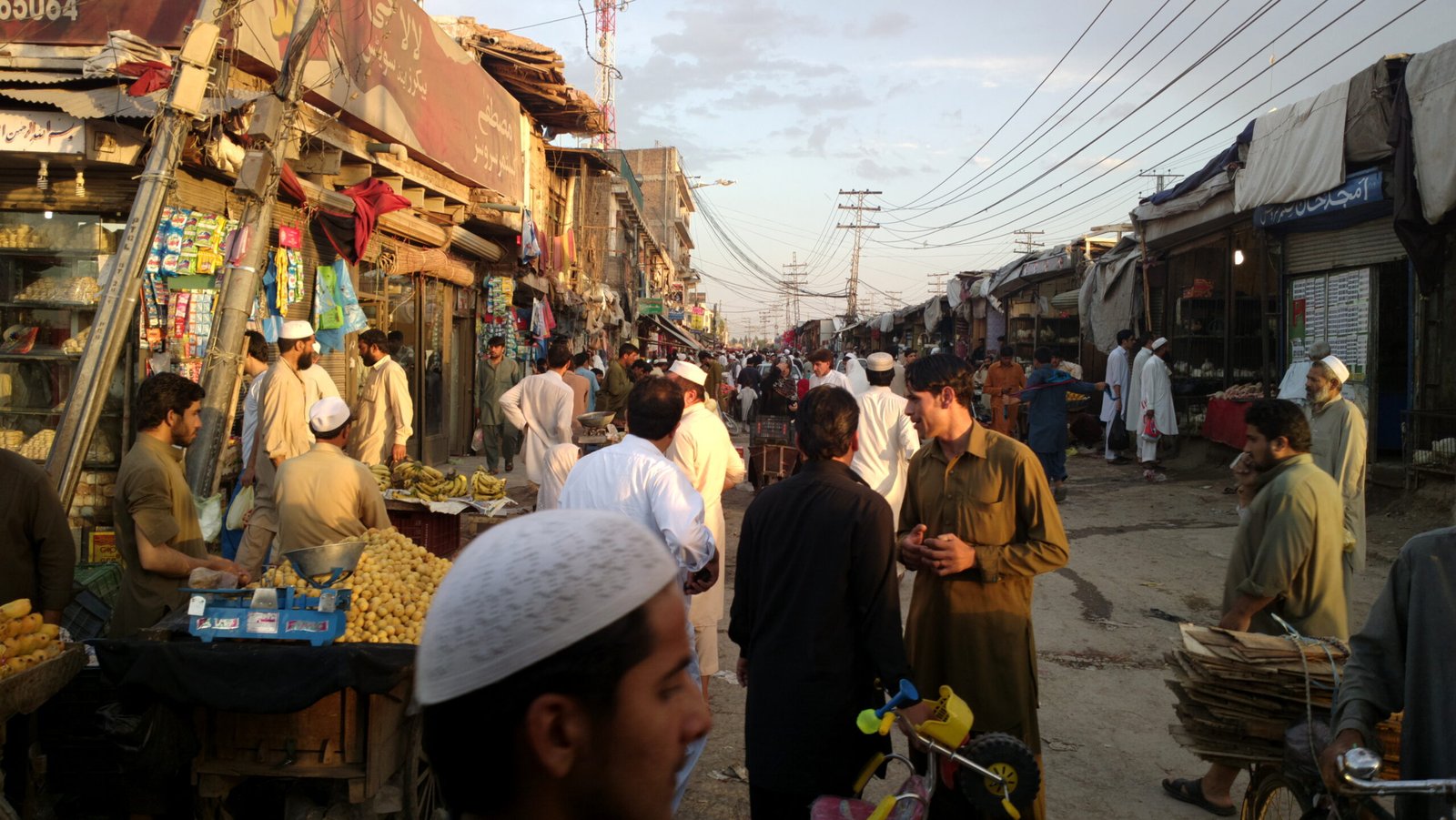
On the export side, the country’s export promotion body was instructed to work with Alibaba to increase Pakistan’s exports, building on the agreement under which Alibaba and the Small and Medium Enterprises Development Authority (SMEDA) will onboard at least 2,000 Pakistani small businesses to a dedicated “Pakistan Pavilion” on Alibaba.com, with AI-powered digital trade training for 10,000 businesses. The goal is to turn small workshops, food producers and craft makers into exporters without them needing to navigate foreign markets alone.
The partnership also reaches into digital payments: Koko Tech is to introduce a buy-now-pay-later solution in Pakistan backed by an initial investment of 3 million US dollars, aimed at widening financial inclusion and digital commerce. Taken together with the China-Pakistan Information Corridor launched in Islamabad this week, the Alibaba programme is part of a much larger bet: that Pakistan’s next phase of growth with China will be digital as much as physical.
What happens next is the test. The November deadline is short, and several of these projects — health screening, fuel analytics, Urdu AI models — need regulators, procurement and trained staff, not just software. If ministries hit the deadline, Pakistanis could start seeing the first visible results — training places for graduates, screening pilots in big-city hospitals and a live fuel-monitoring dashboard — before the year is out. If they miss it, Wednesday’s meeting will be remembered as another announcement. The prime minister’s office has promised to keep reviewing progress; the November checkpoint will show whether this partnership is different.
Related Posts
 TechnologyPakistan and China Launch Information Corridor (CPIC) in Islamabad: Four Pillars, Fact-Checking and What It Means
 TechnologyRedmi K100 Launched in China: 10,000mAh Battery, Snapdragon 8 Elite and Prices From CNY 3,499
 TechnologyPM Youth Chromebook Scheme 2026: 500,000 Chromebooks Launched — Who Can Apply and How to Apply Online
 TechnologySUPARCO Opens UN Space Conference in Islamabad: Early Warning, Climate Action and Disaster Risk Assessment
 TechnologyApple’s New M6 MacBook Pro and iMac Are Here: Specs, Prices and 6 November Release Date
 TechnologyChrome’s emSign Root Removal Lands Today: What Pakistani Websites and Users Must Do
Most Popular
 SportsBallon d’Or 2026: London Ceremony, Nominees and All-Time Records Ahead of 70th Anniversary290 views
 How-ToPTA Tax Calculator 2026: Check Mobile Tax on Any Phone290 views
 TechnologyRedmi K100 Launching on 28 October: 10,000mAh Battery, 185Hz Display and Full Specs268 views
 SportsUEFA Champions League 2026-27: Format, Teams and Schedule268 views
 TechnologyAround 20 Pakistani Tech Companies Showcase Innovation at TechCrunch Disrupt 2026 in San Francisco262 views
 Canada JobsTech Jobs in Canada: Roles, Salaries, and Skills Needed258 views