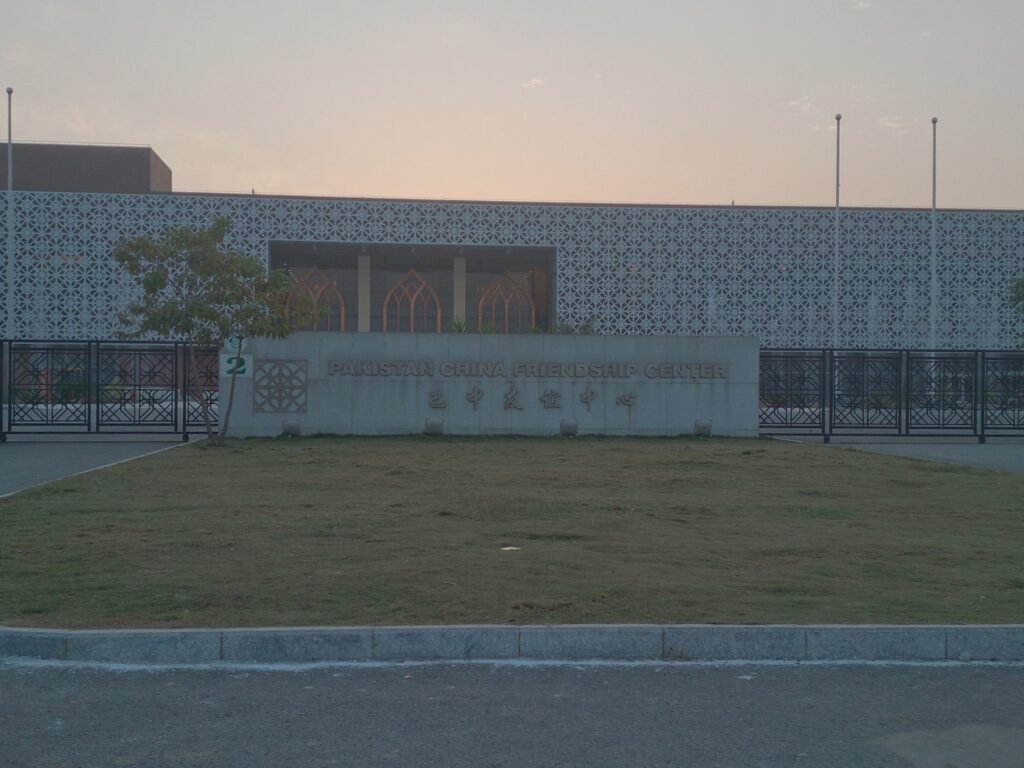
Pakistan and China have launched a new platform for working together on information, media and public understanding: the China-Pakistan Information Corridor, known as CPIC. The corridor was formally launched in Islamabad on Monday, 27 October 2026, at a ceremony at the Pakistan-China Friendship Centre, and it is being presented as the information-age companion to the China-Pakistan Economic Corridor (CPEC).
The idea, in the words used at the launch, is straightforward. Where CPEC connected the two countries through roads, ports, energy projects and industrial zones, the information corridor is meant to connect their people: through shared news, joint research, business links and cultural exchange. Federal Minister for Information and Broadcasting Attaullah Tarar summed it up in a single line that has been widely quoted since the ceremony: the first phase connected the two countries’ lands, and the next phase will connect their minds.
For readers in Pakistan, the corridor matters for a practical reason too. One of its four pillars is a dedicated effort on verified news and fact-checking, at a time when misleading claims about Pakistan-China cooperation travel fast online. This article explains what was launched, who was there, how the four pillars are supposed to work, and what to watch next.
Launch in Islamabad: who was there
The launch ceremony took place at the Pakistan-China Friendship Centre in Islamabad on 27 October 2026, alongside the third round of the Pakistan-China Spokespersons’ Dialogue. The ceremony was attended by Federal Minister for Information and Broadcasting Attaullah Tarar, Chinese Foreign Ministry spokesperson Mao Ning, Chinese Ambassador to Pakistan Jiang Zaidong, Secretary Information and Broadcasting Ashfaq Ahmed Khalil, and Foreign Office spokesperson Sajjad Haider Khan, along with other officials, media representatives and members of Pakistan-China think tanks.
Mao Ning travelled to Islamabad specifically for the occasion and formally inaugurated the corridor, with the participants marking the launch by placing their hands together on the corridor’s logo. The ceremony also featured documentaries on the history of the Pakistan-China All-Weather Strategic Cooperative Partnership, followed by cultural performances celebrating the friendship between the two countries.
The timing is symbolic. Pakistan and China are marking 75 years of diplomatic relations in 2026, and the corridor was launched as part of those celebrations. Officials described it as a milestone in communication between the two countries, and as a new dimension of cooperation under the second phase of CPEC, often called CPEC 2.0.
The four pillars at a glance
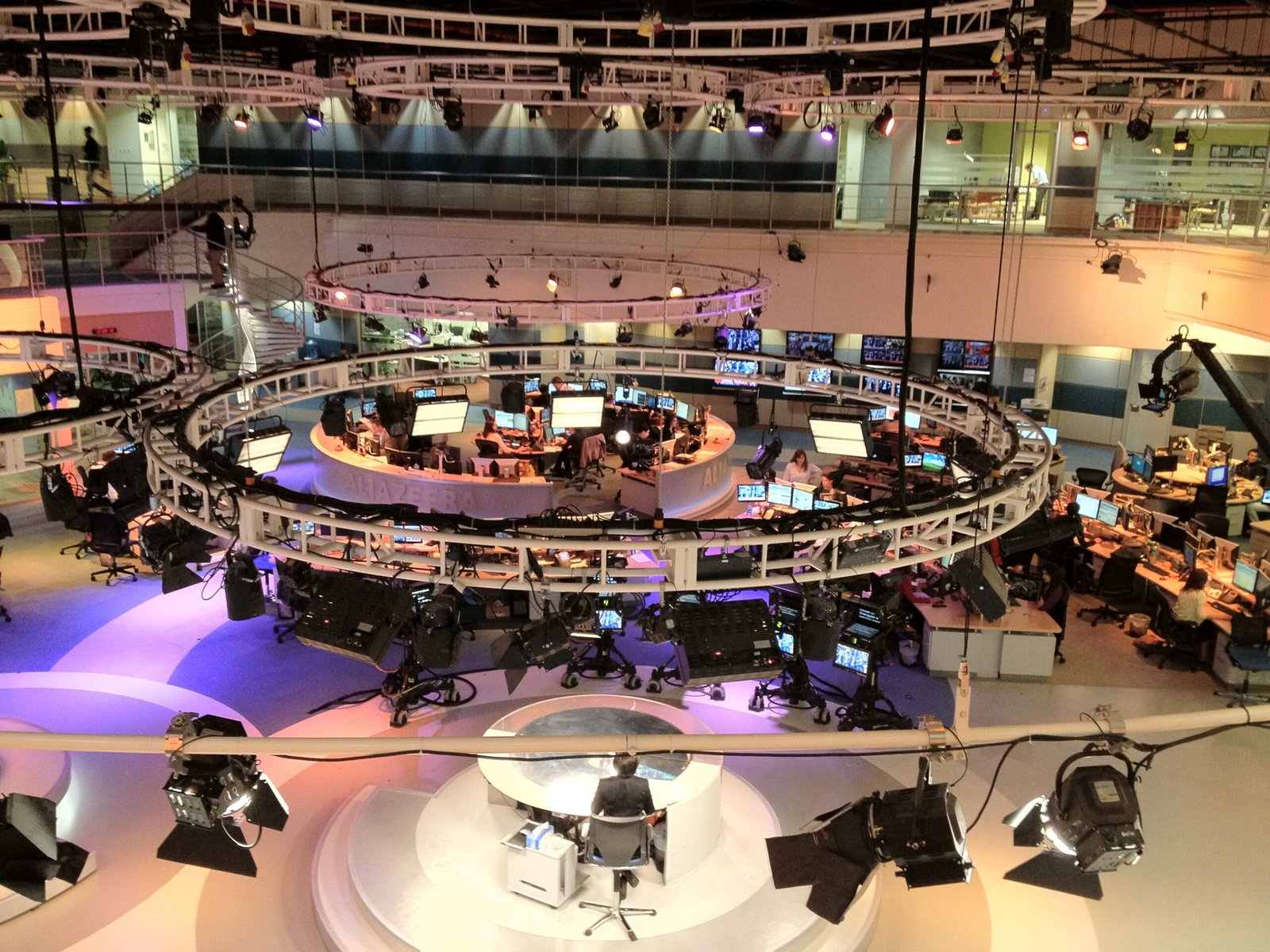
The corridor will operate through four pillars: media cooperation; business and enterprise; think tanks; and culture, tourism and youth. Each pillar brings together institutions from both countries rather than relying on a single channel, and a formal secretariat has been established to support the exchange of information, ideas and perspectives.
The breadth is deliberate. Earlier cooperation between Pakistani and Chinese news agencies, broadcasters and film organisations — covering news exchange, content sharing and joint productions — already exists, and the corridor builds on those agreements. What is new is the single coordinated framework: media, business, research and culture working under one umbrella, with the stated aim of giving people in both countries accurate, timely and credible information about the partnership. For the latest background on the wider relationship, see our China news hub.
Media and fact-checking: the 18-organisation news exchange

The media pillar is the most detailed part of the announcement so far. Under it, a news exchange working group comprising 18 Pakistani and Chinese media organisations is sharing verified news about bilateral cooperation. The participating organisations include state broadcasters, private television channels and Chinese media organisations such as Xinhua, China Media Group and People’s Daily.
A dedicated fact-checking mechanism is also planned as part of the initiative, to track misleading narratives and respond to them with concrete facts. That is the part of the corridor most likely to affect ordinary readers: instead of competing claims circulating unchecked, the two sides say they will publish verified information about their cooperation through the working group.
Mao Ning underlined why the two sides see this as necessary. She said fake news and misinformation are major challenges in today’s information environment, and that the corridor would help both sides respond jointly with accurate, timely and reliable information. She also said the corridor’s four pillars would help tell more and better stories about China-Pakistan cooperation, so that more people understand and support the friendship between the two countries.
Business, research and culture: Karachi office, trade portal and youth
The business and enterprise pillar aims to encourage commercial partnerships, trade and investment. Tarar announced that the first regional office under the corridor’s trade pillar has been established in Karachi. Plans also include a trade portal to track trade, investment and foreign direct investment, alongside a podcast series featuring Chinese entrepreneurs in Pakistan and Pakistani entrepreneurs in China.
The think-tank pillar will facilitate joint research, dialogue and publications, bringing scholars and policy researchers from both countries into closer contact. The culture, tourism and youth pillar covers cultural exchange, tourism links and youth engagement — the people-to-people side of the corridor, from performances at the launch itself to future exchanges.
That business angle connects with a wider pattern already visible in Pakistan: Chinese companies are expanding their presence here, from technology to automobiles. Readers following that trend may also want to read about the recent Geely Pakistan launch, which brought three new models to the local market through Bestway Group.
Why now: 75 years, CPEC 2.0 and the fight against misinformation

Three things explain why the corridor has been launched now. First, the 75th anniversary of diplomatic relations gives both sides a natural moment to add a new layer to the relationship. Second, CPEC has entered a second phase focused less on headline infrastructure and more on industrial cooperation, livelihoods and public engagement — and an information corridor fits that shift. Third, misinformation has become a shared concern for both governments, and a joint fact-checking and news-exchange framework is their answer to it.
Mao Ning captured the ambition with a comparison to one of the most famous symbols of the relationship: just as the Karakoram Highway physically linked the two countries, she said, the corridor is part of building a digital highway between them. Jiang Zaidong expressed confidence that the corridor would support public understanding, advance CPEC 2.0 cooperation and encourage greater mutual learning.
Tarar, meanwhile, framed the corridor as a responsibility as much as an opportunity. Generations in both countries have passed down stories of mutual support and goodwill, he said, and the current generation has a responsibility to carry that legacy forward. The corridor, in his telling, is how that story gets told accurately to the next generation.
What happens next will be the real test. The announcements so far cover the framework, the working group and the first regional office, but the corridor’s value will depend on what it actually publishes: verified news that readers can check, research that informs policy, and business and cultural exchanges that go beyond ceremonies. Islamabad has hosted major international technology and diplomacy gatherings before — including the recent SUPARCO-UN space conference — and the corridor will be judged the same way: not by its launch, but by what it delivers in the months that follow.
Related Posts
 TechnologyRedmi K100 Launched in China: 10,000mAh Battery, Snapdragon 8 Elite and Prices From CNY 3,499
 TechnologyPM Youth Chromebook Scheme 2026: 500,000 Chromebooks Launched — Who Can Apply and How to Apply Online
 TechnologySUPARCO Opens UN Space Conference in Islamabad: Early Warning, Climate Action and Disaster Risk Assessment
 TechnologyApple’s New M6 MacBook Pro and iMac Are Here: Specs, Prices and 6 November Release Date
 TechnologyChrome’s emSign Root Removal Lands Today: What Pakistani Websites and Users Must Do
 TechnologyApple’s New OLED iPad Mini Is Here: A20 Pro Power, 8.5-Inch Display and a $699 Price Tag
Most Popular
 SportsBallon d’Or 2026: London Ceremony, Nominees and All-Time Records Ahead of 70th Anniversary290 views
 How-ToPTA Tax Calculator 2026: Check Mobile Tax on Any Phone290 views
 TechnologyRedmi K100 Launching on 28 October: 10,000mAh Battery, 185Hz Display and Full Specs267 views
 SportsUEFA Champions League 2026-27: Format, Teams and Schedule267 views
 TechnologyAround 20 Pakistani Tech Companies Showcase Innovation at TechCrunch Disrupt 2026 in San Francisco262 views
 Canada JobsTech Jobs in Canada: Roles, Salaries, and Skills Needed258 views