
Hundreds of young developers filled the Pak-China Friendship Centre in Islamabad on Saturday, 24 October 2026, for the grand finale of the Alibaba Cloud AI Hackathon Pakistan. After months of regional rounds, 749 finalists presented 300 working artificial intelligence projects, closing what organisers describe as the largest AI competition ever held in the country.
The headline number is the scale of the starting pool. More than 16,000 applications came in from across Pakistan for the Alibaba Cloud AI Hackathon Pakistan. That figure is not a count of finished products or of teams that reached the final. It is the size of the funnel: thousands of students and young developers who wanted a place in the competition, from which regional rounds in Karachi, Lahore and Islamabad selected the projects that reached the capital.
The finale in numbers
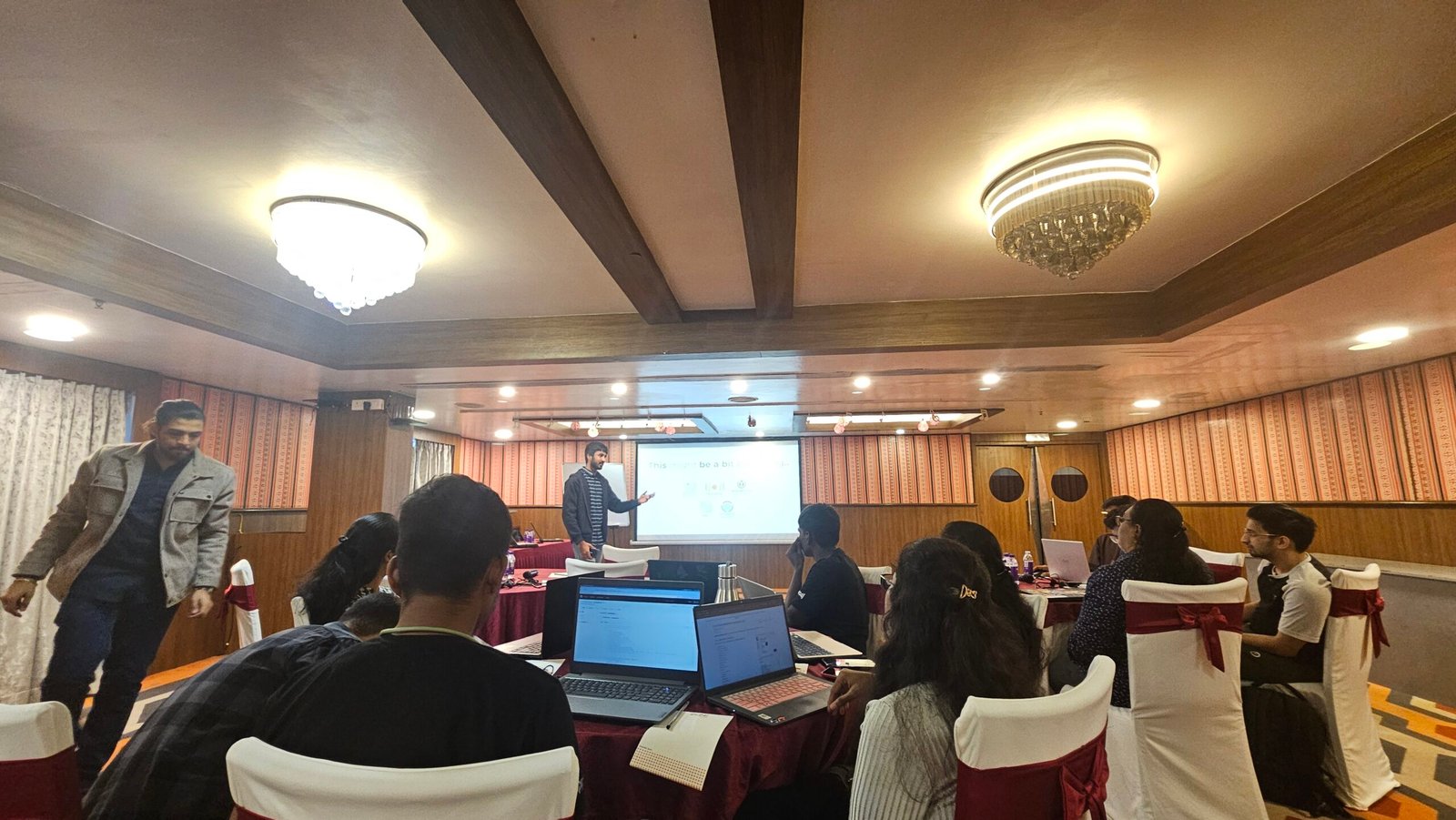
The grand finale of the Alibaba Cloud AI Hackathon Pakistan ran from 9 a.m. to 9 p.m. on 24 October. The 749 finalists who reached that stage brought 300 AI projects with them, after qualifying through the three regional rounds.
The Karachi round alone shows how competitive the early stages were. There, 430 shortlisted teams presented and demonstrated their solutions before judging panels drawn from technology, banking, health care, industry and academia. Teams that survived that stage, and the later rounds in Lahore and Islamabad, earned their place in the capital.
Diplomatic representatives, senior company executives, government officials and IT experts attended the finale, alongside the young developers themselves. The chief guest urged young Pakistanis to build expertise in artificial intelligence and emerging technologies, while warning that technology without accountability can become a tool of exploitation.
Six categories built for Pakistan’s real problems

Finalists in the Alibaba Cloud AI Hackathon Pakistan competed in six categories: smart agriculture, health care, education, financial inclusion, Urdu and regional language technology, and open innovation. None of these categories is about technology for its own sake. Each one maps to a gap that is easy to recognise in Pakistan.
Smart agriculture speaks to a sector that still employs a large share of the workforce but struggles with water, weather and market information. Health care and education point to services where distance, cost and staff shortages leave millions underserved. Financial inclusion addresses the many Pakistanis who still operate outside the formal banking system.
The Urdu and regional language category may prove the most important of all. Very few AI tools work well in Urdu, let alone in Pakistan’s other languages. A home-grown tool that understands local languages properly would open up education, government services and digital business to people who are currently shut out by language.
From regional rounds to Islamabad
The Alibaba Cloud AI Hackathon Pakistan was organised by Alibaba Cloud together with Alkhidmat Foundation Pakistan, through its Bano Qabil programme, with Cognix Solutions acting as Alibaba Cloud’s authorised partner in Pakistan. It was built as a full pipeline rather than a single weekend event.
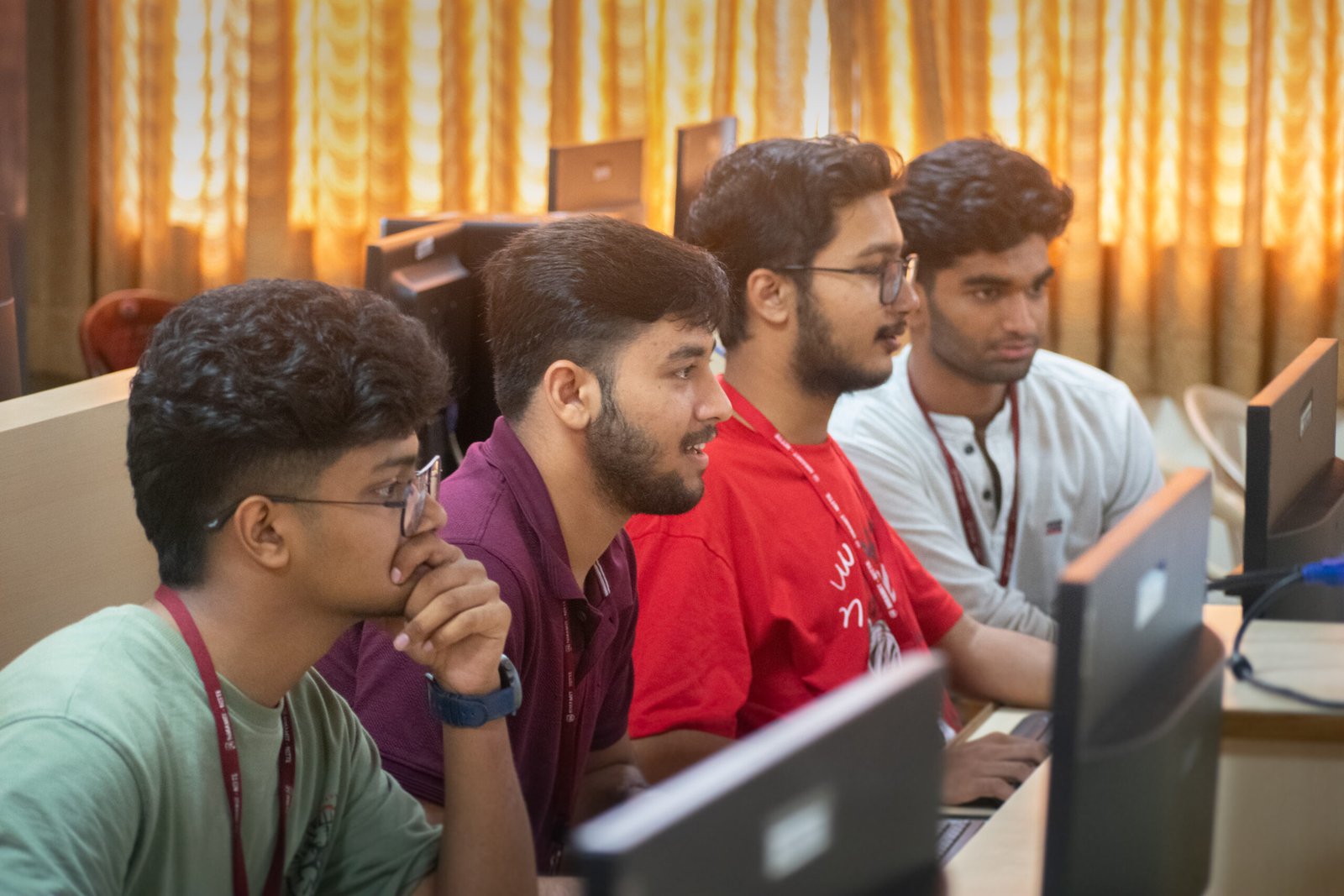
Participants received structured training, mentorship and access to AI development tools, including cloud resources, before they presented their work. The emphasis was on working products rather than slide decks. A team had to show something that ran, not just describe something that might one day run. A student who builds, tests and defends a working product leaves with skills, contacts and something to show a future employer or investor.
From users to builders

The message repeated by the organisers of the Alibaba Cloud AI Hackathon Pakistan was simple: Pakistan’s young people should move from being users of AI technology to builders of it. Millions of Pakistanis already use AI tools every day, whether for study, work or entertainment. Far fewer have built one, trained one on local data, or turned one into a business.
Closing that gap takes access to computing power, to mentors who have shipped real products, and to a network that can open doors after the competition ends. The hackathon offered all three in limited form: cloud credits and tools during the competition, expert panels at each stage, and exposure to industry leaders at the finale. One event, however large, does not create an AI industry on its own. What it can do is identify talent, give that talent a first serious test, and connect the strongest teams to people who can fund or hire them.
Beyond one weekend: training centres and a 500,000-person skills target

The finale is part of a wider partnership, not a one-off event. Alibaba Cloud and Alkhidmat Foundation have agreed to establish dedicated Alibaba Cloud Training Centres in Pakistan under the Bano Qabil platform, one at the Bano Qabil Incubation Center in Karachi and one at the Bano Qabil Innovation Center in Lahore. Those centres are intended to deliver Alibaba Cloud’s AI and cloud computing curriculum, giving participants a route to internationally recognised professional certification.
There is also a much larger ambition in the background. Reports from the partnership describe a planned nationwide AI and cloud skills programme targeting 500,000 people, including developers, students and public sector employees, through training and certification, in collaboration involving Ignite, the National Technology Fund. That target should be read as a plan, not an achievement. If it is delivered, it would be one of the largest skills efforts in the country’s technology history. The partnership also plans recurring hackathons under the theme of AI for Pakistan’s future, run on a non-commercial basis, which lowers the barrier for students and young developers from lower-income backgrounds.
What finalists get next, and what to watch
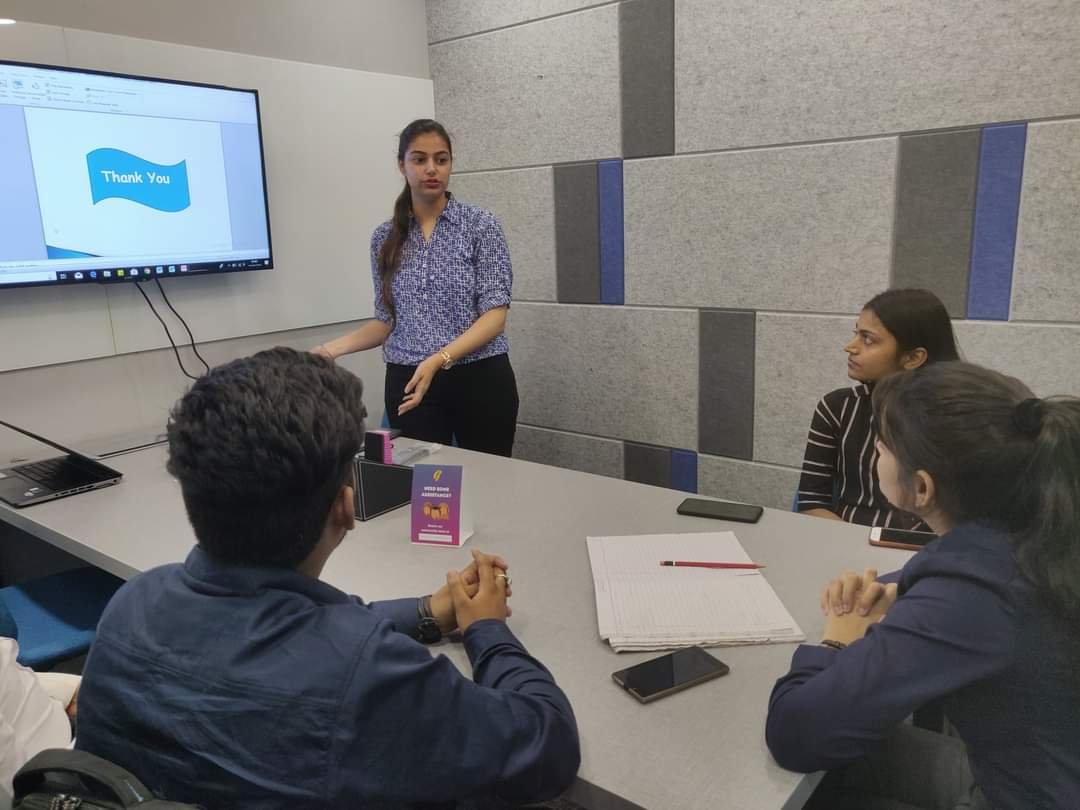
Selected teams from the Alibaba Cloud AI Hackathon Pakistan will be showcased to investors, industry leaders and international technology partners, with pathways to commercialisation, partnerships and global exposure. Top-performing teams are also in line for cash prizes and Alibaba Cloud credits to build and deploy future applications.
Three things are worth watching. First, how many finalist projects survive beyond the finale and become products, startups or features inside existing companies. Second, whether the promised training centres in Karachi and Lahore open on schedule and reach students beyond the already-connected few. Third, whether the Urdu and regional language projects, arguably the most distinctive part of the competition, get the data, funding and institutional support they need to work in the real world.
Pakistan’s technology story in recent years has been one of strong export numbers alongside persistent gaps in skills, products and local-language tools. The hackathon finale shows there is supply of talent, too, in remarkable numbers. For readers following Pakistan’s AI push, the finale sits alongside the government’s wider AI agenda, including its push to expand AI training for young people. Those national plans will only work if there are trained people to carry them out. On the evidence of 24 October, there are plenty of candidates.
Related Posts
 TechnologyPhantom Blade Zero Reviews Hit 88 on Metacritic Ahead of 29 October Launch
 TechnologyPakistan’s National CERT Issues High Alert Over WhatsApp Web Attacks Targeting Officials
 TechnologySmartphone Prices in Pakistan Jump by Up to Rs 30,000 as Chip Costs Bite
 TechnologyElon Musk’s AI Odyssey Arrives as a 7-Minute Episode, Not the Film He Promised
 TechnologyVivo Y32 Arrives in Pakistan With a Huge 8000mAh Battery and Pre-Orders Open This Week
 TechnologyOnePlus Ace 7 Pro: Launch Date, Built-In Cooling Fan, Specs and Expected Price in Pakistan
Most Popular
 SportsBallon d’Or 2026: London Ceremony, Nominees and All-Time Records Ahead of 70th Anniversary278 views
 How-ToPTA Tax Calculator 2026: Check Mobile Tax on Any Phone277 views
 TechnologyAround 20 Pakistani Tech Companies Showcase Innovation at TechCrunch Disrupt 2026 in San Francisco256 views
 TechnologyRedmi K100 Launching on 28 October: 10,000mAh Battery, 185Hz Display and Full Specs249 views
 SportsUEFA Champions League 2026-27: Format, Teams and Schedule247 views
 Canada JobsTech Jobs in Canada: Roles, Salaries, and Skills Needed245 views




One comment