A basic smartphone in Pakistan has quietly become a much bigger purchase. According to a report published by Dawn on 26 October 2026, handset prices in Karachi have risen by between Rs 15,000 and Rs 30,000, pushing even entry-level phones out of reach for many low- and middle-income households. For families who were already stretching every rupee, the increase is not a minor price adjustment. It is the difference between buying a new phone and going without one.
The sharpest pain is at the bottom of the market. A basic smartphone with 4GB of RAM and 64GB of storage, which previously sold for around Rs 20,000 to Rs 22,000, is now being offered for approximately Rs 35,000 to Rs 40,000 in several Karachi markets. That is a jump of roughly two-thirds on the cheapest way into the smartphone world, and it has arrived at a time when a phone is no longer a luxury. It is how people study, work, bank, travel and stay in touch with government services.
What has actually changed in the shops

Dealers in Karachi report weaker sales and a market full of uncertainty. Shoppers in Saddar, Buffer Zone and North Karachi have described the same experience: the model they wanted a few months ago now costs far more, and the cheaper alternatives on the shelf do not feel like good value either. One buyer told Dawn that a phone which cost around Rs 22,000 to Rs 23,000 in August had risen to approximately Rs 30,000, and then climbed again in October.
Those individual stories match the wider pattern reported across the city’s mobile markets. At Sareena Mobile Market in Buffer Zone, one shopper said the government talks about a digital Pakistan while the device needed to access its services keeps getting more expensive. At Abdullah Mobile Market in North Karachi, a young man whose phone had been snatched the previous night said he could not find a decent handset for Rs 25,000 to Rs 30,000 and may have to settle for a used phone or a basic keypad handset instead.
It is important to be precise about what these figures mean. They are reported retail-market observations from Karachi, not a fixed national price list. Actual prices vary by brand, model, seller, stock and city, and a premium phone will have moved by a different amount than a budget one. But the direction is consistent, and the size of the move at the budget end is what makes this story matter.
Why chips and memory are behind the rise
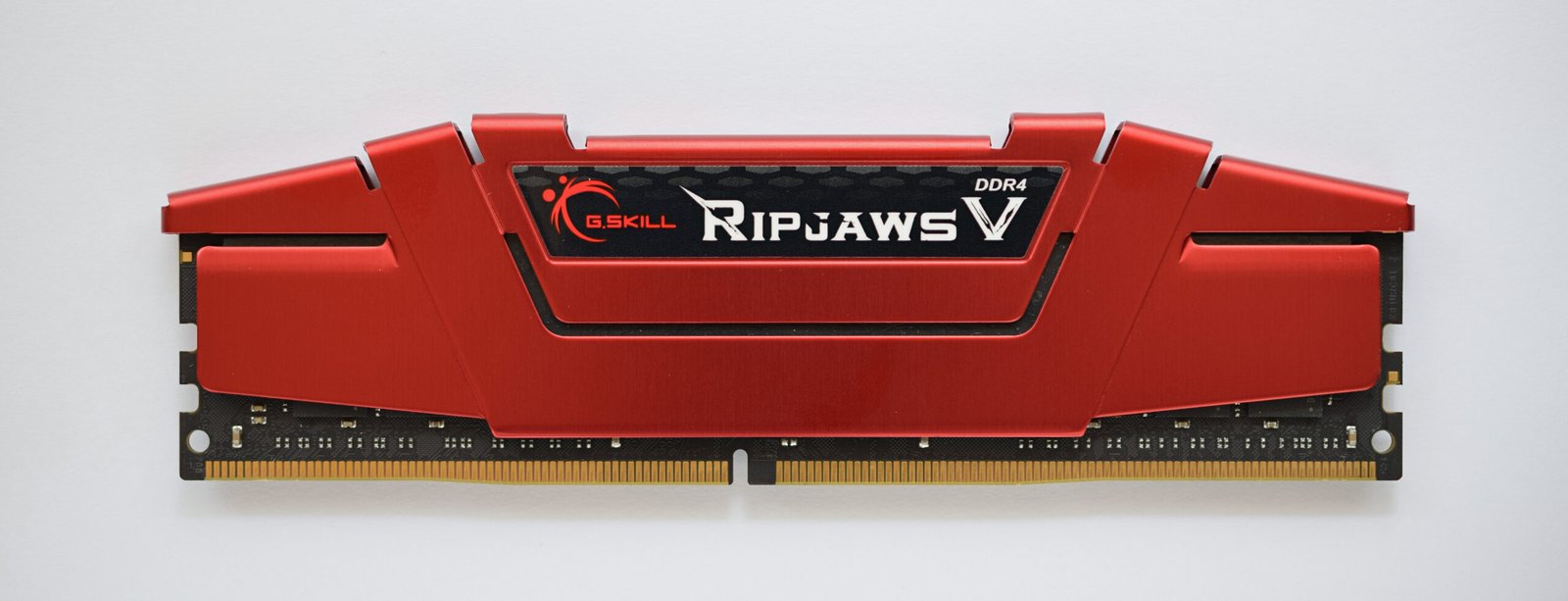
Industry representatives quoted in the report point to one main cause: the rising cost of chips and memory components, rather than a significant increase in government taxes. Muhammad Rizwan Irfan, president of the Karachi Electronics Dealers Association, told Dawn that higher chip costs were a major factor behind the changing prices. Mian Abdul Rehman, a representative of the Pakistan Mobile Phone Manufacturers Association, linked the increase to rising prices of RAM and ROM components.
The reason memory is getting more expensive starts far from any Karachi shop floor. Artificial intelligence companies, robotics firms and data centres are buying huge quantities of memory, and production has not expanded at the same pace. As demand from AI infrastructure grows, the supply of memory available for phones tightens, and manufacturers face higher component costs. Some of those costs are now being passed on to buyers in the form of higher retail prices.
That explanation comes with a caveat worth stating plainly. The exact contribution of global component prices, supply conditions, import costs and other expenses to the latest retail increases has not been independently quantified. Chip and memory costs are the cause dealers and manufacturers identify, but shoppers should not treat any single figure as a complete breakdown of why their chosen phone costs what it does.
Why budget buyers feel it most

A Rs 15,000 increase hurts differently depending on who pays it. For a buyer choosing a premium phone, it is an unwelcome extra. For a buyer choosing the cheapest usable smartphone, it can be the whole budget. Budget buyers generally have the least room to absorb a sudden increase, and they are also the people most likely to need a phone for essential tasks rather than entertainment.
The maths is stark. A household managing a fixed salary and rising living costs may have saved Rs 22,000 for a phone. Finding that the same class of device now costs Rs 35,000 or more does not just delay the purchase by a week or two. It can delay it for months, or force a choice between a phone and something else the household needs. One working woman shopping in Saddar told Dawn she had to use her savings to buy a phone, a reminder that for many people this is not a discretionary upgrade but a forced expense.
Dealers feel the squeeze from the other side. When prices rise this quickly, customers postpone purchases, haggle harder or walk away. Some shops report quieter trading, and a market where nobody is sure what next month’s price will be is a difficult market for sellers and buyers alike.
What it means for work, study and banking
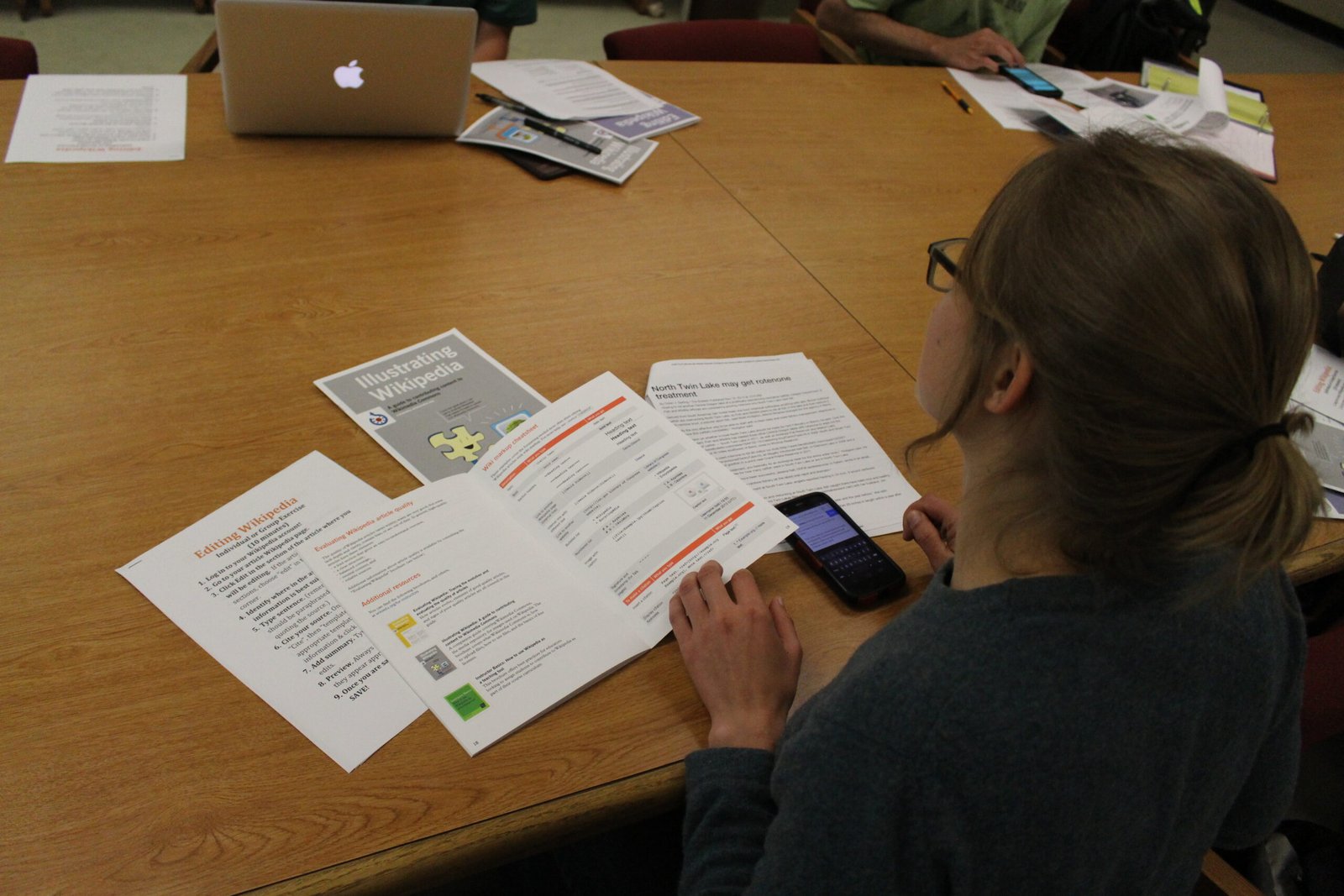
The reason this price rise matters beyond the phone shops is that smartphones have become the gateway to everyday life in Pakistan. Students use them to reach online learning materials. Workers rely on them for communication, navigation and finding work. Digital banking, ride-hailing and many government services now assume the user has a compatible device with internet access.
When the cheapest usable phone gets much more expensive, access to all of those services gets more expensive too. A student who cannot afford a replacement phone may fall behind on coursework. A delivery rider or driver who cannot afford a working handset may lose income. A family that cannot afford a phone with enough storage and memory for banking and government apps may be pushed back towards cash and in-person queues.
None of this means every Pakistani needs the newest phone. A modest, well-chosen budget device is enough for most essential apps. But the floor has moved. The cheapest phone that can comfortably run today’s essential apps now costs substantially more than it did a few months ago, and that higher floor is a barrier for exactly the households least able to climb over it.
New, used or keypad: the choices buyers now face

Faced with higher new-phone prices, many shoppers are weighing three imperfect options. The first is to wait, hoping prices ease or a promotion brings a chosen model back within budget. Waiting costs nothing upfront, but it leaves the buyer without a working phone in the meantime, and there is no guarantee prices will fall soon if memory costs stay high.
The second option is a used or refurbished phone. This can deliver a better specification for the same money, and dealers say more customers are asking about second-hand devices. The risks, however, are real: battery condition, previous repairs, device registration and long-term reliability are all harder to verify on a used handset, and a cheap used phone that fails quickly can end up costing more than a modest new one.
The third option is a basic keypad phone. It makes calls and sends texts reliably and cheaply, but it cannot run the apps that modern life increasingly requires. For someone who only needs to stay reachable, it is a sensible fallback. For a student, a worker or anyone who banks on their phone, it is a step backwards. The fact that shoppers are seriously considering all three options shows how far the market has shifted.
What could bring prices back down

Buyers interviewed by Dawn urged the government to explore measures that would keep basic smartphones within reach of ordinary citizens. One idea raised was a partnership between the government and manufacturers to supply affordable handsets with specifications good enough for essential applications. Any such programme would need clear eligibility rules, transparent pricing and a realistic assessment of production, import and distribution costs, and it would need to ensure the resulting phones remain genuinely usable rather than cheap in name only.
Short of a dedicated programme, the most likely relief would come from the same place as the pressure: the memory market. If memory supply catches up with demand from AI companies and data centres, component costs could ease, and some of that relief could reach retail prices. That is a hope, not a forecast, and it depends on global supply chains that Pakistan does not control.
For now, the practical advice for buyers is unglamorous but useful. Check prices across several shops before committing, because reported prices vary. Be wary of a used phone without a way to verify its condition and registration. And do not stretch for a premium model when a modest new phone will run the apps you actually use. The market may settle, but until it does, the smartest purchase is the cheapest phone that genuinely does the job, bought with eyes open about what it costs and why.
Related Posts
 TechnologyOpenAI Launches GPT-6.1 Terra at Half the Price for Faster Computer Work
 TechnologyPhantom Blade Zero Reviews Hit 88 on Metacritic Ahead of 29 October Launch
 TechnologyPakistan’s National CERT Issues High Alert Over WhatsApp Web Attacks Targeting Officials
 TechnologyElon Musk’s AI Odyssey Arrives as a 7-Minute Episode, Not the Film He Promised
 TechnologyPakistan’s Largest AI Hackathon Ends in Islamabad: 16,000 Applications, 300 Projects and What Comes Next
 TechnologyVivo Y32 Arrives in Pakistan With a Huge 8000mAh Battery and Pre-Orders Open This Week
Most Popular
 SportsBallon d’Or 2026: London Ceremony, Nominees and All-Time Records Ahead of 70th Anniversary279 views
 How-ToPTA Tax Calculator 2026: Check Mobile Tax on Any Phone277 views
 TechnologyAround 20 Pakistani Tech Companies Showcase Innovation at TechCrunch Disrupt 2026 in San Francisco256 views
 TechnologyRedmi K100 Launching on 28 October: 10,000mAh Battery, 185Hz Display and Full Specs250 views
 SportsUEFA Champions League 2026-27: Format, Teams and Schedule248 views
 Canada JobsTech Jobs in Canada: Roles, Salaries, and Skills Needed245 views