OpenAI has launched GPT-6.1 Terra, a new mid-tier artificial intelligence model built for everyday computer work, at half the standard API price of the model it replaces. The launch, announced on 26 October 2026, is the reason GPT-6.1 is trending in Pakistan today: it is not a new chatbot for everyone, but a cheaper, faster workhorse for people and businesses that use AI to get through office tasks, code and documents.
GPT-6.1 Terra sits in the middle of OpenAI’s current line-up. It is more capable than the entry-level Luna models and less powerful — and less expensive — than the top-tier Sol and Astra models. OpenAI’s pitch is simple: for the large amount of work that does not need its biggest model, GPT-6.1 Terra should be fast enough, accurate enough and considerably cheaper to run.
That pitch matters in Pakistan as much as anywhere else. Software houses, freelancers and small businesses that build AI features into their products pay per token — per chunk of text the model reads and writes. A 50 percent price cut on a model they use thousands of times a day changes the maths of what they can afford to automate. It also matters for individual users on paid plans, whose usage allowance now stretches further in the tools where GPT-6.1 Terra is available.
What OpenAI actually launched

GPT-6.1 Terra is the successor to GPT-5.6 Terra. OpenAI describes it as a fast and efficient model that combines detailed visual reasoning and precise computer use alongside clearer, more natural writing. In plain terms, it is designed to look at what is on a screen, understand it, and then act on it — filling in a form, working inside a spreadsheet, drafting a proposal, reading a technical drawing or editing a video.
The name needs a little unpacking. OpenAI’s model families now run, from cheapest to most capable, Luna, Terra, Sol and Astra. GPT-6.1 Terra is the new middle tier in that family. It follows GPT-6.1 Sol, announced in late September 2026, and GPT-6 Pro, which appeared in mid-October. The version number therefore signals an update within the GPT-6 generation, not a brand-new generation of its own.
OpenAI announced GPT-6.1 Terra on 26 October 2026 and made it available the same day through its API, under the model name gpt-6.1-terra, and in two of its products, ChatGPT Work and Codex. Readers who want the wider picture of OpenAI’s chatbot can start with our ChatGPT 2026 guide. Amazon Web Services also announced on the same day that GPT-6.1 Terra is generally available through Amazon Bedrock, its cloud AI platform, giving businesses another route to use the model without dealing with OpenAI directly.
Half the price — and what that price is

The headline figure is the price cut. OpenAI says GPT-6.1 Terra’s standard API prices are 50 percent lower than those of GPT-5.6 Terra and GPT-6.1 Sol. For developers, the published standard rates are 1 dollar per million input tokens and 5 dollars per million output tokens, with cached input — text the model has already seen and can reuse — at 0.05 dollars per million tokens.
To put that in context, a million input tokens is roughly 750,000 words of text going into the model. A business that processes invoices, support tickets or documents in bulk therefore pays for volume, and halving the per-token rate halves one of its largest AI bills, provided the cheaper model handles the work well enough. OpenAI makes the same point in reverse for paid ChatGPT users: in ChatGPT Work and Codex, a user’s usage allowance goes further with GPT-6.1 Terra than it did with GPT-5.6 Terra, and further still than with the larger Sol and Astra models.
There is an important limit to the price claim. The 50 percent cut applies to standard API prices — the rates developers pay to build GPT-6.1 Terra into their own applications. It is not a cut to ChatGPT subscription prices, and it does not make GPT-6.1 Terra free — our ChatGPT features and pricing guide explains how the paid tiers are structured.
Faster computer use, not just cheaper chat

GPT-6.1 Terra is not mainly a chatting model. Its headline skill is computer use: the ability to see a screen, click through applications and complete multi-step tasks the way a person would. OpenAI’s own example is high-volume office work — reading incoming invoices and typing the details into accounting software. Other examples it gives include drafting proposals, interpreting technical drawings, filling out forms and editing videos.
Speed is part of the claim. OpenAI says GPT-6.1 Terra finishes computer-based tasks more than three times faster on average than both GPT-6 Astra and GPT-6.1 Sol. That sounds surprising for a smaller model, but it follows a familiar pattern: a lighter model that is good enough for a task will often finish it sooner than a much larger model that thinks longer before answering. For businesses running thousands of routine tasks, that speed difference is worth almost as much as the price difference.
Coding is the other area OpenAI highlights. GPT-6.1 Terra is aimed at everyday coding work inside Codex, OpenAI’s coding tool, including investigating a codebase and building agents that work across business systems. OpenAI is clear, however, that for the most complex coding work, GPT-6.1 Sol and GPT-6 Astra remain the better choice. GPT-6.1 Terra is the everyday option, not the flagship.
What the benchmarks say — and what they do not prove
As with every model launch, OpenAI has published benchmark scores, and they should be read with that in mind: they are the vendor’s own results, not independent tests. On Agents’ Last Exam, a test of how well AI agents complete professional computer tasks, OpenAI says GPT-6.1 Terra scored 15 percentage points higher than GPT-5.6 Terra at medium reasoning effort, while costing about one-third as much per task. It also says GPT-6.1 Terra matches GPT-6 Astra on that test at one-tenth of Astra’s price per token.
On visual reasoning, GPT-6.1 Terra came close to both GPT-6.1 Sol and GPT-6 Astra on the MMMU-Pro test, according to OpenAI. On coding, it scored 50.3 percent on Terminal-Bench 4.0 at maximum reasoning effort, compared with 21.5 percent for GPT-5.6 Terra — more than double the previous model’s score on tasks run through a computer’s command line.
Perhaps the most striking figure concerns factual errors. On an internal OpenAI test built from prompts designed to trick models into mistakes, the factual-error rate at low reasoning effort fell from 53.6 percent for GPT-5.6 Terra to 16.7 percent for GPT-6.1 Terra. At maximum effort, OpenAI says the rate fell to 4.3 percent, close to the larger models. These are internal tests, and independent reviewers have not yet published their own GPT-6.1 Terra results, so the honest summary is that OpenAI’s own numbers show a large improvement — and that outside verification is still to come.
Where you can use GPT-6.1 Terra — and where you cannot
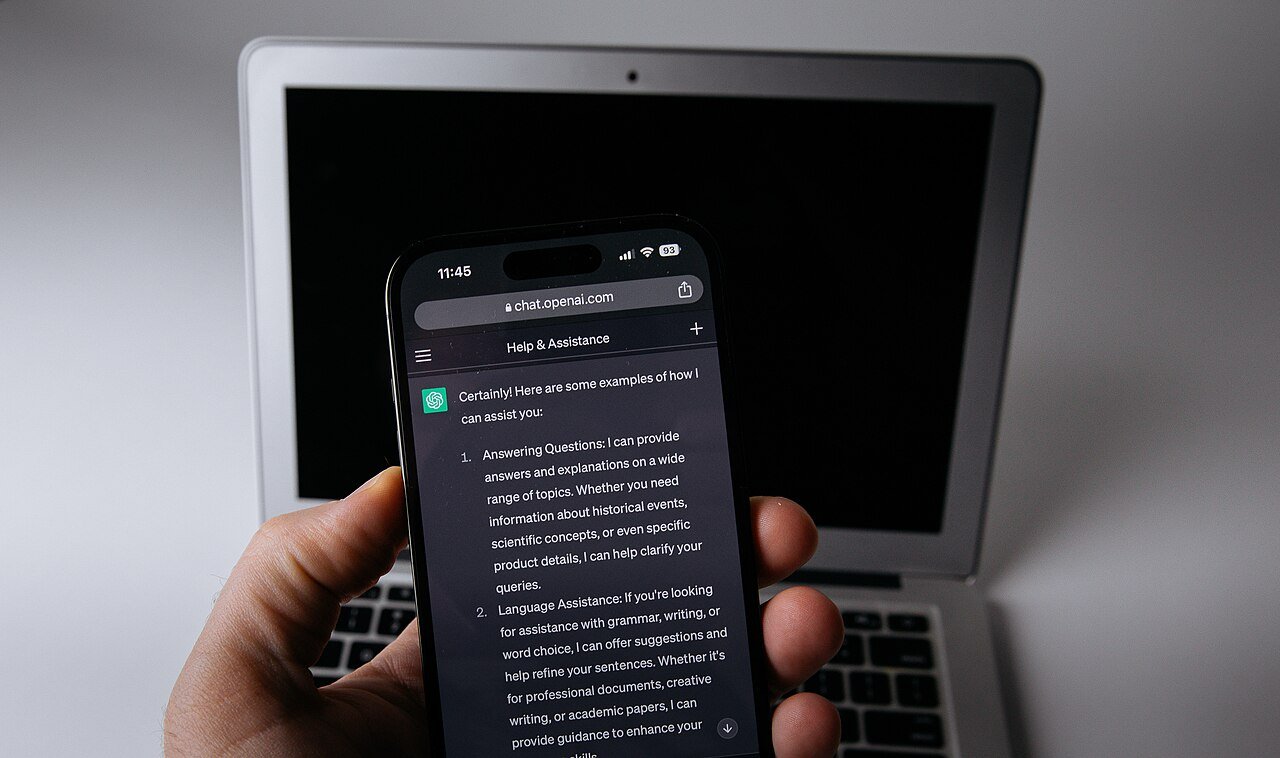
This is the detail that trips up most people searching for GPT-6.1 today. GPT-6.1 Terra is not available in regular Chat — the default ChatGPT screen most people use every day. OpenAI says plainly that the model is rolling out in ChatGPT Work and Codex for Plus, Pro, Enterprise and Edu users, and through the API for developers. If you open ordinary Chat and look for GPT-6.1 Terra in the model picker, you will not find it, because it was not put there.
ChatGPT Work is OpenAI’s agent mode inside ChatGPT, designed for work that is more complex than a single question: it can work across a user’s apps and files, spend longer on a project, and produce sheets, slides, documents and web apps. Codex is OpenAI’s coding tool, where developers can select the model or run it from the command line. In both products, access depends on plan, region, workspace settings and rollout progress, so availability may vary from user to user during the first days of the rollout.
There are two further practical limits worth knowing. First, GPT-6.1 Terra accepts text and image input and produces text; it does not natively support audio or video as input or output in the way some other models do. Second, its context window — the amount of material it can take into account at once — is about one million tokens, roughly 750,000 words, which is large for document work but not unlimited. Prompts above a certain size are charged at higher rates under OpenAI’s API pricing, so very large jobs cost more per token than the headline rate suggests.
What GPT-6.1 Terra means for Pakistani developers and businesses
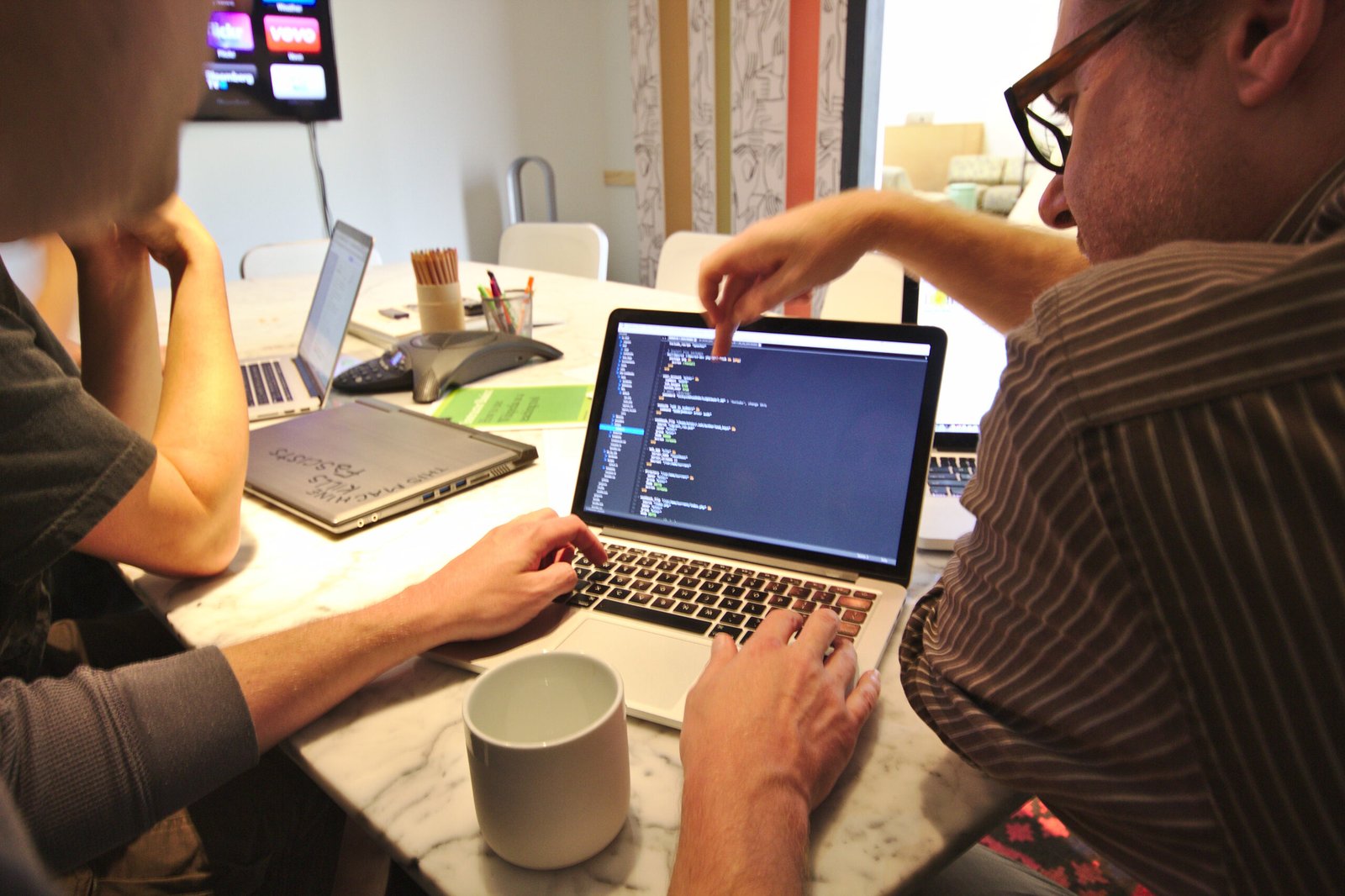
For Pakistan’s software industry, the most direct effect is cost. A Karachi or Lahore software house that builds invoice processing, customer-support automation or document handling for clients can now run those workloads on a model that OpenAI says is both cheaper and more accurate than its predecessor. If the independent tests confirm even part of OpenAI’s claims, the practical result is that automation projects which were too expensive to run at scale become viable, particularly for small and medium businesses that could not justify the larger models’ prices.
For freelancers and small teams, the effect is subtler but real. GPT-6.1 Terra in ChatGPT Work and Codex means a paid-plan user can hand the model longer, more repetitive jobs — and OpenAI’s recent expansion of ChatGPT advertising, covered in our ChatGPT ads in Pakistan report, shows how fast its paid products are changing — and get further on the same allowance. That is useful, but it is not a free upgrade: it still requires a Plus, Pro, Enterprise or Edu plan, and the model still sits behind the Work and Codex products rather than ordinary Chat.
The wider lesson of GPT-6.1 Terra is about where AI pricing is heading. OpenAI is no longer selling a single flagship model for everything. It is selling a range — Luna for the cheapest work, Terra for everyday computer tasks, Sol and Astra for the hardest problems — and competing on the cost of each job, not just on raw capability. For buyers in Pakistan, that means the right question is no longer simply which model is smartest, but which model is good enough for a particular job at the lowest cost. On OpenAI’s own numbers, GPT-6.1 Terra is its current answer to that question for everyday work. The market will now test whether that answer holds up.
Related Posts
 TechnologyPhantom Blade Zero Reviews Hit 88 on Metacritic Ahead of 29 October Launch
 TechnologyPakistan’s National CERT Issues High Alert Over WhatsApp Web Attacks Targeting Officials
 TechnologySmartphone Prices in Pakistan Jump by Up to Rs 30,000 as Chip Costs Bite
 TechnologyElon Musk’s AI Odyssey Arrives as a 7-Minute Episode, Not the Film He Promised
 TechnologyPakistan’s Largest AI Hackathon Ends in Islamabad: 16,000 Applications, 300 Projects and What Comes Next
 TechnologyVivo Y32 Arrives in Pakistan With a Huge 8000mAh Battery and Pre-Orders Open This Week
Most Popular
 SportsBallon d’Or 2026: London Ceremony, Nominees and All-Time Records Ahead of 70th Anniversary278 views
 How-ToPTA Tax Calculator 2026: Check Mobile Tax on Any Phone277 views
 TechnologyAround 20 Pakistani Tech Companies Showcase Innovation at TechCrunch Disrupt 2026 in San Francisco256 views
 TechnologyRedmi K100 Launching on 28 October: 10,000mAh Battery, 185Hz Display and Full Specs249 views
 SportsUEFA Champions League 2026-27: Format, Teams and Schedule247 views
 Canada JobsTech Jobs in Canada: Roles, Salaries, and Skills Needed245 views