Nestlé Pakistan has won two sustainability awards for its work on regenerative agriculture, recognised at the 29th Sustainable Development Conference (SDC) and Sustainability Investment Expo (SIE) held in Islamabad. The awards honour the company’s efforts to promote climate-smart farming, strengthen food systems and cut the environmental footprint of its operations across Pakistan.
The recognition came as the company co-hosted a high-level session on how artificial intelligence can transform farming in Pakistan — a sign of how quickly AI has moved from the technology pages into the fields.
Two awards for regenerative farming

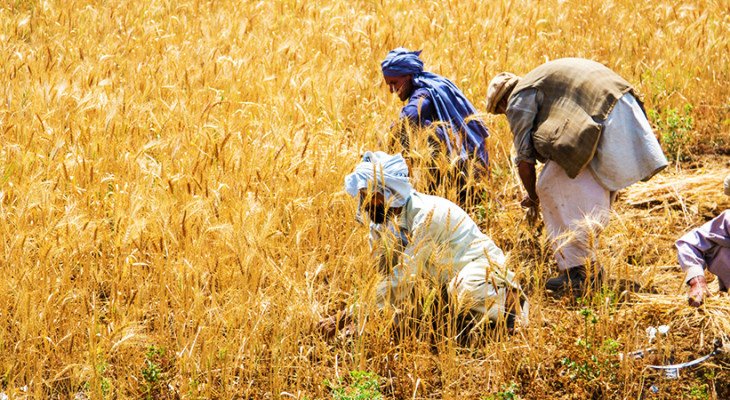
The two awards were presented during the Islamabad conference, where Nestlé Pakistan joined industry leaders, development partners and academics to discuss how technology and innovation could reshape the country’s agriculture and food systems. The company was recognised for advancing regenerative agriculture — farming methods that rebuild soil health through cover cropping, reduced tillage and better water management — and for progress on water conservation and waste management across its value chain. Healthier soil holds more water and stands up better to the floods and heatwaves that have hit Pakistani farming in recent years.
AI takes centre stage in the food debate

As part of the conference, Nestlé Pakistan co-hosted a plenary session titled “Transforming Pakistan’s Agriculture and Food Systems in an Age of Disruption: AI for Regenerative and Climate-Smart Agriculture.” The discussion focused on climate change, declining soil health and pressure on farmland, and on the role AI, partnerships and sustainable practices can play in building more resilient food production.
Speaking at the session, Faisal Nadeem, Head of Technical at Nestlé Pakistan, said the need to switch to regenerative agriculture had never been greater, with cultivable land under pressure and soil health declining. “The encouraging part is that soil health can be restored,” he said, adding that the company is working with farmers and partners to scale practices that improve soil health, use water more efficiently and strengthen resilience to climate pressures.
Anita Hirsch, Country Director of the World Food Programme in Pakistan, stressed that vulnerable communities must keep getting food as climate and economic disruption grows. “By working with local communities and integrating AI and supply-chain solutions, we can help improve food security while creating more predictable income opportunities,” she said.
Dr Abid Qaiyum Suleri, Executive Director of the Sustainable Development Policy Institute (SDPI), added that harnessing AI and smart agriculture alongside stronger public-private partnerships could speed up the transition.
The numbers behind the push: 125 farms and smart sensors

Beyond the conference hall, the company’s sustainability programme in Pakistan now runs across a measurable footprint. Regenerative agriculture practices are being scaled across 125 farms, supported by 135 solar systems and 25 biogas plants that cut reliance on grid power and fossil fuels.
Water conservation is a second pillar. Drip irrigation has been deployed across 299 acres of farmland, delivering water directly to plant roots, while smart soil moisture sensors now cover 722 acres, telling farmers exactly when and how much to irrigate.
Half of key ingredients from regenerative farms by 2030
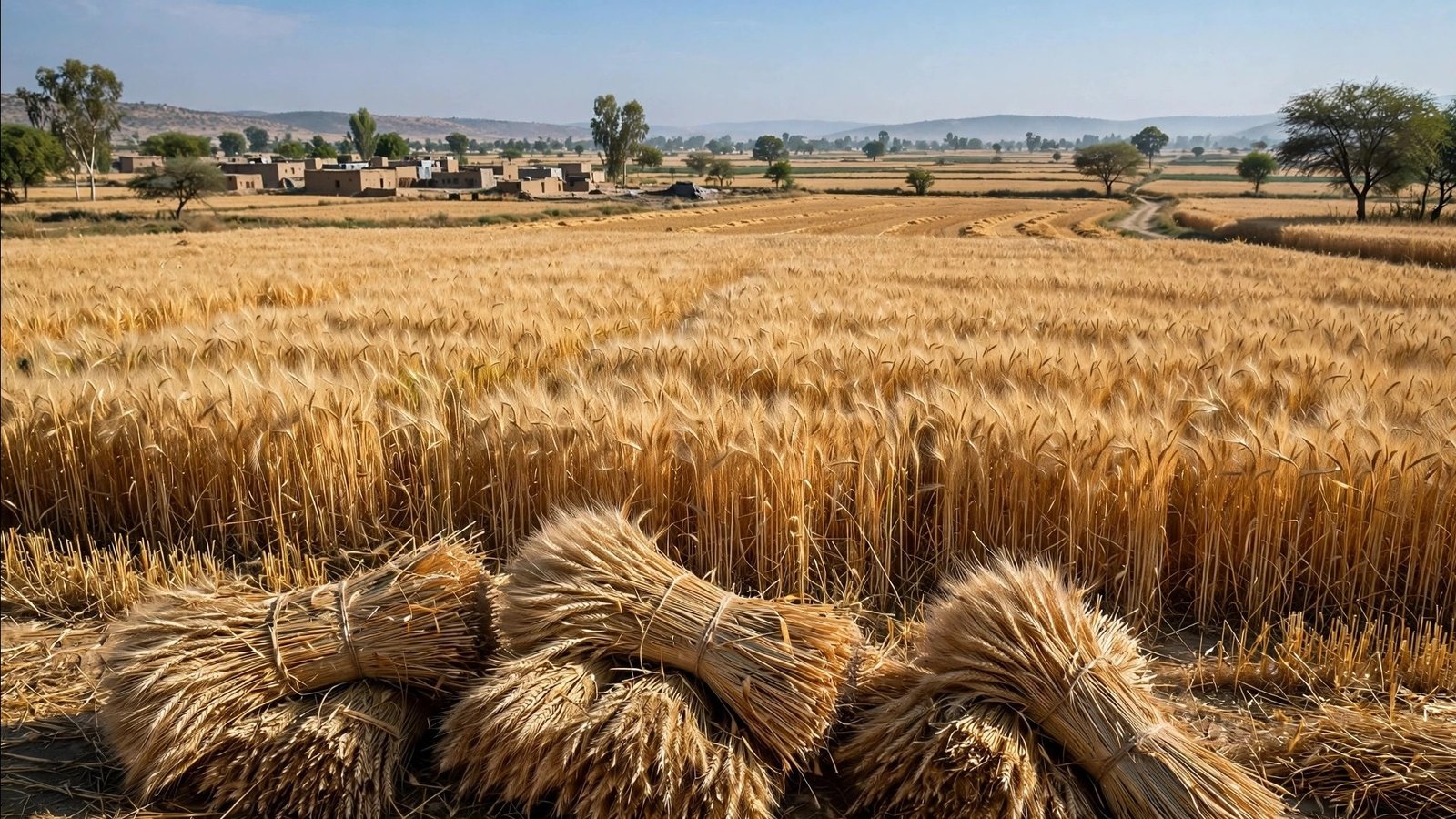
Sharing the company’s global experience, Katarzyna Grzybowska, Sustainability Delivery Manager at Nestlé S.A. Global, said Nestlé has committed to sourcing 50 percent of its key ingredients from farmers adopting regenerative agriculture practices by 2030 — and is already about halfway towards that ambition.
She stressed that regenerative solutions must be adapted to local conditions, with farmers’ economic interests at the centre of the change, and that scaling the transition requires the wider food system to share risk and invest for the long term.
Cleaning up the mountains: 11,000 tonnes of waste

The environmental work extends beyond the farm gate. The company’s Clean Gilgit-Baltistan Project has facilitated the management of more than 11,000 tonnes of plastic and paper packaging waste in the mountain region, where waste collection is difficult and plastic pollution threatens the rivers and valleys that feed the country’s water supply.
Education and research form another strand of the programme. Dr Zaigham Shahzad, Associate Professor at Lahore University of Management Sciences (LUMS), said a recently launched certification programme with Nestlé is a step to speed up the transition while securing the future of agriculture.
What it means for farmers and food prices
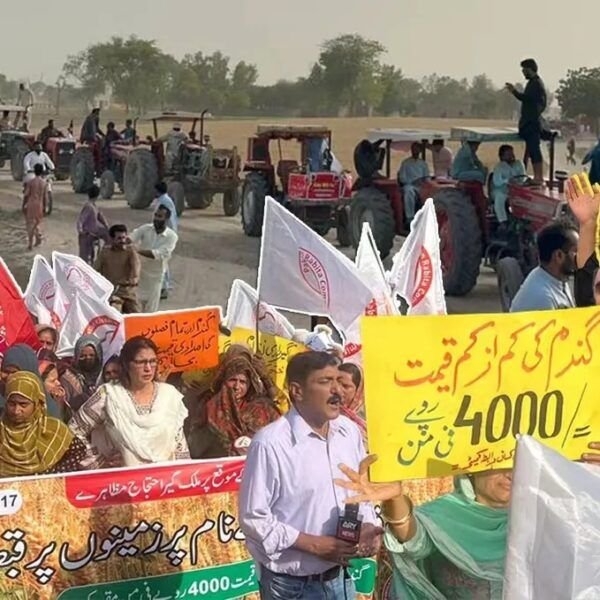
The awards land at a moment when food costs are firmly in the headlines, with weekly inflation driven higher by surging vegetable prices. Against that backdrop, the conference message was that resilient farming is not only an environmental goal but an economic one: healthier soil, smarter water use and predictable farm incomes all feed into steadier food supplies and prices.
The company’s initiatives are aligned with the United Nations Sustainable Development Goals, particularly SDG 13 on Climate Action, SDG 2 on Zero Hunger and SDG 12 on Responsible Consumption and Production. For Pakistani farmers, the test will be whether the practices showcased in Islamabad reach beyond the 125 farms already in the programme and into the wider farming community that feeds the country.
Related Posts
 BusinessPakistan Trade Deficit Widens 19.7% to $3.88 Billion in October as Imports Outpace Exports
 BusinessPetrol Price Cut by Rs6.59 to Rs346 Per Litre From 7 November: Diesel Down Rs4.25 in Fifth Straight Daily Cut
 BusinessABHI IPO Raises Rs2.046 Billion at Rs15.50 a Share as Book Building Oversubscribed by 59%
 BusinessWeekly Inflation Rises to 12.31% as Tomato Prices Jump 54% in a Week — LPG Up 115% in a Year
 BusinessDiscos Seek Rs23.33 Billion Electricity Tariff Hike for July–September Quarter — NEPRA Hearing on 17 November
 BusinessPakistan’s First Marble City Coming to Karachi: $250 Million Industrial Park on 300 Acres
Most Popular
 How-ToPTA Tax Calculator 2026: Check Mobile Tax on Any Phone417 views
 Pakistan NewsPIA Boeing 787 Lease Deal: What It Means for the Airline389 views
 Canada JobsTech Jobs in Canada: Roles, Salaries, and Skills Needed387 views
 SportsUEFA Champions League 2026-27: Format, Teams and Schedule384 views
 TechnologyPM Shehbaz Sets November Deadline for Alibaba AI and Digitalisation Projects in Pakistan364 views
 ShowbizWomen’s Fashion in Pakistan 2026: Trends, Brands and Style Guide360 views