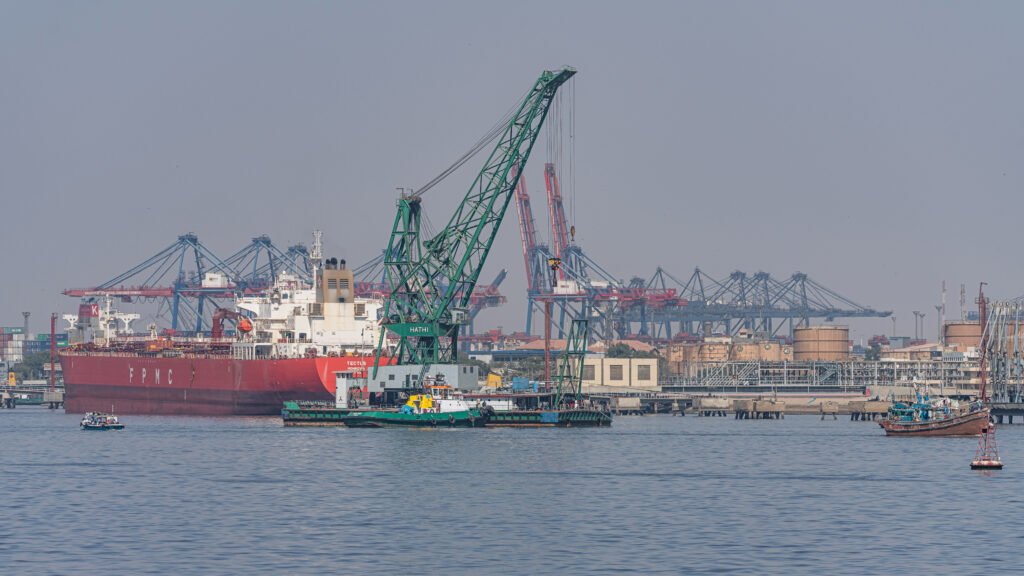
Pakistan’s trade gap widened sharply in October 2026, with the country’s import bill growing far faster than its export earnings. Fresh data from the Pakistan Bureau of Statistics (PBS), released on Friday, 6 November, shows the merchandise trade deficit reached $3.88 billion in October — up 19.7 per cent on the same month last year — as imports stayed more than twice the value of exports.
The figures underline a familiar pressure point for Pakistan’s economy: the country is buying far more from the world than it is selling to it, and the gap is growing again after a brief period of improvement. With four months of the current fiscal year now recorded, the cumulative deficit is already 16 per cent higher than a year ago.
October in numbers: a $3.88 billion gap
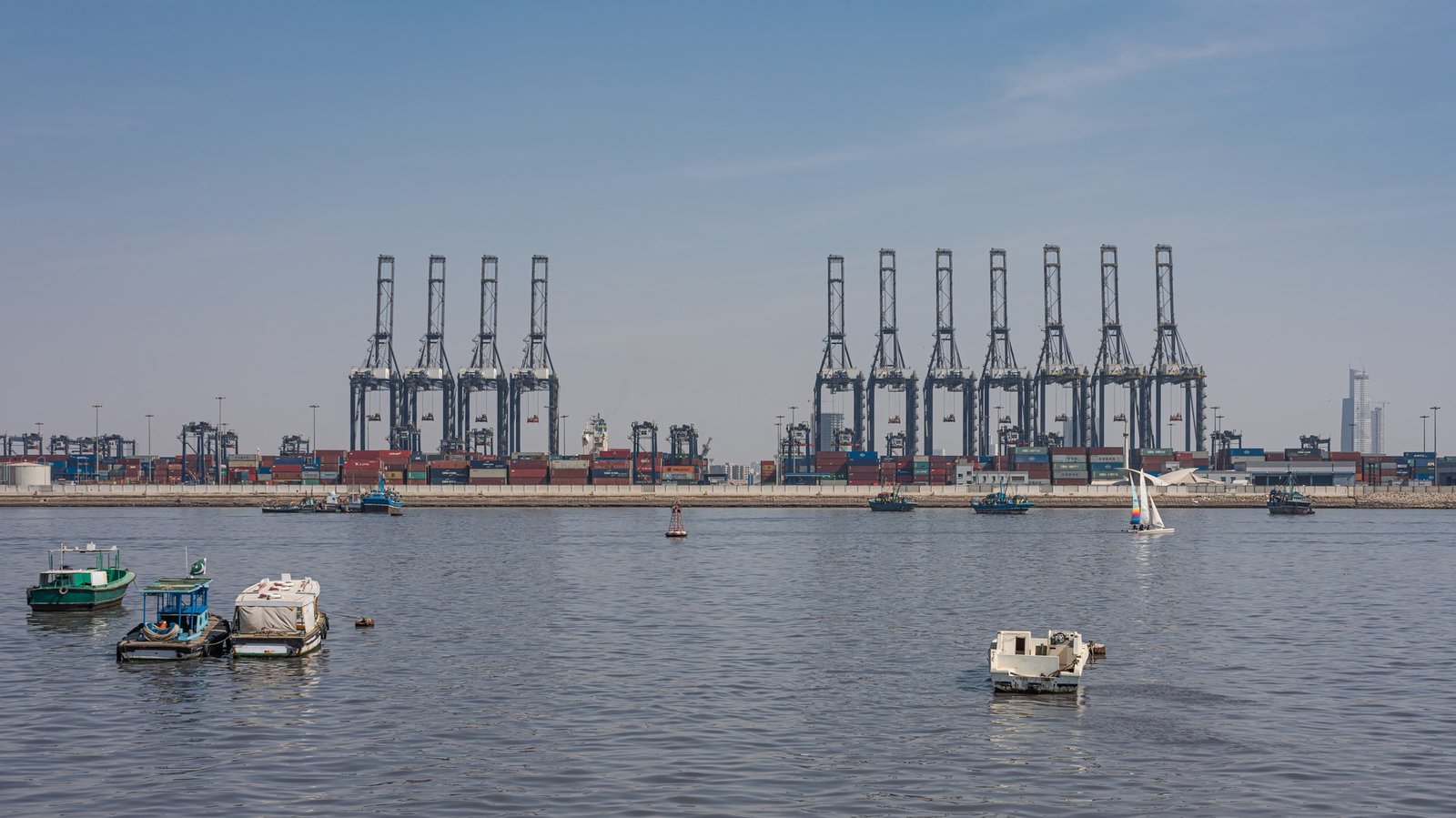
Pakistan’s merchandise trade deficit stood at $3.877 billion in October 2026, compared with $3.24 billion in October 2025, according to the PBS. The gap also grew 10.3 per cent from September’s $3.515 billion, meaning the deficit widened on both a yearly and a monthly basis.
The headline number is the difference between what Pakistan earned from exports and what it spent on imports during the month. Exports brought in $2.93 billion, while imports cost $6.81 billion — leaving a shortfall of nearly $3.88 billion to be covered from other sources, including remittances from Pakistanis working abroad and foreign borrowing.
Exports barely moved
Exports rose by only 2.8 per cent in October, to $2.93 billion from $2.85 billion a year earlier, the PBS data shows. Export earnings were also flat compared with September, with no month-on-month growth at all.
The slow export growth stands in sharp contrast to the import bill. While Pakistani exporters earned just $81 million more than in October last year, the country spent about $719 million more on imports over the same period. That imbalance — small export gains against much larger import growth — is what pushed the deficit up by almost a fifth in a single year.
Imports kept climbing past $6.8 billion
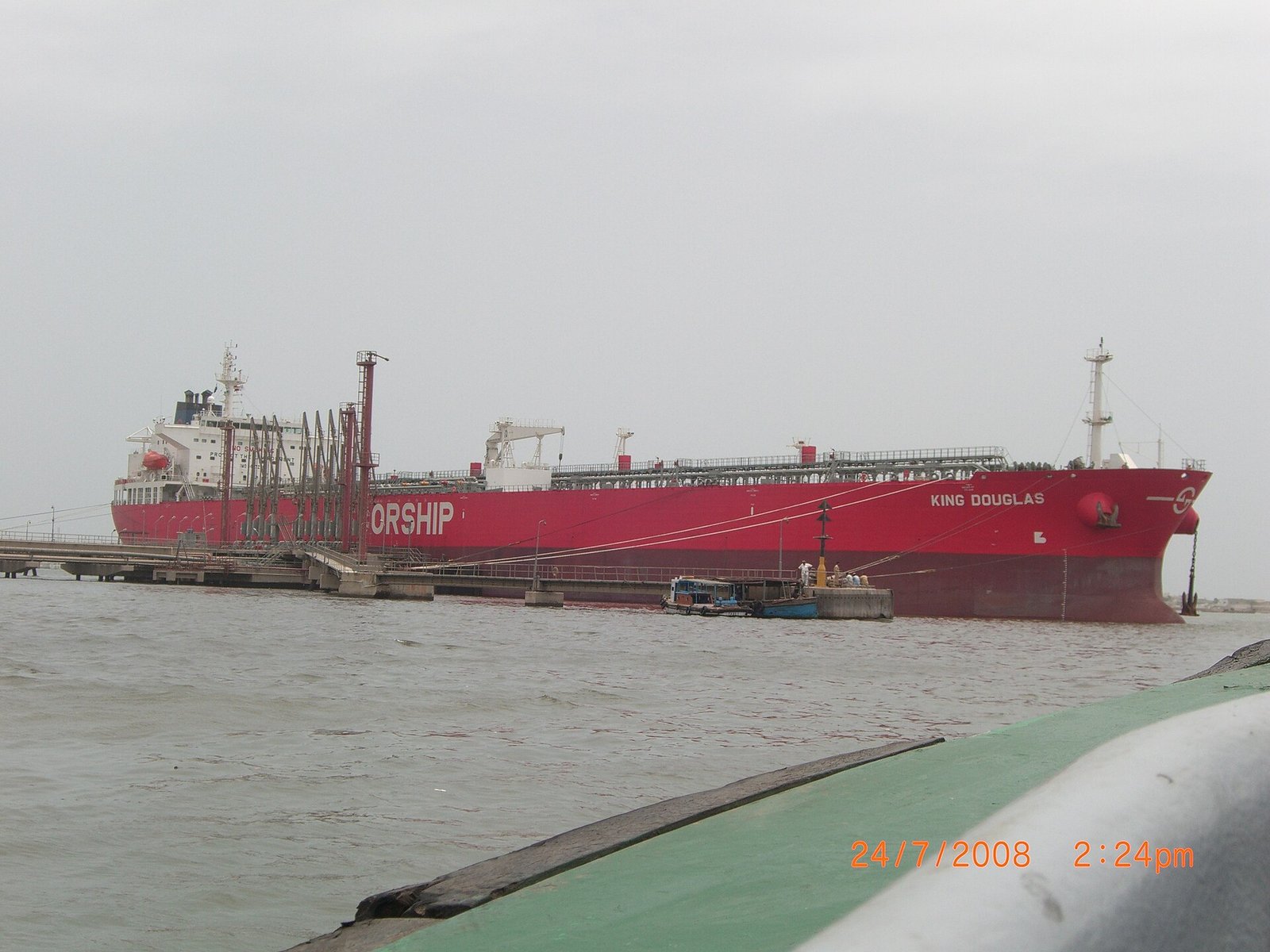
Imports climbed 11.8 per cent year-on-year to $6.81 billion in October, up from $6.09 billion in October 2025. Imports were also about 6 per cent higher than in September, continuing a steady upward trend.
At $6.81 billion, the monthly import bill was more than twice the $2.93 billion earned from exports. When imports run at more than double exports, even modest import growth translates into a large and growing deficit — and October’s figures show exactly that pattern playing out.
The four-month picture: a $14.63 billion deficit
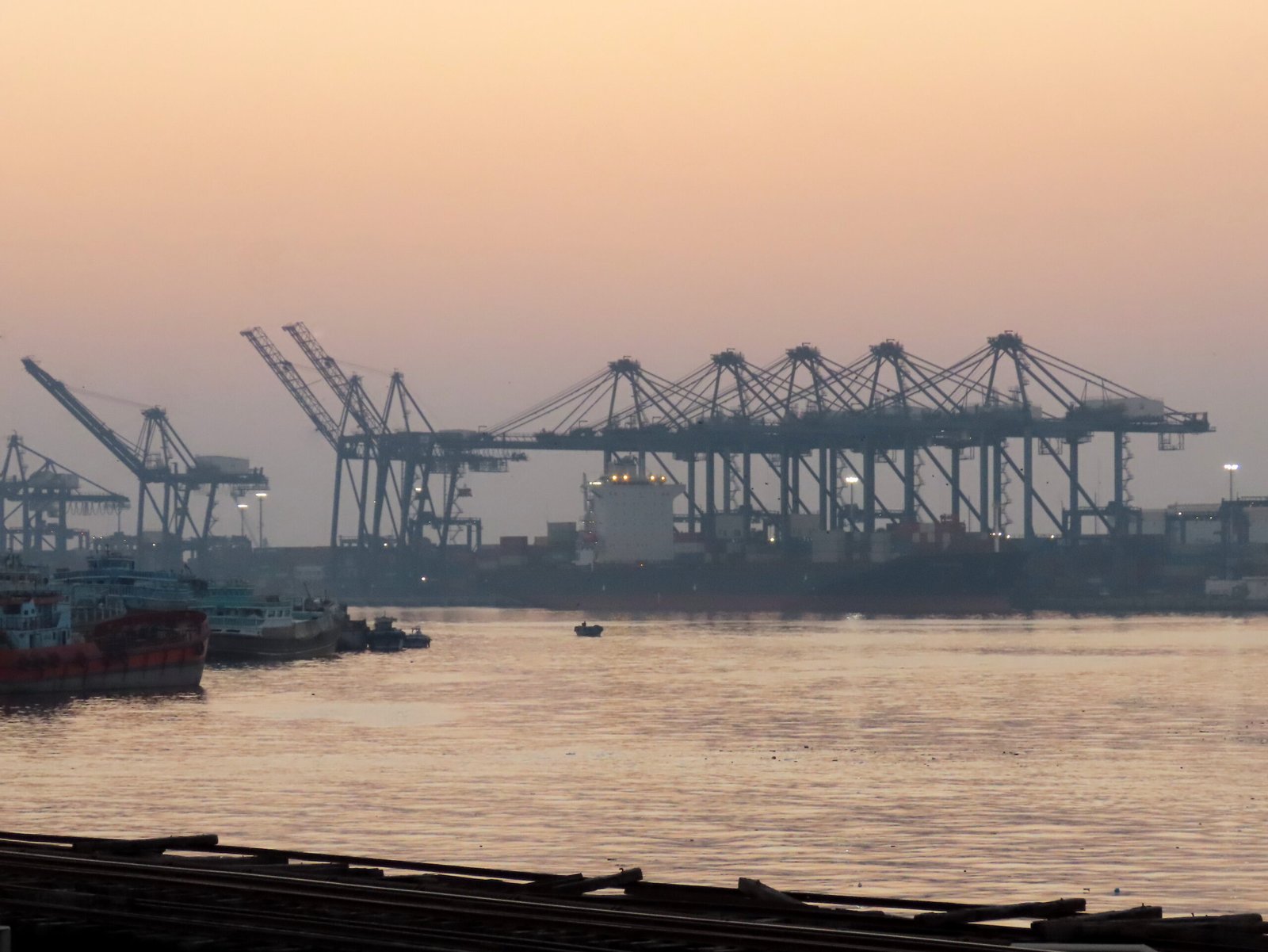
The October figures are part of a wider trend across the first four months of the current fiscal year 2026-27. Between July and October, Pakistan’s trade deficit expanded 15.97 per cent to $14.63 billion, up from $12.61 billion in the same period last year.
Exports during July–October rose 8.5 per cent to $11.34 billion, while imports jumped 12.6 per cent to $25.96 billion. Import growth has stayed ahead of export growth in every month of the fiscal year so far, and the cumulative gap is now more than $2 billion wider than it was at the same point last year.
The trend follows a difficult previous year. During fiscal 2025-26, the trade deficit rose 21.6 per cent to $39.47 billion, with exports falling 6 per cent to $30.13 billion while imports increased 7.9 per cent to $69.6 billion.
Services trade also under pressure
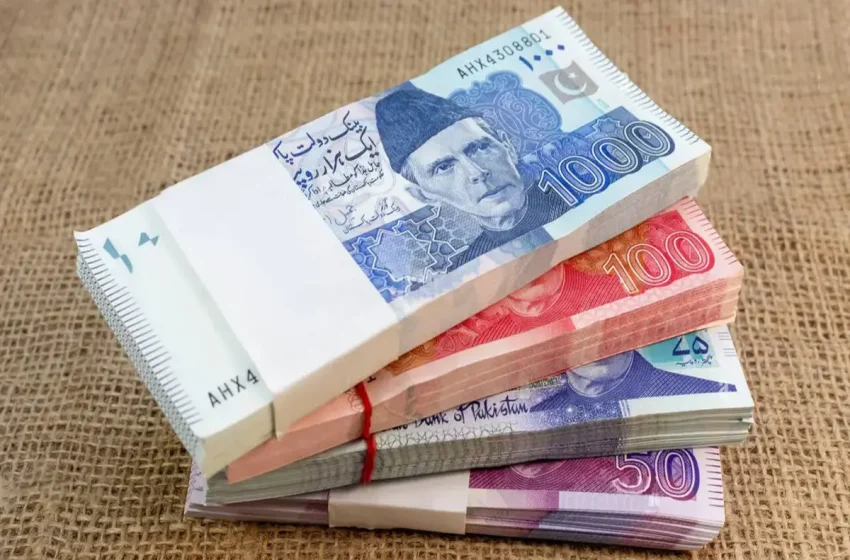
The pressure is not limited to goods. Pakistan’s services trade deficit jumped 84.3 per cent in September 2026 to $282.7 million, up from $153.4 million a year earlier, the PBS said.
Services exports rose 15.35 per cent in September to $930 million, but services imports grew faster, climbing 26.4 per cent to $1.21 billion. Over the first quarter of the fiscal year (July–September), the services deficit was almost unchanged at $832 million, with services exports up 22.6 per cent to $2.7 billion and services imports up 16.3 per cent to $3.55 billion.
What happens next

The PBS trade figures are provisional and cover merchandise trade only. The State Bank of Pakistan publishes current account data a few weeks after the PBS release, and that fuller picture — including remittances, services and foreign investment flows — will show how much of October’s $3.88 billion trade gap was covered by other inflows.
For now, the October numbers set a clear marker: imports are growing at roughly four times the pace of exports, the four-month deficit is already 16 per cent wider than last year, and the gap between what Pakistan sells and what it buys shows no sign of closing. The next PBS release, covering November, will show whether the trend steadies or widens further.
Related Posts
 BusinessPetrol Price Cut by Rs6.59 to Rs346 Per Litre From 7 November: Diesel Down Rs4.25 in Fifth Straight Daily Cut
 BusinessABHI IPO Raises Rs2.046 Billion at Rs15.50 a Share as Book Building Oversubscribed by 59%
 BusinessWeekly Inflation Rises to 12.31% as Tomato Prices Jump 54% in a Week — LPG Up 115% in a Year
 BusinessDiscos Seek Rs23.33 Billion Electricity Tariff Hike for July–September Quarter — NEPRA Hearing on 17 November
 BusinessPakistan’s First Marble City Coming to Karachi: $250 Million Industrial Park on 300 Acres
 BusinessIMF Warns Pakistan: Growth at 3.5% Is Not Enough — Deep Reforms Needed Before Programme Ends in 2027
Most Popular
 How-ToPTA Tax Calculator 2026: Check Mobile Tax on Any Phone417 views
 Pakistan NewsPIA Boeing 787 Lease Deal: What It Means for the Airline389 views
 Canada JobsTech Jobs in Canada: Roles, Salaries, and Skills Needed387 views
 SportsUEFA Champions League 2026-27: Format, Teams and Schedule384 views
 TechnologyPM Shehbaz Sets November Deadline for Alibaba AI and Digitalisation Projects in Pakistan364 views
 ShowbizWomen’s Fashion in Pakistan 2026: Trends, Brands and Style Guide360 views


One comment