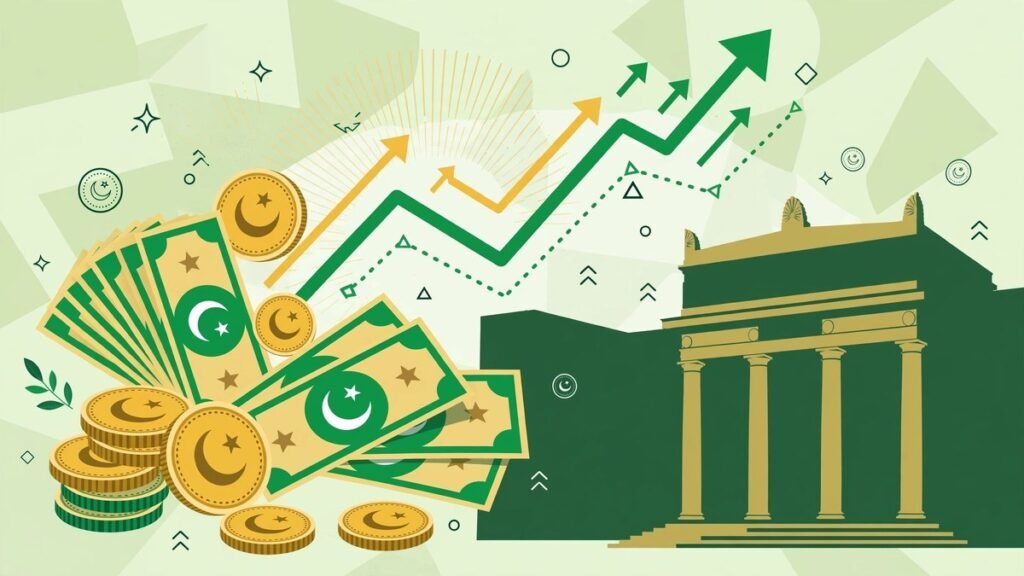
Pakistan Economy 2026: Growth, Inflation and Latest News
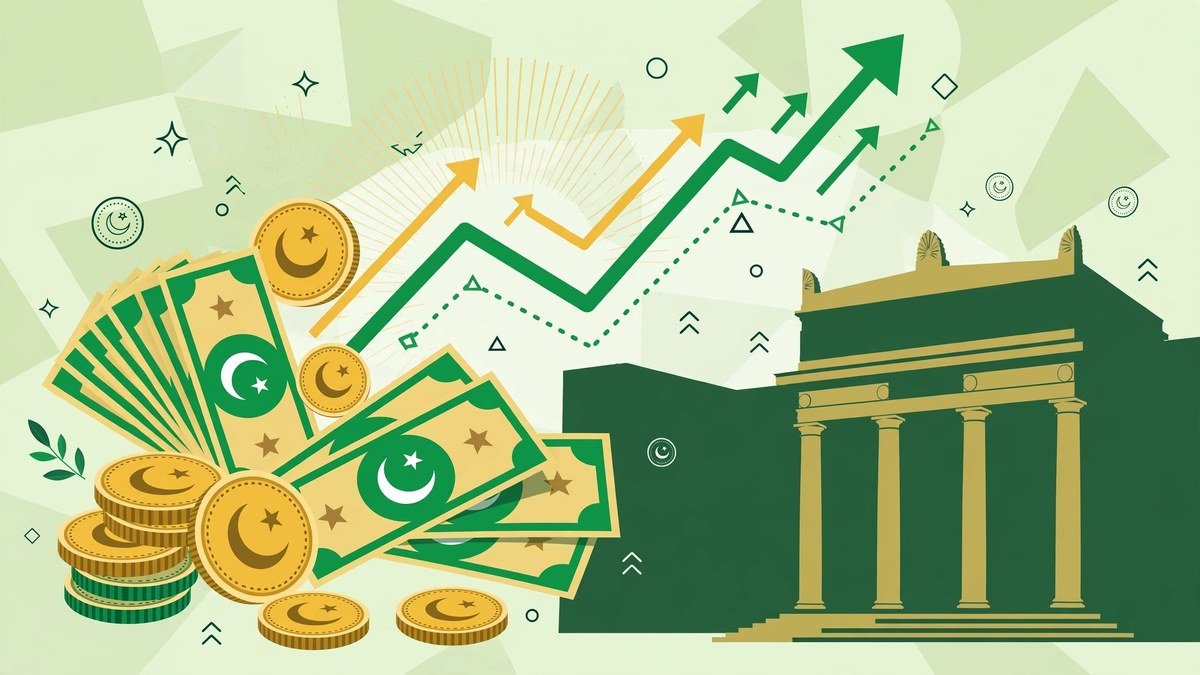
The Pakistan economy received a mixed report card in October 2026 as the International Monetary Fund released its World Economic Outlook during the annual World Bank-IMF meetings. The headline numbers are sobering: the IMF kept the country’s growth projection at 3.5 percent for fiscal year 2026-27 but raised its inflation forecast sharply to 9.9 percent — well above the government’s 8.2 percent target. As of 15 October 2026, policymakers, businesses and households are weighing what the Fund’s scepticism means for prices, interest rates and the country’s external financing.
Pakistan Economy: IMF’s October 2026 Outlook
The IMF’s report, released on 13 October 2026, leaves Pakistan’s Pakistan economy growth forecast unchanged at 3.5 percent for FY2026-27, below the government’s target of more than 4 percent and slightly lower than the 3.6 percent recorded last fiscal year. The figure sits just above the global growth forecast of 3.4 percent but trails India’s projected 7 percent growth.
Finance Minister Muhammad Aurangzeb has expressed confidence that growth will come in “north of 4 percent,” pointing to improving industrial activity and ongoing economic reforms. The IMF’s numbers suggest the lender is not yet convinced — a gap that will matter when the next programme review is discussed.
Inflation Raised to 9.9 Percent
The more consequential warning in the report is the reacceleration of inflation. The IMF raised its Pakistan inflation forecast to 9.9 percent, up from 8.4 percent in both its April and July projections, and above the government’s 8.2 percent target. Inflation for fiscal 2025-26 is estimated at 7.1 percent.
For households, that means wage gains are likely to lag living costs again. For businesses, it raises input costs and complicates pricing. For the government, it makes debt servicing, subsidy control and revenue collection harder to manage. The report cited higher energy costs, the ongoing Middle East conflict disrupting supply, and shipping-route pressures in the Persian Gulf as key factors behind the revision.
Current Account Swings Back to Deficit
The IMF also revised Pakistan’s current-account outlook, projecting a deficit of about 1 percent of GDP — roughly $4.4 billion — compared with a 0.5 percent surplus last fiscal year. The updated estimate is about $450 million higher than previously projected, suggesting additional pressure on the country’s external financial position.
A move from surplus to deficit usually implies more demand for imported goods, a weaker currency cushion and greater sensitivity to oil and food shocks. Pakistan has repeatedly depended on IMF support and other multilateral and bilateral financing to stabilise reserves and avoid balance-of-payments stress, so the external gap bears close watching.
Interest Rates and the Policy Dilemma
The 9.9 percent inflation projection suggests the IMF may seek higher interest rates to contain inflation — a difficult trade-off when the State Bank has been trying to support growth. During recent staff-level talks, the federal government and the central bank maintained that Pakistan would meet its annual targets despite inflationary pressures, but the Fund’s revised numbers put that confidence under scrutiny.
The government’s fuel pricing policy is also under the microscope. The authorities are fully passing on fuel price increases to consumers while levying heavy taxes, and have offered compensation schemes for motorcyclists and small car owners — described by the IMF as broad and costly. How this tension is resolved at the next review will shape borrowing costs for businesses and consumers.
Global Backdrop: Resilience Under Strain
The IMF’s broader message is that global resilience is “under strain.” The Fund titled its report Resilience Under Strain, Urgent Choices, noting that public debt is at its highest since the Second World War and set to exceed 100 percent of global GDP before 2030. Global inflation is forecast to rise again in 2026 before easing, driven by rebounding energy prices after a short-lived Middle East ceasefire.
For Pakistan, these global currents are not abstract: with oil prices above $100 a barrel and shipping disruptions continuing, the Pakistan economy remains exposed to shocks it cannot control. The Fund warned that in a deeper-war scenario with oil above $130 a barrel through early 2027, regional growth would be cut and inflation lifted further.
What the Latest Pakistan Economy News Means
For readers following Pakistan economy developments, the October 2026 outlook is a caution flag rather than a crisis call: growth is holding, but price pressures are reaccelerating and the external buffer is thinning. The next IMF programme review — expected in late November — will be the key test of whether the government’s optimism or the Fund’s caution proves closer to the mark.
For more context, read our updates on the interest rate in Pakistan and forex rates today.
Frequently Asked Questions
What did the IMF say about Pakistan’s economy in October 2026?
The IMF kept Pakistan’s FY2026-27 growth forecast at 3.5 percent but raised its inflation forecast to 9.9 percent and projected a current account deficit of about $4.4 billion.
What are the government’s own targets?
The government targets more than 4 percent GDP growth and 8.2 percent inflation for FY2026-27.
Why did the IMF raise the inflation forecast?
Higher energy costs, the Middle East conflict disrupting supply, and shipping-route pressures in the Persian Gulf were identified as major factors.
What is Pakistan’s unemployment forecast?
The IMF forecasts unemployment at 6.5 percent in FY2026-27, down from 6.9 percent the previous year.
When is the next IMF programme review?
The Fund’s staff-level report will be made public after executive board approval of loan tranches, tentatively in late November 2026.
IMF warns of inflation pressures as Pakistan growth remains at 3.5 percent
Pakistan: IMF forecasts 3.5% growth, 9.9% inflation
Frequently Asked Questions: Pakistan Economy 2026
Pakistan economy watchers track growth, inflation, reserves and the IMF programme together — no single number tells the story. This FAQ organises the key pakistan economic indicators.
Growth, inflation and trade
The latest pakistan economy latest news covers GDP estimates, CPI inflation and large-scale manufacturing data as they release. The pakistan trade deficit — imports minus exports — remains the structural challenge, with remittances offsetting part of the gap. The imf pakistan programme reviews set fiscal and monetary targets that ripple through taxes, energy prices and interest rates.
What to watch next
Follow pakistan economic indicators on their official release calendars rather than reacting to single data points. For businesses, the practical signals are borrowing costs, energy tariffs and exchange-rate stability. The Pakistan economy rewards patient analysis over headline-chasing — trends across quarters matter more than any single month’s pakistan economy latest news.
Related Posts
 BusinessSECP AGM Deadline 2026
 BusinessSBP Raises Policy Rate to 12%: First Hike Since April as Inflation Stays Above Target
 BusinessGeely Pakistan Launch: Bestway Brings EX2, EX5 and Starray to Pakistan
 BusinessAskari Bank × Nium Brings Real-Time Cross-Border Payments for DHA Islamabad–Rawalpindi Customers
 BusinessGovt Bans Manual Detection Bills: DISCOs Ordered to Bill Consumers Through Online Portal Only
 BusinessPakistan Weekly Inflation Jumps to 11.85% as LPG Prices Soar 22.44% in a Week
Most Popular
 SportsBallon d’Or 2026: London Ceremony, Nominees and All-Time Records Ahead of 70th Anniversary289 views
 How-ToPTA Tax Calculator 2026: Check Mobile Tax on Any Phone289 views
 TechnologyRedmi K100 Launching on 28 October: 10,000mAh Battery, 185Hz Display and Full Specs267 views
 SportsUEFA Champions League 2026-27: Format, Teams and Schedule267 views
 TechnologyAround 20 Pakistani Tech Companies Showcase Innovation at TechCrunch Disrupt 2026 in San Francisco262 views
 Canada JobsTech Jobs in Canada: Roles, Salaries, and Skills Needed257 views



One comment