The government has introduced a transparent auction mechanism for locally produced liquefied petroleum gas (LPG), under which 90 per cent of the country’s domestic LPG output will be sold through open bidding held in the presence of the media.
The first meeting of the committee set up to run the auctions was held in Islamabad on Saturday, chaired by the Secretary Petroleum. Federal Minister for Petroleum Ali Pervaiz Malik attended the meeting and said addressing public concerns over LPG availability and unfair pricing was a government priority.
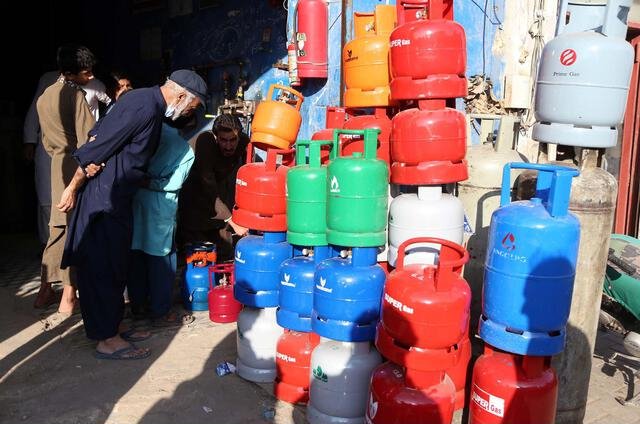
The move comes as households across Pakistan continue to pay steep prices for cooking gas. LPG rates have crossed Rs700 per kilogram in many areas, and in October prices touched Rs750 per kilogram, pushing the cost of a domestic cylinder past Rs10,000. For families without a piped gas connection, and for the rickshaw drivers and small food businesses that run on LPG, the fuel is now a major monthly expense.
What the new auction mechanism does

Under the new arrangement, local LPG producers will set aside 10 per cent of their production for state-owned marketing companies, which will supply remote and hard-to-reach areas. The remaining 90 per cent of locally produced LPG will be offered through transparent auctions conducted in the presence of media representatives.
Each company taking part in the auction will be allowed to buy a maximum of 20 metric tons of LPG per day. The committee said the daily cap was set so that all eligible companies get an equal opportunity, instead of a few large buyers cornering the supply.
The committee will also keep a close watch on daily LPG production, with production figures to be submitted to the Prime Minister so that the supply situation can be monitored at the highest level.
Why the government is acting now
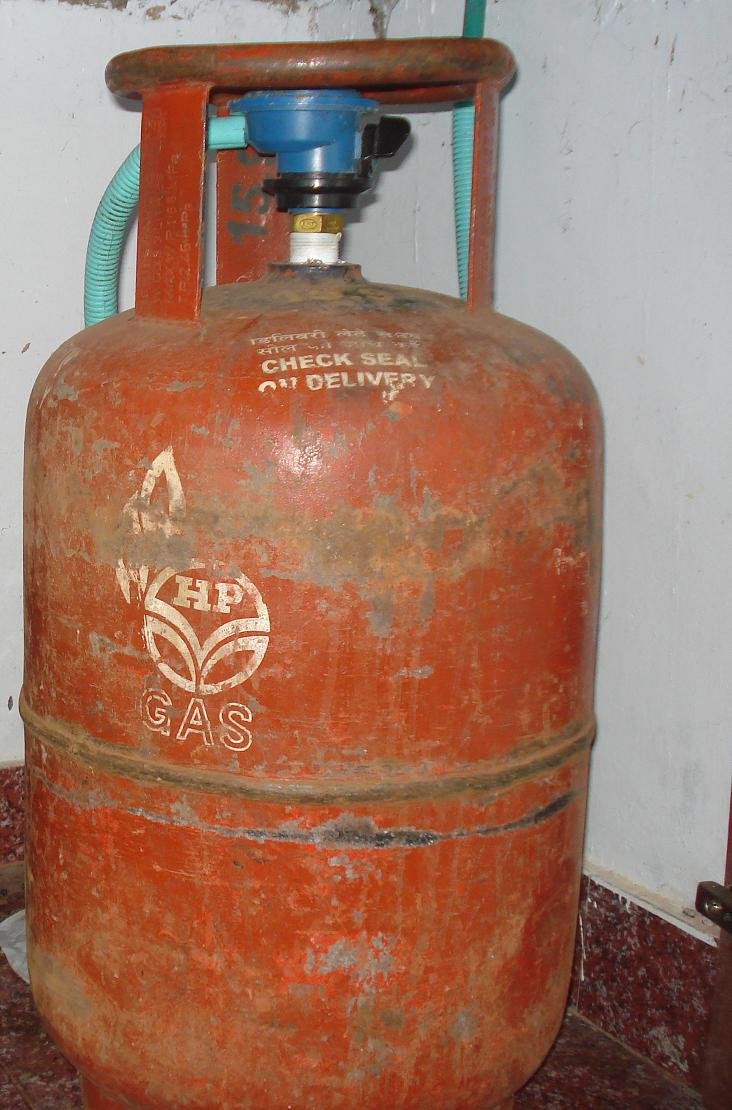
LPG is often called the fuel of the poor. It heats the stoves of millions of homes that have no piped gas, powers auto-rickshaws, and keeps small roadside eateries running. When its price rises, the impact is felt immediately in household budgets.
Official inflation data shows just how sharp the rise has been: LPG prices were up 115 per cent in a year in the weekly inflation reading reported this month, and the fuel has repeatedly been among the items pushing weekly inflation higher. Winter makes the problem worse, because demand for heating and cooking gas peaks in December and January, when supply disruptions have in past years left consumers queuing for cylinders.
The government had already signalled the shift earlier in the week. On Tuesday, the Petroleum Minister announced that the LPG market would be opened to competition to curb profiteering and avert winter shortages, with state-run companies directed to import LPG and the Competition Commission of Pakistan asked to act against cartelisation. The cabinet approved the deregulated LPG framework on 4 November, and Saturday’s meeting was the first step in putting it into practice.
Who will run the auctions
The LPG Committee is chaired by the Secretary Petroleum. Its members are the Chairman of the Oil and Gas Regulatory Authority (OGRA), the managing directors of the Oil and Gas Development Company Limited (OGDCL) and Pakistan State Oil (PSO), the president of United Energy Pakistan Limited (UEP), and the Director General (Liquefied Gases).
The committee is responsible for supervising auctions of indigenous LPG, reviewing market supply arrangements, and periodically assessing pricing and bidding mechanisms to ensure transparency and improve consumer access.
What happens next — and what to watch

The auctions will now be organised under the approved framework, with the committee overseeing each sale. The government has said additional revenue generated through the auction mechanism will be channelled into a price stabilisation fund and a fund to protect vulnerable consumers.
For consumers, the test will be simple: whether the open bidding actually brings retail prices down, and whether cylinders remain available through the winter peak. The first auctions, and the prices they produce, will show whether transparency at the wholesale end reaches the household at the other end of the chain.
Related Posts
 BusinessFBR: Nearly 12 Million Pakistanis Filed Tax Returns Only to Buy Property or a Vehicle
 BusinessPakistan–Türkiye Offshore Oil Search Resumes After 20 Years as Turkish Seismic Vessel Heads for Karachi
 BusinessNEPRA Approves Rs2.37 Per Unit Fuel Adjustment for November Bills
 BusinessNestlé Pakistan Wins Two Sustainability Awards for AI-Driven Regenerative Agriculture
 BusinessPakistan Trade Deficit Widens 19.7% to $3.88 Billion in October as Imports Outpace Exports
 BusinessPetrol Price Cut by Rs6.59 to Rs346 Per Litre From 7 November: Diesel Down Rs4.25 in Fifth Straight Daily Cut
Most Popular
 How-ToPTA Tax Calculator 2026: Check Mobile Tax on Any Phone417 views
 Pakistan NewsPIA Boeing 787 Lease Deal: What It Means for the Airline389 views
 Canada JobsTech Jobs in Canada: Roles, Salaries, and Skills Needed387 views
 SportsUEFA Champions League 2026-27: Format, Teams and Schedule384 views
 TechnologyPM Shehbaz Sets November Deadline for Alibaba AI and Digitalisation Projects in Pakistan364 views
 ShowbizWomen’s Fashion in Pakistan 2026: Trends, Brands and Style Guide360 views