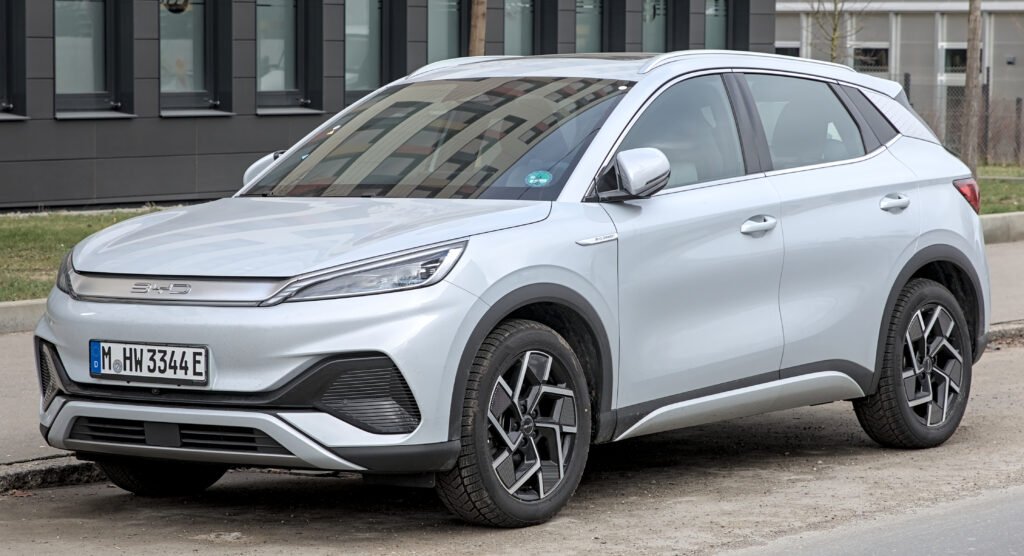
BYD Pakistan Plant to Start Operations by Mid-December, Hubco Confirms
KARACHI — Hub Power Company (Hubco) has confirmed that the BYD Pakistan plant will begin operations within the next four to five weeks, by mid-December 2026, ending months of speculation about the timeline of the country’s most closely watched electric vehicle project. Management shared the update during a corporate briefing held on October 20, 2026, according to a report by Topline Securities cited by Dawn.
The BYD Pakistan plant is the Chinese electric vehicle giant’s first manufacturing venture in the country, and its launch will move Pakistan from merely importing electric cars to assembling them locally. Hubco’s management also dismissed concerns that the project had been delayed.
BYD Pakistan Plant Timeline: Mid-December Start
According to Topline Securities, which attended the briefing, the BYD Pakistan plant is expected to commence operations “in 4-5 weeks”. A separate report by Arif Habib Limited (AHL) following Hubco’s annual general meeting carried the same timeline, with analyst Zayan Babar Khan telling Business Recorder that the facility was on track to become operational within four to five weeks.
Management’s message was clear: there is no delay. The BYD Pakistan plant remains on schedule for a launch by the end of 2026, and production will begin ramping up immediately after commissioning. Hubco is targeting an initial sales run rate of approximately 1,000 to 1,500 BYD vehicles per month as production scales — a modest start that reflects the realities of a brand-new assembly operation.
Imported Parts First, Then 80% Local Content
One of the most important details from the briefing concerns how the cars will actually be built. Hubco said that vehicle production at the BYD Pakistan plant will initially rely entirely on imported raw materials and components. In other words, the first locally assembled BYD cars will essentially be put together from kits shipped in from abroad, with local content increasing gradually over time.
The long-term objective is far more ambitious: Hubco wants to localise up to 80 per cent of the vehicle. That level of local manufacturing would make BYD’s cars significantly more cost-competitive in Pakistan, where imported vehicles carry heavy duties and taxes.
The company aims to begin local production of EV models by the first quarter of calendar year 2027, with volumes and model offerings expected to increase gradually in subsequent quarters, according to the briefing.
Plant Capacity, Models and Jobs: What We Know
The BYD Pakistan plant is being established at Gharo in Sindh under Mega Motor Company (Private) Limited, a joint venture in which Hubco holds a 50 per cent stake alongside China’s BYD Auto Industry Company. The total investment in the project is reported at $150 million, including $90 million in project financing.
Earlier this month, Liu Xueliang, Vice President of BYD Co. Ltd. and General Manager of BYD’s Asia Pacific Auto Sales Division, told BR Research that the Pakistan facility would be BYD’s sixth manufacturing plant outside China. The plant will have an initial annual production capacity of 25,000 vehicles, expandable to 50,000 units as demand grows. The project is expected to create more than 1,100 jobs and help avoid an estimated 165,000 tonnes of carbon dioxide emissions by 2034.
On the product side, Hubco plans to introduce additional BYD models through a phased approach, focusing on vehicle segments and price categories with the strongest sales potential. Management told analysts it does not intend to launch models indiscriminately and believes competitive pricing and product quality will support steady market-share gains.
Pakistan’s EV Market Heats Up as Competition Grows
The BYD Pakistan plant is arriving in a market that is getting crowded fast. According to Topline Securities, Lucky Cement told analysts on Tuesday that competition in the EV segment remains intense, particularly from Chinese completely built-up (CBU) vehicles that are imported fully assembled. Local assembly gives BYD a structural cost advantage over CBU imports — but only once localisation levels rise.
BYD entered Pakistan through its partnership with Mega Motor Company, associated with Hub Power Holdings. The partnership began introducing the Chinese automaker’s new-energy vehicles to the local market in 2024, with customer deliveries of its initial models starting in 2025. The shift from imported vehicles to domestic production at the BYD Pakistan plant is intended to make those models more affordable and more widely available.
What It Means for Pakistani Car Buyers
For buyers, the mid-December start of the BYD Pakistan plant is the beginning of a longer journey rather than an overnight transformation. The first locally assembled units will still depend heavily on imported parts, so dramatic price drops are unlikely in the earliest months. But as localisation climbs toward the stated 80 per cent target, locally assembled BYD electric vehicles should become meaningfully cheaper than their fully imported counterparts.
Sources: Dawn · Business Recorder
Related on UrduPro: BYD Electric Cars Pakistan: Models & Prices · EV Pakistan 2026: Electric Car Prices, Models and Policy
Related Posts
 TechnologySindh Signs MoU with Huawei to Build Pakistan’s First AI-Powered Digital Province
 TechnologyNCCIA Arrests Faheem Akram in Lahore Over Alleged $126M US Postage Fraud
 TechnologyPakistan Expands Digital Infrastructure for AI Push: 5G, Fibre and Satellite Plans Unveiled in Seoul
 TechnologyAround 20 Pakistani Tech Companies Showcase Innovation at TechCrunch Disrupt 2026 in San Francisco
 TechnologyPTA Deploys 10 Zonal Offices in Field Drive to Fix Pakistan’s Telecom Coverage Gaps
 TechnologyMusavir.AI Unveils Pakistan’s First 3D Digital Twin Map of Islamabad and Rawalpindi
Most Popular
 How-ToPTA Tax Calculator 2026: Check Mobile Tax on Any Phone142 views
 Canada JobsTech Jobs in Canada: Roles, Salaries, and Skills Needed117 views
 TechnologyTecno Mobile Prices in Pakistan 2026: Spark, Camon and Pova Series Compared109 views
 TechnologyRedmi K100 Launching on 28 October: 10,000mAh Battery, 185Hz Display and Full Specs109 views
 ShowbizWomen’s Fashion in Pakistan 2026: Trends, Brands and Style Guide97 views
 BISPPunjab Driving License Scam Alert: Fake Websites & “Without Test” Fraud | UrduPro94 views


One comment