NCCIA Arrests Faheem Akram in Lahore Over Alleged $126M US Postage Fraud
Pakistan’s National Cyber Crime Investigation Agency has arrested 33-year-old Faheem Akram of Khanewal in Lahore over the alleged Faheem Akram postage fraud case — a counterfeit-postage operation that US prosecutors say cost the United States Postal Service more than $126 million. Indicted by a federal grand jury in Florida last month, the suspect now faces an unresolved question: trial in Pakistan or extradition to the United States?
The Faheem Akram postage fraud arrest in Lahore
The NCCIA’s Lahore Zone announced the arrest on Tuesday, 20 October 2026, saying Faheem Akram was taken into custody in Lahore and that a case had been registered, with the investigation continuing. Addressing a press conference, NCCIA Lahore Zone Additional Director Atif Ameer said the counterfeit postage labels were sold over a period of three years, and that the arrest followed a weeks-long search with raids carried out across several parts of the country.
According to reporting by Dawn, eight special teams carried out raids at 35 locations across Punjab, Islamabad and Sindh, questioned 47 people, analysed 122 call-data records and 50 IMEI-tracking reports, reviewed footage from 120 cameras, and ran a 10-day locator operation before the suspect was found. The Faheem Akram postage fraud investigation relied on digital forensics and a detailed financial trail.
How the alleged LabelsBank.com scheme worked
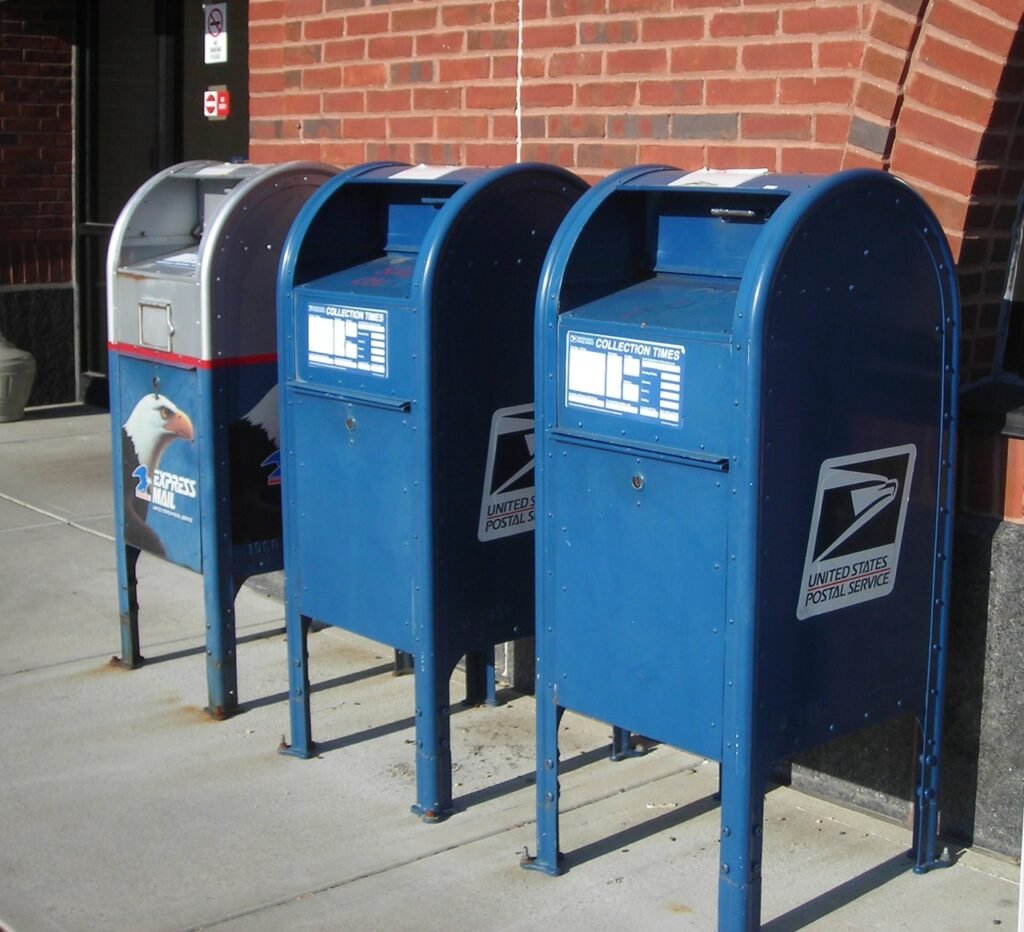
At the centre of the Faheem Akram postage fraud scheme, US prosecutors allege, was LabelsBank.com, a website that was not authorised to sell USPS products and services. The site sold counterfeit postage labels at a fixed rate — typically $2 per label, regardless of a package’s weight, size or destination — letting customers ship parcels far below legitimate postal prices and producing lost revenue and shipping costs for the Postal Service. US Attorney Jason Reding Quiñones for the Southern District of Florida described the alleged scheme as “simple but massive.”
US prosecutors say LabelsBank.com sold more than 5.1 million counterfeit postage labels to more than 5,200 customers. A court order authorised the seizure and shutdown of the domain. The Faheem Akram postage fraud case is one of the largest counterfeit-postage prosecutions the US Attorney’s Office has brought in recent years.
On the money trail, The Express Tribune reported that the NCCIA cited transactions worth about Rs35 billion, while distinguishing that figure from the $126 million alleged-loss estimate. The Associated Press reported that investigators found Akram operated the website from August 2023 through September 2026 and used 16 bank accounts for the business — seven belonging to Akram, five to his brother, two to his wife, and one each to a sister and a maternal aunt. Dawn reported that the NCCIA is examining the financial trail, the role of family members whose accounts were allegedly used, and anyone else who processed orders, received payments or distributed labels.
Ten charges in the US indictment
A federal grand jury in the Southern District of Florida returned an indictment on 28 September 2026, charging Akram with one count of conspiracy to defraud the United States and to make and sell counterfeit postage stamps, five counts of making and selling counterfeit postage stamp labels, and four counts of wire fraud. Under US law, he faces a maximum of five years in prison on the conspiracy and counterfeit-postage counts and 20 years on each wire-fraud count if convicted — those are statutory maximums, not a prediction of any sentence.
The indictment is an allegation; Akram is presumed innocent unless and until proven guilty. Before the Faheem Akram postage fraud arrest, the US Postal Inspection Service had offered a reward of up to $100,000 for information leading to his arrest and conviction, updating its wanted notice on 1 October. “Our reach goes beyond our borders,” said Inspector in Charge Bladismir Rojo of the USPIS Miami Division. “Transnational criminal organizations defrauding the Postal Service and targeting US consumers by pushing phony postage, will be found and brought to justice.”
Extradition or trial in Pakistan?
The most immediate legal question in the Faheem Akram postage fraud case is where the suspect will face trial. The Associated Press reported that it was unclear whether Pakistan would send him to the United States or try him at home. No extradition request has been announced, and the US Attorney’s Office public statement does not address the question.
In Pakistan, the NCCIA case is at the investigation stage. The agency has not said whether it will seek to prosecute Akram itself, whether other people will be charged, or what it has found in the 16 bank accounts. The status of the domain seizure and any US requests for mutual legal assistance are also not public. That answer will depend on the legal requests the two governments make and on Pakistan’s courts.
A wider NCCIA cybercrime crackdown
The Faheem Akram postage fraud arrest fits a broader pattern of NCCIA operations against online fraud. In May, the agency announced arrests in a case involving the alleged sale of government officers’ data abroad; in September, it detained 212 people in raids on illegal call centres in Islamabad. Those cases, like the Faheem Akram postage fraud investigation, turn on digital evidence, bank records and cross-border links — and they show a federal agency increasingly willing to pursue suspects whose alleged victims sit overseas.
Sources: Dawn · KhabarWire
Related on UrduPro: NCCIA Pakistan: What the New Cybercrime Agency Does · NCCIA Arrests Over 200 Foreign Nationals in Islamabad Digital Fraud Crackdown
Related Posts
 TechnologyPakistan Sets October 23 as New Date for Mandatory E-Passport Issuance
 TechnologyBYD Pakistan Plant to Start Operations by Mid-December, Hubco Confirms
 TechnologySindh Signs MoU with Huawei to Build Pakistan’s First AI-Powered Digital Province
 TechnologyPakistan Expands Digital Infrastructure for AI Push: 5G, Fibre and Satellite Plans Unveiled in Seoul
 TechnologyAround 20 Pakistani Tech Companies Showcase Innovation at TechCrunch Disrupt 2026 in San Francisco
 TechnologyPTA Deploys 10 Zonal Offices in Field Drive to Fix Pakistan’s Telecom Coverage Gaps
Most Popular
 How-ToPTA Tax Calculator 2026: Check Mobile Tax on Any Phone142 views
 Canada JobsTech Jobs in Canada: Roles, Salaries, and Skills Needed116 views
 TechnologyTecno Mobile Prices in Pakistan 2026: Spark, Camon and Pova Series Compared109 views
 TechnologyRedmi K100 Launching on 28 October: 10,000mAh Battery, 185Hz Display and Full Specs109 views
 ShowbizWomen’s Fashion in Pakistan 2026: Trends, Brands and Style Guide97 views
 BISPPunjab Driving License Scam Alert: Fake Websites & “Without Test” Fraud | UrduPro94 views




One comment