Pakistan’s National Cyber Crime Investigation Agency (NCCIA) has arrested more than 200 foreign nationals in one of the largest operations against online fraud in the country’s recent history. The NCCIA Islamabad fraud crackdown unfolded on Tuesday, 20 October 2026, as agency teams moved against suspected digital scam networks operating from multiple locations across the federal capital, according to reports.
The operation marks a significant escalation in Pakistan’s fight against organised online crime. NCCIA officials say forensic examination of the seized equipment is already under way, and the detained individuals are being questioned to map out their alleged roles and the full scope of the suspected network.
How the NCCIA Islamabad Fraud Crackdown Unfolded
According to reports carried by tech and capital-city press outlets, the NCCIA Islamabad fraud crackdown began with a raid in the Sector I-9 industrial area of Islamabad. Information obtained from those detained in the initial operation led NCCIA teams to a series of follow-up raids in other parts of the capital, including sectors F-8, F-10 and E-11.
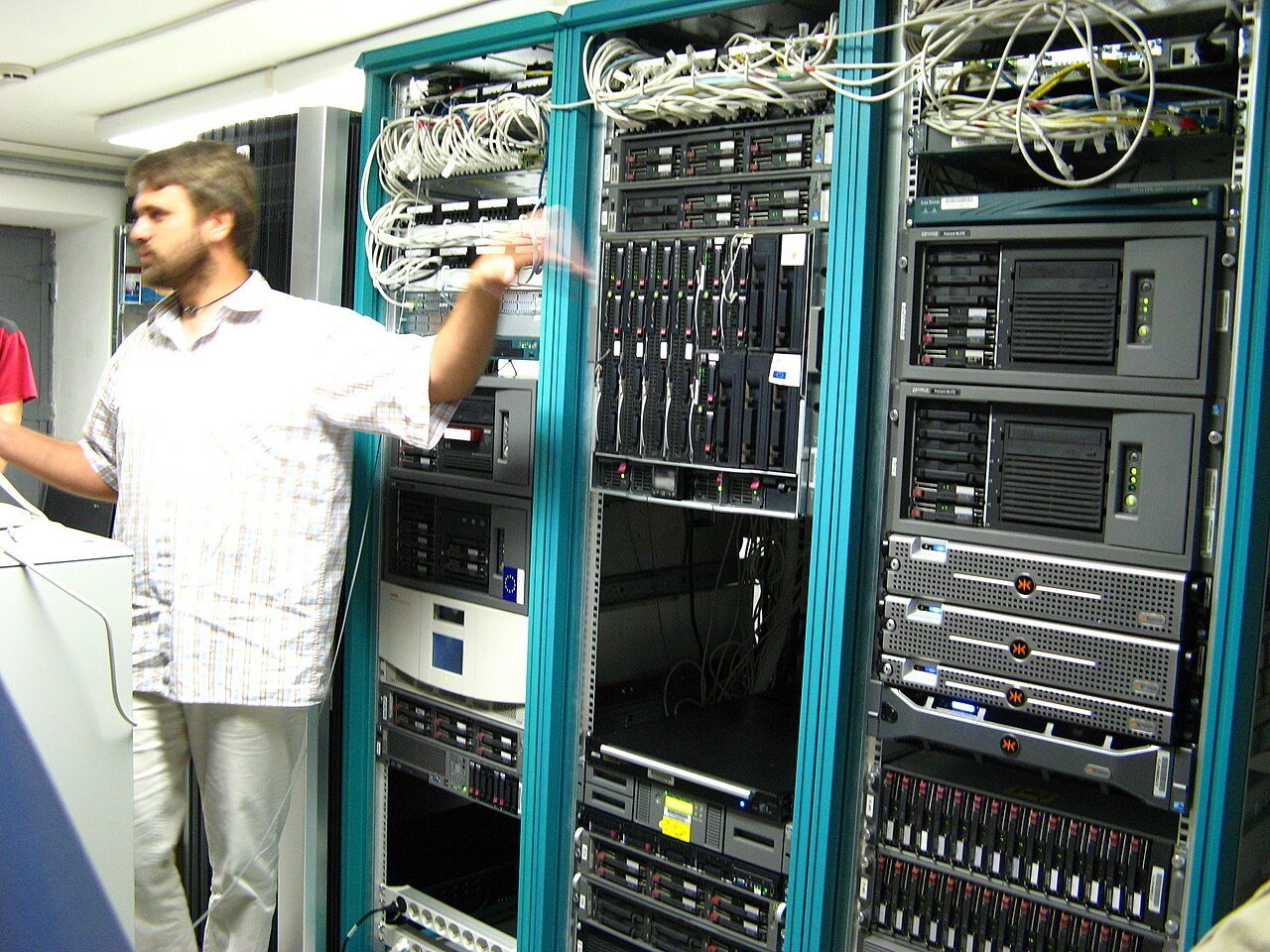
The scale of the operation suggests the suspects were operating from multiple facilities at once. During the raids, NCCIA teams recovered laptops, advanced servers, computer hard drives and other electronic devices, all of which are now being subjected to detailed forensic analysis.
What Kind of Fraud Is Alleged

The exact nationalities of the suspects and the precise nature of the alleged fraud have not yet been officially disclosed by the NCCIA, though some reports indicate that Chinese nationals were among those arrested. What has been reported is the alleged playbook of the suspected network — a menu of digital scams that has become familiar to investigators in Pakistan and abroad.
The reported schemes include digital financial fraud, impersonating representatives of Google to trick victims, so-called “tasking fraud” — where victims are lured into performing fake online tasks with promises of quick earnings — romance and “love-dating” scams, and deceptive phone calls and online schemes designed to extract money or personal data from victims in Pakistan and overseas.
These tactics closely resemble the fraud models seen at fraudulent call centres across South Asia, where teams of operators run scripted deceptions against targets at home and abroad.
NCCIA Arrests Foreign Nationals Amid Forensic Probe

While the NCCIA Islamabad fraud crackdown made headlines for its scale, the operation is not an isolated event. It follows the agency’s 1,129-suspect cybercrime crackdown across Pakistan earlier this month. The agency has made Islamabad digital fraud and wider cybercrime a top enforcement priority, and the NCCIA Director General’s zero-tolerance policy against cybercrime has been repeatedly emphasised in recent agency statements.
With the NCCIA arrests foreign nationals sweep still unfolding, NCCIA says the detained individuals are being questioned to establish each suspect’s role and the reach of the alleged network. Forensic specialists are examining the seized laptops, servers and hard drives, a process that typically reveals financial trails, victim lists and links to other groups. Until that analysis is complete, the agency has been cautious about confirming the nationalities of those held or the exact losses involved.
Members of the public who suspect they have been targeted by online fraud are urged to report it on the NCCIA helpline 1799.
Same-Day Lahore Arrest: Faheem Akram LabelsBank Case

In a separate action on the same day, the NCCIA arrested a Pakistani suspect in Lahore in a case with an international dimension. Faheem Akram, 33, from Khanewal, was taken into custody in Lahore after a 10-day operation, according to reports.
Akram is accused of operating LabelsBank.com, a website that allegedly sold more than 5.1 million counterfeit United States Postal Service shipping labels — at about $2 each regardless of weight or size — to over 5,200 customers. The scheme is alleged to have caused the US Postal Service losses of roughly $126 million, equivalent to about Rs35 billion. US authorities had offered a $100,000 reward for information leading to his capture, and he was indicted in a US federal court in Florida earlier in October 2026.
The NCCIA says it identified 16 bank accounts in the names of the suspect’s family members during its investigation and has registered a case. The Faheem Akram LabelsBank case is being seen as one of the biggest counterfeit-shipping frauds linked to a suspect in Pakistan.
What This Means for Online Safety in Pakistan

The back-to-back actions of the NCCIA Islamabad fraud crackdown — the Islamabad sweep and the Lahore arrest — send a clear signal that call centre fraud Pakistan operations and sophisticated digital scams are now squarely in the agency’s sights. For ordinary internet users, the operations are a reminder of how organised these frauds have become: fake task offers, impersonation calls and romance scams all rely on victims engaging with strangers online.
Cybercrime investigators advise the public never to pay upfront fees for online jobs, to verify unexpected calls claiming to represent well-known companies, and to be cautious with online relationships that quickly turn to requests for money. Suspicious activity can be reported to the NCCIA on helpline 1799.
The agency says further details of the NCCIA Islamabad fraud crackdown will be shared as the forensic examination and interrogations progress.
Related Posts
 TechnologyPakistan Tech Summit Oslo 2026: 70 Delegates Take Pakistan’s Startup Push to Norway
 TechnologyZong Wins Gold at Dragons of Asia Awards 2026 for AI-Powered 5G Campaign
 TechnologyPakistan’s Smartphone Installment Scheme: Work Underway, Confirms IT Minister at Seoul Summit
 TechnologyNETSOL Technologies Wins Mercedes-Benz USA Approval for Transcend Retail Digital Platform
 TechnologyNational CERT Warns Government: Preserve Digital Evidence Before Restoring Hacked Systems
 TechnologyChipXPRT Secures PKR 50 Million Seed Investment from Matracon in Landmark Deal for Pakistan’s Chip Industry
Most Popular
 How-ToPTA Tax Calculator 2026: Check Mobile Tax on Any Phone124 views
 Canada JobsTech Jobs in Canada: Roles, Salaries, and Skills Needed107 views
 TechnologyTecno Mobile Prices in Pakistan 2026: Spark, Camon and Pova Series Compared97 views
 BISPPunjab Driving License Scam Alert: Fake Websites & “Without Test” Fraud | UrduPro90 views
 ShowbizWomen’s Fashion in Pakistan 2026: Trends, Brands and Style Guide85 views
 BusinessTech Stocks Trillion Loss: $1 Trillion Wiped Out as Oil Hits $11075 views