eMudhra Certificate Compromise: Pakistan’s National CERT Issues Urgent Warning Ahead of 27 October Chrome Deadline
It reads like the plot of a spy film: the digital keys that vouch for the little padlock in your browser’s address bar were compromised — and one of the so-called secrets turned out to be just the number 4. On 17 October, a security researcher going by “Wayne” reported to Mozilla and Google’s Chrome Root Program that the private keys of eight intermediate certificates run by eMudhra, an Indian certificate authority operating under the emSign brand, could be recovered by outsiders. Four days later, on 21 October 2026, Pakistan’s National CERT issued its own warning — advisory NCA-20.211026 — telling Pakistani organisations to update their systems before Google takes its final step on 27 October.
If you run a website, manage servers, or simply browse the internet in Pakistan, here is what the eMudhra certificate compromise means for you — and what to do before the deadline.
What the eMudhra certificate compromise actually means
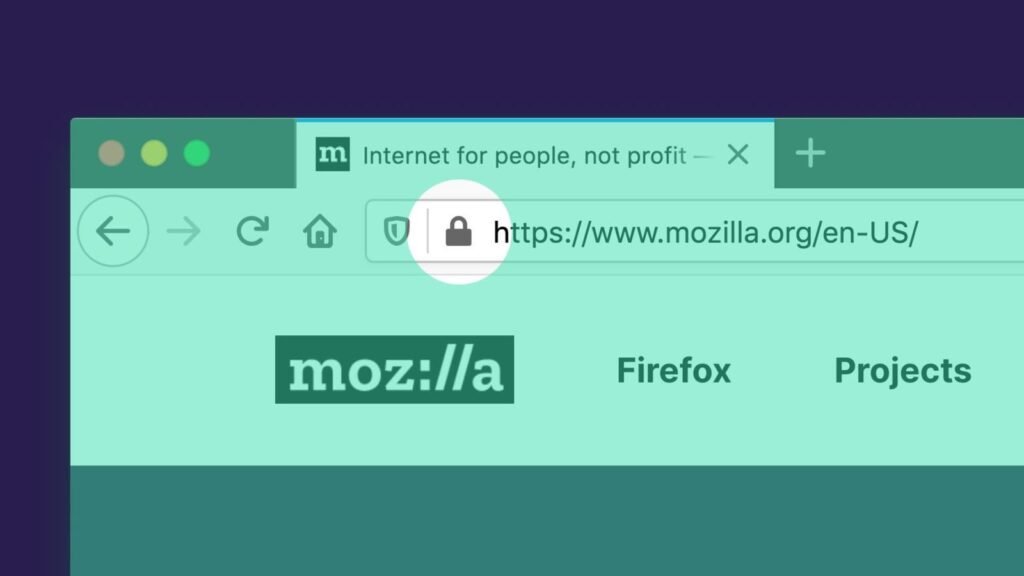
A certificate authority, or CA, is the company that vouches for the HTTPS padlock on a website. When you see that padlock next to your bank’s web address, it is a CA’s signature that told your browser the site is genuine. Intermediate certificates do the day-to-day signing work on behalf of the trusted root — and whoever holds an intermediate’s private key can issue certificates that browsers will accept for any website at all.
That is what makes this eMudhra certificate compromise so serious. Of the eight affected certificates, six could sign website certificates and two could sign software code — the kind that makes an app look like it came from a legitimate publisher. According to the cause eMudhra itself later explained on Mozilla’s bug tracker, a flawed key-generation script at a key ceremony in April 2025 produced weak keys that were then used by mistake. Independent reporting found the keys had shockingly little randomness — one intermediate’s private key was reportedly just the number 4. In the wrong hands, those keys could mint a perfectly “trusted” certificate for your bank, your email provider, or a government portal, and the padlock would still show.
Browsers blocked the compromised keys within hours
The industry’s response to the eMudhra certificate compromise was one of the fastest on record. Google pushed an emergency block to Chrome at 19:45 UTC on 17 October — roughly two hours after the report landed. Mozilla received the report at 20:06 UTC and had its OneCRL block delivered to standard Firefox installs by 22:59 UTC the same evening, under three hours later. Apple followed on 19 October and Microsoft on 20 October. Mozilla also shipped Firefox 158.0.1 on 20 October (and 158.0.2 for Android on 21 October) for users whose settings might have blocked the automatic update, and removed the affected emSign ECC Root CA – G3 root from NSS 3.131.1.
eMudhra itself revoked all eight certificates for CA compromise on 18 October. And here is the genuinely good news: no exploitation of the eMudhra certificate compromise has been publicly established, and no fraudulent certificates from these intermediates have been found in Certificate Transparency logs. The attack requires an adversary sitting in the middle of your connection — on public Wi-Fi or through a rogue router, for example — and at home on a trusted connection the practical danger is small. That is why ordinary users are simply being asked to update.
What Pakistan’s National CERT is telling organisations
Pakistan’s National CERT did not leave the response to browser makers alone. Advisory NCA-20.211026, issued on 21 October, tells Pakistani organisations to update their trust stores — and carries a warning many IT teams will find uncomfortable: updating your browser does not fix everything. Java applications, Python environments, Node.js, Go programs, containers and devices that keep their own trusted-certificate lists all need their own updates; Go programs in particular need a rebuild.
The advisory lists fixed releases confirmed against a community remediation tracker — Go 1.27.3 and 1.26.10, Python’s certifi 2026.10.19, and Mozilla NSS 3.131.1 — and tells readers to verify each against the upstream project before deploying. Organisations that handle payments, logins or official data carry the most risk from the eMudhra certificate compromise and should follow the full remediation steps, including inventorying which of their websites use an emSign certificate.
The 27 October deadline that really matters
The date every website owner should circle is 27 October 2026. That is when Google is expected to remove the emSign ECC Root CA – G3 root from the Chrome Root Store entirely. Any site still depending on a certificate that chains to that root will simply fail to load in Chrome once the removal lands.
National CERT’s advice is blunt: find which of your websites use an emSign certificate and order a replacement from an unaffected issuer before 27 October. Treat Google’s date as expected rather than guaranteed — check Chrome’s own announcements rather than assuming the exact day — but do not wait to find out the hard way. Legitimate certificates caught in the eMudhra certificate compromise will break too if they are not replaced in time.
What ordinary users in Pakistan should do
If you only browse, the checklist is short and painless. First, update Chrome, Firefox, Edge or Safari on every device, and update your phone — the blocks were pushed automatically within hours, but only if your software is current. Second, never click through a certificate warning. A warning on a bank or government website after this incident is a reason to stop, not to continue. Pair the update with safer login habits, and report suspicious redirects or a compromised system to National CERT at cert@pkcert.gov.pk or through its incident portal, or to the NCCIA.
The eMudhra certificate compromise is a reminder of how much of the internet’s trust rests on a short list of companies — and how quickly that trust has to be rebuilt when one of them stumbles. The browsers did their part in hours. The rest, before 27 October, is on the organisations that run the sites Pakistanis visit every day.
Sources: Mozilla Security Blog, BleepingComputer
Related Posts
 TechnologyAnthropic Files Public IPO Prospectus for Nasdaq Listing Under ‘ANT’
 TechnologyOpenAI Launches GPT-6.1 Terra at Half the Price for Faster Computer Work
 TechnologyPhantom Blade Zero Reviews Hit 88 on Metacritic Ahead of 29 October Launch
 TechnologyPakistan’s National CERT Issues High Alert Over WhatsApp Web Attacks Targeting Officials
 TechnologySmartphone Prices in Pakistan Jump by Up to Rs 30,000 as Chip Costs Bite
 TechnologyElon Musk’s AI Odyssey Arrives as a 7-Minute Episode, Not the Film He Promised
Most Popular
 SportsBallon d’Or 2026: London Ceremony, Nominees and All-Time Records Ahead of 70th Anniversary285 views
 How-ToPTA Tax Calculator 2026: Check Mobile Tax on Any Phone281 views
 TechnologyAround 20 Pakistani Tech Companies Showcase Innovation at TechCrunch Disrupt 2026 in San Francisco258 views
 SportsUEFA Champions League 2026-27: Format, Teams and Schedule255 views
 TechnologyRedmi K100 Launching on 28 October: 10,000mAh Battery, 185Hz Display and Full Specs254 views
 Canada JobsTech Jobs in Canada: Roles, Salaries, and Skills Needed250 views




2 comments