Pakistan’s biggest space-technology gathering of the year is now under way in Islamabad. The United Nations–Pakistan International Conference on Leveraging Space Technology for Early Warning for All (EW4All), Climate Action and Disaster Risk Assessment opened on Monday, 27 October 2026, bringing space agencies, disaster experts and policymakers from around the world to the federal capital for five days of talks, case studies and technical sessions.
The opening ceremony, held at the Serena Hotel in Islamabad, marked the start of a conference that runs until Friday, 31 October. It is hosted by the Pakistan Space and Upper Atmosphere Research Commission (SUPARCO) on behalf of the Government of Pakistan, in collaboration with the United Nations Office for Outer Space Affairs (UNOOSA), the Inter-Islamic Network on Space Sciences and Technology (ISNET) and the Asia-Pacific Space Cooperation Organization (APSCO).
This SUPARCO space conference is not a preview of an event still to come. The conference has opened, its first sessions have taken place, and its closing ceremony is now the next fixed point on the calendar. Here is what opened, who is taking part, what the discussions are about, and what happens after the conference ends.
What opened in Islamabad on 27 October

The conference was inaugurated on 27 October 2026 at the Serena Hotel in Islamabad. Its full title — the International Conference on Leveraging Space Technology for Early Warning for All (EW4All), Climate Action and Disaster Risk Assessment — describes its purpose in a single line: to use satellites, Earth-observation data and geospatial technology to warn people earlier, and more accurately, about disasters linked to weather and climate.
The five-day event is organised within the framework of UN-SPIDER, the United Nations platform for space-based information for disaster management and emergency response. UNOOSA co-sponsors the conference through UN-SPIDER, alongside APSCO and ISNET. That United Nations backing is what makes this gathering different from a national seminar: the programme is built around global frameworks, including the Sendai Framework for Disaster Risk Reduction, the Paris Agreement on climate change and the United Nations Sustainable Development Goals.
For readers following our earlier preview of the conference, this report replaces that preview with what actually happened at the opening. The preview set out the dates and the theme; this article records the inauguration itself, the people who led it and the programme now running through the week.
Who led the opening ceremony

Federal Minister for Planning, Development and Special Initiatives Professor Ahsan Iqbal was the chief guest at the inaugural ceremony. SUPARCO Chairman Muhammad Yousaf Khan welcomed the participants and set out why space-based applications matter more than ever for climate monitoring, disaster management and early warning.
The audience reflects the conference’s international character. Reports from the opening put attendance at around 250 national and international participants from 20 countries. That figure includes experts, policymakers, researchers and representatives of institutions, with a large Pakistani contingent alongside international delegates. Participating organisations named in coverage of the opening include the United Nations World Food Programme and the International Telecommunication Union, as well as space and research agencies from partner countries, among them Indonesia’s National Research and Innovation Agency, the Iranian Space Research Center, the Space Research and Technology Center of Iraq, the Turkish Space Agency and the TUBITAK Space Technologies Research Institute.
The breadth of that guest list matters for a practical reason. Early-warning systems only work when the people who operate satellites, the people who model floods and droughts, and the people who must act on a warning — district officials, emergency services and communities — are in the same conversation. A conference that brings those groups together is, in itself, part of the system it is discussing.
What Early Warning for All actually means

The conference takes its name from the United Nations Early Warnings for All initiative, usually shortened to EW4All. Launched in 2022, the initiative aims to ensure that everyone on Earth is covered by an early-warning system by the end of 2027. The United Nations Office for Disaster Risk Reduction describes four connected parts of an effective system: understanding the risks people face, monitoring hazards and forecasting how they may develop, communicating warnings to the people who need them, and preparing to respond when a hazard threatens.
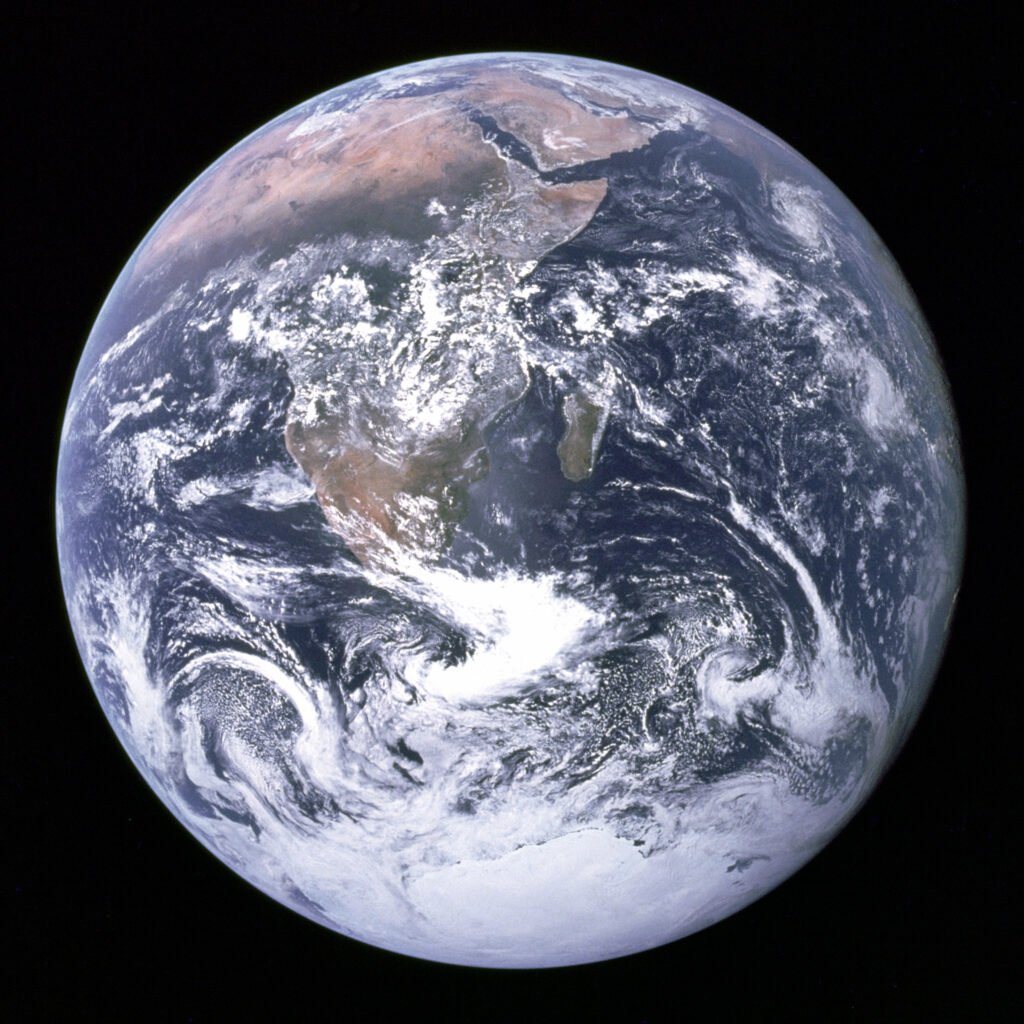
Space technology touches the first two parts most directly. Satellites can track rainfall, river levels, soil moisture, heat and land use across areas that ground sensors cannot reach, and they can do so repeatedly, in the same way, over months and years. That repeated view is what turns a single flood photograph into a trend — and a trend into a forecast. The conference programme applies that idea to specific hazards, including floods, droughts and heatwaves, and to the longer work of climate action and disaster-risk assessment.
It is worth being precise about what the conference does and does not do. It does not, by itself, switch on a new warning system for any Pakistani city or district, and no such launch has been announced as part of the opening. What it does is share methods, case studies and technical standards, and build the partnerships through which national agencies can strengthen their own systems. That distinction matters, and this article does not claim more for the event than the opening supports.
The five-day programme, day by day

The published programme runs from Monday, 27 October to Friday, 31 October, with four sessions each full day. Day one combined the inaugural ceremony with sessions on the United Nations EW4All initiatives, case studies in leveraging space technology for early warning, and a panel discussion on shifting the focus from reactive to proactive approaches — responding before a disaster strikes, rather than only afterwards.
Day two turns to the Sendai Framework for Disaster Risk Reduction and to space and geospatial technology for induced disasters. Day three is devoted to space for climate action and to the Sustainable Development Goals. Day four covers space for climate action in water and food security, alongside space technology for disaster-risk assessment. The final day, Friday, 31 October, is a half day: a technical visit to SUPARCO, the National Disaster Management Authority (NDMA) and the Pakistan Meteorological Department (PMD), followed by the closing ceremony.
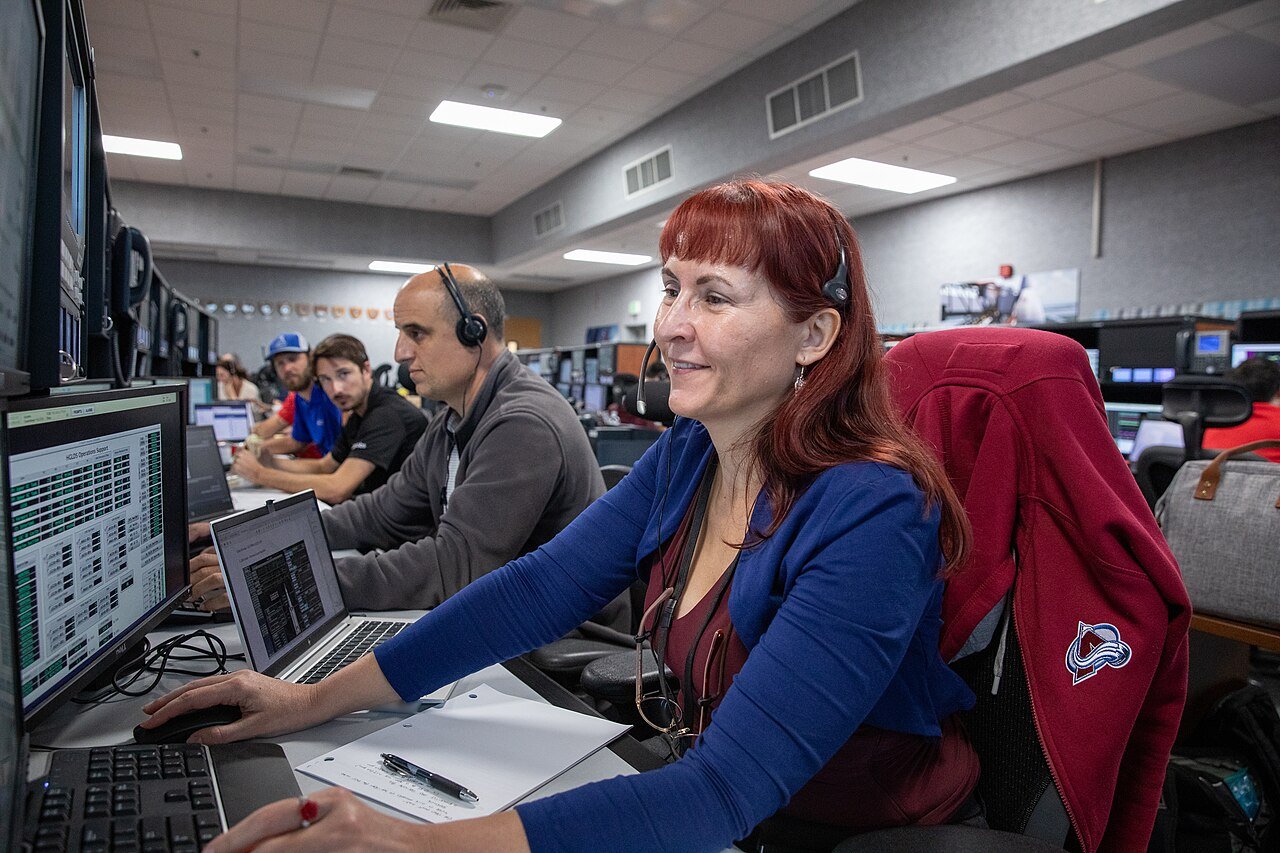
That closing technical visit is a deliberate choice. It takes delegates from conference rooms to the operational rooms where satellite-derived information is actually used for disaster management and early warning in Pakistan, closing the gap between discussion and practice that conferences are often criticised for leaving open.
Why this matters for Pakistan

Pakistan’s case for better early warning needs little explanation. The country has lived through devastating floods, prolonged droughts and extreme heat in recent years, and each of those hazards tests the same chain: observe, forecast, warn, act. A warning that arrives late, or that reaches officials but not the community at risk, fails at the last link no matter how good the satellite data behind it.
The conference programme speaks directly to that chain. Sessions on monitoring and assessment address the first links, while the emphasis on EW4All — coverage for everyone, not only for well-connected areas — addresses the last one. The involvement of the NDMA in the closing visit, and the presence of international partners working on food security, water and climate, underline that early warning is not a single agency’s job. It spans agriculture, water resources, energy, health and disaster management, and the conference draws participants from across those fields.
Pakistan’s wider space ambitions give the conference a second layer of relevance. The country is preparing its first astronaut mission, announced for November 2026, and provinces are investing in digital capacity, including Sindh’s agreement with Huawei to build an AI-powered digital province. A United Nations space-technology conference in Islamabad sits naturally alongside those efforts: it signals that Pakistan wants to be a participant in the global space conversation, not only a consumer of other countries’ satellite data.
What happens after 31 October
The conference itself ends on 31 October with the closing ceremony. But the Islamabad programme does not stop there. A separate international training course on Space-Based Disaster Management, with the theme of shifting focus from reactive to proactive approaches, is scheduled for 2 to 6 November 2026. That course is a distinct event from the conference, with its own programme covering satellite remote sensing, geographic information systems, flood and drought risk assessment, heatwave assessment and disaster-monitoring tools.
Readers should not merge the two events. The conference, 27 to 31 October, is the policy and technical gathering now under way. The training course, 2 to 6 November, is the hands-on follow-up for practitioners. Both are hosted in Islamabad, both involve SUPARCO and United Nations partners, and both serve the same goal — earlier, better warnings — but they are separate entries on the calendar, and any report of outcomes should say which of the two it refers to.
For now, the story is the opening itself: a United Nations space-technology conference is under way in Islamabad, led by Pakistan’s planning minister and its space agency, with around 250 participants from 20 countries working through a five-day programme that ends with a visit to the country’s own disaster-management operations. What it produces — in shared methods, new partnerships and stronger national capacity — will be judged after the closing ceremony, not before it.
Related Posts
 TechnologyRedmi K100 Launched in China: 10,000mAh Battery, Snapdragon 8 Elite and Prices From CNY 3,499
 TechnologyPM Youth Chromebook Scheme 2026: 500,000 Chromebooks Launched — Who Can Apply and How to Apply Online
 TechnologyApple’s New M6 MacBook Pro and iMac Are Here: Specs, Prices and 6 November Release Date
 TechnologyChrome’s emSign Root Removal Lands Today: What Pakistani Websites and Users Must Do
 TechnologyApple’s New OLED iPad Mini Is Here: A20 Pro Power, 8.5-Inch Display and a $699 Price Tag
 TechnologyApple Raises iPhone Duo Orders by 44% as Hinge-Crack Reports Cloud Its Foldable Launch
Most Popular
 SportsBallon d’Or 2026: London Ceremony, Nominees and All-Time Records Ahead of 70th Anniversary289 views
 How-ToPTA Tax Calculator 2026: Check Mobile Tax on Any Phone288 views
 TechnologyRedmi K100 Launching on 28 October: 10,000mAh Battery, 185Hz Display and Full Specs267 views
 SportsUEFA Champions League 2026-27: Format, Teams and Schedule265 views
 TechnologyAround 20 Pakistani Tech Companies Showcase Innovation at TechCrunch Disrupt 2026 in San Francisco262 views
 Canada JobsTech Jobs in Canada: Roles, Salaries, and Skills Needed256 views