By UrduPro Tech Desk | Published: 21 October 2026
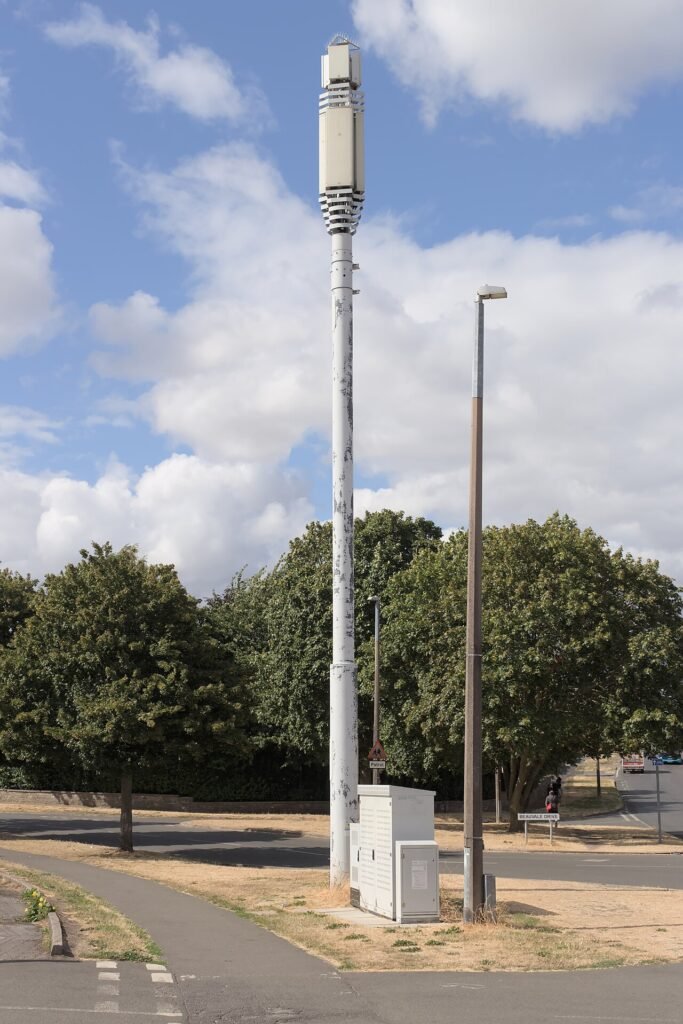
Pakistan digital infrastructure AI ambitions took centre stage on Tuesday (20 October 2026) as Federal Minister for Information Technology Shaza Fatima Khawaja told a high-level panel at the Global Digital and AI Summit in Seoul, South Korea, that the country has significantly expanded its digital infrastructure to meet the rising demand of the artificial intelligence era. The minister said the expansion, which covers a record spectrum auction, nationwide 5G deployment and fibre-optic connectivity, has been undertaken under Prime Minister Shehbaz Sharif’s “Digital Nation Pakistan” vision, as reported by the Express Tribune.
According to the minister, Pakistan views AI “primarily as a network challenge” — meaning the country’s ability to benefit from artificial intelligence depends on the strength, reach and speed of the networks carrying it. The remarks signal that Islamabad is positioning connectivity, rather than just software or policy, as the foundation of its AI strategy. The announcement marks an important moment in the Pakistan digital infrastructure AI story, which has been building steadily through this year.
Pakistan’s AI Pitch in Seoul
The Global Digital and AI Summit in Seoul brought together policymakers and industry leaders from across the world, and Pakistan used the platform to lay out how far its networks have come. Speaking on the panel, the IT minister outlined a programme of upgrades that span mobile spectrum, fifth-generation services, fibre backbones and international gateways.

The minister framed the entire Pakistan digital infrastructure AI roadmap around the “Digital Nation Pakistan” vision of Prime Minister Shehbaz Sharif. Under this vision, the government treats digital connectivity as the prerequisite for everything from e-governance to AI-powered public services. It is the clearest signal yet that Pakistan digital infrastructure AI policy will run through networks first. For readers following our ongoing coverage, the Technology section has been tracking how these building blocks fit together.
Record Spectrum Auction Powers the 5G Rollout
The centrepiece of the expansion is the largest-ever spectrum auction in Pakistan’s history, held in March 2026. Telecom operators acquired 480 MHz of spectrum for $509 million, lifting the industry’s combined holdings from 274 MHz to 754 MHz — nearly a threefold increase in the airwaves available to carry mobile data.
Within six months of the auction, the results began to show on the ground. Pakistan launched 5G at more than 1,700 sites across 24 major cities, delivering average speeds of around 130 Mbps. Download speeds across the country are up 68.1% over the past two years, a transformation the minister presented as evidence that the Pakistan 5G 1700 sites milestone is only the beginning.

The speed of the rollout is significant for the Pakistan spectrum auction 2026 story: turning a record auction into a working 5G footprint in half a year suggests the network challenge the minister described is being tackled aggressively. Average speeds of 130 Mbps put Pakistani cities’ 5G within reach of the benchmarks users associate with mature deployments elsewhere — a concrete early payoff in the Pakistan digital infrastructure AI push.
Fibre Backbone Now Stretches 234,000 Kilometres
Beyond mobile towers, the government says more than 234,000 kilometres of optical fibre cable have been deployed across the country. Fibre is the backbone that carries data between cities and connects mobile towers to the core network — the hidden infrastructure on which both 5G performance and AI workloads depend.
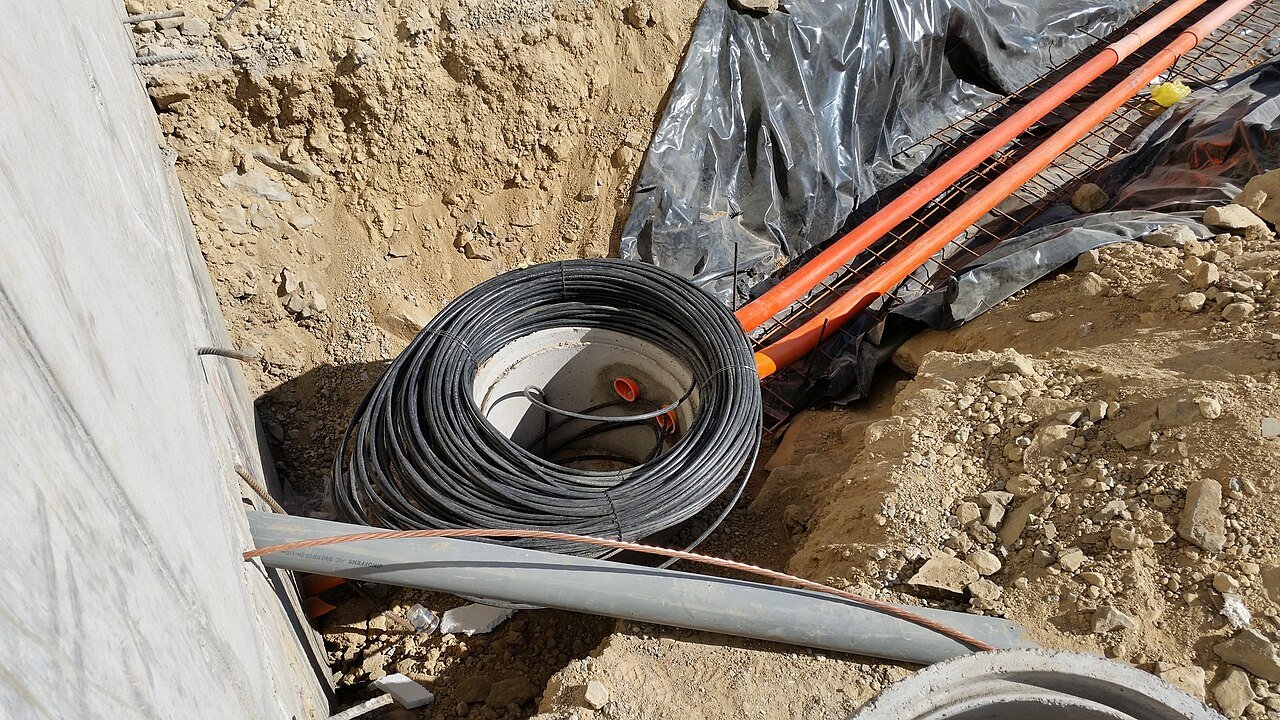
To accelerate the build-out, the government has abolished right-of-way charges, cutting the costs and delays that previously slowed fibre expansion. Removing these charges is designed to make it cheaper and faster for operators to extend fibre to new towns and districts, widening the base of the Pakistan digital infrastructure AI plan.
Six Submarine Cables and the CAREC Digital Corridor
Pakistan is connected internationally through six submarine cables with a combined capacity exceeding 17 terabits per second, giving the country multiple independent routes to the global internet. These undersea links are critical for cloud services, data centres and AI applications that depend on high-capacity international bandwidth.

The government is also developing the CAREC (Central Asia Regional Economic Cooperation) Digital Corridor, a project aimed at strengthening regional connectivity. The corridor would deepen Pakistan’s role as a digital bridge between Central Asia and the wider world — another pillar of the Digital Nation Pakistan vision that the minister championed in Seoul.
Satellite Framework, MVNOs and What Comes Next
Looking ahead, regulators are finalising a satellite communications and licensing framework for direct-to-device services, which would allow smartphones to connect directly to satellites where terrestrial networks do not reach. The minister stressed that satellite will complement — not replace — terrestrial networks, filling coverage gaps in remote and mountainous areas.
New frameworks for mobile virtual network operators (MVNOs) and infrastructure sharing are also in the works, aimed at attracting fresh investment into the sector. The Shaza Fatima Khawaja Seoul summit address thus doubled as an invitation to investors: with a record spectrum sale behind it and satellite and MVNO rules on the way, the Pakistan digital infrastructure AI agenda is being presented as open for business.
Whether the AI dividend follows the network investment will be the test to watch. For now, the numbers laid out in Seoul — 480 MHz of new spectrum, 1,700-plus 5G sites, 234,000 kilometres of fibre and 17 terabits of international capacity — mark a turning point for Pakistan digital infrastructure AI growth, and those watching the space will be looking for how quickly these foundations translate into services citizens can use.
Related Posts
 TechnologyPakistan Sets October 23 as New Date for Mandatory E-Passport Issuance
 TechnologyBYD Pakistan Plant to Start Operations by Mid-December, Hubco Confirms
 TechnologySindh Signs MoU with Huawei to Build Pakistan’s First AI-Powered Digital Province
 TechnologyNCCIA Arrests Faheem Akram in Lahore Over Alleged $126M US Postage Fraud
 TechnologyAround 20 Pakistani Tech Companies Showcase Innovation at TechCrunch Disrupt 2026 in San Francisco
 TechnologyPTA Deploys 10 Zonal Offices in Field Drive to Fix Pakistan’s Telecom Coverage Gaps
Most Popular
 How-ToPTA Tax Calculator 2026: Check Mobile Tax on Any Phone142 views
 Canada JobsTech Jobs in Canada: Roles, Salaries, and Skills Needed117 views
 TechnologyRedmi K100 Launching on 28 October: 10,000mAh Battery, 185Hz Display and Full Specs110 views
 TechnologyTecno Mobile Prices in Pakistan 2026: Spark, Camon and Pova Series Compared109 views
 ShowbizWomen’s Fashion in Pakistan 2026: Trends, Brands and Style Guide97 views
 BISPPunjab Driving License Scam Alert: Fake Websites & “Without Test” Fraud | UrduPro94 views



One comment