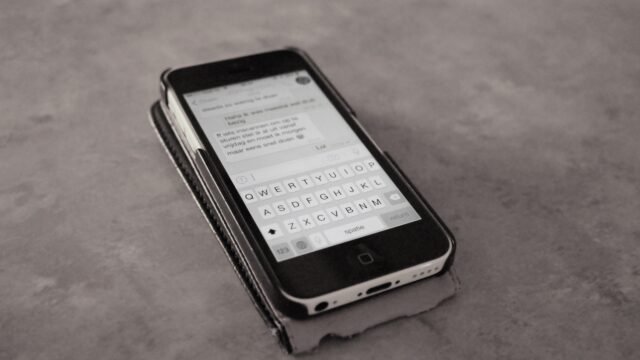
In the space of four months, the number of used smartphones arriving in Pakistan has multiplied almost 68 times — and the country’s own phone makers say the surge is now threatening tens of thousands of jobs.
The Pakistan Mobile Phone Manufacturers Association (PMPMA) has written to the Ministry of Industries and Production and the Federal Board of Revenue (FBR) to warn that imports of used, fully built smartphones rose from just 1,434 units in July to 98,383 units in October 2026, The Express Tribune reported on 24 November. Over the same period, local smartphone assembly moved in the opposite direction, falling from 906,711 units in July to 752,870 in October — a drop of about 17 per cent.
The association says the industry employs more than 40,000 people directly and indirectly, and that nearly all manufacturers have already reported layoffs and the retrenchment of skilled workers as they cut costs to stay afloat.
From 1,434 to 98,383 phones in four months
The scale of the shift is clearest in the totals for fully built smartphones. Imports of completely built-up (CBU) handsets rose from 18,431 units worth $17.8 million in July to 150,133 units worth $71.7 million in October, according to the report. The manufacturers’ association estimates that CBU imports now account for 41.8 per cent of the smartphone market by value.
Separate figures from the Pakistan Telecommunication Authority underline how far used handsets dominate the trade. In September alone, Pakistan imported 128,737 fully built smartphones — and 105,121 of them, about 81.7 per cent, were used devices, against only 23,616 new handsets. Used phones outnumbered new ones by nearly four and a half times, even though their declared import value, at $14.03 million, was lower than the $19.4 million spent on new phones.
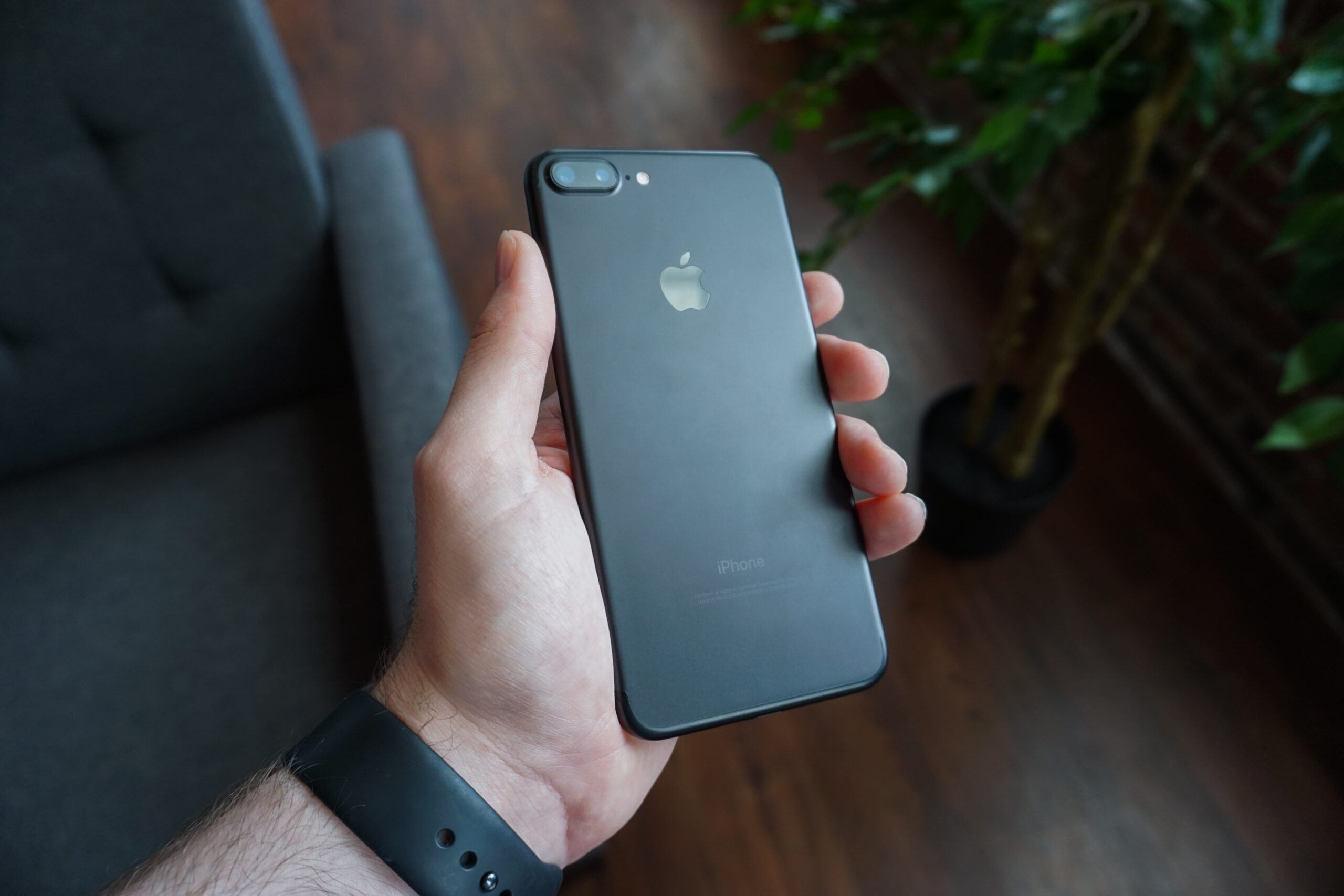
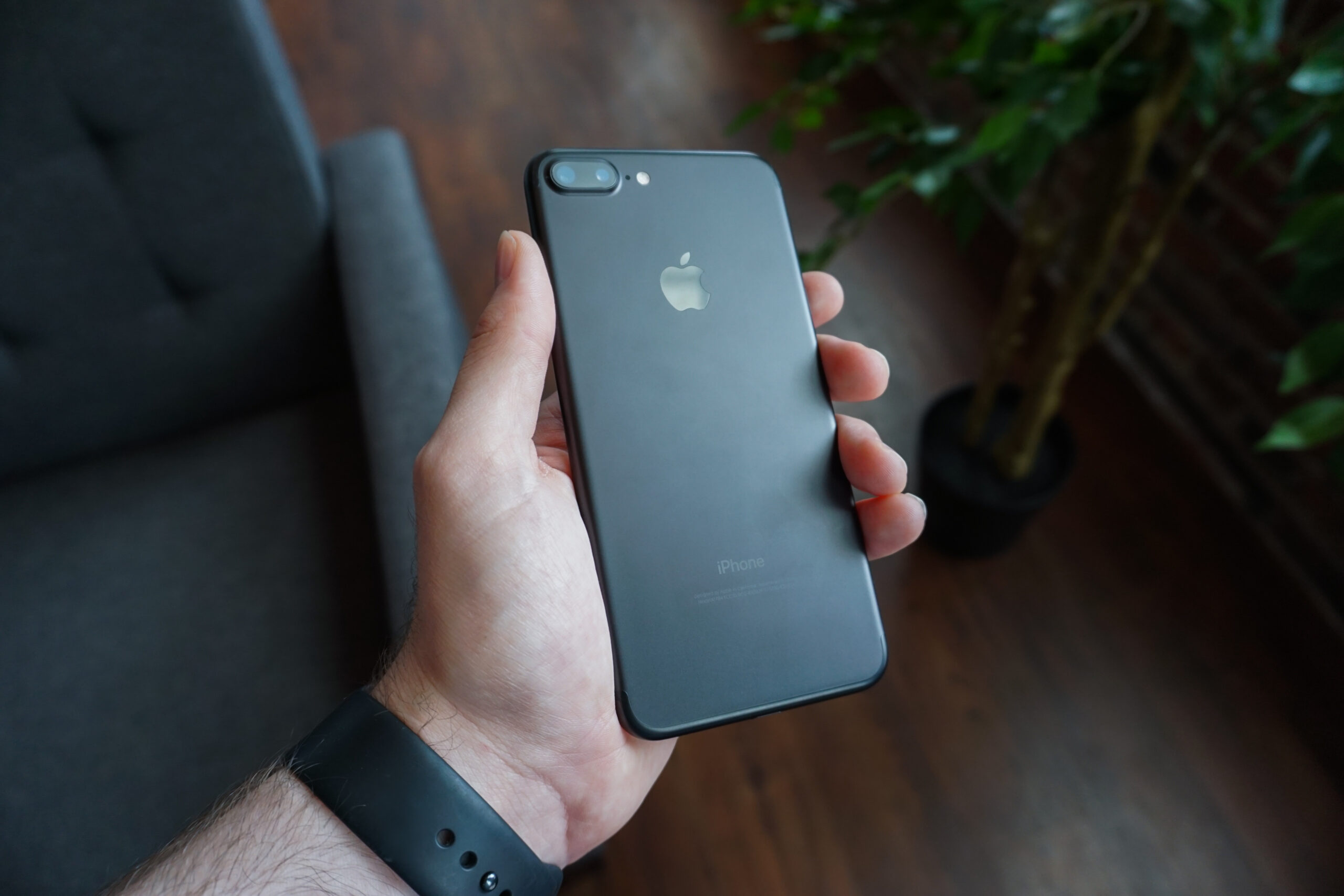
The trend is also visible brand by brand. Imports of phones made by the leading US manufacturer rose from 40,787 units in August to 63,449 in September and 91,508 in October — a jump of 124.4 per cent in two months — even as the combined total of locally assembled and imported smartphones across all brands fell from 942,707 units in August to 911,383 in October.
Local assembly falls as imports climb
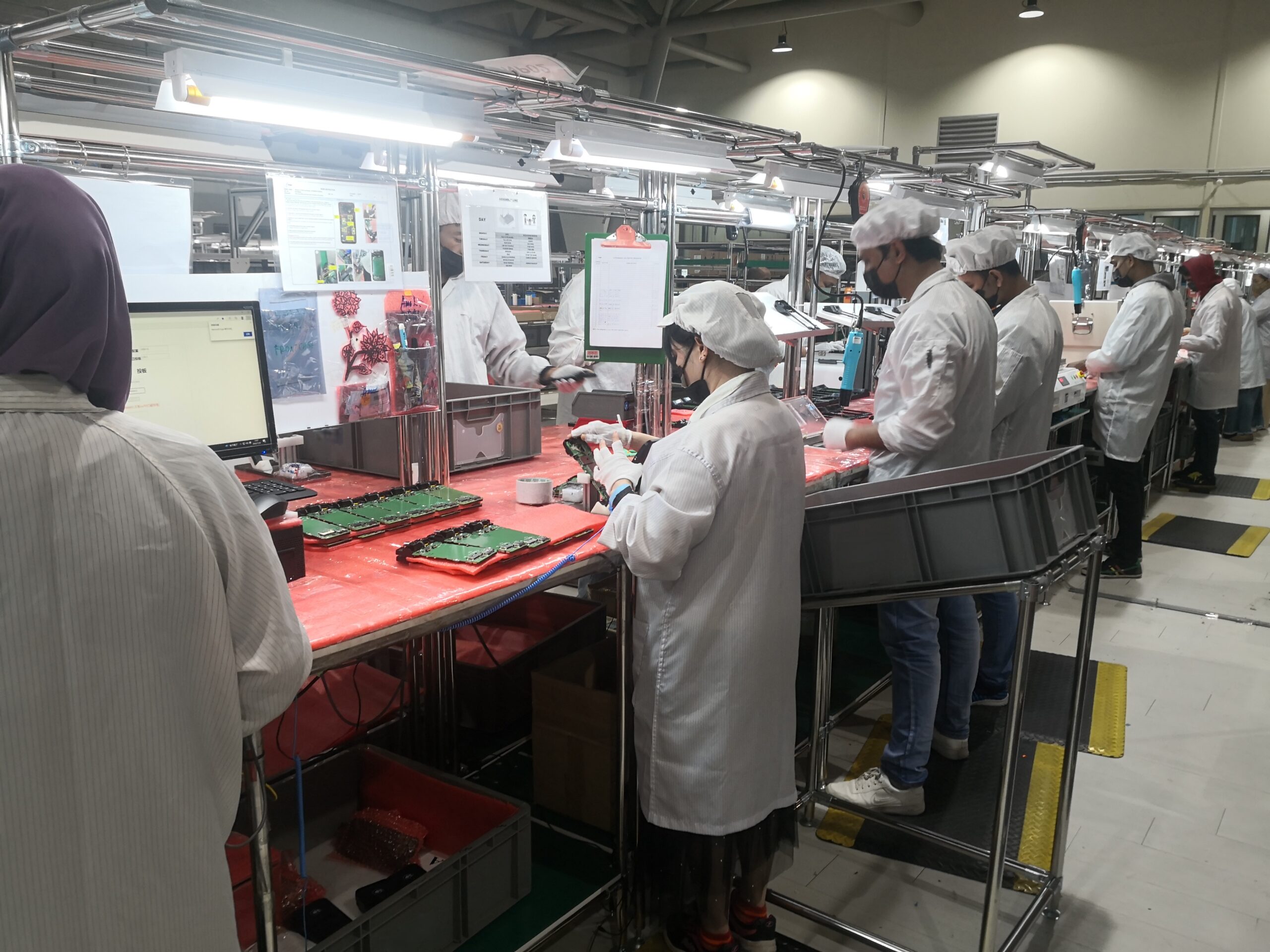
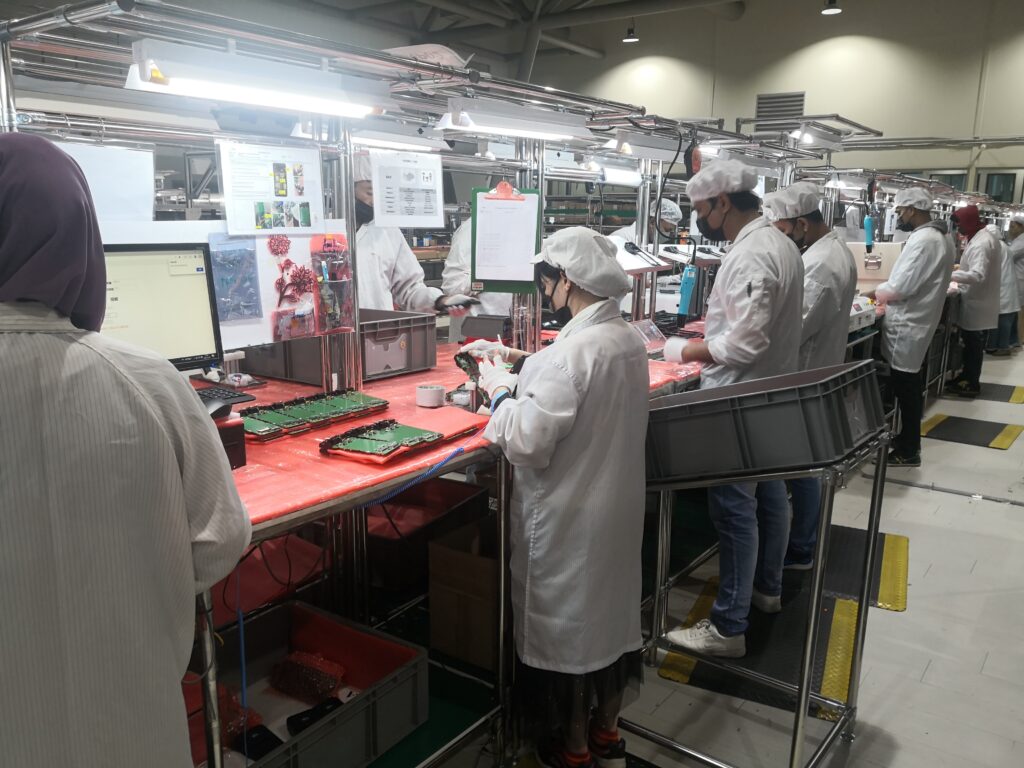
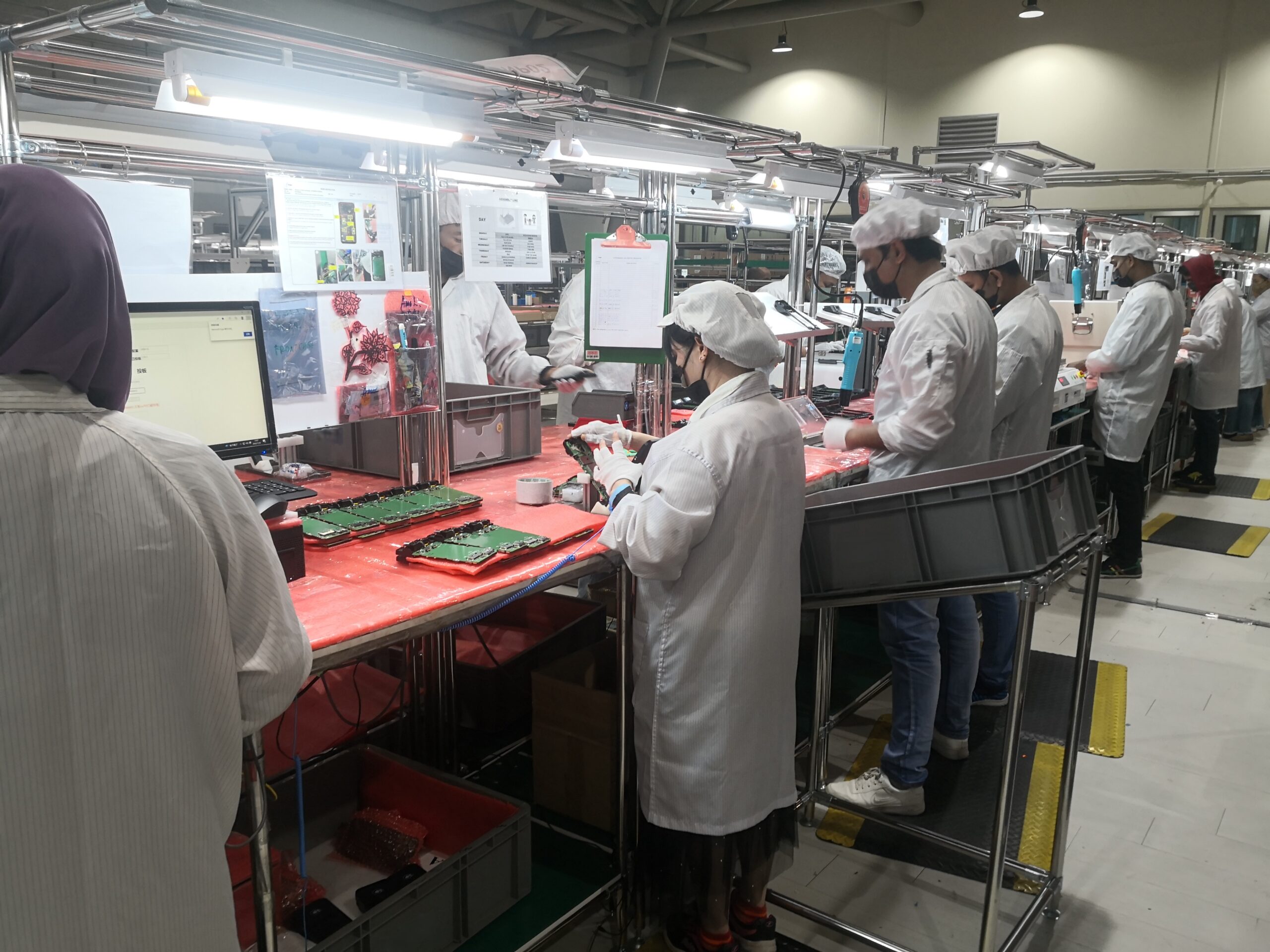
The contrast is striking because local assembly has been the bigger story for years. Domestic plants assembled 23.03 million phones between January and October 2026, nearly six times the 3.85 million units imported commercially over the same period. In October alone, local plants put together 2.95 million handsets against roughly one million imported.
Of the phones assembled in the first ten months of the year, about 9.62 million were smartphones and roughly 13 million were 2G devices. VGO TEL has overtaken Infinix as the largest local assembler, producing 3.50 million units in ten months against Infinix’s 2.27 million.
But the association’s monthly smartphone figures describe the part of the sector that is now contracting — and the industry says the pressure is building fast.
Why used phones are flooding in
Industry sources cited in the Tribune report point to two mechanisms behind the surge. The first is a narrowing tariff difference between fully built smartphones and completely knocked-down (CKD) kits, which has fallen to around 11 per cent on a $100 phone and 14 per cent on a $200 phone. When the gap between importing a finished phone and assembling one from parts is that small, the incentive to assemble locally weakens.
The second is a downward revision in FBR valuations issued in January 2026, which the industry says made it much cheaper to import used smartphones at under-invoiced values — at a cost to the national exchequer.
The association has also raised a problem it calls reverse cascading, which it says has made it impossible for assemblers to localise chargers, batteries, cables and motherboard assembly. A charger imported as part of a CKD kit attracts no duty, but the cumulative duty on importing the raw material and subcomponents that go into it is close to 20 per cent. The association has repeatedly asked the government to remove that discrepancy so that logistics and financial costs fall and exports become viable.
What the trade data actually shows
The national accounts tell a more measured story than the unit counts. The Pakistan Bureau of Statistics’ advance release on external trade for October 2026, published on 20 November, records mobile phone imports of Rs50,222 million in October on a provisional basis, against Rs39,725 million in September and Rs40,702 million in October 2025 — a rise of 26.42 per cent month on month and 23.39 per cent year on year.
Over the four months from July, however, the import bill was thinner than the year before: Rs166,205 million against Rs182,117 million, a fall of 8.74 per cent. In dollar terms, that is a 7.20 per cent fall to $598.147 million for July to October, against $644.574 million a year earlier, with October at $181.006 million after $143.046 million in September.
The combination is the story in a single line: the phone import bill fell over four months, then jumped by more than a quarter in October alone — and the manufacturers’ association says the fastest-growing part of that growth is used handsets arriving ready to use.
An industry waiting for a new policy
The duties that shape the decision sit in a policy vacuum. The Mobile Device Manufacturing Policy 2020-25 has expired and a replacement has yet to receive federal government approval, while incentives under the expired policy remain protected under the Fifth Schedule of the Customs Act, 1969.
Meanwhile, the duties themselves have moved in the importers’ favour. A Ministry of Commerce brief reported in September said regulatory duty on smartphones priced above $500 had been cut by 20 per cent to Rs17,600 per unit from Rs22,000 for FY2026-27, with additional customs duty reduced from 6 per cent to 4 per cent across the listed smartphone categories under the National Tariff Policy 2025-30. Regulatory duty on CKD and semi-knocked-down kits fell to 4 per cent from 5 per cent.
Industry sources offered India as the benchmark, saying its handset industry had gone from near-zero exports in 2020 to almost $30 billion in FY2025-26 through production-linked incentives and local value addition.
What happens next
Three things remain open. The ministries have not published a response to the association, and the letter itself has not been released, so the unit-level figures behind the complaint remain the association’s own. The FBR’s revised valuations are not the subject of any published review. And a replacement mobile device policy has been pending approval since the previous one lapsed — which leaves the association asking for a change to duties that were cut only three months ago.
One further caveat belongs with the data: the statistics bureau labels its October figures provisional, and the association’s production counts and the bureau’s handset counts are not the same measure. What can be said without qualification is that the value of phone imports into Pakistan fell by 7.2 per cent over four months to October, rose by more than a quarter in October alone, and that the manufacturers’ association says the fastest-growing part of that import growth is used handsets arriving ready to use — while the people who assemble Pakistan’s phones wait to see whether anyone in government answers.
Related Posts
 TechnologyZeeshan Ali Shenzhou-24 Launch: Pakistan’s First Astronaut Flies Tomorrow at 5:18 AM
 TechnologyIShowSpeed Beats GTA 6 in 52 Hours Without Sleep — Then Deletes His Own Save File
 TechnologyPTA Orders Mobile Operators to Fix Network Problems in Shorkot, Jhang, Shahpur and SahiwalTechnologyDucky Bhai Completes GTA 6 After 84-Hour Live Marathon on Ducky Reloaded
 TechnologyNCCIA Launches Cyber Safety Guide for Senior Citizens to Fight Online Scams
 TechnologyPakistan $2.5 Billion Tech Exports Target — New Mobile Manufacturing Policy Takes Shape
Most Popular
 How-ToPTA Tax Calculator 2026: Check Mobile Tax on Any Phone421 views
 Pakistan NewsPIA Boeing 787 Lease Deal: What It Means for the Airline396 views
 Canada JobsTech Jobs in Canada: Roles, Salaries, and Skills Needed394 views
 SportsUEFA Champions League 2026-27: Format, Teams and Schedule390 views
 TechnologyPM Shehbaz Sets November Deadline for Alibaba AI and Digitalisation Projects in Pakistan370 views
 ShowbizWomen’s Fashion in Pakistan 2026: Trends, Brands and Style Guide366 views