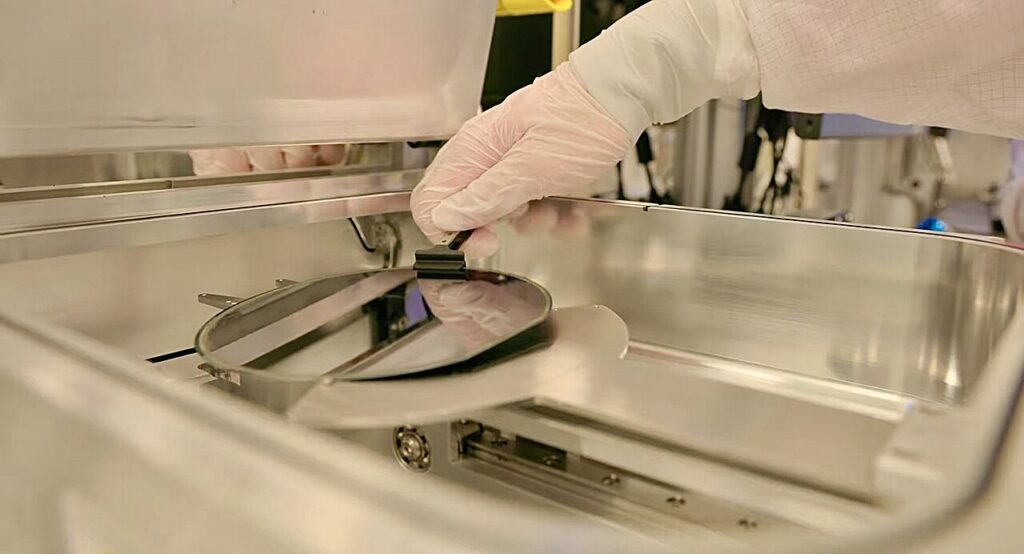
Researchers from Pakistan and China have begun exploring joint work on advanced semiconductor technologies, after an international symposium at the National University of Sciences and Technology (NUST) in Islamabad brought the two sides together.
The university’s BIOMISA Laboratory at the School of Interdisciplinary Engineering and Sciences (SINES) hosted the “International Symposium on Secure Computing and Emerging Microelectronics 2026”, which drew a nine-member delegation from China’s Nanjing University of Aeronautics and Astronautics (NUAA).
The event was jointly funded by the Pakistan Science Foundation and China’s National Natural Science Foundation, and it focused on a single, cutting-edge technology: faster, more energy-efficient computer chips built around Resistive Random Access Memory, better known as RRAM.
Semiconductors sit at the heart of almost everything digital — phones, laptops, cars, medical equipment and the data centres that power artificial intelligence. Pakistan imports nearly all of its electronics, and the global race to design better chips has become one of the most strategic contests in technology. For Pakistan, even a foothold in chip research would be a significant step.
A chip that remembers — and thinks
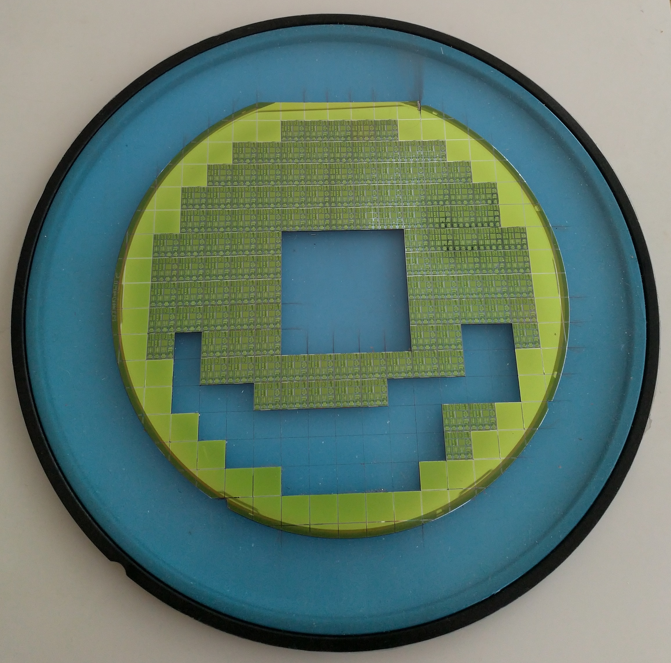
RRAM is an emerging memory technology with an unusual trick: it can retain information without continuous power, and it offers the potential to combine data storage and processing within the same hardware.
In a conventional computer chip, the memory and the processor are separate. Data constantly shuttles back and forth between them, and that movement wastes time and energy — a problem that grows worse as artificial intelligence workloads get bigger and hungrier.
The approach behind RRAM, known as computing-in-memory, cuts out much of that shuttling. By doing calculations where the data already sits, it can lower energy consumption and improve computing efficiency at the same time.
That combination matters most where power is limited or expensive: smartphones, battery-powered sensors, edge devices that run AI without a constant connection to the cloud, and the vast data centres whose electricity bills have become one of the tech industry’s biggest headaches.
Why it matters for AI and security
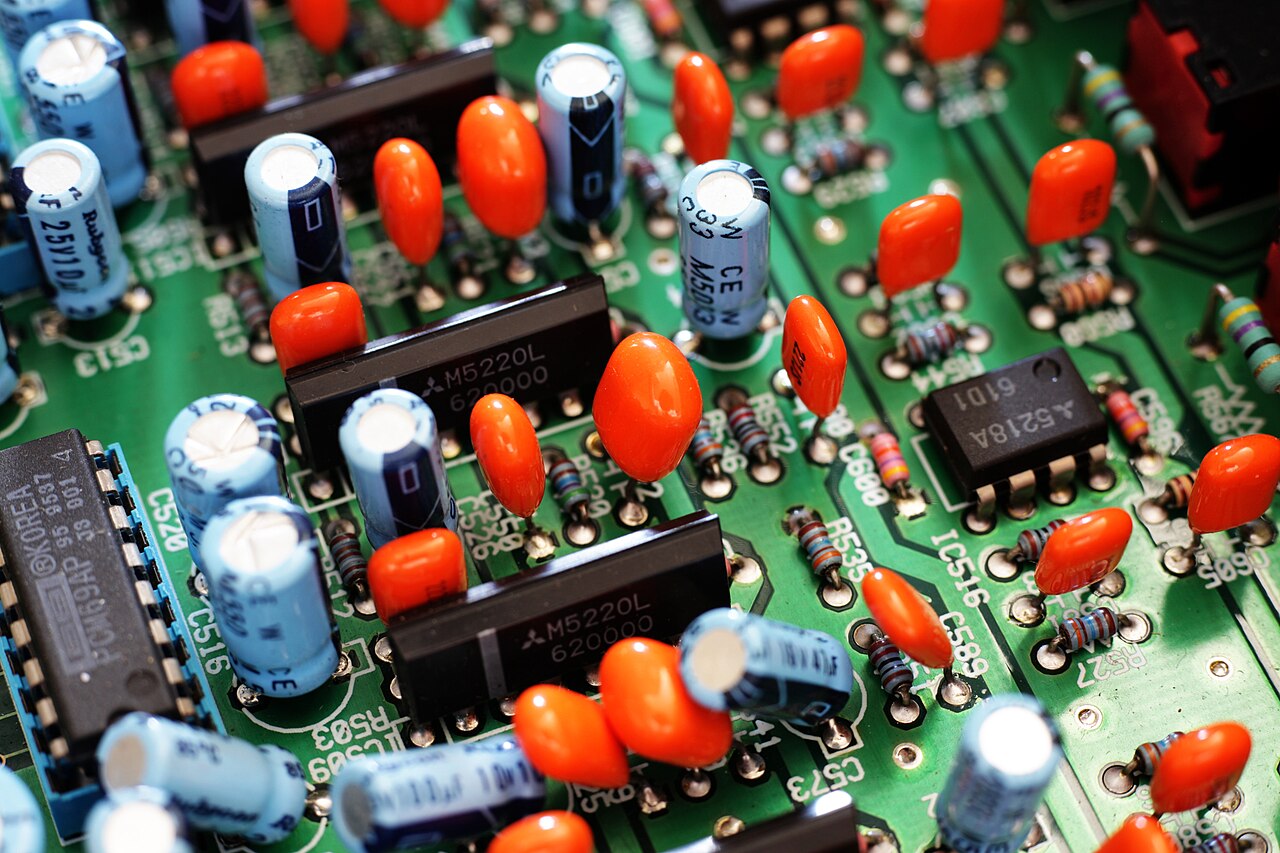
Chinese institutions have been actively advancing research in this field. Researchers from Tsinghua University and the Chinese Academy of Sciences have published work on RRAM-based computing-in-memory architectures, with applications in artificial intelligence, high-performance computing and cryptographic operations.
Recent research has also explored using RRAM architectures to efficiently process the mathematical operations required by post-quantum cryptography systems — the new generation of encryption designed to survive the arrival of powerful quantum computers.
That matters because the development of quantum computers raises concerns about the long-term security of conventional encryption systems. RRAM can provide efficient hardware for these complex computing operations, although quantum-resistant algorithms are separately required to protect sensitive digital information against potential future quantum attacks. The hardware and the maths are two halves of the same answer.
What the two sides will actually work on
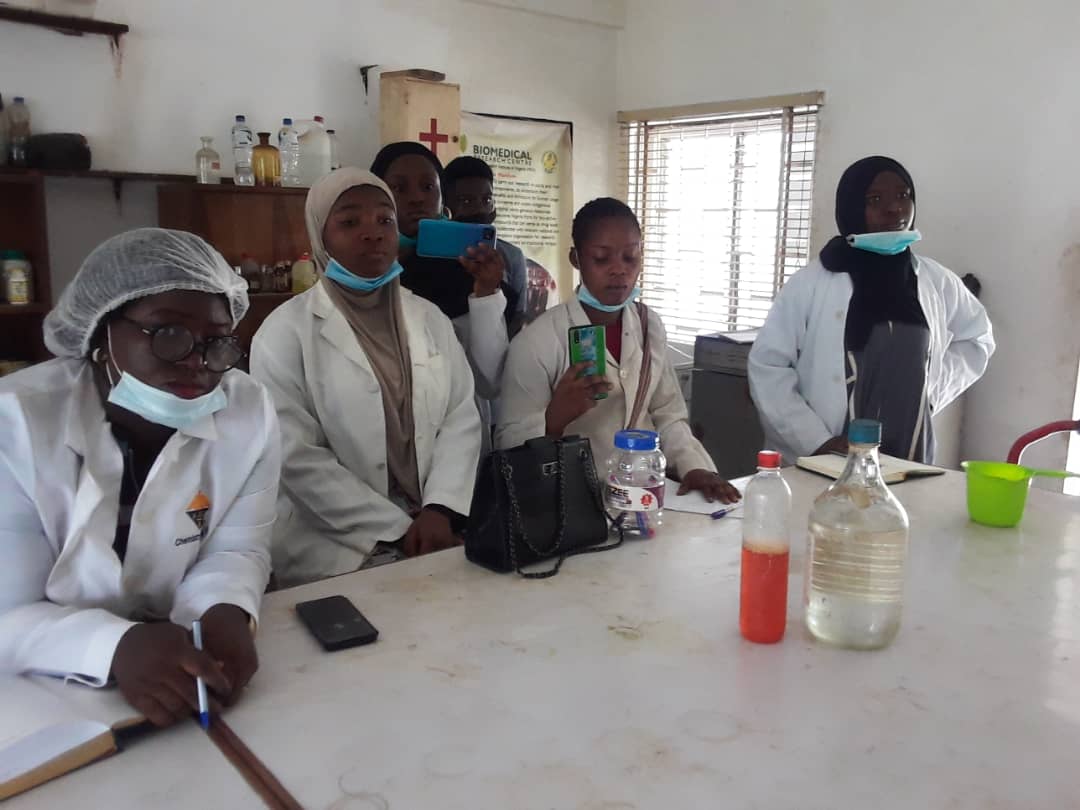
According to the NUST announcement, technical presentations at the symposium enabled both institutions to combine their expertise in security algorithms, digital systems, chip manufacturing and hardware reliability testing.
Participants were also introduced to NUST’s Chip Design Centre (NCDC), giving the visiting delegation a look at the university’s facilities and its existing capabilities in semiconductor design and development.
The symposium aimed to strengthen local capabilities in advanced semiconductor technology through research exchange and closer academic cooperation between Pakistan and China. The engagement reflects the opportunities for Pakistan to benefit from China’s growing semiconductor research ecosystem through academic partnerships and technical knowledge exchange in emerging computing technologies.
Pakistan’s slow climb up the chip ladder

Pakistan has no commercial chip fabrication plant, and nobody at the symposium pretended otherwise. The country’s strategy, for now, is to build strength in chip design and research first — the part of the industry that needs talented engineers rather than billion-dollar factories.
That direction is already visible elsewhere. The government has announced 10 National Catapults to turn university research into commercial products, starting with semiconductors and advanced electronics, and a free chip design training programme is offering a monthly stipend of Rs 50,000 to Pakistani students.
The NUST symposium fits the same pattern. No budget, timeline or product was announced, and no factory is being built on the back of this meeting. What it does offer is harder to measure but real all the same: joint research, shared expertise and hands-on experience with a technology that the world’s biggest chip laboratories are chasing.
If the cooperation deepens, Pakistani researchers will gain direct exposure to one of the most promising frontiers in computing — memory that thinks as well as remembers. For a country that imports nearly every chip it uses, that is a meaningful first step.
Sources: Independent News Pakistan (reporting Gwadar Pro); NUST announcement via INP.
Related Posts
 TechnologyTelcos Ask PM Shehbaz for Industrial Power Rates as $2 Billion 5G Push Faces 197% Electricity Hike
 TechnologyPunjab Digitises 5,805 of 6,014 Revenue Villages as World Bank Land Project Hits 90% Progress
 TechnologyNvidia Faces SEC Accounting Probe and California Criminal Investigation as Shares Crash 14%
 TechnologyBitcoin Rebounds More Than 8% From Two-Year Low to Reclaim $60,000
 TechnologyInstagram Now Lets You Edit Stories After Posting — But Only for 15 Minutes
 TechnologyPakistani Women Are Earning Lakhs Online Through Foodpanda, Facebook and JazzCash — But Real Financial Freedom Is Still Out of Reach
Most Popular
 How-ToPTA Tax Calculator 2026: Check Mobile Tax on Any Phone421 views
 Pakistan NewsPIA Boeing 787 Lease Deal: What It Means for the Airline396 views
 Canada JobsTech Jobs in Canada: Roles, Salaries, and Skills Needed393 views
 SportsUEFA Champions League 2026-27: Format, Teams and Schedule390 views
 TechnologyPM Shehbaz Sets November Deadline for Alibaba AI and Digitalisation Projects in Pakistan370 views
 ShowbizWomen’s Fashion in Pakistan 2026: Trends, Brands and Style Guide366 views