Punjab has digitised the land records of 5,805 of its 6,014 revenue villages, registering nearly 69.92 million land rights in the process, as a World Bank-funded land reform project reaches 90 per cent physical progress ahead of its June 2027 deadline.
The Punjab Urban Land Systems Enhancement Project, run by the Punjab Board of Revenue and the Punjab Land Records Authority, has converted more than 31 million person-based land records into parcel-based records — a shift from records organised around people to records organised around individual plots of land. The World Bank has upgraded its ratings for the project’s progress towards its development objectives and for overall implementation, moving both from “Satisfactory” to “Highly Satisfactory”.
For a province where land disputes fill the courts and a single plot can carry competing claims for generations, the milestone matters far beyond the paperwork. A digitised, parcel-based record makes it harder to alter entries quietly, easier to prove ownership, and faster to settle who owns what.
5,805 villages digitised — and 209 still to go
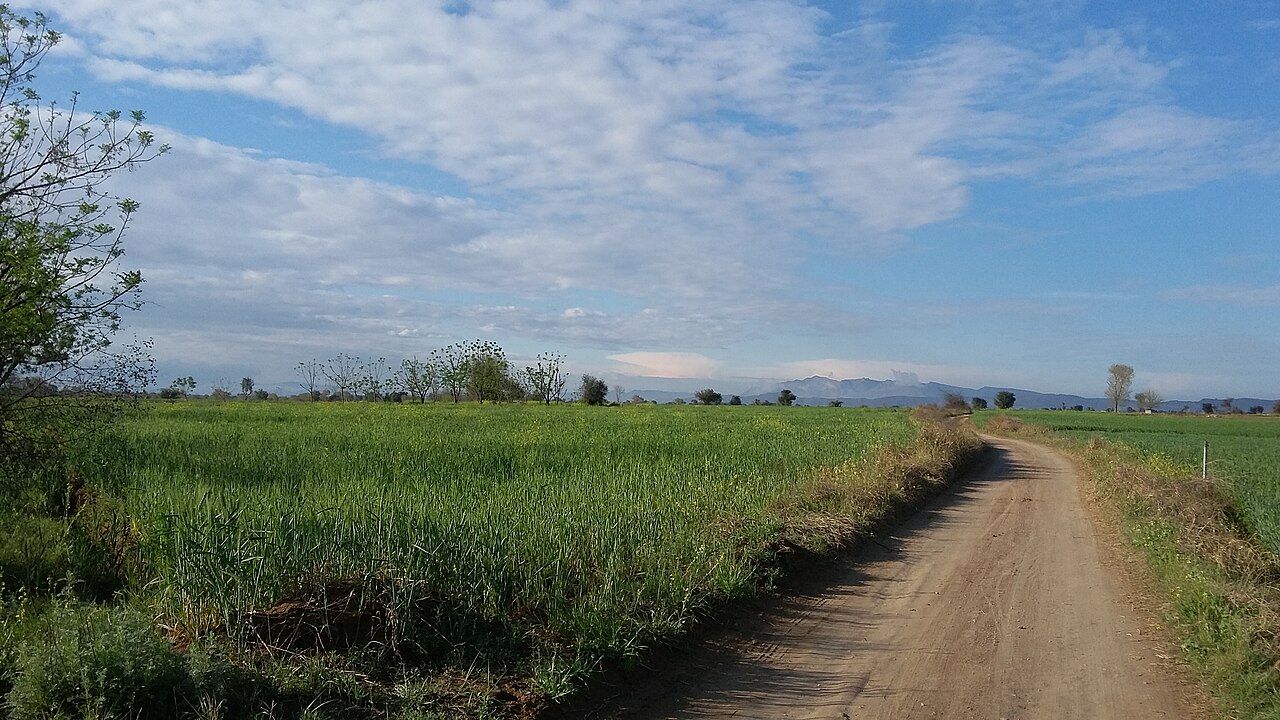
Of Punjab’s 6,014 revenue villages, known locally as mauzas, 5,805 have now been digitised and formally notified. A further 27 villages have been submitted for notification, while work on the remaining 182 is still pending.
The project reached 90 per cent physical implementation by October 2026, and all activities are expected to be completed by the scheduled closing date of 30 June 2027. The programme was approved on 10 March 2022, with the World Bank providing the financing and the provincial revenue authorities carrying out the work on the ground.
Digitisation on this scale means survey maps, ownership entries and rights records for almost the whole province now sit in a single digital system rather than in paper registers at local patwari offices. That is the practical change behind the headline figure: a record that once lived in a single office ledger can now be checked, verified and updated through the province’s land records system.
Nearly 70 million land rights now on record

The headline number behind the project is the scale of what has been registered: close to 69.92 million land rights now sit in the digitised system. Alongside that, more than 31 million person-based records have been converted into parcel-based records.
The distinction matters. Person-based records list land under the name of the holder, which makes it difficult to trace the full history of a single plot when it changes hands, splits between heirs or carries a mortgage. Parcel-based records anchor every entry to the plot itself, so the ownership history, boundaries and encumbrances of one piece of land stay together in one place.
The project also aims to identify public land for development, including land that can be used for housing programmes — a task that depends on knowing, plot by plot, what the state already owns and where its boundaries lie.
World Bank raises its rating — but the money is moving slower
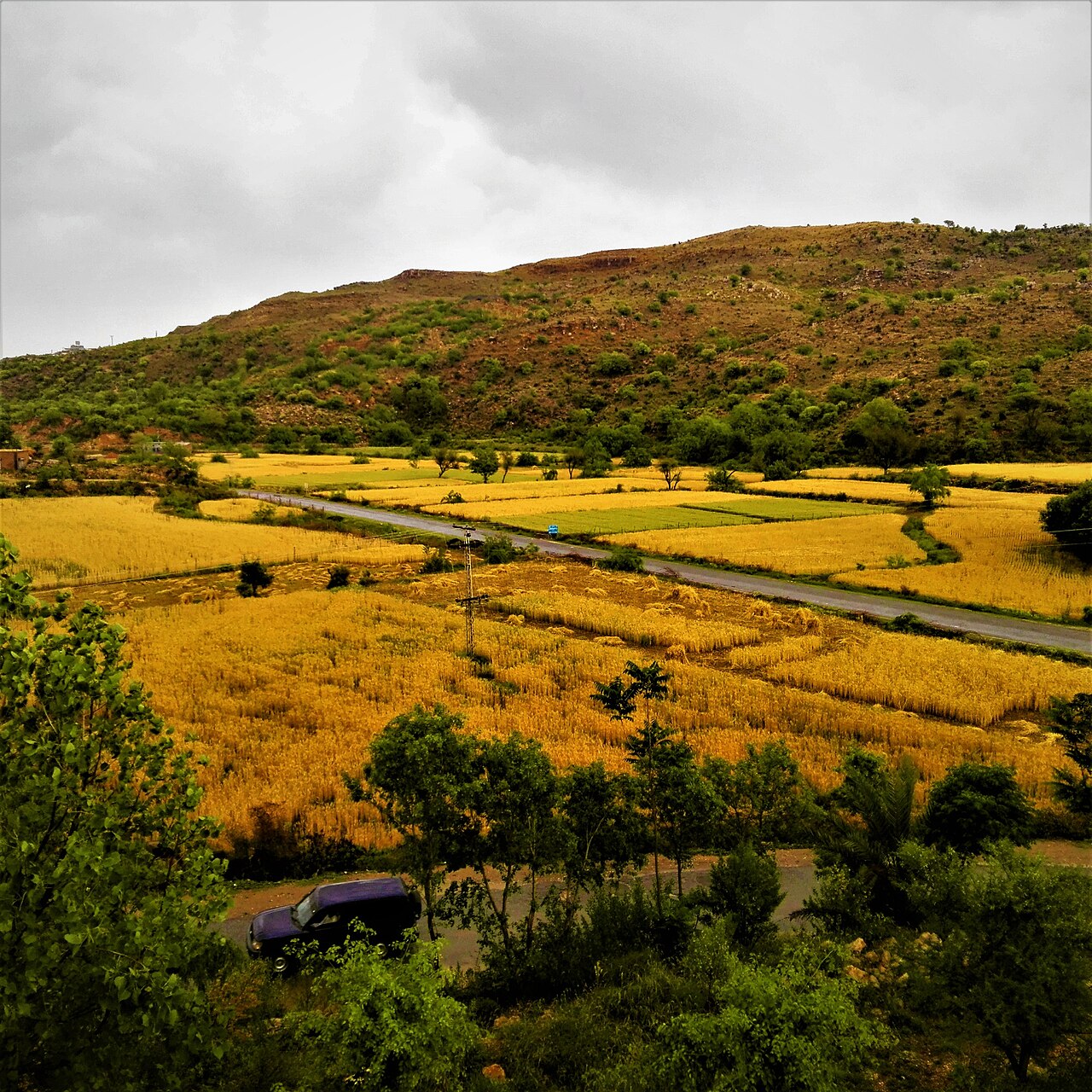
The World Bank’s latest assessment upgraded both the project’s progress towards its development objectives and its overall implementation from “Satisfactory” to “Highly Satisfactory”, a recognition that the work has exceeded several of its key targets. The Bank kept the project’s overall risk rating at “Moderate”.
The financing picture is less advanced than the physical work. The project was approved with an initial allocation of 150 million US dollars, later revised to 145.76 million dollars. By October 2026, about 90.08 million dollars had been disbursed — 61.8 per cent of the total credit — leaving 55.68 million dollars still undisbursed.
That gap between physical progress and disbursement is common in large public-sector projects, where payments follow verification milestones rather than the pace of fieldwork. But it is the figure to watch as the project enters its final months: the remaining funds must flow if the last 182 villages are to be digitised and notified on schedule.
What changes for landowners in Punjab
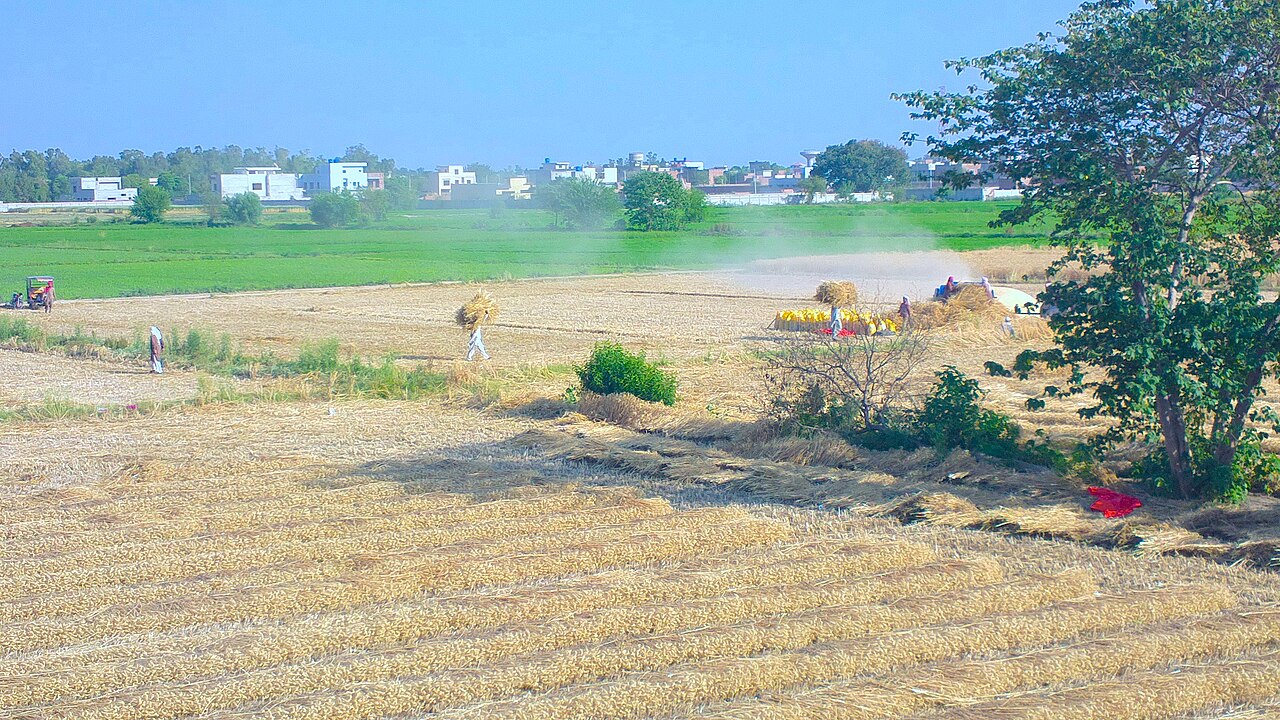
For ordinary landowners, the value of the project is practical rather than abstract. A digitised parcel record means an owner can establish title without relying on a paper register that may be incomplete, damaged or disputed. It makes buying and selling land simpler, gives banks a clearer basis for lending against property, and reduces the space for the record-tampering that has fuelled land-grabbing cases across the province.
The work also fits into a wider digital shift in how the state deals with citizens. Pakistan recently climbed 17 places to 119th in the United Nations E-Government Development Index, with its online services score rising 20 per cent — and land records are one of the services where a digital system touches daily life most directly, from inheritance claims to property transfers.
The test now is the finish. With 209 villages still to be notified and the June 2027 deadline fixed, the project must hold its pace through its final phase — and the remaining funds must be released in time to pay for it.
Sources: eGov/eletsonline (https://egov.eletsonline.com/2026/11/punjab-land-reform-project-hits-90-progress-ahead-of-2027-deadline/) and GSRRA (https://gsrra.com/pakistan-world-bank-funded-punjab-land-reform-project-achieves-90pc-progress/) — World Bank project documents.
Related Posts
 TechnologyNvidia Faces SEC Accounting Probe and California Criminal Investigation as Shares Crash 14%
 TechnologyBitcoin Rebounds More Than 8% From Two-Year Low to Reclaim $60,000
 TechnologyInstagram Now Lets You Edit Stories After Posting — But Only for 15 Minutes
 TechnologyPakistani Women Are Earning Lakhs Online Through Foodpanda, Facebook and JazzCash — But Real Financial Freedom Is Still Out of Reach
 TechnologyFBI Investigating Suspected Breach of National Crime Database Used by Police Across America
 TechnologyAshton Kutcher’s $435 Million Anthropic Bet Is Now Worth $7 Billion
Most Popular
 How-ToPTA Tax Calculator 2026: Check Mobile Tax on Any Phone421 views
 Pakistan NewsPIA Boeing 787 Lease Deal: What It Means for the Airline396 views
 Canada JobsTech Jobs in Canada: Roles, Salaries, and Skills Needed393 views
 SportsUEFA Champions League 2026-27: Format, Teams and Schedule390 views
 TechnologyPM Shehbaz Sets November Deadline for Alibaba AI and Digitalisation Projects in Pakistan370 views
 ShowbizWomen’s Fashion in Pakistan 2026: Trends, Brands and Style Guide366 views