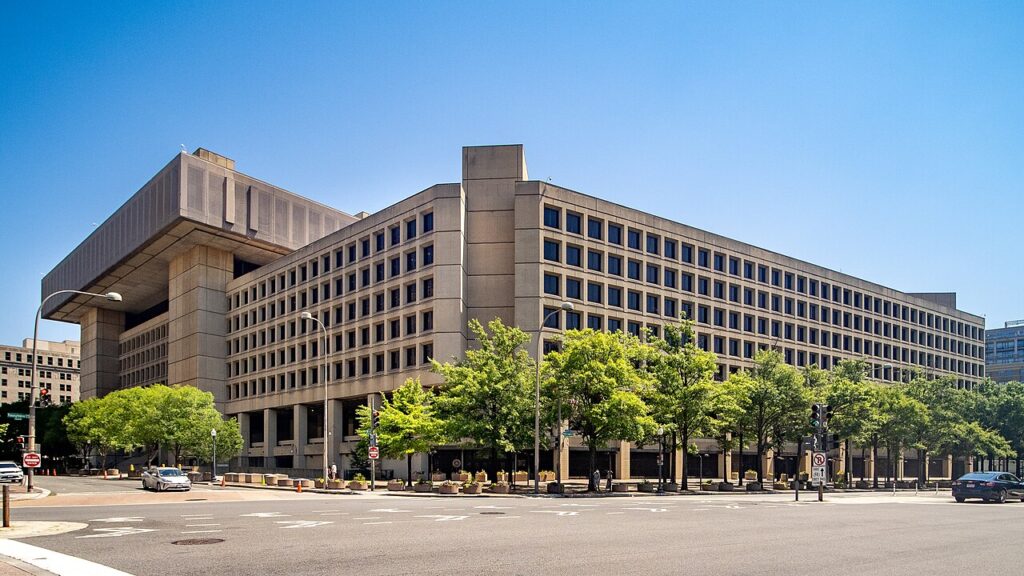
The FBI is investigating an apparent breach of the National Crime Information Center, the nationwide database that police officers across the United States rely on to check warrants, find missing people and run background checks. The intrusion was first reported on Friday evening, and the bureau has still not confirmed it in public — but three major news organisations have now reported it through their own sources, and the president has acknowledged it.
The story matters because the database, known as NCIC, sits at the centre of American policing. Every time an officer runs a check during a traffic stop or a detective looks up a warrant, there is a good chance the answer comes from this system. A report that someone got into it without permission therefore raises an urgent question: can the records inside it still be trusted?
What Has Been Reported
CNN broke the story on the evening of Friday, 20 November, citing two people briefed on the investigation. The network reported that the FBI is investigating an apparent breach of the NCIC system and that bureau officials learned of the incident earlier in the week, by Thursday, 19 November. The intrusion itself was discovered in recent days, though it is not clear exactly when it happened.
NBC News confirmed the report through two sources of its own. Fox News went further, citing three sources who said hackers had breached the system and that the FBI is still working out how they got in. The Associated Press confirmed the incident on Saturday through a person familiar with the matter who spoke on condition of anonymity. The FBI declined to comment on Saturday, and it did not immediately answer CNN’s request for comment on Friday. BleepingComputer reported the apparent breach of the nationwide police database.
President Donald Trump was asked about the incident in a Fox News interview on Saturday. “We just heard about it, and I will say that it’s not good,” he said.
That is, for now, the full extent of what is confirmed. Everything else about the FBI NCIC database breach remains unknown. No outlet has named a suspect, and no group has claimed responsibility. No report has said what information, if any, was read, copied or changed, and the FBI has not said whether the system’s availability to police has been affected.
What Is NCIC — and Why It Matters
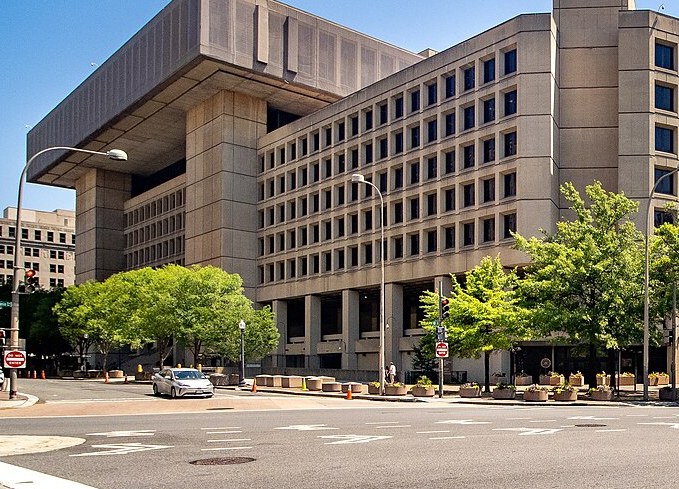
The National Crime Information Center is the FBI’s central database for sharing criminal justice information between federal, state and local law enforcement agencies. It has been running since 1967, when it started with just five files, 356,784 records and fifteen state and city computers linked to the bureau’s host machine.
Today, by the FBI’s own 2023 figures, the system holds 22 files containing more than 18 million active records, answers millions of queries a day and serves more than 100,000 criminal justice and law enforcement partners. It is run by the FBI’s Criminal Justice Information Services Division in Clarksburg, West Virginia, and it is available to authorised agencies around the clock, every day of the year.
The files fall into two groups. Seven property files cover stolen vehicles, licence plates, boats, guns, securities, vehicle and boat parts and other stolen articles. Fifteen person files cover wanted people, missing and unidentified people, protection orders, the national sex offender registry, people on supervised release, gang and terrorist-screening records, foreign fugitives, immigration violators, identity-theft victims and people denied in a firearm background check.
That last point connects the database to gun sales. Every background check under the National Instant Criminal Background Check System searches three sources, and NCIC is one of them. The reported breach is of NCIC rather than the background-check system itself — but a wrong record in NCIC could still feed into a decision about whether a sale goes through.
The deeper risk is not only about leaked data. If an attacker could alter records rather than simply read them, the consequences would reach into everyday policing: a warrant that should be there might not be, or a protection order might not show up when an officer needs it. That is why the FBI’s own rules require officers to verify a database hit with the agency that entered the record before acting on it — a safeguard that matters even more while the investigation is under way.
What We Still Do Not Know
Nobody has said publicly who got in, how they got in, or how long they had access. Fox News reported that the FBI is still working to find the entry point. Nobody has said which of the system’s 22 files the intruders reached, or whether they reached any records at all. No outlet has reported that records were copied, altered or deleted — and no outlet has reported that they were not.
Second FBI Breach in Two Months
If confirmed, this would be the second intrusion involving an FBI system in recent months. In September, the extortion group ShinyHunters said it had stolen information on FBI employees and applicants — about 38,000 people, according to later reporting — by exploiting an unpatched vulnerability in Oracle’s PeopleSoft software behind the bureau’s jobs website. That breach hit a contractor-run recruitment platform rather than the bureau’s core network. There is no indication so far that ShinyHunters is linked to the NCIC intrusion, and no group has claimed this one. In Pakistan, the NCCIA arrested a Karachi man accused of selling stolen FBI and CIA data.
A Wider Week of Cyber Incidents
The reported breach comes at the end of a week in which American officials have been dealing with a string of digital problems. NBC News reported on Friday that hackers had also reached a system at the Department of Agriculture used to pay farmers, with employees told about it on Thursday. Earlier in the week there were outages affecting banks, the National Security Agency and the Federal Aviation Administration’s air traffic control system.
Trump administration officials have said those outages were caused by routine efforts to upgrade computer systems and fix vulnerabilities, rather than by cyberattacks, and there is no immediate indication that the FBI incident is related to them. Even so, the NCIC report is the most serious of the week’s incidents: the others disrupted services, while this one touches the records that police officers trust with people’s safety. Separately, the NCCIA’s raid on a Lahore call centre led to eight arrests over a UK phone scam.
For now, the investigation is the story. The FBI will have to establish how the intruders got in, what they reached and whether anything was changed — and then say so. Until it does, the database that American police query millions of times a day carries a question mark, and every agency that relies on it will be watching for the answer.
Related Posts
 TechnologyAshton Kutcher’s $435 Million Anthropic Bet Is Now Worth $7 Billion
 TechnologyStanford Fires Back With All-Human Riemann Proof Hours After Claude’s Claim — Then Problems Emerge
 TechnologyPakistan’s First AI Satellite Imagery Service Launches: Novascope Turns 10-Metre Views into 1-Metre Detail
 TechnologyNCCIA Raids Lahore Call Centre Targeting UK Customers — Eight Arrested in Fake Phone Scam
 TechnologyPTA Inspects 226 Mobile Sites Across Pakistan, Finds Faulty Batteries and Failing Generators
 TechnologyNCCIA Launches Cyber Info App: Report Online Scams, Fraud and Hacking From Your Phone
Most Popular
 How-ToPTA Tax Calculator 2026: Check Mobile Tax on Any Phone421 views
 Pakistan NewsPIA Boeing 787 Lease Deal: What It Means for the Airline396 views
 Canada JobsTech Jobs in Canada: Roles, Salaries, and Skills Needed392 views
 SportsUEFA Champions League 2026-27: Format, Teams and Schedule390 views
 TechnologyPM Shehbaz Sets November Deadline for Alibaba AI and Digitalisation Projects in Pakistan370 views
 ShowbizWomen’s Fashion in Pakistan 2026: Trends, Brands and Style Guide366 views