Pakistan’s four biggest telecom operators have jointly asked Prime Minister Shehbaz Sharif to charge them industrial electricity rates instead of commercial ones, warning that soaring power costs now threaten the $2 billion they have promised to spend on 5G, fibre and data centres over the next three years.
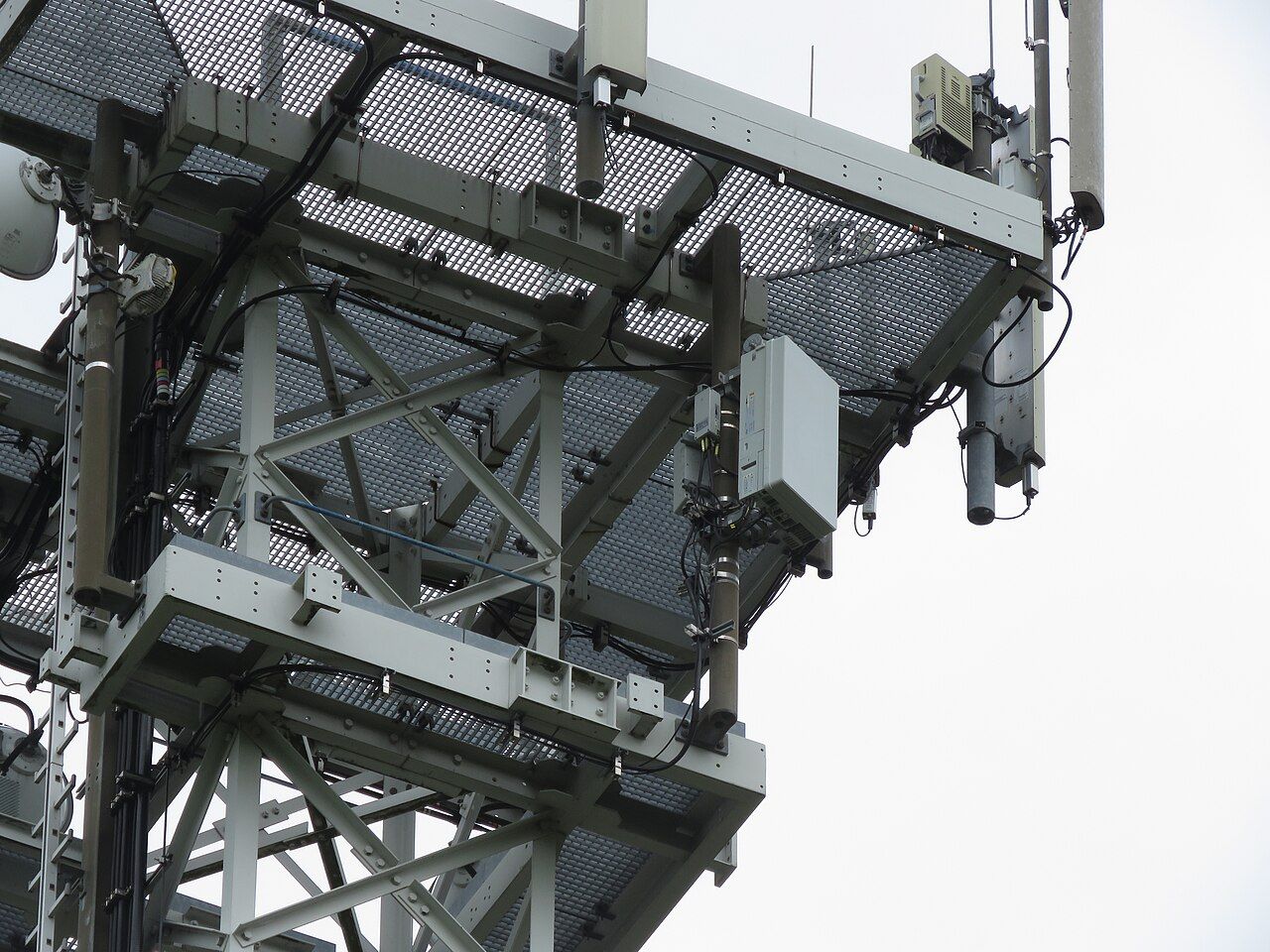
The chief executives of Jazz, Zong (CMPak), PTML — the company behind Ufone and Telenor Pakistan — and PTCL wrote together to the prime minister, asking for the industrial tariff to be extended to licensed telecom infrastructure. At present, their towers, exchanges and data centres pay commercial power rates, which the operators say have risen by about 197 percent since 2018.
The request comes at a sensitive moment. Pakistan’s nationwide 5G rollout is expected to take about another two years, and the industry says power bills are now one of the biggest obstacles to building the networks. The operators have pledged to reinvest any savings from cheaper electricity in 5G expansion, rural coverage and fibre to homes.
What the operators are asking for
The joint letter asks the government to issue a policy directive extending the industrial electricity tariff to telecom infrastructure, or to create a new “Digital/Telecom Infrastructure” consumer category billed at industrial rates, with power distribution companies given a fixed timeline to apply it.
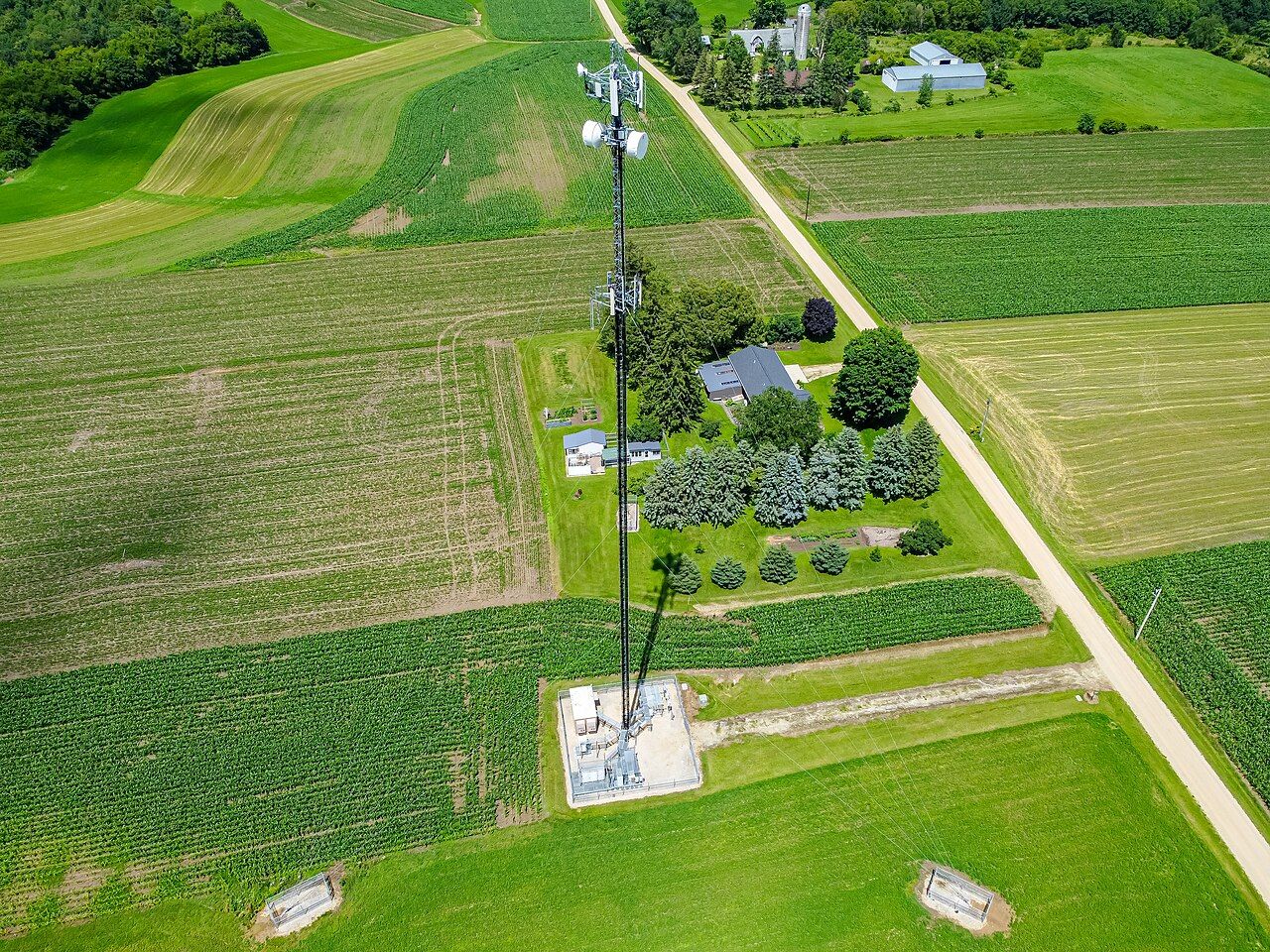
To prevent misuse, the cheaper rate would apply only to infrastructure certified by the Pakistan Telecommunication Authority: mobile towers and base stations, switching centres, exchanges, data centres, fibre-to-the-home nodes and network operations centres. Offices, customer service centres, franchises and retail outlets would stay on regular commercial rates.
The operators argue that telecom has long been recognised as an industry in government policy and law, pointing to the Mobile Cellular Policy 2004 and the Finance Act 2021. They also note that the National Electric Power Regulatory Authority extended the industrial tariff to dairy and poultry farms in 2018, and that the Income Tax Ordinance treats PTA-licensed operators as industrial undertakings.
Power bills have risen 197% since 2018
The numbers behind the appeal show how sharply the cost of keeping a mobile network running has climbed. According to the operators, commercial electricity tariffs for telecom sites have risen by about 197 percent since 2018, while the fuel cost of running sites has jumped by roughly 300 percent over the same period. Average revenue per user, meanwhile, has fallen by about 22 percent, and a further 5 percent withholding tax adds to the pressure.
The squeeze is set to worsen. The operators say power consumption will climb sharply as 5G traffic grows and as artificial intelligence-ready data centres come online, widening the gap between commercial and industrial rates even further. Running a tower on expensive fuel in a rural area is already costly; adding 5G equipment to thousands of sites will push consumption higher still.
The industry also argues that cheaper grid power would change how it keeps sites running. The operators say lower tariffs would cut off-grid solar growth from 15 percent to between 5 and 7 percent and lift grid electricity use by 15 to 20 percent — enough, in their estimate, to cover any revenue loss for the power distributors within two to three years.
The $2 billion investment at stake
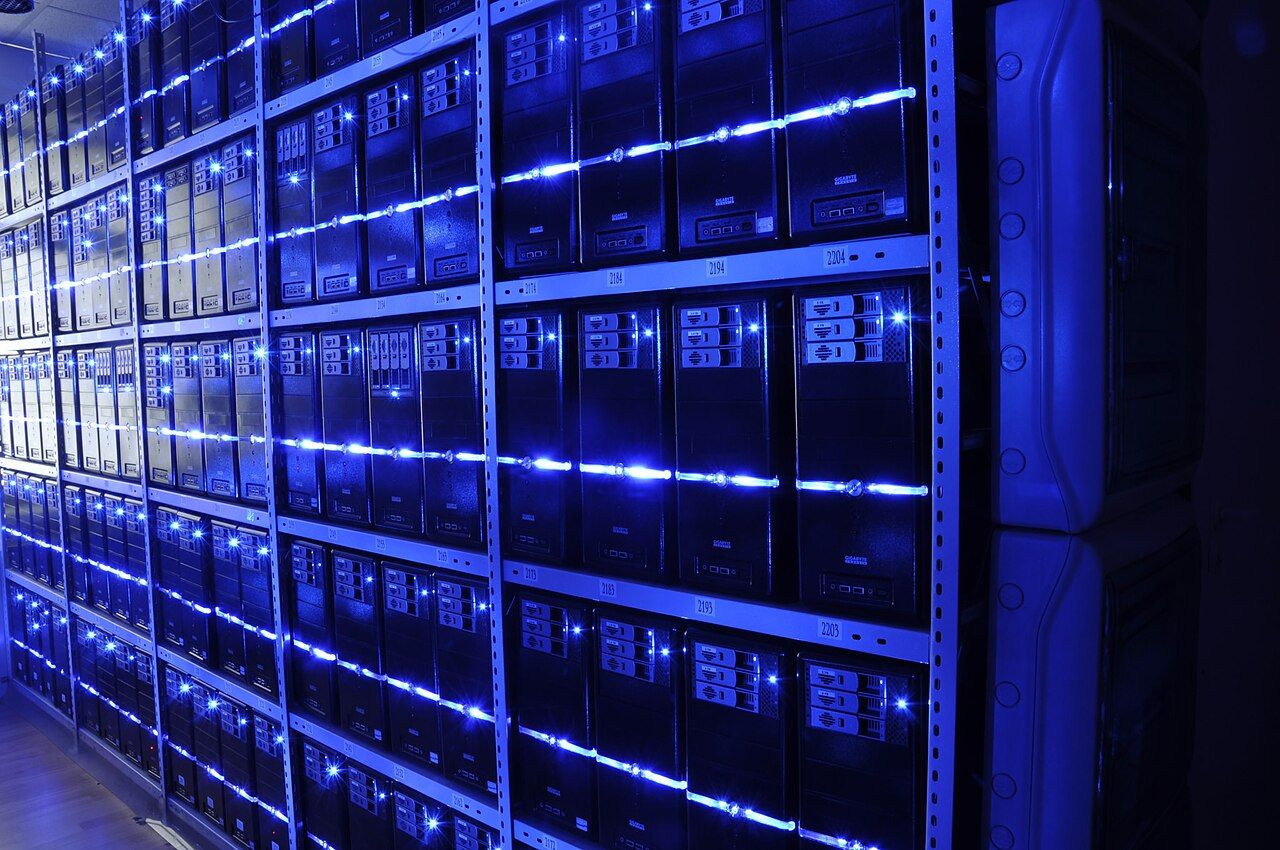
The industry has committed about $2 billion over the next three years to roll out 5G, expand fibre networks and invest in Tier-III data centres built to handle artificial intelligence workloads. It is the largest investment pledge the sector has made, and the operators say its pace depends on whether running costs can be brought under control.
Spectrum is no longer the main constraint after the March 2026 auction; the focus has shifted to the cost and reliability of power at thousands of sites. Pakistan’s 5G network has already reached 24 cities, with 1,782 sites deployed, and the next phase will need far more. If power stays this expensive, the operators warn, the build-out slows — and with it the faster mobile internet and wider coverage customers are waiting for.
What happens next — and what it means for users
The government has not yet decided. A joint task force of the IT Ministry, Power Division, NEPRA, PTA, operators and distribution companies was formed on 29 June 2026 under the 5G spectrum auction policy directive, and held its first meeting on 4 August. The Prime Minister’s Office has since directed the task force to finalise its recommendations, including the financial cost and a way to absorb the difference between commercial and industrial tariffs, after consulting the Power and Finance divisions.
For mobile users, lower power bills could ease the cost of expanding coverage, particularly in rural areas where sites often run on expensive fuel. Whether that means cheaper packages is a separate question — the request is still only a proposal.
For now, the ball is with the task force. Its recommendations will decide whether Pakistan’s telecom networks — and the $2 billion riding on them — get power at industrial rates, or keep paying commercial prices while 5G is built.
Sources: Business Recorder (via ITInsider); TaazaTaren; Around.pk.
Related Posts
 TechnologyPunjab Digitises 5,805 of 6,014 Revenue Villages as World Bank Land Project Hits 90% Progress
 TechnologyNvidia Faces SEC Accounting Probe and California Criminal Investigation as Shares Crash 14%
 TechnologyBitcoin Rebounds More Than 8% From Two-Year Low to Reclaim $60,000
 TechnologyInstagram Now Lets You Edit Stories After Posting — But Only for 15 Minutes
 TechnologyPakistani Women Are Earning Lakhs Online Through Foodpanda, Facebook and JazzCash — But Real Financial Freedom Is Still Out of Reach
 TechnologyFBI Investigating Suspected Breach of National Crime Database Used by Police Across America
Most Popular
 How-ToPTA Tax Calculator 2026: Check Mobile Tax on Any Phone421 views
 Pakistan NewsPIA Boeing 787 Lease Deal: What It Means for the Airline396 views
 Canada JobsTech Jobs in Canada: Roles, Salaries, and Skills Needed393 views
 SportsUEFA Champions League 2026-27: Format, Teams and Schedule390 views
 TechnologyPM Shehbaz Sets November Deadline for Alibaba AI and Digitalisation Projects in Pakistan370 views
 ShowbizWomen’s Fashion in Pakistan 2026: Trends, Brands and Style Guide366 views