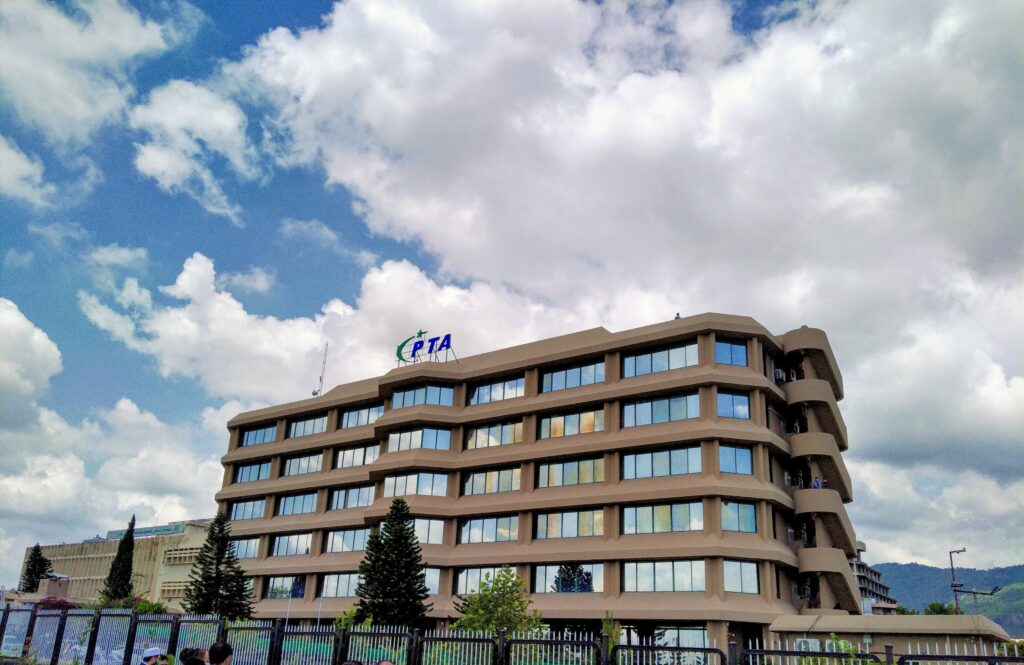
The Pakistan Telecommunication Authority has ordered mobile operators to fix the network problems its teams found in Shorkot, Jhang, Shahpur, Sahiwal and nearby areas, after a three-day drive-test survey along the Islamabad–Multan route. The PTA network survey Shorkot Jhang Sahiwal covered towns that many travellers and residents say have lived with patchy signal, dropped calls and slow mobile data for years — and the regulator says the operators must now act on what its teams saw on the ground.
The survey ended on 22 November 2026. Over three days, PTA teams tested live voice calls and mobile data at points along the route, checking coverage, call quality and internet speeds. On the final leg, officials and representatives of the mobile operators drove along Old Road through Kabirwala Tehsil, Shorkot, Jhang, Shahpur and Sahiwal, testing signal and service as they went — and talking to the people who use those networks every day.
What the three-day PTA network survey covered
The exercise was a Quality of Service and Quality of Experience survey — QoS and QoE in the regulator’s language. Quality of Service measures the technical side: dropped calls, whether calls connect, and how fast data moves. Quality of Experience measures what users actually feel: whether a video loads smoothly, whether a call is clear, and whether a mobile payment goes through. Regulators use both, because a network can look fine on technical numbers while users still struggle in practice.
The survey began with tests along the Islamabad–Multan motorway, under a press release issued by the PTA on 20 November. The team was led by the PTA’s Director General (Enforcement), Amir Shahzad, and included representatives of the cellular mobile operators. In Multan, the regulator also held meetings with mobile operators, fixed-line operators and other licensees at district level, directing them to maintain reliable voice and data connectivity, provide adequate network coverage, monitor performance regularly, and address coverage gaps and congestion promptly.
On the return journey, the team drove the Old Road route through Kabirwala, Shorkot, Jhang, Shahpur and Sahiwal. Along the way, officials spoke to local residents and members of the public about the quality of their mobile service, and inspected telecom infrastructure at different locations. That direct feedback — from the people who live with the signal every day — sat alongside the drive-test measurements in the regulator’s findings.
PTA orders operators to fix the problems
Based on the test results, the field observations and the public complaints it collected, the PTA has issued directions to the mobile operators to resolve the service problems identified during the survey and to improve coverage and connectivity in the areas named. The authority says the aim is better coverage and connectivity for local users — not just on paper, but in the calls and data sessions people make every day.
What the PTA has not done is name names. The regulator did not say which operators received directions, which towns had the worst results, or by when the problems must be fixed. Those details — operator-wise results and any deadlines — are the next concrete thing subscribers in these towns should look for, and they are expected to appear in the regulator’s full report.
That matters because this is not the first time the PTA has gone out to check networks in person rather than relying on the reports operators file. The authority has been running field surveys to see what subscribers actually experience while travelling, working and communicating — and the pattern in recent exercises has been the same: test first, then tell the operators to fix what was found. For the full list of the authority’s current work, visit the Pakistan Telecommunication Authority website.
What QoS and QoE mean for your phone

For people in Shorkot, Jhang, Shahpur and Sahiwal, the survey’s findings are about everyday life, not just technical scores. Small traders use mobile wallets to take payments. Students depend on mobile data for classes and assignments. Farmers check market prices and weather on their phones. When the signal drops or data crawls, that is lost income and missed information — and complaints often rise during peak hours, when the most people are trying to use the network at once.
The towns along Old Road connect busy farming and trading areas of southern Punjab, and many shopkeepers, transporters and farmers there depend on their phones for payments, orders and market prices. A dropped call during a deal, or a payment that fails to go through, is a real cost. That is why the PTA’s teams did not only measure signal strength: they asked residents how the service actually behaves, and they inspected the towers and equipment on the ground.
The survey also fits into a wider push by the regulator on service quality. The PTA recently finalised a licensing framework for in-flight telecommunication services, and it regularly publishes figures on how Pakistanis use the internet — including that the country has 96 million YouTube users. Better coverage in smaller towns is part of the same picture: connectivity that works beyond the big cities.
What happens next — and how to complain
The PTA will now compile a comprehensive report covering all three days of the survey, and that report is where operator-wise results and any fix deadlines should appear. Until then, residents of the towns named in the survey have a practical route if their service is still poor: first register a complaint with your operator’s helpline and note the complaint number. If it is not resolved, escalate it to the PTA through its online complaint system, mentioning the location, the time and the type of problem — a dropped call, slow data or no signal at all. Specific details make it easier for engineers to find the faulty site.
Regular drive tests by the regulator usually follow, to check that the fixes are real rather than promised. For subscribers along Old Road, the test now is whether the operators’ work shows up as a stronger signal on their own phones — and whether the PTA’s detailed report names the places and the deadlines that this announcement did not.
The PTA has already shown it is willing to test networks in the field instead of taking operators’ word for it. This survey adds four more Punjab towns to that record — and the next step belongs to the operators.
The PTA recently finalised its licensing framework for in-flight internet services in Pakistan.
Pakistan now has 96 million YouTube users, according to figures shared by the PTA chief.
Zong has partnered with Xiaomi to make 5G phones more affordable for Pakistani buyers.
Source: TechProlonged
Related Posts
 TechnologyDucky Bhai Completes GTA 6 After 84-Hour Live Marathon on Ducky Reloaded
 TechnologyNCCIA Launches Cyber Safety Guide for Senior Citizens to Fight Online Scams
 TechnologyPakistan $2.5 Billion Tech Exports Target — New Mobile Manufacturing Policy Takes Shape
 TechnologySCICON 7.0: Sindh Urges 350+ Karachi Students to Prepare for an AI-Driven Future
 TechnologyNational CERT Warns WhatsApp Users: Update Now — Five Security Flaws Found
 TechnologyNCCIA Orders Daily Cybercrime Reports as Crackdown Continues — 78 Illegal Call Centres Shut, Rs240 Billion Betting Network Exposed
Most Popular
 How-ToPTA Tax Calculator 2026: Check Mobile Tax on Any Phone421 views
 Pakistan NewsPIA Boeing 787 Lease Deal: What It Means for the Airline396 views
 Canada JobsTech Jobs in Canada: Roles, Salaries, and Skills Needed394 views
 SportsUEFA Champions League 2026-27: Format, Teams and Schedule390 views
 TechnologyPM Shehbaz Sets November Deadline for Alibaba AI and Digitalisation Projects in Pakistan370 views
 ShowbizWomen’s Fashion in Pakistan 2026: Trends, Brands and Style Guide366 views