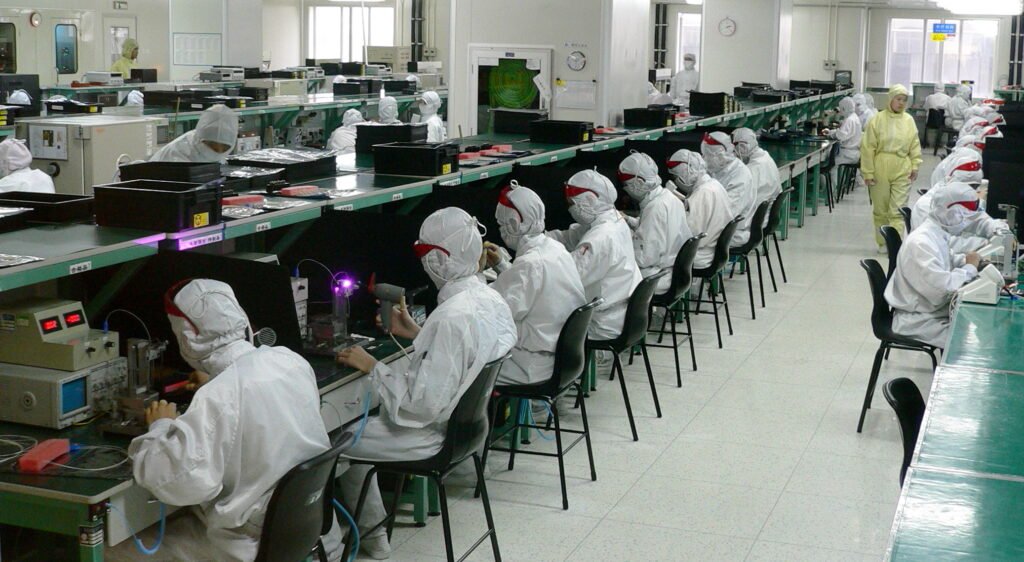
Pakistan mobile phone assembly has crossed another major milestone: local plants put together 20.08 million handsets in the first nine months of 2026, compared with just 2.85 million units brought in through commercial imports. The figures, reported this week, show that Pakistan mobile phone assembly now supplies roughly seven out of every eight phones entering the domestic market, a decisive shift from the import-dependent market of a few years ago.
The latest numbers confirm a trend that has been building since the Mobile Device Manufacturing Policy took effect: Pakistani factories are no longer a side show in the handset business. They are the market. As Pakistan mobile phone assembly has scaled up, imports have not disappeared — the import bill still runs into hundreds of millions of dollars — but the centre of gravity has clearly moved to local production lines in Karachi, Lahore and elsewhere.
Pakistan Mobile Phone Assembly: The 20.08 Million Handset Record

According to the reported data, Pakistan’s local manufacturing plants assembled 20.08 million mobile phones between January and September 2026, while commercial imports stood at only 2.85 million units over the same period. That means domestic plants out-produced imports by a factor of about seven to one.
The nine-month total follows a softer patch earlier in the year: 18.66 million units were assembled between January and August, about 6 per cent below the same months of 2025, before a September rebound pushed the figure past 20 million. For context, local plants produced 30.21 million handsets across the whole of 2025, against just 2.37 million commercial imports.
Smartphones vs 2G Phones: What Is Actually Rolling Off the Lines

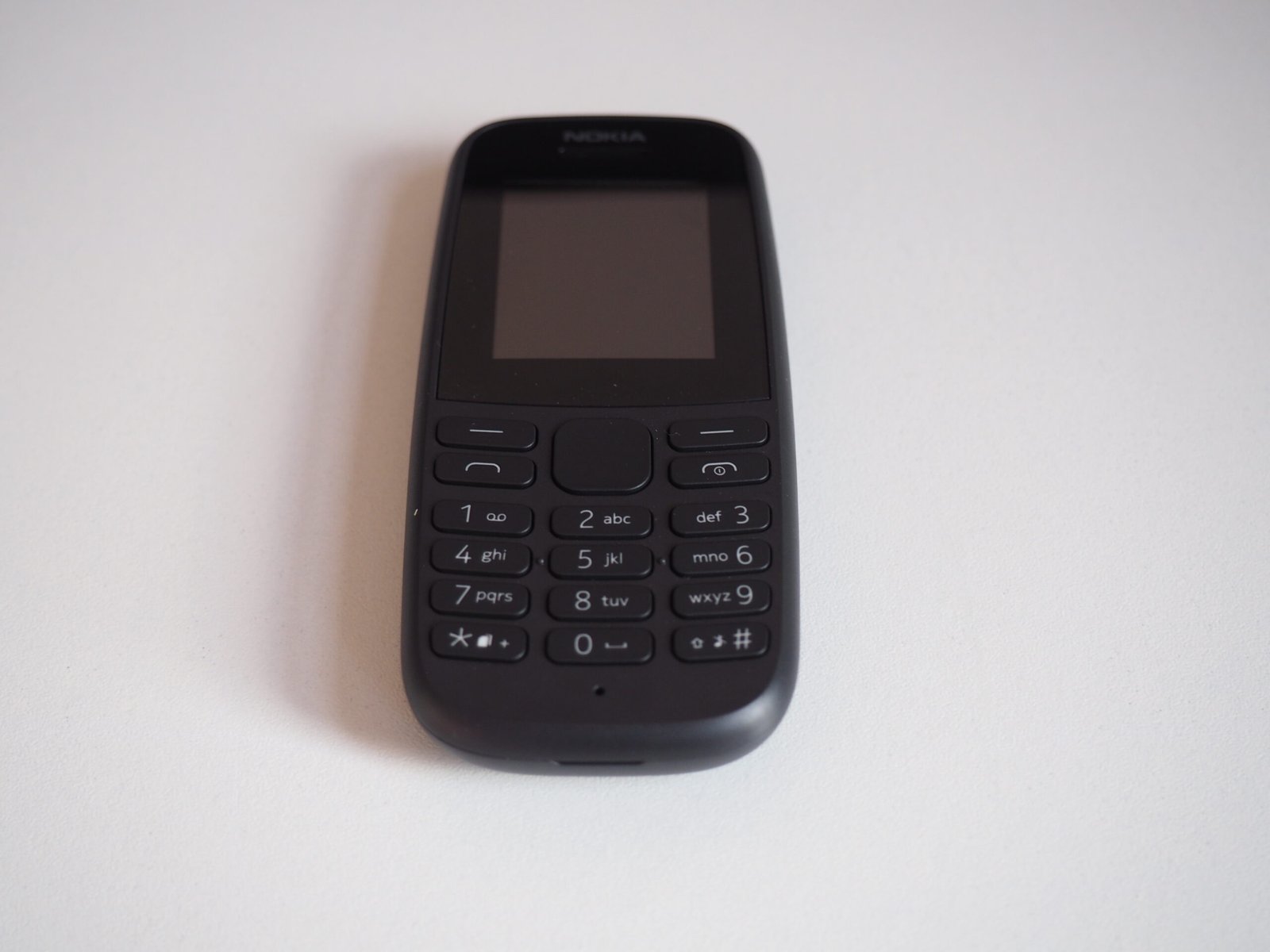
The headline number hides an important split in Pakistan mobile phone assembly. Of the 20.08 million handsets assembled, only around 8 million were smartphones. The remaining 12 million or so were basic 2G phones — devices that make calls and send texts, but offer no mobile data, no apps and no access to the digital payments and e-commerce tools the rest of the country is being pushed toward.
Pakistan Telecommunication Authority (PTA) data puts the split in context: smartphones account for 71 per cent of devices active on local networks, while 2G phones make up the remaining 29 per cent. Nearly a third of connected devices therefore sit outside the smartphone economy, a structural gap that every Digital Pakistan initiative eventually has to confront.
Imports Falling as Local Plants Take Over

Pakistan’s mobile phone import bill is shrinking as Pakistan mobile phone assembly expands. Pakistan Bureau of Statistics data shows imports fell 16.6 per cent in dollar terms during the first quarter of fiscal year 2026–27 (July to September), dropping to $417.24 million from roughly $500.01 million in the same period last year.
September brought a small month-on-month recovery — the import bill rose 7.1 per cent to $143.14 million from $133.66 million in August — but it remained 28.2 per cent below the $199.27 million recorded in September 2025. In rupee terms, the September bill reached Rs39.75 billion, up 7 per cent from August but down 29.2 per cent year-on-year. For the full July–September quarter, the cumulative import bill stood at Rs116.01 billion, an 18 per cent decline from Rs141.42 billion a year earlier.
The message from the trade data is consistent: official import statistics show a market in which finished-device imports keep losing share to locally assembled phones, even if September’s uptick suggests importers are not out of the game entirely.
The 5G Puzzle: Local Output of 5G Handsets Has Fallen Sharply
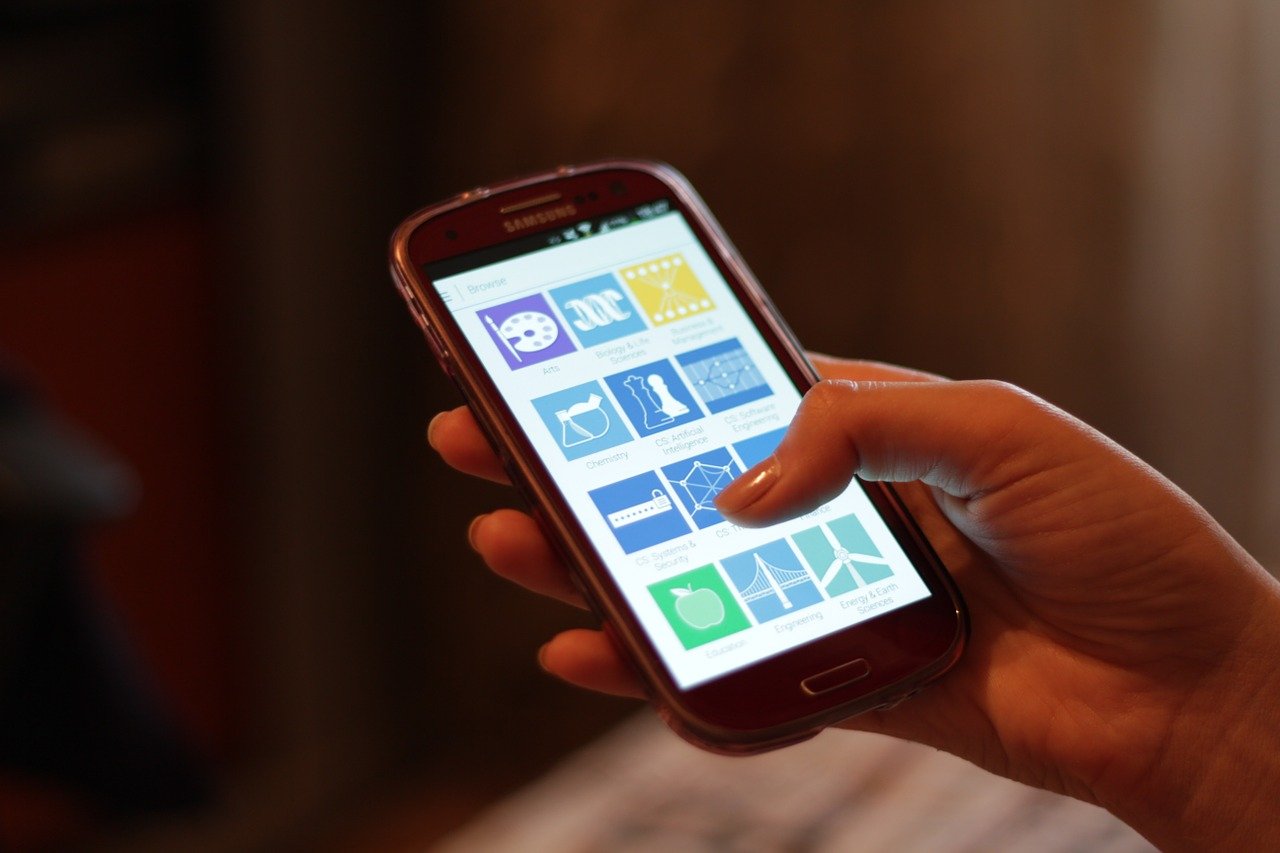
One figure stands out for the wrong reasons. Pakistan assembled only 134,501 5G-enabled handsets in August 2026, down from 553,079 in August 2025 — a drop of roughly 76 per cent in a single year, with no official explanation offered. Possible causes include softer demand for pricier 5G models, unsold inventory from earlier in the year, or assemblers timing their 5G push around the network rollout rather than getting ahead of it.
The timing is awkward. Pakistan’s operators spent much of 2026 preparing commercial 5G services, and shrinking local supply of 5G phones is not what you would expect heading into that rollout. PTA data shows Pakistan mobile phone assembly did build real 5G capacity: about 961,326 5G smartphones were produced locally between January 2025 and May 2026, led by Samsung with 396,268 units assembled through Lucky Motor Corporation, followed by Vivo and the Infinix/Tecno combine.
Affordability remains the binding constraint. The cheapest locally manufactured 5G smartphones are reportedly priced from around Rs36,000 to Rs50,000 — still a stretch for many buyers. The PTA has urged the government to rationalise taxes and duties on handsets, arguing that high taxation inflates prices, slows 5G adoption and encourages the grey market. Readers tracking the rollout can follow our 5G in Pakistan 2026 coverage for the latest on cities, networks and speeds.
Localisation Targets, Taxes and What Comes Next
Assembly numbers tell only half the story. The deeper question for Pakistan mobile phone assembly is how much of each phone is actually made in Pakistan — and there, value addition remains stuck at roughly 10 to 15 per cent, well short of the localisation targets set under the manufacturing policy, as we detailed in our earlier report on Pakistan’s missed localisation target.
The industry also faces a darker challenge: the Pakistan Mobile Phone Manufacturers Association has warned the PTA about IMEI cloning, in which identity numbers from genuine imported devices are copied onto smuggled, counterfeit or stolen handsets to make them look duty-paid — undercutting compliant manufacturers. The Ministry of IT and Telecommunication continues to shape the policy framework for the industry’s next phase.
The 20.08 million figure is a genuine achievement: a country that once imported nearly every handset it used now builds the vast majority itself. But the next leap — from assembly to real manufacturing, and from expensive 5G imports to affordable local 5G — is the one that will decide whether the boom lasts.
For the record, the September import bill of Rs39.75 billion was down 29.2 per cent year-on-year from Rs56.17 billion in September 2025. The underlying figures were first reported by TechJuice, citing official statistics.
Related Posts
 TechnologyMeta’s Digital Tahafuzz Summit in Islamabad: Digital Dialogues in Real Life Launched for Teen Online Safety
 TechnologyBinance Founder Changpeng Zhao Says Pakistan Can Become a Major Crypto Hub by 2030
 TechnologyGoogle Gemini 4 Carbon: New AI Model for Cybersecurity, Release Date and Pakistan Angle
 TechnologySamsung W27 China Launch: Gold Luxury Foldable Based on the Galaxy Z Fold 8 Ultra
 TechnologyPakistan’s National Chat App on ICP: What It Is, How It Works and What It Means for 100 Million Users
Most Popular
 How-ToPTA Tax Calculator 2026: Check Mobile Tax on Any Phone314 views
 SportsBallon d’Or 2026: London Ceremony, Nominees and All-Time Records Ahead of 70th Anniversary305 views
 SportsUEFA Champions League 2026-27: Format, Teams and Schedule304 views
 Canada JobsTech Jobs in Canada: Roles, Salaries, and Skills Needed288 views
 Pakistan NewsPIA Boeing 787 Lease Deal: What It Means for the Airline286 views
 TechnologyRedmi K100 Launching on 28 October: 10,000mAh Battery, 185Hz Display and Full Specs281 views