Pakistan has formally started work on shifting coal mining in the Thar desert from expensive diesel generators to the national electricity grid — a move the government says will cut mining power costs by more than 60 per cent and save up to $30 million a year in foreign exchange.
The contract for electrifying mining operations in Thar Block I and Block II has been awarded, and the contractor has mobilised at the site. The progress was reviewed on Wednesday at a high-level meeting chaired by Federal Minister for Power Sardar Awais Ahmad Khan Leghari, attended by the Thar Coal and Energy Board, the Sindh Engro Coal Mining Company (SECMC), Sino Sindh Resources Limited, the Power Division and the Hyderabad Electric Supply Company.
The project has also been fast-tracked. Completion, originally targeted for the end of 2028, has been brought forward by eight to nine months to April 2028.
Why diesel is so expensive in Thar
Coal mining is heavy, thirsty work, and in the Thar desert it has so far run on diesel. The mines burn between 200,000 and 250,000 litres of diesel every single day — including about 35,000 litres a day just for dewatering, pumping groundwater out of the open pits so digging can continue.
All of that diesel has to be bought, transported across the desert and burned in generators. The Power Division puts the cost of electricity generated this way at about 33 US cents per kilowatt-hour — several times what grid power costs.
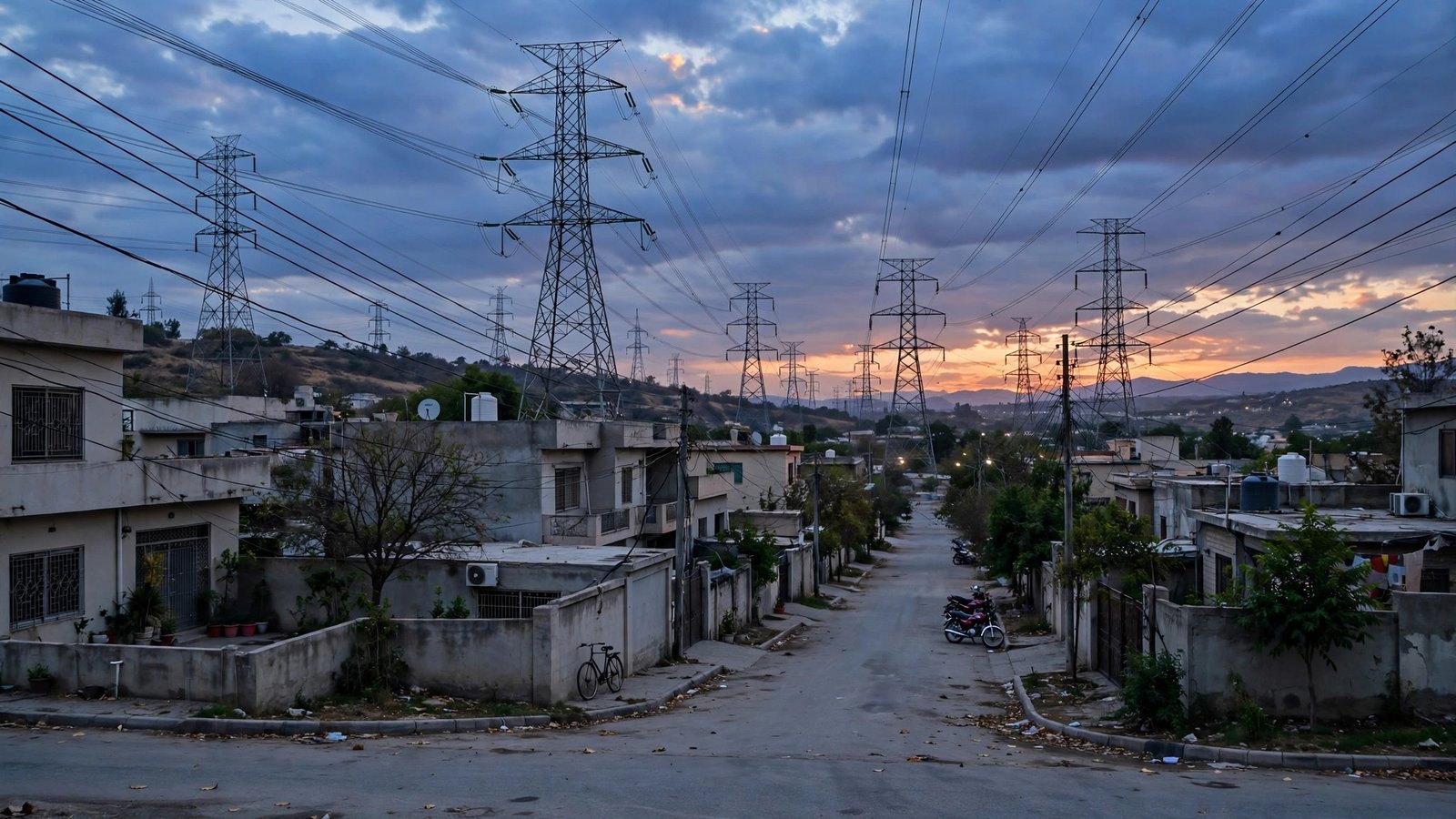
The electrification project will connect both mining blocks directly to the national grid through new 132-kilovolt transmission lines running from the Islamkot Grid Station, delivering about 60 megawatts of electricity to the mining sites. Once connected, the cost of power for mining operations is expected to fall to about 13 cents per kilowatt-hour.
What Pakistan saves

The arithmetic is what drove the decision. The ministry expects the shift to save Pakistan between $25 million and $30 million a year in foreign exchange that would otherwise go on imported diesel, with daily diesel savings of about Rs25 million.
There is a second saving that reaches consumers more directly. The cost of producing coal is expected to fall by about $0.70 per tonne, which should lower the coal tariff and, in turn, reduce the overall cost of the electricity Pakistan buys — the power purchase basket that feeds into tariffs.
The change is part of a wider modernisation of the mines. Block I plans to bring in about 40 electric trucks by the end of this year, replacing diesel haulage, while Block II aims to start deploying electric vehicles in 2028, as grid connectivity is completed.
A field built for scale
The stakes are high because Thar is no small operation. The coalfield in Sindh’s Tharparkar district holds about 175 billion tonnes of lignite, one of the largest lignite reserves in the world, and it has become a cornerstone of Pakistan’s energy security and the China-Pakistan Economic Corridor.
SECMC, which operates Block II, said in September that the mine’s annual production capacity had tripled to 11.2 million tonnes under a third expansion phase. The mine now produces about 36,000 tonnes of coal a day, supplying four power plants run by Engro, Hubco, Thal and Lucky that together contribute about 2,000 megawatts to the national grid. Sindh Senior Minister Sharjeel Memon told the provincial assembly this week that Thar coal now supplies more than 3,500 megawatts to the grid.
That scale is exactly why the diesel bill had become a problem worth solving: the bigger the mine grows, the more diesel it burns, and the more foreign exchange leaves the country to pay for it.
What happens next
With the contractor on site and the April 2028 deadline set, the next milestone is the 132kV transmission work from Islamkot, which has to be in place before either block can switch off its generators. The Power Division says the project has moved from planning to execution on the Prime Minister’s directives, and the fast-tracked timetable leaves little slack.
If the deadline holds, the Thar mines will stop being one of Pakistan’s biggest diesel consumers within about seventeen months — and the savings, the ministry argues, will show up twice: once in the foreign exchange Pakistan keeps, and again in cheaper coal feeding cheaper power.
Related Posts
 BusinessPakistan Mango Exports Fall 36% as US–Iran Tensions and Closed Borders Hit the King of Fruits
 BusinessPM Shehbaz Announces Rs400 Billion Tax Relief and Major EV Push
 BusinessRoshan Digital Accounts Near One Million as Overseas Pakistanis Send $274 Million in October
 BusinessPakistan Targets Rs2 Trillion in SME Financing by June 2028 as Export Finance Scheme Rises to Rs1.5 Trillion
 BusinessPakistan Finalises Plan for 16 LNG Cargoes to Keep Gas Flowing Through Winter
Most Popular
 How-ToPTA Tax Calculator 2026: Check Mobile Tax on Any Phone420 views
 Pakistan NewsPIA Boeing 787 Lease Deal: What It Means for the Airline396 views
 Canada JobsTech Jobs in Canada: Roles, Salaries, and Skills Needed392 views
 SportsUEFA Champions League 2026-27: Format, Teams and Schedule389 views
 TechnologyPM Shehbaz Sets November Deadline for Alibaba AI and Digitalisation Projects in Pakistan369 views
 ShowbizWomen’s Fashion in Pakistan 2026: Trends, Brands and Style Guide366 views