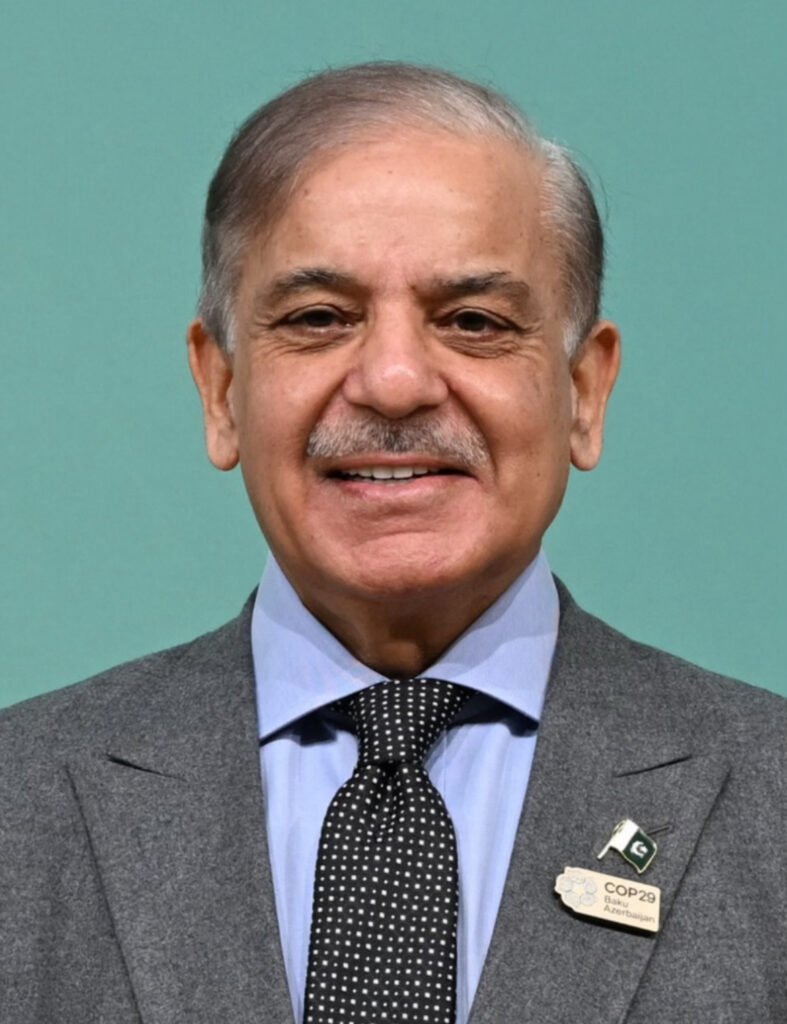
Prime Minister Shehbaz Sharif has announced Rs400 billion in targeted tax relief and a decisive shift towards electric vehicles, telling American investors that Pakistan’s economy has stabilised and is ready for export-led growth.
Speaking at the American Business Council of Pakistan event in Islamabad on Thursday, the prime minister said his government had spent four months working with the finance, industries and commerce ministries before settling on the plan — promote electric vehicles and discourage petrol and diesel cars.
“This is the time of EVs, electric vehicles, two-wheelers, three-wheelers, four-wheelers,” he said, arguing that modern mobility technology would cut Pakistan’s imported energy bill by billions of rupees and help curb climate-related disease.
The announcement pairs one of the largest tax relief packages in recent years with a clear direction of travel for the auto industry — and the prime minister was blunt about why the change is needed.
Rs400 Billion in Tax Relief — Who Gets It
The Rs400 billion — about $1.45 billion — in tax breaks comes through the current budget, and the prime minister said the International Monetary Fund had agreed to let the government grant it because of its disciplined economic work over the past two and a half years.
The relief is aimed at exporters, the manufacturing sector, the corporate sector and the salaried class — not, in the prime minister’s words, “elite capture”. The Export-Import Bank of Pakistan has also received Rs4 billion to offer subsidised financing to potential exporters, a move designed to help smaller firms reach foreign markets.
The audience mattered as much as the message. Around 80 American companies were represented at the gathering, including 60 council members and 20 prospective members. Together they generate cumulative revenue of about Rs956 billion in Pakistan and have invested more than Rs74 billion over the past five years, according to council president Adnan Asad.
The prime minister assured the investors of full protection for their investments and pledged reforms to remove business hurdles, from corruption and energy-sector problems to the tax notices that businesses say have multiplied despite automation.
The EV Push — and the Auto Policy Behind It
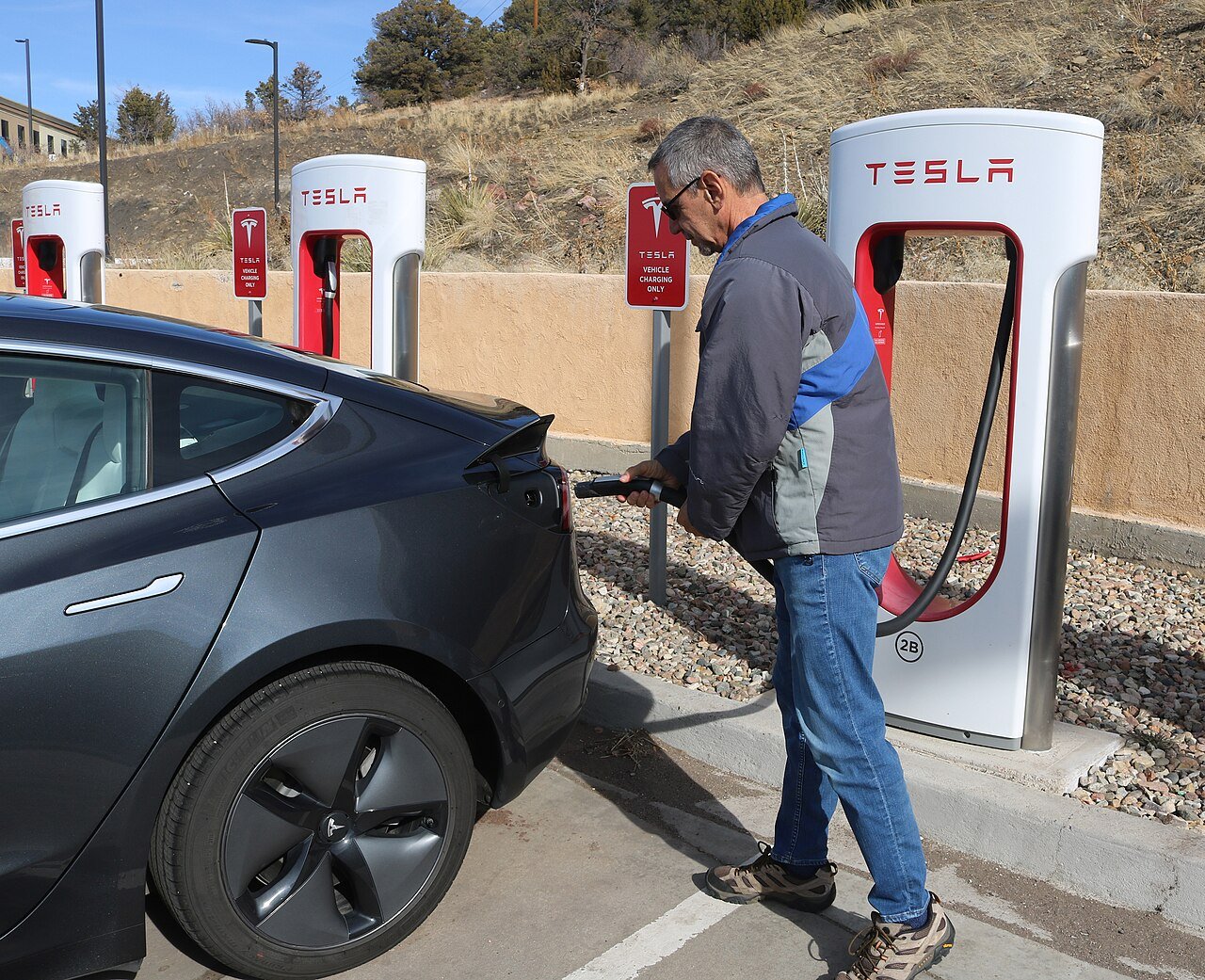
The electric vehicle push is the sharpest edge of the announcement. The prime minister noted that Pakistan’s domestic auto industry has received subsidies and extensions for 60 years while reaching only about 50 per cent local manufacturing deletion — well short of the 80 per cent it had committed to.
The new direction builds on the Auto Policy 2026-31, approved earlier this month, which promises cheaper cars, big tax breaks for electric vehicles and mandatory localisation, with a $6 billion export target over five years. Under the policy, battery electric vehicles face just 1 per cent sales tax, against 6 per cent for range-extended EVs and 9 per cent for plug-in hybrids, and the government has set a goal of a 30 per cent EV share by 2030.
The shift is already visible on the roads. Sales of electric two-wheelers rose to about 240,000 in FY2025-26, up from around 60,000 a year earlier, as cheaper running costs draw in buyers. The government argues that every electric vehicle on the road cuts fuel imports, saves foreign exchange and cleans the air in Pakistan’s congested cities.
For car buyers, the message is that the cheapest way to own a vehicle in the coming years will increasingly be electric — and that the government intends to keep it that way, with the new Automotive Development Levy on larger petrol and diesel cars funding the EV incentives.
Why the PM Says the Economy Has Turned a Corner
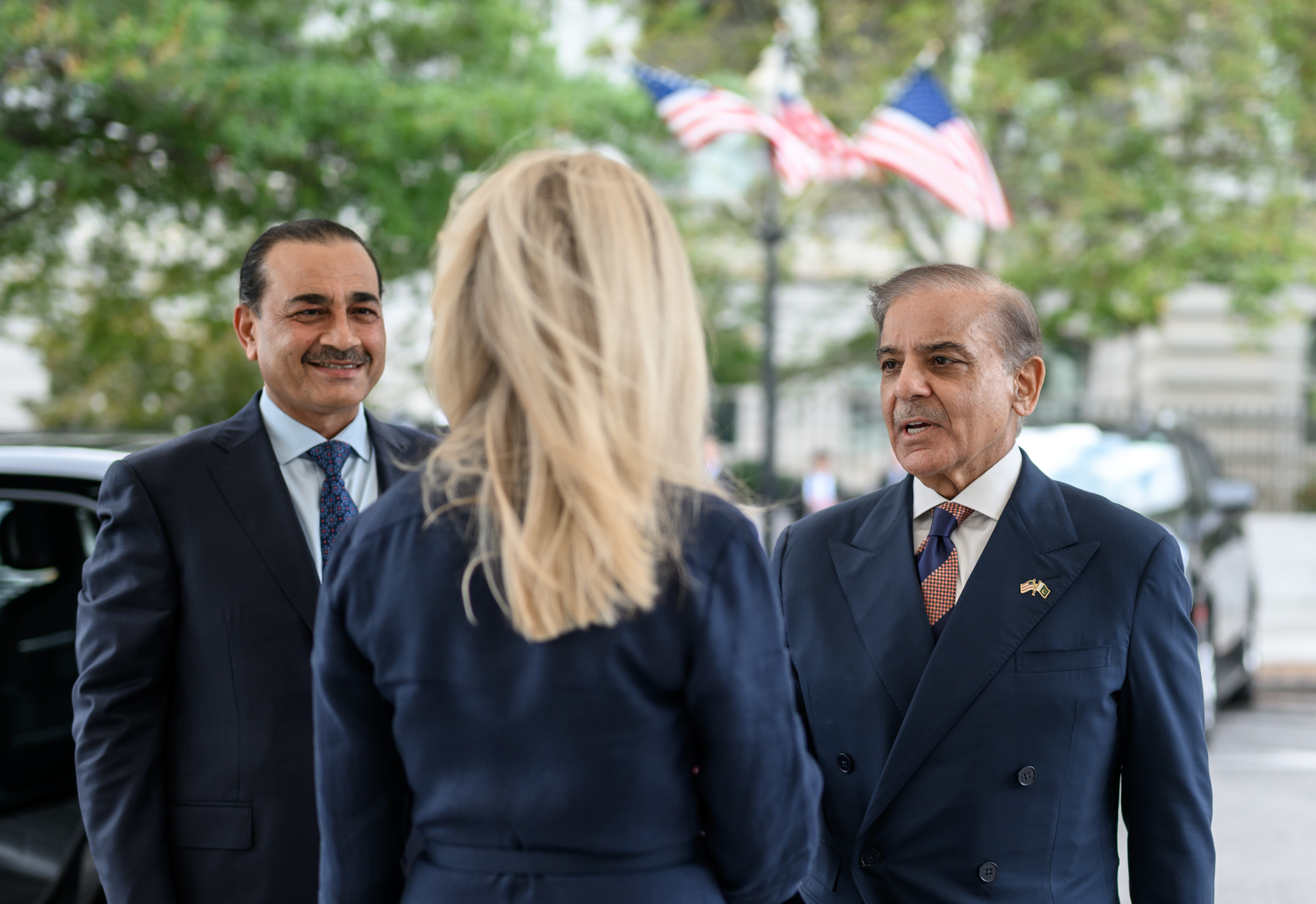
The prime minister credited Pakistan’s economic stabilisation to what he called “an unprecedented partnership” between the country’s political leadership and its military, singling out his cabinet and Chief of Defence Forces Field Marshal Asim Munir. He said the government’s role is to act as a catalyst for business rather than run businesses itself.
Looking ahead, he identified agriculture and livestock as sectors capable of turning the economy around within six months, and said active work has begun over the past two to three years on Pakistan’s mineral deposits, alongside vocational training, laptops and stipends aimed at empowering the country’s young population.
He also touched on regional affairs, saying Pakistan is working with Iran, Washington and friendly nations to restore peace amid an ongoing Gulf crisis affecting global markets — and that resolving regional tensions would allow Pakistan’s economy to take off.
Whether the Rs400 billion relief and the EV push deliver on that promise will depend on what follows the speech: tax notifications, tariff schedules and the federal cabinet’s formal approval of the auto policy. But the direction is now unmistakable. Pakistan’s prime minister is betting that tax relief for exporters and a rapid turn to electric vehicles can do what six decades of auto subsidies could not — build an industry that earns abroad instead of consuming foreign exchange at home.
Related Posts
 BusinessThar Coal Mining Shifts from Diesel to National Grid by April 2028
 BusinessPakistan Mango Exports Fall 36% as US–Iran Tensions and Closed Borders Hit the King of Fruits
 BusinessRoshan Digital Accounts Near One Million as Overseas Pakistanis Send $274 Million in October
 BusinessPakistan Targets Rs2 Trillion in SME Financing by June 2028 as Export Finance Scheme Rises to Rs1.5 Trillion
 BusinessPakistan Finalises Plan for 16 LNG Cargoes to Keep Gas Flowing Through Winter
Most Popular
 How-ToPTA Tax Calculator 2026: Check Mobile Tax on Any Phone420 views
 Pakistan NewsPIA Boeing 787 Lease Deal: What It Means for the Airline396 views
 Canada JobsTech Jobs in Canada: Roles, Salaries, and Skills Needed392 views
 SportsUEFA Champions League 2026-27: Format, Teams and Schedule389 views
 TechnologyPM Shehbaz Sets November Deadline for Alibaba AI and Digitalisation Projects in Pakistan369 views
 ShowbizWomen’s Fashion in Pakistan 2026: Trends, Brands and Style Guide366 views