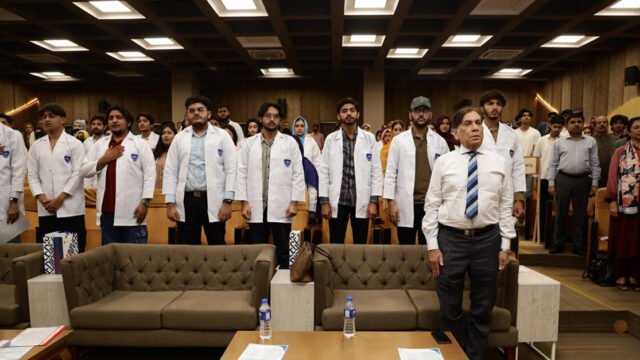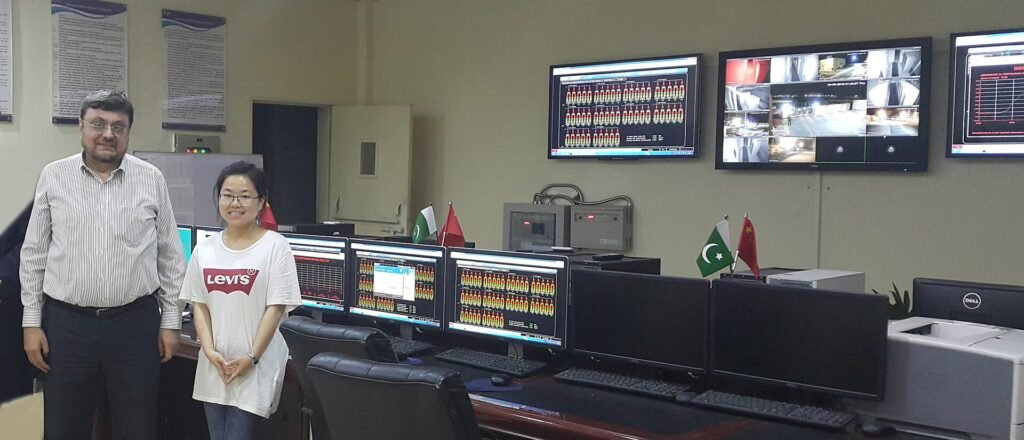
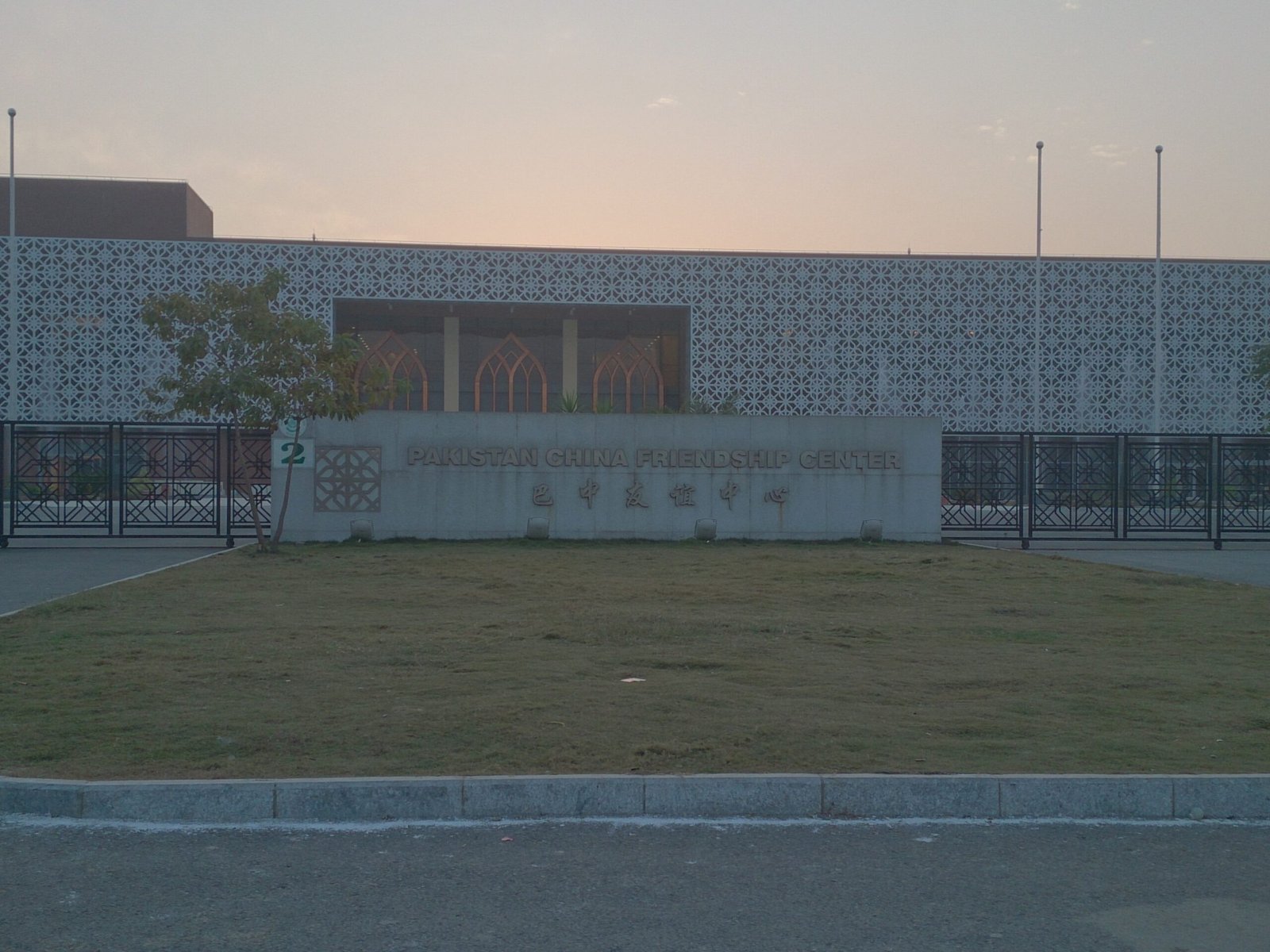
Pakistan has come out on top at the 27th China Annual Conference and Expo for International Education (CACIE 2026), securing 11 cooperation agreements and advancing 14 education and skills development initiatives with Chinese institutions — the highest number of agreements of any participating country, according to an official press release from the Prime Minister’s Youth Programme (PMYP).
The development followed a week-long visit to China by PMYP Chairman Rana Mashhood Ahmad Khan from 27 October to 3 November 2026, aimed at building institutional partnerships that could give Pakistani students and skilled workers better access to international education, industry-oriented training and employment opportunities.
What the 11 agreements cover

Of the 11 agreements, three were signed directly by the Prime Minister’s Youth Programme itself — with the China Global Professional and Technical Certification Center, Jilin Electronic Information Vocational and Technical College, and Peili Vocational College. The remaining eight connect Pakistani educational institutions with Chinese vocational and educational organisations for expanded technical training, academic exchanges and professional certification opportunities.
The agreements span sectors where Pakistan’s young workforce needs the most modern skills: mechatronics, renewable energy, mobile communications, nursing, modern agriculture, cross-border e-commerce and international professional skills certification. In several of these fields — from nursing to e-commerce — an internationally recognised certificate can decide whether a young Pakistani gets hired at home or abroad.
The Pakistani institutions on board
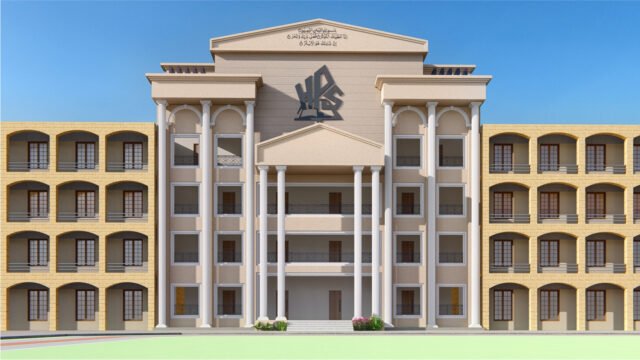
The Pakistani side of the partnerships includes the University of Lahore, Ghazi University, NUTECH Karachi, the Preston Institute of Management Science and Technology and the Punjab Technical Education and Vocational Training Authority (TEVTA), which will work with their Chinese counterparts to expand training programmes and qualifications.
To keep the cooperation from stalling after the handshakes, a PMYP China Secretariat has been established at the Beijing headquarters of TANG International Education Group, the Chinese education network that facilitated several of the accords. The secretariat will coordinate activities among Pakistani government departments, educational institutions and industry partners.
During the visit, Rana Mashhood also addressed the Belt and Road International Forum on Industry-Education Cooperation, where he stressed aligning vocational education with industrial requirements — joint academic programmes, internationally recognised professional certifications and better vocational teacher training.
What’s already underway
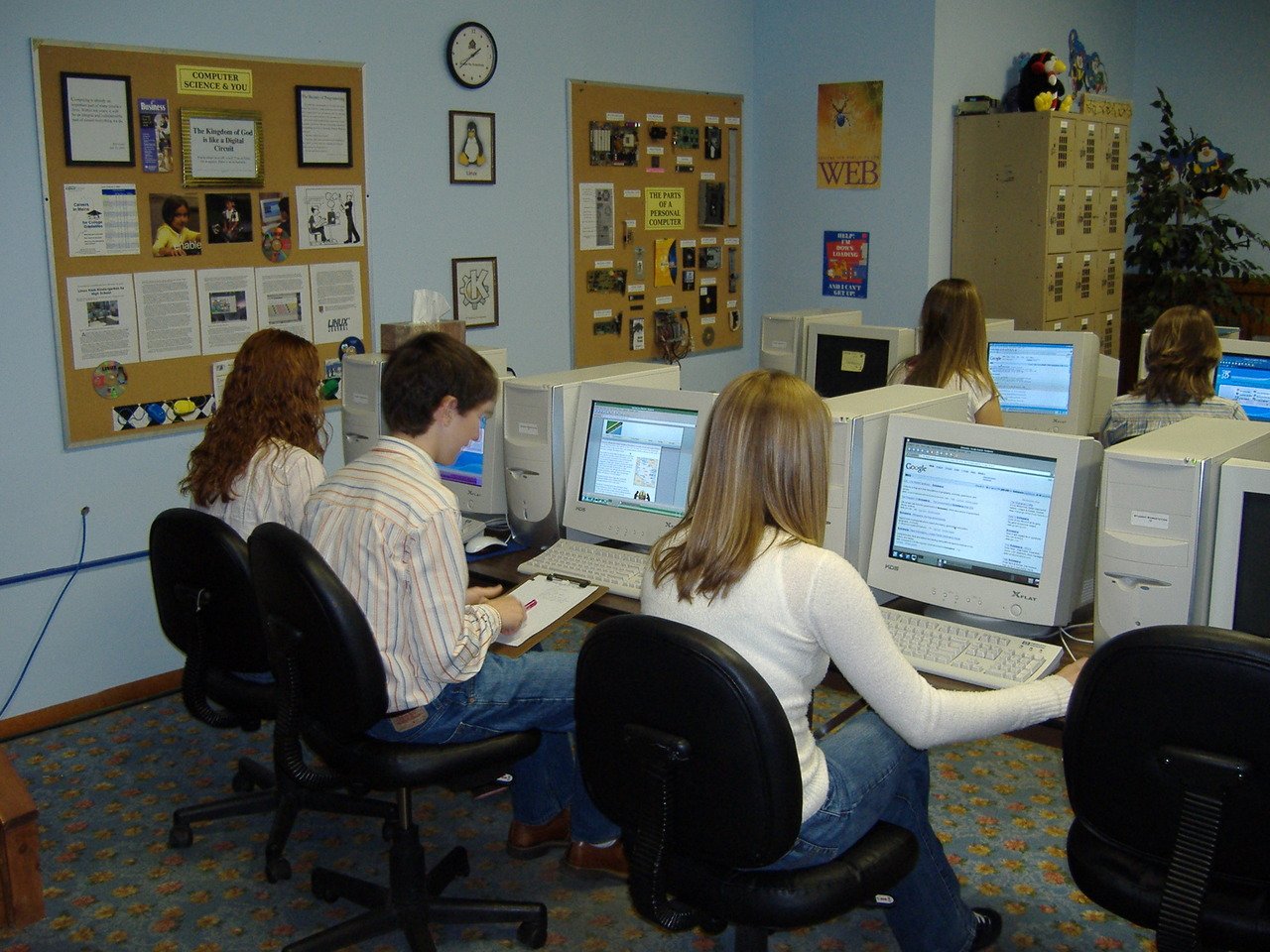
Some of the cooperation is moving immediately. Jilin Electronic Information Vocational and Technical College has already trained 10 Pakistani faculty members, and the same institution is scheduled to enrol 15 Pakistani students in its Chinese language programme from November 2026 — costs and academic arrangements are reported as finalised.
The 14 skills and education initiatives unveiled or witnessed during the visit include an International Nursing Talent Training Base, a Cross-Border E-Commerce Talent Training Base, Pakistan Tiangong College and a Joint Teacher Training Centre, along with new committees focused on industrial robotics and electronic information engineering.
The agenda extended beyond classrooms. China Railway Group Secretary Han Hui travelled to Pakistan after discussions with Rana Mashhood to begin work on skills training tied to the Main Line-I (ML-1) railway upgrade, while Rana Mashhood also co-launched the International Green Power Talent Development Base with the China Electricity Council, Thailand’s Office of the Vocational Education Commission and TANG International Education Group.
Why it matters for Pakistan’s youth
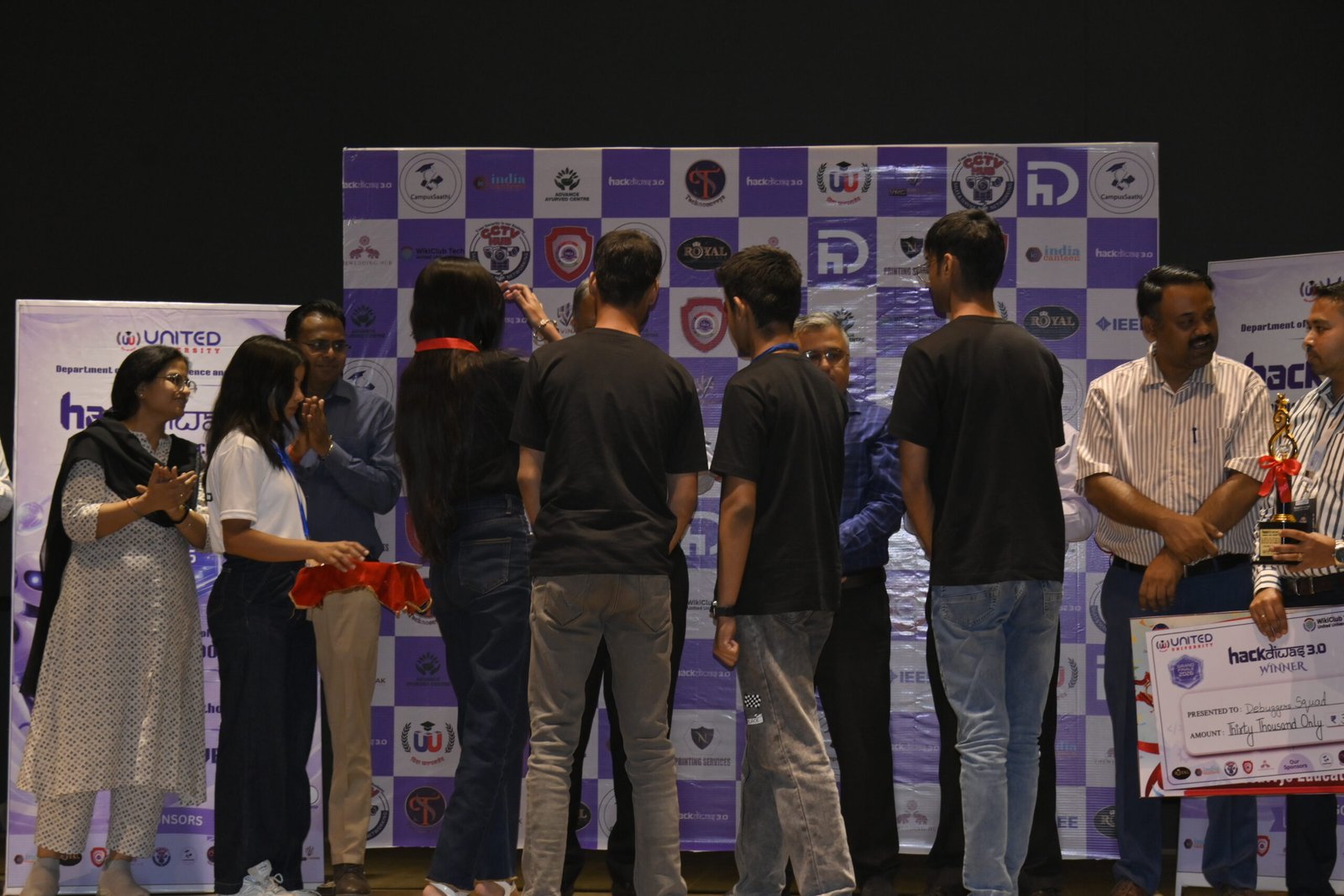
For a country where millions of young people enter the workforce every year, the prize in these agreements is employability: internationally recognised certifications, practical industry-linked training and a direct line to jobs in sectors that are actually hiring — from green energy to cross-border e-commerce.
The deals sit alongside the government’s wider youth skills push, from the PM Youth Chromebook Scheme to the one million youth skills training target in Punjab, and the focus on international certification marks a shift from purely local training to qualifications that travel.
A note of honesty is needed: as the reporting itself acknowledges, the long-term impact will depend on how effectively participating institutions implement the agreements, establish the training programmes and connect graduates with real employment opportunities. Signed agreements are a beginning, not a result — but a beginning that, for once, puts Pakistan at the head of the table.
Related Posts
 EducationSindh Schools to Close on 9 November for Iqbal Day — Three-Day Weekend for Students
 EducationChevening Teams Up With Allied Bank: Fully Funded UK Master’s Scholarships for Pakistanis
 EducationMaryam Nawaz Sets 1 Million Youth Skills Training Target for Punjab Over Three Years
 EducationUniversity of Karachi Self-Finance Admission 2027: Last Date Today, 30 October — How to Apply
 EducationPunjab Boards Inter Second Annual Exams 2026: Complete Guide for Class 11 and 12 Students
 EducationUHS Opens MBBS Admissions for Private Medical Colleges in Punjab: Last Date November 6
Most Popular
 How-ToPTA Tax Calculator 2026: Check Mobile Tax on Any Phone417 views
 Pakistan NewsPIA Boeing 787 Lease Deal: What It Means for the Airline388 views
 Canada JobsTech Jobs in Canada: Roles, Salaries, and Skills Needed384 views
 SportsUEFA Champions League 2026-27: Format, Teams and Schedule383 views
 TechnologyPM Shehbaz Sets November Deadline for Alibaba AI and Digitalisation Projects in Pakistan363 views
 ShowbizWomen’s Fashion in Pakistan 2026: Trends, Brands and Style Guide358 views