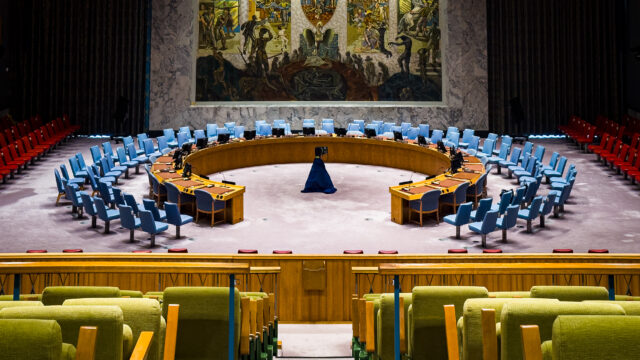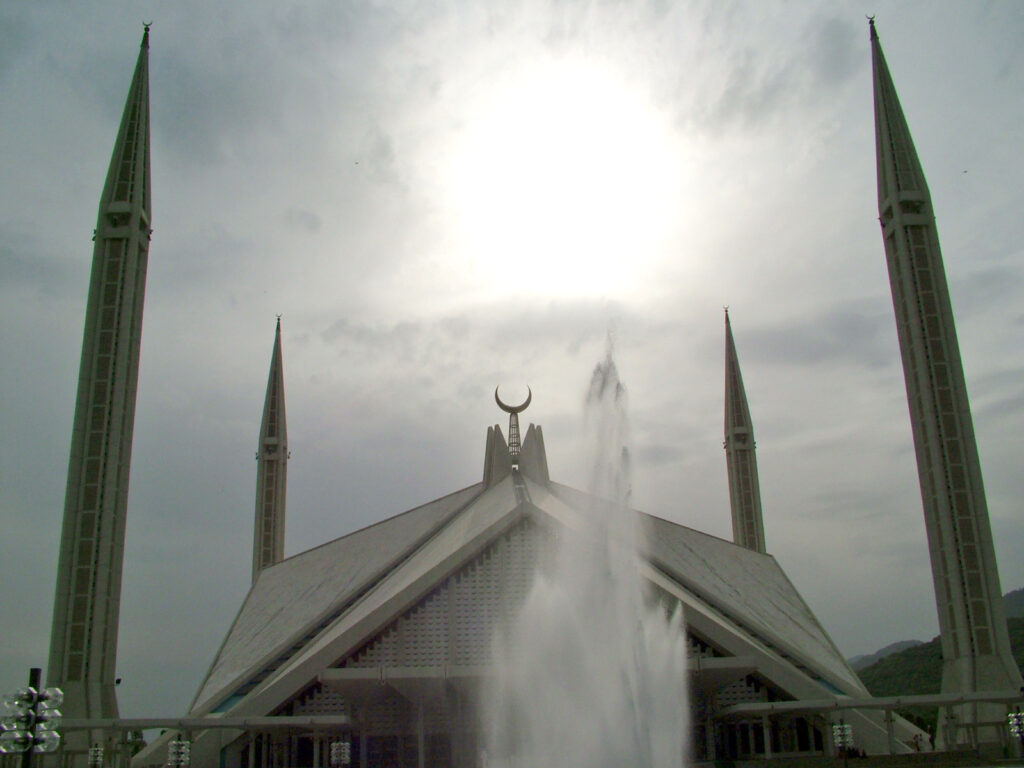
Pakistan, Saudi Arabia and Türkiye will sit down together in Islamabad on 26 and 27 November to review the Makkah Joint Defence Agreement, the landmark pact that binds the three countries to treat an attack on any one of them as an attack on all three. The Makkah pact talks in Islamabad will be the first scheduled review of the agreement since it was signed in August, and the three sides are expected to use the two days to agree on how to put its promises into practice.
A senior Pakistani official confirmed the dates to Arab News on Sunday, saying the talks will take place in the Pakistani capital on 26 and 27 November. When asked directly whether the meeting would be held on those dates, the official answered simply: “Yes.” The confirmation ends days of uncertainty over the schedule, after earlier reports had pointed to different dates and officials had said only that the meeting would be held before the end of the month.
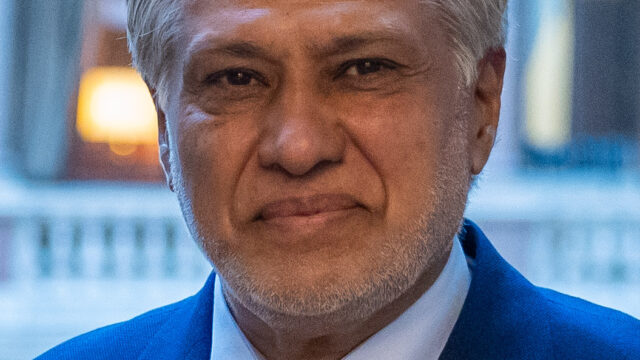
The meeting follows an announcement by Deputy Prime Minister and Foreign Minister Ishaq Dar, who said the pact’s top-level security committee would gather in Islamabad before November ends. The Foreign Office later confirmed that the three countries had agreed to meet, although it said at the time that the dates, programme and detailed agenda had not been finalised. The Arab News confirmation now settles the dates, and the three delegations are understood to be working on the arrangements for the two-day session.
What the Makkah pact commits the three countries to

The Makkah Joint Defence Agreement was signed on 7 August 2026 in the Saudi holy city of Makkah by Prime Minister Shehbaz Sharif, Saudi Crown Prince Mohammed bin Salman and Turkish President Recep Tayyip Erdogan. At its heart is a mutual-defence commitment: if any one of the three countries comes under armed attack, the other two will treat it as an attack on themselves.
The agreement also opens the way for closer military cooperation between the three countries, including joint planning, training and coordination between their armed forces. Officials in all three capitals have described it as a defensive arrangement, and Pakistan’s Foreign Office has repeatedly said it is not aimed at any single country. The pact is a ten-year commitment, and its text sets out how the members will consult and act together if one of them faces external aggression, in line with the United Nations Charter’s right of self-defence.
For Pakistan, the agreement builds on defence ties with Riyadh that go back decades, including a separate mutual-defence agreement signed with Saudi Arabia in September 2025. For Türkiye, it adds a formal framework to a relationship with Pakistan that already covers defence production and military training. For Saudi Arabia, it brings two of its closest Muslim-majority partners into a single security arrangement at a time of deep uncertainty across the region.
What the Islamabad meeting will review
Foreign Office spokesperson Sajjad Haider Khan told his weekly briefing on Friday that the Islamabad talks will give the three sides a chance to review progress since the signing, improve coordination between their institutions and discuss their shared interests. He noted that the pact is still developing, with its working mechanisms yet to be fully built.
The discussions are expected to focus on the institutional side of the agreement, including the permanent secretariat planned for Riyadh and the committees that will carry the work forward between ministerial meetings. Reports have also pointed to practical cooperation on the agenda, including air defence, electronic warfare and technical assistance, areas in which Turkish and Pakistani officials have said they are already assessing what they can offer.
The meeting will bring together representatives from the three countries under the pact’s framework, with foreign and defence officials expected to attend. The top-level security committee that Ishaq Dar referred to is the apex body of the alliance, and its Islamabad session will be its first since the agreement was signed.
Türkiye’s ratification and the pact’s progress since August

The pact has moved steadily from signature to law since August. Türkiye’s parliament approved the agreement, and its ratification took legal effect on 14 November, clearing the way for Ankara to take part in the Islamabad review as a full party to the deal.
The three countries have already begun acting together under the agreement’s umbrella. Earlier this month, they agreed during emergency consultations in Riyadh to put their collective defence commitments into effect immediately, including arrangements for the rapid deployment of agreed forces and capabilities. Pakistan’s Information Ministry has, however, dismissed as speculative reports that put specific numbers on any deployments, and no official figure has been published.
President Erdogan has also said the pact is open to other countries joining, and has described Egypt’s accession as possible. The three founding members have said from the start that the agreement is open to states willing to uphold its principles and settle differences peacefully, a point Ishaq Dar has repeated in his public remarks on the pact.
A defensive pact, not aimed at any country
Officials in Islamabad, Riyadh and Ankara have been careful to present the agreement as defensive. The Foreign Office has stressed that it is not directed against any country, and that Pakistan remains fully committed to it. That message has been repeated at each stage of the pact’s development, from the signing ceremony in Makkah to the weekly Foreign Office briefings in Islamabad.
The emphasis matters because the region around the three countries is facing serious security pressures, from shipping disruptions in nearby waters to conflicts that have drawn in outside powers. The three governments argue that a formal commitment to defend each other strengthens deterrence and gives them a shared framework for responding to threats, rather than leaving each to act alone.
What happens next
If the Islamabad talks go as planned, the three countries will leave with agreed mechanisms for implementing the pact, including the committees and the secretariat that will run it day to day. The dates of the next review have not been announced, but officials have indicated that the security committee will meet regularly.
For Pakistan, hosting the first review is a visible sign of its central role in the arrangement. The talks place Islamabad at the centre of a new three-way security framework, and their outcome will show whether the Makkah agreement is moving from a signed document into a working alliance.
Sources: Daily The Destination; Emra News (both reporting the Arab News confirmation of 22 November 2026).
Related Posts
 World NewsPakistan Warns of Global Energy Crisis at UN as Conflicts Threaten Fuel and Food Supplies
 World NewsPakistan and Portugal Agree Joint Ministerial Commission to Boost Trade, Investment and Labour Mobility
 World NewsSheikh Hasina Plans Return to Bangladesh on December 16, Government Vows Arrest
 World NewsParastoo Ahmadi Receives 74 Lashes in Iran Over Hijab-Free Online Concert
 World NewsPakistan and Türkiye Sign Judicial Cooperation MoU to Deepen Court Ties
 World NewsField Marshal Asim Munir Meets Malaysian PM Anwar Ibrahim in Putrajaya to Strengthen Defence Ties
Most Popular
 How-ToPTA Tax Calculator 2026: Check Mobile Tax on Any Phone421 views
 Pakistan NewsPIA Boeing 787 Lease Deal: What It Means for the Airline398 views
 Canada JobsTech Jobs in Canada: Roles, Salaries, and Skills Needed395 views
 SportsUEFA Champions League 2026-27: Format, Teams and Schedule391 views
 TechnologyPM Shehbaz Sets November Deadline for Alibaba AI and Digitalisation Projects in Pakistan372 views
 ShowbizWomen’s Fashion in Pakistan 2026: Trends, Brands and Style Guide366 views