Pakistan and Türkiye have signed a memorandum of understanding on judicial cooperation, bringing the top courts of the two countries into a formal partnership. The agreement was signed at the Supreme Court of Pakistan in Islamabad on Monday, 23 November, by Chief Justice of Pakistan Justice Yahya Afridi and Ömer Kerkez, President of the Court of Cassation of Türkiye.
Kerkez is leading a high-level Turkish judicial delegation visiting Pakistan from 23 to 27 November. The signing ceremony was attended by judges of the Supreme Court, the chief justices of the Supreme Court of Azad Jammu and Kashmir and the high courts, the federal minister for law and parliamentary affairs, the attorney general for Pakistan, members of the district judiciary and the legal fraternity, and media representatives. The ceremony was broadcast live from the Supreme Court, as The News reported.
What the MoU covers
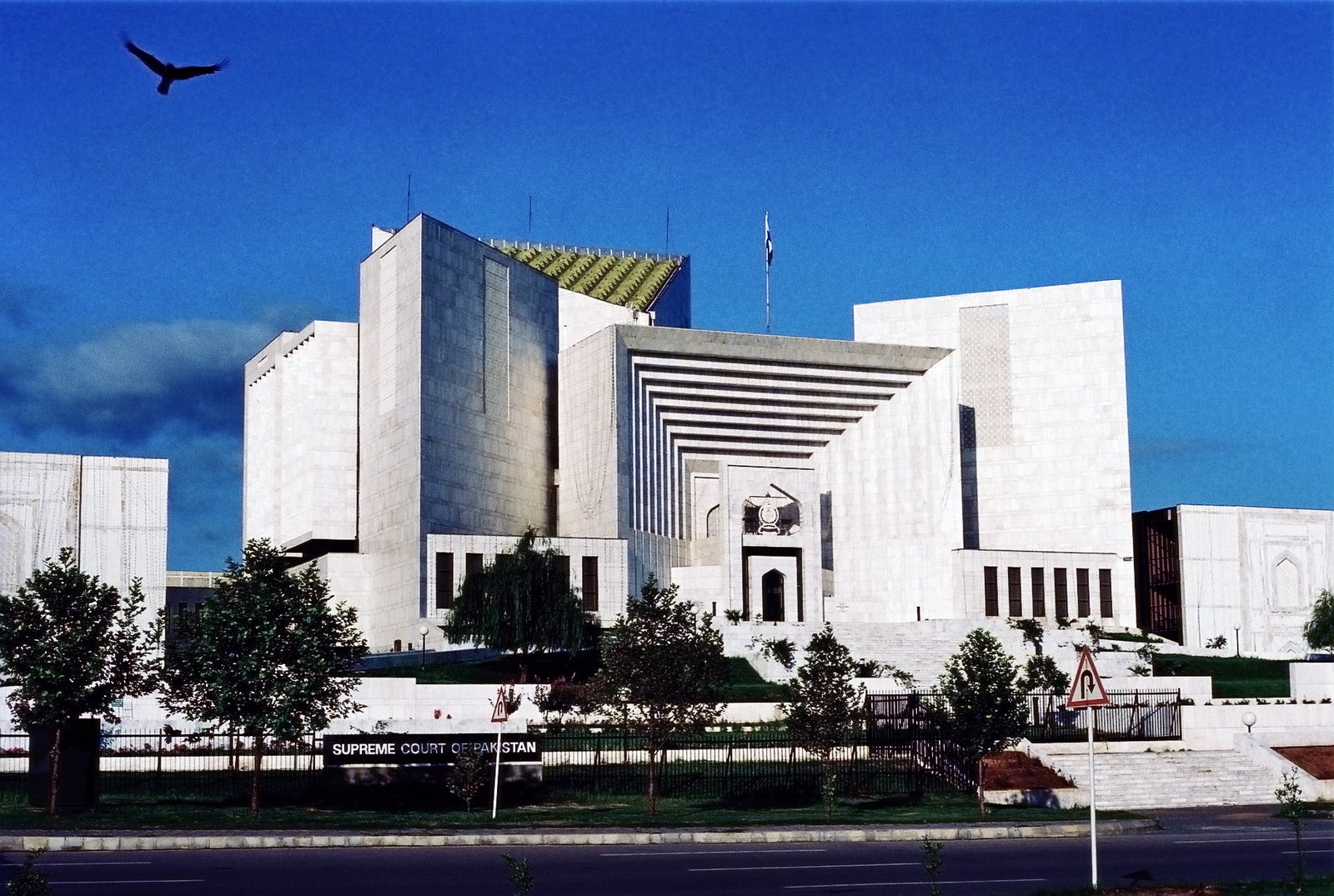
The Pakistan Türkiye judicial cooperation agreement establishes a framework for strengthening institutional relations, judicial exchanges, professional capacity building and knowledge sharing between the two judiciaries. It provides for cooperation in judicial education, professional training, institutional capacity building and collaborative research.
A central part of the agreement is closer engagement between the Federal Judicial Academy of Pakistan and the Justice Academy of Türkiye, through faculty exchanges, joint training programmes and academic initiatives. The two sides will also share judgments and legal developments, and hold joint conferences and seminars.
Cybercrime, AI and court technology
The agreement covers a wide list of subjects: cybercrime, financial crime, constitutionalism, human rights, judicial ethics, climate justice, gender-responsive justice, alternative dispute resolution and the integration of technology in courts.
Kerkez drew attention to the emerging challenges facing courts — digitalisation, artificial intelligence, cross-border disputes and increasingly complex economic relations — and said closer judicial collaboration and exchange of expertise were needed to meet them. The emphasis on technology and AI readiness is one of the most forward-looking parts of the agreement, and it connects with the Supreme Court’s own reform programme, as The World Ambassador noted.
A partnership rooted in history
Welcoming the delegation, Chief Justice Afridi highlighted the historic and fraternal ties between Pakistan and Türkiye, recalling the solidarity extended by the people of the subcontinent during Türkiye’s struggle for independence and the contributions of Abdur Rehman Peshawri. He said the MoU translates those enduring bonds into meaningful institutional cooperation.
Kerkez, in his remarks, appreciated the warm hospitality and reaffirmed the longstanding friendship between the two countries. Referring to Quaid-e-Azam Muhammad Ali Jinnah’s emphasis on justice and impartiality, and Allama Muhammad Iqbal’s description of justice as “an inestimable treasure”, he highlighted the shared values underpinning the judicial systems of both nations.
The chief justice also spoke about the Supreme Court’s ongoing judicial reforms, stressing the importance of exchanging experiences and adopting best practices to enhance accessibility, predictability and accountability in the administration of justice.
What happens next
The agreement establishes a Joint Working Group on Judicial Cooperation to identify priority areas, coordinate joint initiatives and monitor implementation, so that the commitments translate into practical and sustained institutional engagement.
The judicial agreement adds a new strand to a relationship that has deepened rapidly in recent months. Türkiye’s parliament has ratified the Makkah defence pact with Pakistan and Saudi Arabia, the two countries have signed three mining deals covering gold, copper and antimony in Balochistan, and a Turkish seismic vessel is supporting the resumption of offshore oil and gas exploration after 20 years. Pakistan, Saudi Arabia and Türkiye are also due to hold Makkah pact talks in Islamabad on 26–27 November.
For now, the focus is on the visiting delegation’s programme, which runs until 27 November, and on the first meetings of the Joint Working Group — the point at which the promises made in Islamabad will begin to be tested in practice.
Related Posts
 World NewsPakistan Warns of Global Energy Crisis at UN as Conflicts Threaten Fuel and Food Supplies
 World NewsPakistan and Portugal Agree Joint Ministerial Commission to Boost Trade, Investment and Labour Mobility
 World NewsSheikh Hasina Plans Return to Bangladesh on December 16, Government Vows Arrest
 World NewsParastoo Ahmadi Receives 74 Lashes in Iran Over Hijab-Free Online Concert
 World NewsField Marshal Asim Munir Meets Malaysian PM Anwar Ibrahim in Putrajaya to Strengthen Defence Ties
 World NewsPakistan, Saudi Arabia and Türkiye to Hold Makkah Pact Talks in Islamabad on 26–27 November
Most Popular
 How-ToPTA Tax Calculator 2026: Check Mobile Tax on Any Phone421 views
 Pakistan NewsPIA Boeing 787 Lease Deal: What It Means for the Airline398 views
 Canada JobsTech Jobs in Canada: Roles, Salaries, and Skills Needed395 views
 SportsUEFA Champions League 2026-27: Format, Teams and Schedule391 views
 TechnologyPM Shehbaz Sets November Deadline for Alibaba AI and Digitalisation Projects in Pakistan372 views
 ShowbizWomen’s Fashion in Pakistan 2026: Trends, Brands and Style Guide366 views