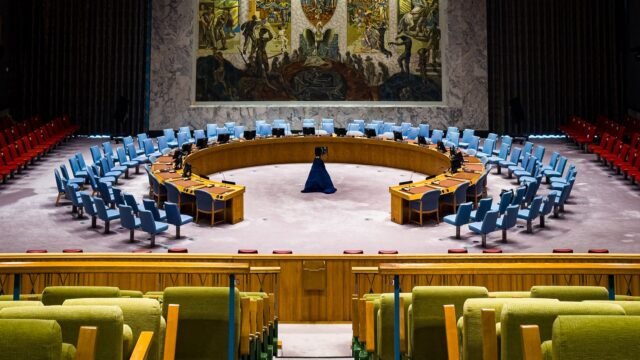
Türkiye’s parliament has ratified the Makkah Joint Defence Agreement with Pakistan and Saudi Arabia, turning the trilateral pact signed in August into binding law in Ankara and committing the three countries to treat an attack on one as an attack on all.
The Grand National Assembly of Türkiye approved the agreement on Thursday, 5 November 2026, by 279 votes to 119, with 398 of the chamber’s 592 lawmakers taking part in the vote. The ratification comes as Saudi Arabia faces a renewed campaign of attacks by Yemen’s Iran-backed Houthis, and it gives the three-country alliance its strongest legal footing yet.
The vote in Ankara
Article 1 of the bill approving the pact was adopted on Wednesday, before the deputy speaker adjourned the session until Thursday afternoon, when lawmakers debated the remaining articles and completed the vote. The agreement contains 16 articles, according to a document submitted to the Turkish parliament and seen by the Reuters news agency.
Opposition parties objected during the debate, arguing that the agreement could embroil Türkiye in regional wars and put Turkish soldiers in harm’s way. The governing Justice and Development Party defended the pact as a defensive arrangement. Lawmaker Ziya Altunyaldiz said during the debate that the agreement was intended to expand regional security cooperation, adding that it was not directed against any third country and was primarily aimed at preventing conflicts rather than escalating them.
Türkiye first signed the agreement in August and sent it to parliament for ratification last month. Thursday’s vote completes the parliamentary process in Ankara.
What the pact actually says
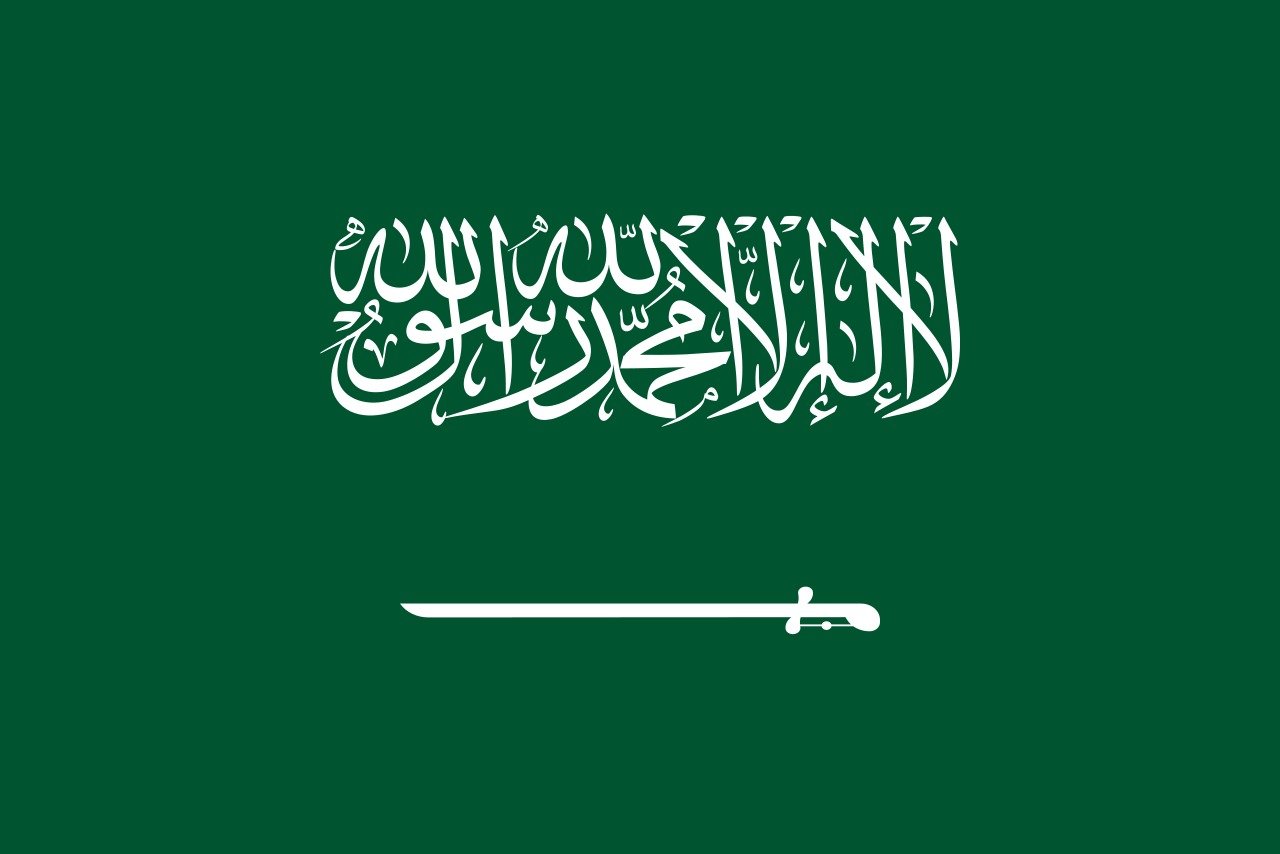
Article 1 of the agreement requires the parties to use “all necessary means” to address threats to one another’s territorial integrity, sovereignty and internationally recognised borders. Article 2 states that if any signatory faces an armed attack or military aggression by another country or group of countries, the other parties must provide immediate assistance through available mutual support measures.
The provision closely mirrors Article 5 of the North Atlantic Treaty, under which an armed attack against one NATO member is treated as an attack against all. It also refers to Article 51 of the United Nations Charter, which recognises the individual and collective right of states to self-defence against armed attacks. The three countries will determine the nature and scope of assistance after assessing the requirements of the country under attack, using available resources, including military capabilities.
Beyond the collective security commitment, the agreement provides for cooperation in defence production, intelligence sharing, logistical support and counterterrorism, including operational coordination. It also envisages joint military training and collaboration in research, development and advanced technologies, establishing a broader framework for defence and security cooperation among the three countries.
A ten-year commitment
The agreement stipulates that none of the three signatories may withdraw during the first 10 years after it enters into force. Following that period, a country seeking to withdraw must provide at least three months’ written notice to the other parties through diplomatic channels. The pact will otherwise remain in force indefinitely.
Withdrawal by any signatory will not affect projects or activities agreed upon before its departure, and obligations concerning the protection of classified information will also remain binding. The agreement requires all parties to maintain the confidentiality of classified documents and information obtained under its provisions, and such material cannot be disclosed or transferred to any state, company or individual outside the agreement without authorisation. Any amendments must be discussed through consultations and receive unanimous approval from the agreement’s designated “Core Parties”. Other countries may join the pact with the approval of the existing members.
What ratification does not mean
Ratification does not by itself mean Turkish troops will be deployed to Saudi Arabia. Any deployment of military personnel would require a separate mandate from parliament, and a ruling party lawmaker previously told Reuters that Türkiye would also seek parliamentary approval for such a mandate.
Defence Minister Yasar Guler said in October that the scope of potential support for Saudi Arabia would be determined after ratification. Turkish media reported him as saying: “We absolutely do not foresee entering into any conflict with the Houthis.” Turkish officials have said Ankara is considering sending military assistance to Saudi Arabia but insist the agreement is defensive and that no Turkish troops would be deployed to fight in Yemen or to attack the Houthis.
Why now: attacks on Saudi Arabia

Tensions between Saudi Arabia and Yemen had eased after a 2022 ceasefire, but the Houthis have escalated their attacks in recent months, notably launching a series of deadly strikes on King Khalid International Airport in Riyadh. On Thursday, Saudi Arabia announced it had intercepted a drone in the region of Medina. Riyadh has repeatedly accused the Houthis of targeting Makkah and Medina, Islam’s two holiest cities, an accusation the group has consistently rejected.
At an emergency meeting of the alliance in Riyadh last month, the three countries agreed to ensure the rapid deployment of military forces and capabilities in Saudi Arabia amid the Houthi attacks. Türkiye has condemned the attacks and expressed its willingness to help address Saudi Arabia’s military technology requirements. It has also agreed to join a Saudi-led coalition aimed at ensuring navigational safety in the Red Sea.
What it means for Pakistan
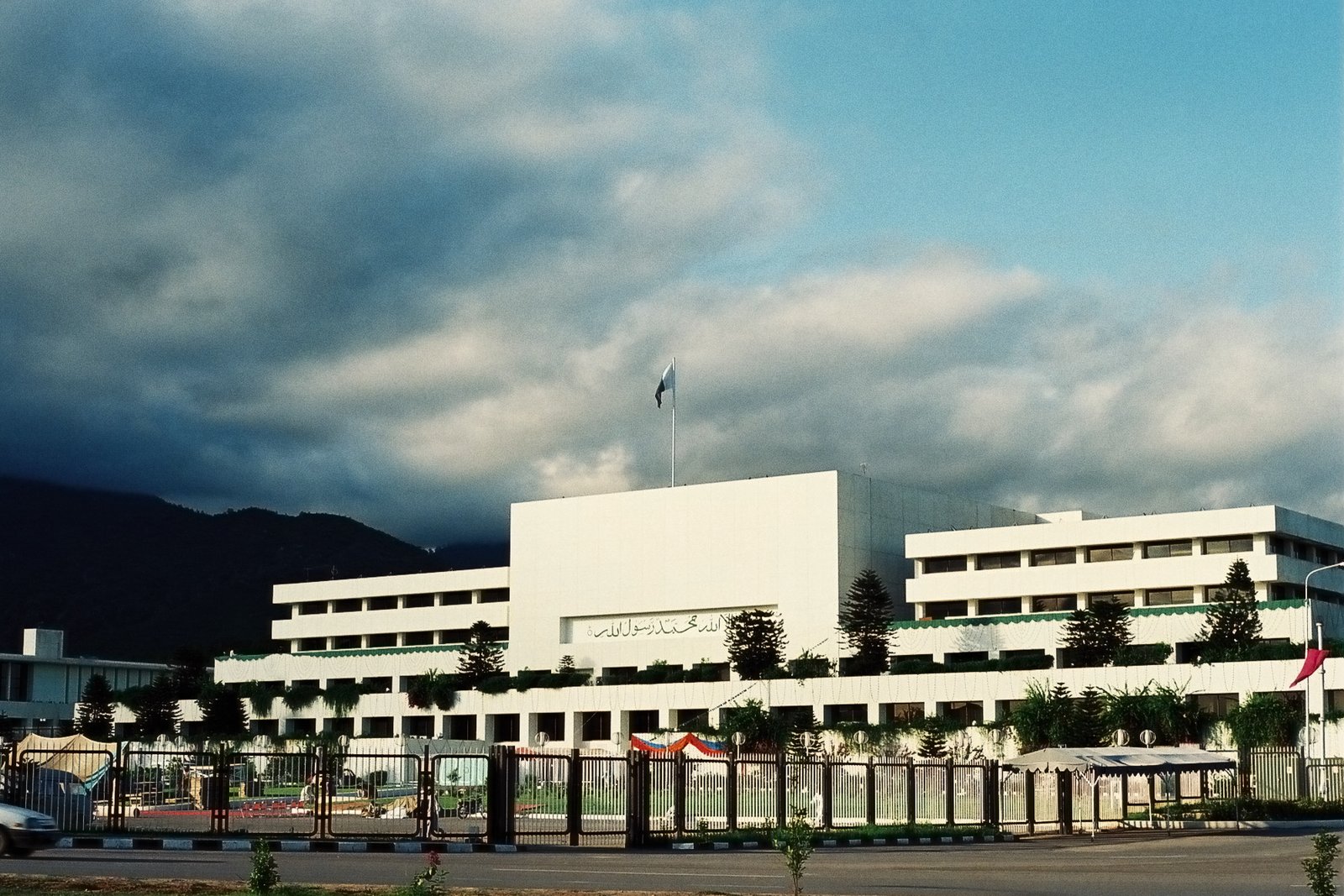
Pakistan is a signatory to the Makkah Defence Pact, which was signed on 7 August 2026 in Makkah by Saudi Crown Prince Mohammed bin Salman, Turkish President Recep Tayyip Erdogan and Prime Minister Shehbaz Sharif. For Pakistan, Thursday’s vote locks in the collective security framework with a partner that fields NATO’s second-largest military, alongside Saudi Arabia.
In an interview in October, Pakistan’s military spokesperson, Lt Gen Ahmed Sharif Chaudhry, described the agreement as purely defensive with “no offensive intent”, saying collective deterrence would “definitely come into play” if negotiations failed and describing the security of the Haramain Sharifain as non-negotiable. Thursday’s ratification turns that framework from a signed agreement into settled law in one of its three capitals.
With the parliamentary process complete in Ankara, attention now turns to how the three capitals shape the practical cooperation the pact promises — joint training, defence production and intelligence sharing — and whether Türkiye seeks the separate parliamentary mandate that any troop deployment would require.
Related Posts
 World NewsUN Security Council Adopts Pakistan’s Diplomacy Statement: Talks Must Go On Even During War
 World NewsHoax Bomb Threats Hit at Least 25 Flights Across Europe as Fighter Jets Scramble
 World NewsParaguay Bank Collapse: Ueno Bank Seized as 3 Million Customers Locked Out
 World NewsUS Sanctions Indian Couple Over Fake Flags for Iran’s Shadow Fleet — Nine Firms and a Turkish Ground Handler Also Hit
 World NewsStrait of Hormuz on Fire: Two Oil Tankers and a Tugboat Ablaze After Mine Strike
 World NewsUS Midterm Elections 2026: Democrats Retake Congress as Voters Hand Trump a Rebuke
Most Popular
 How-ToPTA Tax Calculator 2026: Check Mobile Tax on Any Phone417 views
 Pakistan NewsPIA Boeing 787 Lease Deal: What It Means for the Airline389 views
 Canada JobsTech Jobs in Canada: Roles, Salaries, and Skills Needed387 views
 SportsUEFA Champions League 2026-27: Format, Teams and Schedule384 views
 TechnologyPM Shehbaz Sets November Deadline for Alibaba AI and Digitalisation Projects in Pakistan364 views
 ShowbizWomen’s Fashion in Pakistan 2026: Trends, Brands and Style Guide360 views