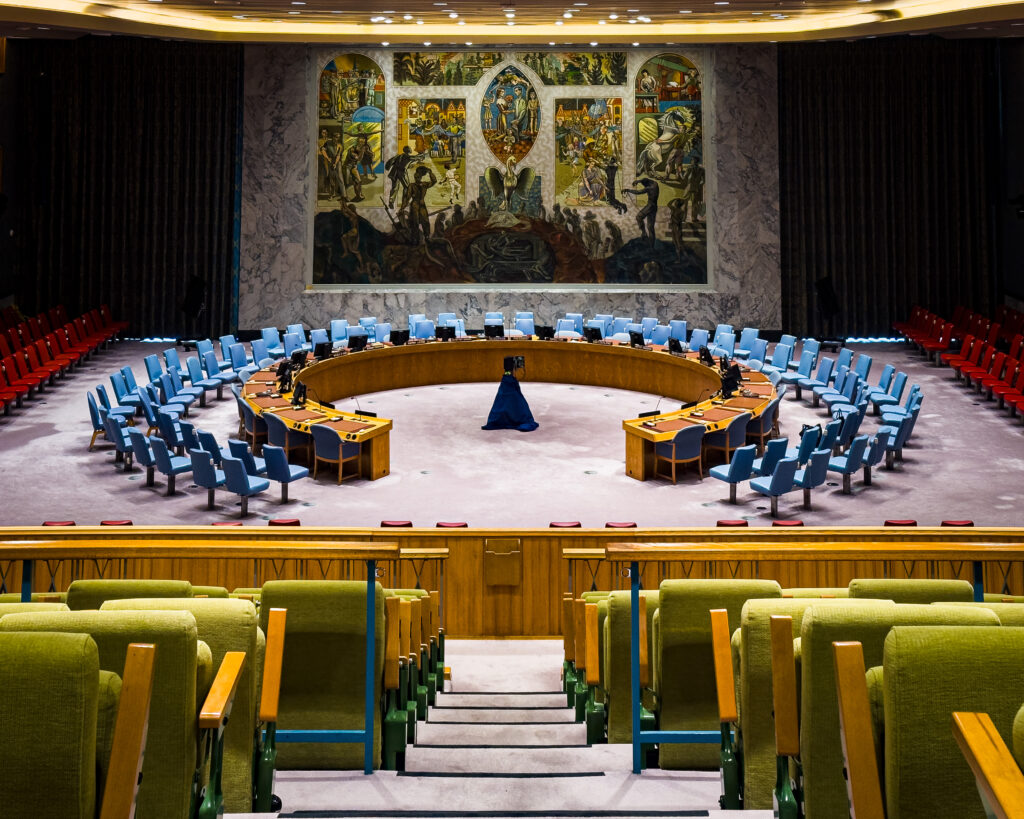
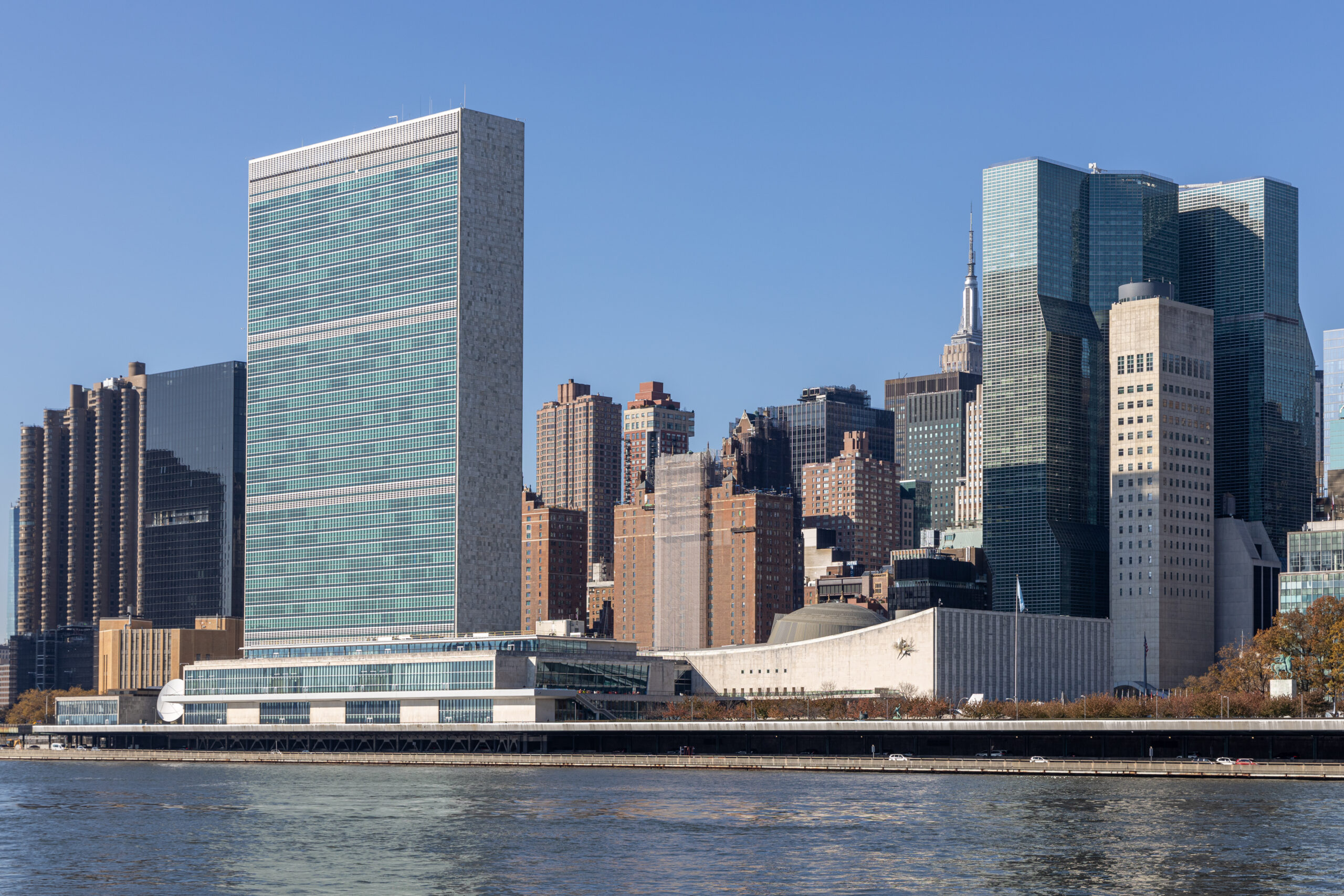
Pakistan has warned the United Nations that the world is sliding towards a global energy crisis, telling the Security Council that spreading conflicts are threatening fuel and food supplies, disrupting supply chains and pushing up prices for developing countries.
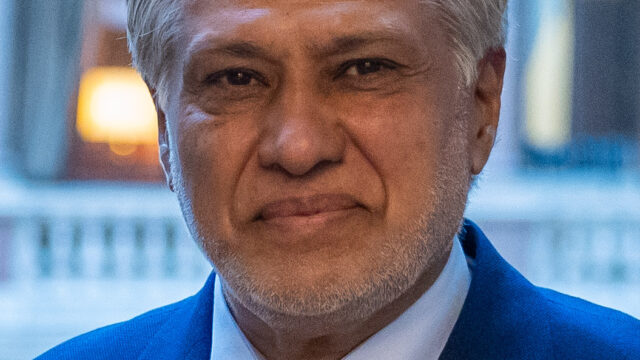
Ambassador Syed Haider Shah, Pakistan’s Permanent Representative to the United Nations, delivered the warning at a Security Council briefing on Monday, 23 November 2026. He told the Council that conflicts were putting severe strain on food and energy supplies, fracturing supply chains and sending prices soaring, with the worst effects falling on developing countries.
“There is little doubt that our world is facing a rapidly shifting and, as a corollary, an unstable geo-political situation,” Shah told the Council. “The resulting humanitarian consequences have been devastating, impacting lives and livelihoods of peoples not only in the areas directly affected by these conflicts, but far beyond the confines of the conflict zones, especially the developing countries.”
The warning was reported by Dawn on Wednesday, 25 November, with Dunya News carrying the same account a day earlier.
Why the Warning Hits Pakistan Hardest
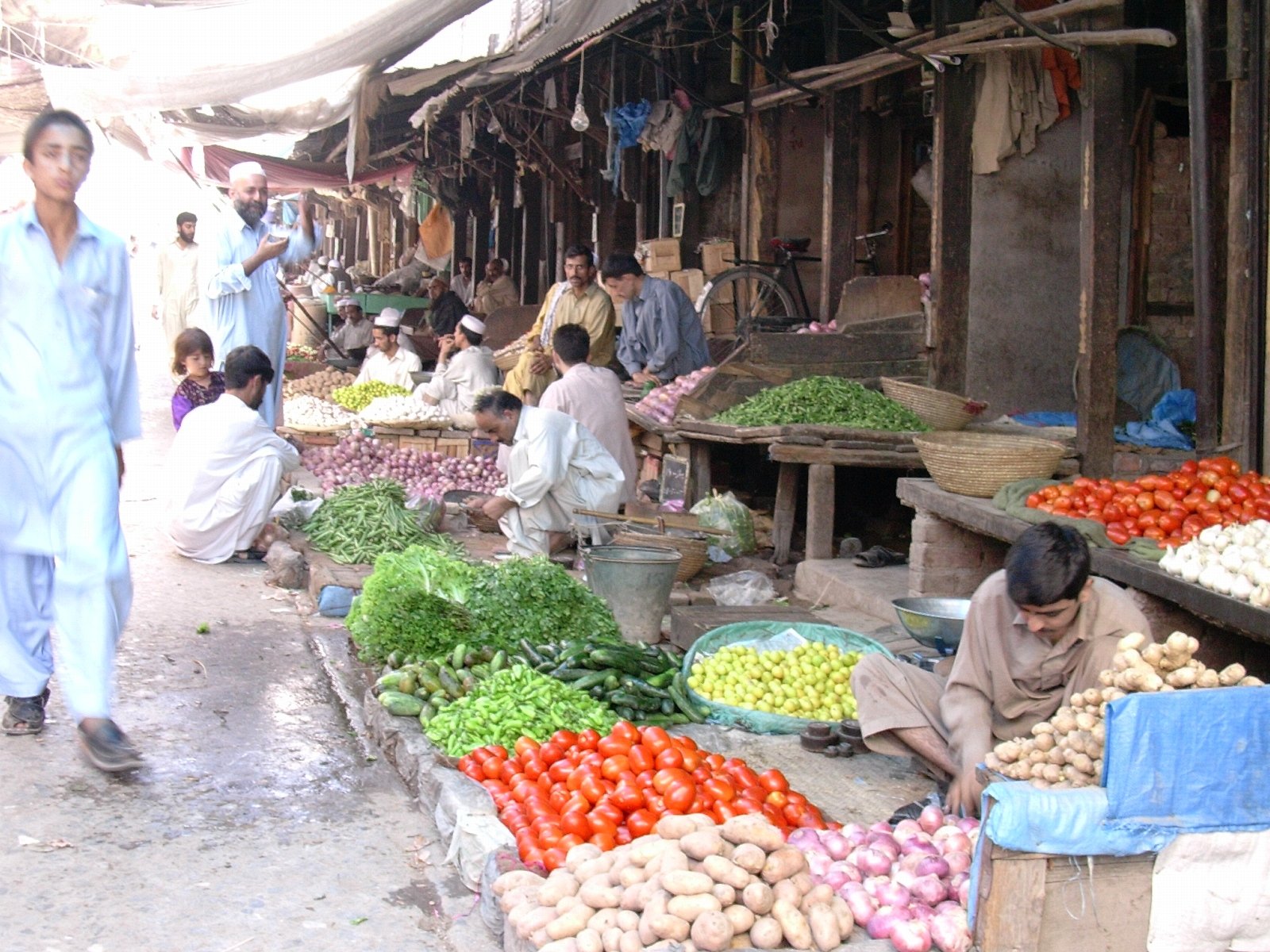
Pakistan is acutely exposed to any disruption in world energy markets because it imports almost all of its oil and gas. According to the International Monetary Fund, the country is a net oil and gas importer, with 81 per cent of its fuel imports coming from Gulf Cooperation Council countries.
The Fund has warned that higher international energy prices and regional price premiums are worsening Pakistan’s economic outlook, putting pressure on its current account and threatening to push up inflation. The State Bank of Pakistan reported that inflation averaged 10.2 per cent during March to June 2026, driven partly by higher global energy and commodity prices after the Middle East conflict.
Disruptions to Qatari liquefied natural gas supplies after the outbreak of the Middle East war forced Pakistan to consider expensive spot-market purchases. In April, Petroleum Minister Ali Pervaiz Malik told Reuters that spot LNG cargoes were trading at between 20 and 30 dollars per million British thermal units.
What Pakistan Asked the Security Council to Do
The briefing, chaired by Latvian President Edgars Rinkevics, focused on protecting critical energy infrastructure and Black Sea lifelines of global food supplies. Shah set out three priorities: protect civilians and critical infrastructure under international humanitarian law, allow rapid and unimpeded humanitarian assistance, and strengthen international cooperation to safeguard food and energy supply chains.
He warned that disruption in energy, fertilisers, maritime transport or farm trade could spread food insecurity well beyond conflict zones. “There can be no lasting food security without peace. There can be no substitute for the actual resolution of conflicts, through peaceful means, in accordance with the UN Charter and international law,” he stressed.
UN Under-Secretary-General Rosemary DiCarlo, who also addressed the briefing, warned that attacks on energy infrastructure this year were even more extensive than at the same time last year.
What It Means for Fuel Prices at Home
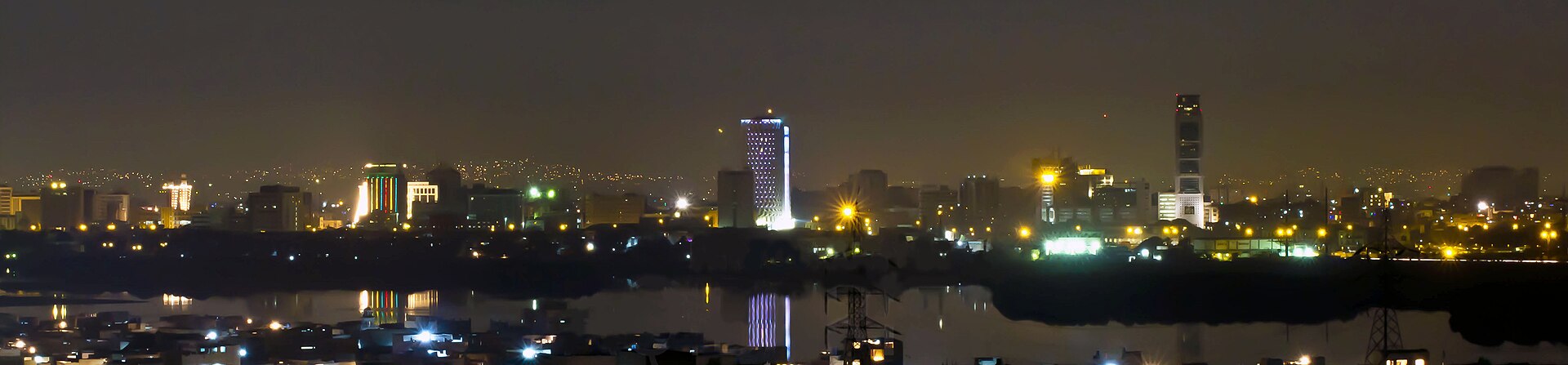
The warning lands as fuel prices weigh on households. Petrol now sells at Rs318 per litre and diesel at Rs353 after the latest price cut, and taxes add Rs114 per litre to petrol and Rs100 to diesel. Any fresh spike in world oil or gas prices would feed straight into pump prices and power bills.
Islamabad has been trying to widen its energy options. Pakistan sealed a 200 million dollar long-term energy partnership with Oman this week, and a plan to split the two state gas companies is now on the prime minister’s table. The International Monetary Fund board is expected to approve about 1.21 billion dollars for Pakistan on 11 December.
For ordinary households, the message from New York was blunt: as long as conflicts keep disrupting energy and food trade, countries that import almost all their fuel will keep paying the price first.
Feature Pakistan reported the briefing, and business confidence has fallen as foreign investors turn negative.
Related Posts
 World NewsPakistan and Portugal Agree Joint Ministerial Commission to Boost Trade, Investment and Labour Mobility
 World NewsSheikh Hasina Plans Return to Bangladesh on December 16, Government Vows Arrest
 World NewsParastoo Ahmadi Receives 74 Lashes in Iran Over Hijab-Free Online Concert
 World NewsPakistan and Türkiye Sign Judicial Cooperation MoU to Deepen Court Ties
 World NewsField Marshal Asim Munir Meets Malaysian PM Anwar Ibrahim in Putrajaya to Strengthen Defence Ties
 World NewsPakistan, Saudi Arabia and Türkiye to Hold Makkah Pact Talks in Islamabad on 26–27 November
Most Popular
 How-ToPTA Tax Calculator 2026: Check Mobile Tax on Any Phone421 views
 Pakistan NewsPIA Boeing 787 Lease Deal: What It Means for the Airline398 views
 Canada JobsTech Jobs in Canada: Roles, Salaries, and Skills Needed395 views
 SportsUEFA Champions League 2026-27: Format, Teams and Schedule391 views
 TechnologyPM Shehbaz Sets November Deadline for Alibaba AI and Digitalisation Projects in Pakistan372 views
 ShowbizWomen’s Fashion in Pakistan 2026: Trends, Brands and Style Guide366 views