Business confidence in Pakistan has fallen sharply into negative territory, with foreign investors turning pessimistic in the latest survey by the Overseas Investors Chamber of Commerce and Industry (OICCI). The chamber’s Business Confidence Survey, carried out across the country in September and October 2026 and released on 24 November, puts overall business confidence at minus 23 percent — a fall of 36 points from positive 13 percent in the previous survey in May.
The steepest fall came among the chamber’s own members. Confidence among foreign investors dropped 55 points, from positive 28 percent to minus 27 percent. Foreign investors have traditionally reported stronger confidence than the wider business community, so the reversal stands out as the survey’s most striking result. The survey covers manufacturing, services and retail firms in large and small cities, together representing about 80 percent of Pakistan’s gross domestic product.
The OICCI said the downturn reflects heightened geopolitical tensions, including the US-Iran war and wider instability in the Middle East, alongside persistent pressures inside the domestic economy. It has not announced a forecast for when confidence might recover, but said it will keep engaging the government and stakeholders to address business concerns and restore confidence.
Foreign investors turn negative as confidence falls 55 points
The fall among foreign investors matters because these are the companies that bring capital, technology and export orders into Pakistan. When their confidence turns negative, investment decisions slow down — and the survey shows that is already happening. Expectations for capital investment fell from positive 2 percent to minus 14 percent, while employment expectations dropped 23 points to minus 6 percent. Expectations of business expansion are still marginally positive at 3 percent, but that measure has fallen by 27 points.
The mood among firms about the recent past has also soured. The share of businesses describing conditions over the past six months as negative rose from 47 percent to 78 percent. Looking ahead, 44 percent expect conditions to worsen over the next six months, up from 34 percent, while only 23 percent expect improvement — down from 47 percent in May.
The OICCI president said the findings should serve as an important signal for policymakers as Pakistan seeks to attract investment and promote private-sector-led economic growth. Secretary General M. Abdul Aleem expressed concern over the sharp decline in foreign investor confidence, noting that it had traditionally remained stronger than that of the wider business community.
Every major sector in the red
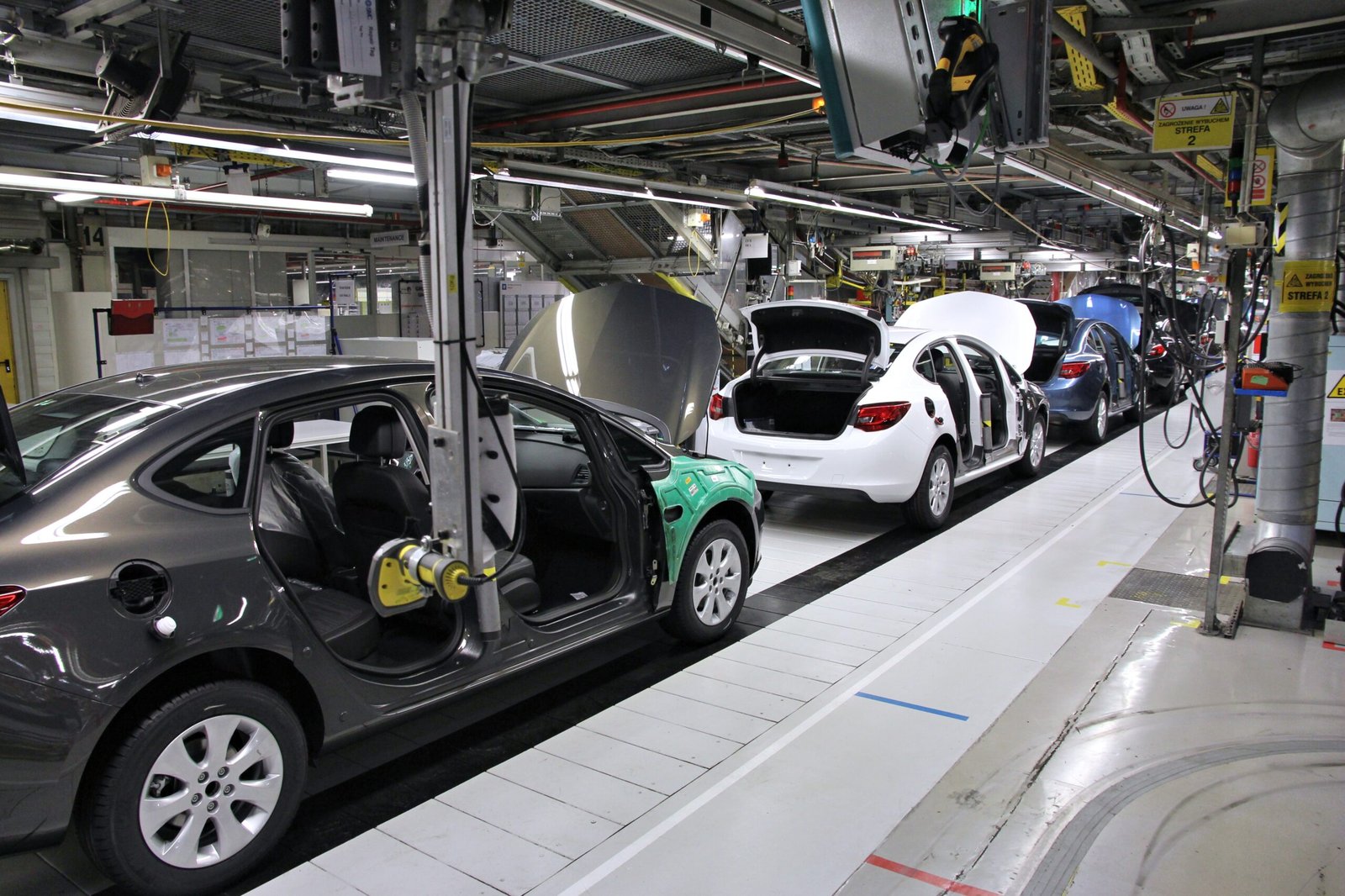
No major sector escaped the downturn. Retail and wholesale recorded the steepest fall, losing 45 points to reach minus 25 percent. Manufacturing also stood at minus 25 percent, down 34 points, while services dropped 31 points to minus 17 percent. All three sectors are now in negative territory, pointing to broad-based weakness rather than trouble in a single industry.
The survey’s sector picture fits with other recent business news. Engro Holdings, one of Pakistan’s largest groups, has proposed buying back up to 60 million of its own shares, while petrol and diesel prices were cut only modestly this week — petrol by one rupee to Rs318 a litre and diesel by four rupees to Rs353 — leaving fuel costs high for businesses that move goods across the country.
Inflation and taxes top the list of worries
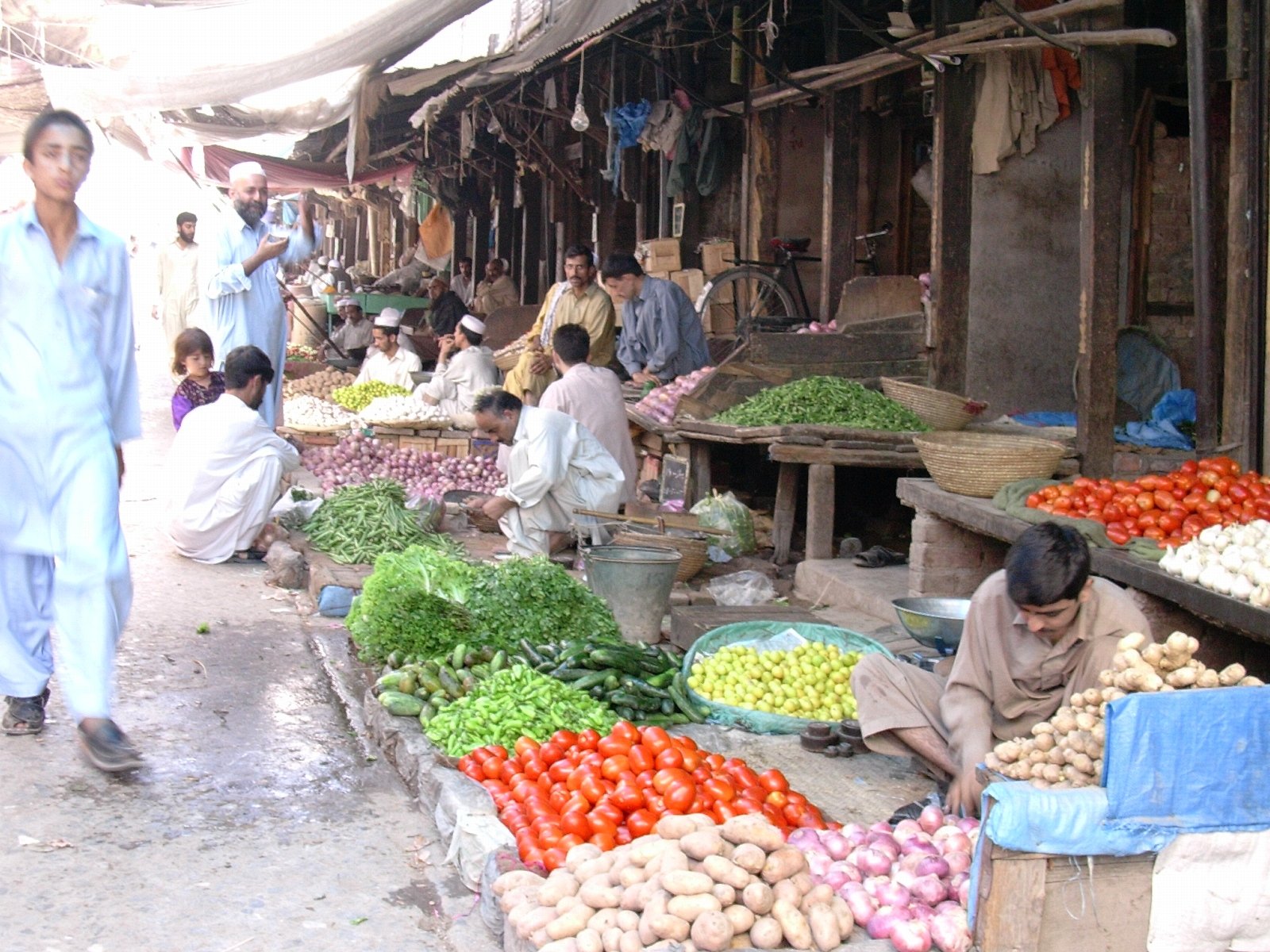
Respondents named inflation and heavy taxation as the two biggest challenges to growth, cited by 84 percent and 81 percent of businesses respectively. High energy costs, fuel prices and policy uncertainty also weighed on sentiment, along with security concerns and regional tensions.
Fuel costs deserve special attention. More than 90 percent of businesses say recent fuel price adjustments have hurt their operations, with higher transport costs emerging as the biggest problem. Transport costs affected between 80 and 88 percent of businesses across different sectors, according to the survey — a reminder that fuel prices feed directly into the cost of doing business, from factory gates to shop shelves.
For households, the same pressures apply. Inflation and taxes are costs that firms and families both face, and when businesses stop hiring and investing, workers feel it first. Employment expectations at minus 6 percent suggest job creation will stay weak unless sentiment turns around.
Whether confidence recovers will depend on the issues businesses themselves named: bringing inflation down, easing the tax burden, stabilising energy and fuel costs, and giving investors clearer, more predictable policy. Until then, the survey’s message is plain — Pakistan’s businesses, including its foreign investors, have turned gloomy, and they are waiting for reasons to believe again.
Related Posts
 BusinessPetrol Price Cut by Re1 to Rs318, Diesel Down Rs4 to Rs353 From 25 November
 BusinessEngro Holdings Proposes Buyback of 60 Million Shares — 5.14% of Its Stock
 BusinessPIA Norse Atlantic Aircraft Shortage Puts UK and Europe Flights at Risk
 BusinessGold Price in Pakistan Jumps Rs7,800 Per Tola to Rs384,136 After Sharp Rebound
 BusinessPort Qasim Coal Conveyor Breakdown Disrupts Coal Imports to Power Plants and Cement Industry
 BusinessNestlé Pakistan Moves to Spin Off Pure Life Water Business in €5 Billion Global Deal
Most Popular
 How-ToPTA Tax Calculator 2026: Check Mobile Tax on Any Phone421 views
 Pakistan NewsPIA Boeing 787 Lease Deal: What It Means for the Airline397 views
 Canada JobsTech Jobs in Canada: Roles, Salaries, and Skills Needed395 views
 SportsUEFA Champions League 2026-27: Format, Teams and Schedule390 views
 TechnologyPM Shehbaz Sets November Deadline for Alibaba AI and Digitalisation Projects in Pakistan372 views
 ShowbizWomen’s Fashion in Pakistan 2026: Trends, Brands and Style Guide366 views