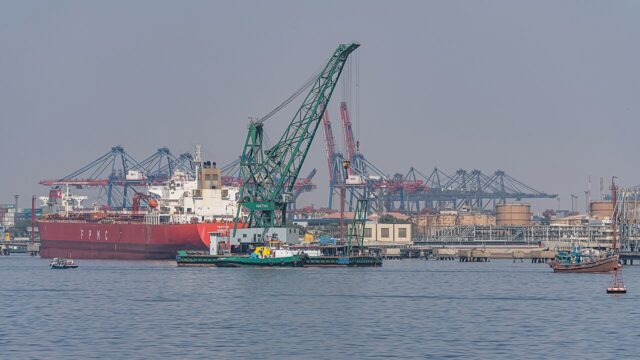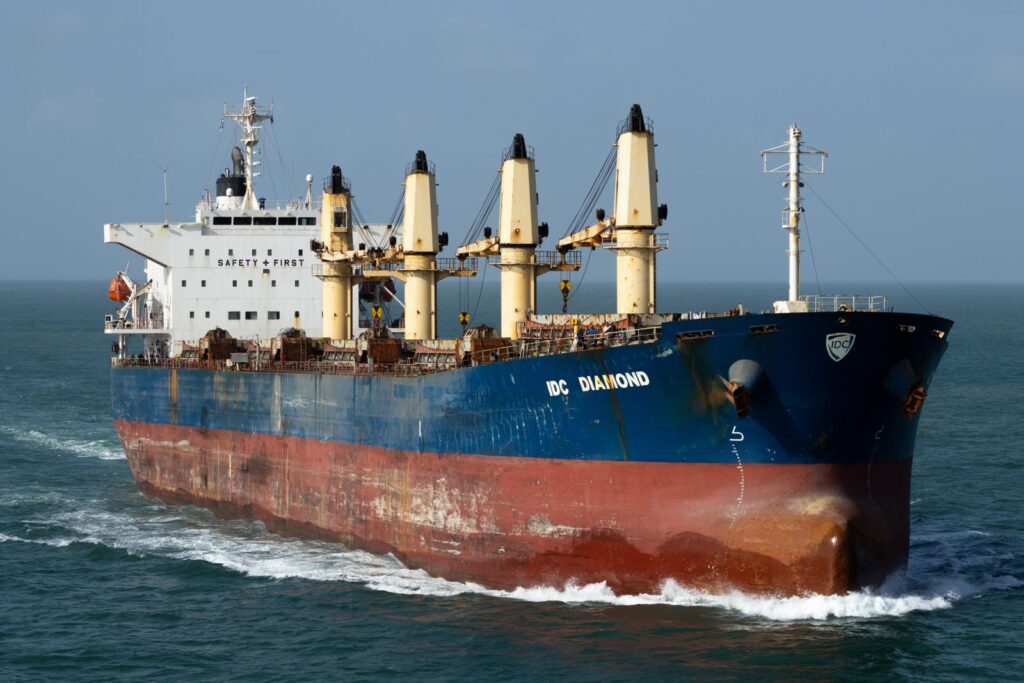
Pakistan’s only coal conveyor at Port Qasim has broken down, cutting the discharge of imported coal to one-tenth of its normal rate and leaving power plants, cement factories and textile mills facing mounting costs and possible disruption to electricity generation.
The conveyor system at the Pakistan International Bulk Terminal (PIBT) has been out of operation since 18 November, Dawn reported on 23 November. The terminal is the country’s only dedicated coal-handling facility, and the breakdown has slowed the unloading of every coal vessel calling at the port.
With ships now being unloaded by hand at a far slower pace, vessels are queuing at the terminal, demurrage charges are building up, and the power companies that depend on a steady flow of imported coal are warning that their plants could run short of fuel.
What broke down at Port Qasim
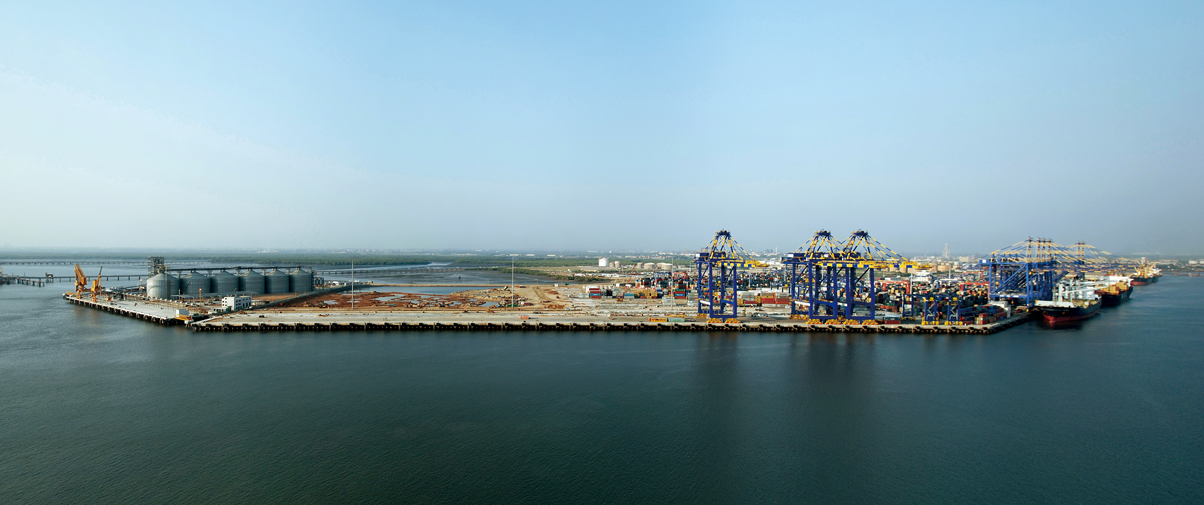
According to PIBT, the conveyor was damaged on 18 November while coal was being discharged from the vessel Pegasus 8. The terminal blamed what it described as the excessively dusty nature of the Tanzanian coal in the cargo, and the presence of foreign material in it, particularly sharp pieces of iron.
Repairs could take eight to 10 days, PIBT said, although no firm date for the conveyor returning to service has been given. Until then, coal is being discharged by conventional means — manually and far more slowly than the conveyor allowed.
The breakdown comes at a difficult moment for the power sector, which is already dealing with disruptions to liquefied natural gas (LNG) supplies and reduced availability of hydroelectric power.
Discharge falls to one-tenth of normal
The scale of the slowdown is stark. The state-run Jamshoro Power Company (JPC) reported that vessels are now being discharged manually at 3,000 tonnes a day, against the usual rate of 30,000 tonnes a day through the conveyor.
That is a fall of 90 per cent in the terminal’s coal-handling capacity, and it means each vessel now takes roughly ten times as long to unload. Queues at the terminal are lengthening, and every extra day a ship waits adds to the cost of the coal it carries — costs that eventually feed into the price of electricity.
Slower discharge also threatens the coal stocks held at power plants. JPC told PIBT and the federal government in a letter that it depended on uninterrupted coal receipts through the terminal, and that the disruption put that supply at immediate risk, with serious and compounding consequences.
Delayed coal receipts threatened critical stocks at its plant and, consequently, its operations and electricity generation for the national grid, the company said, as well as causing port congestion and demurrage charges. The petrol pumps shutdown threat announced this week shows how quickly a fuel supply problem can become a national one, and the petrol price cut to Rs319 from 24 November has not eased the pressure on the energy sector.
Jamshoro Power Company warns of millions in losses

JPC put a figure on the damage. Based on its five upcoming vessels, it said demurrage exposure was expected to exceed $2–3 million — between Rs556 million and Rs834 million — and warned that the disruption could result in capacity payment losses of approximately Rs2.2 billion a month if its coal inventory ran short.
The company asked PIBT to declare force majeure, arguing that the scale and nature of the failure justified it. Such a declaration would help power producers and suppliers pursue insurance claims and avoid financial losses arising from the disruption.
JPC also warned that all demurrage, detention, additional expenses, damages and losses arising from the disruption should be borne by PIBT. A shipping line has separately warned that it will seek compensation for the prolonged wait for discharge and for any damage caused to its vessel during conventional unloading.
PIBT, however, has rejected the requests. The terminal said the breakdown was not an event giving rise to a declaration of force majeure on its part, because discharging operations were continuing, albeit through conventional means, which were understandably going to be slower.
A single conveyor was always the weak point
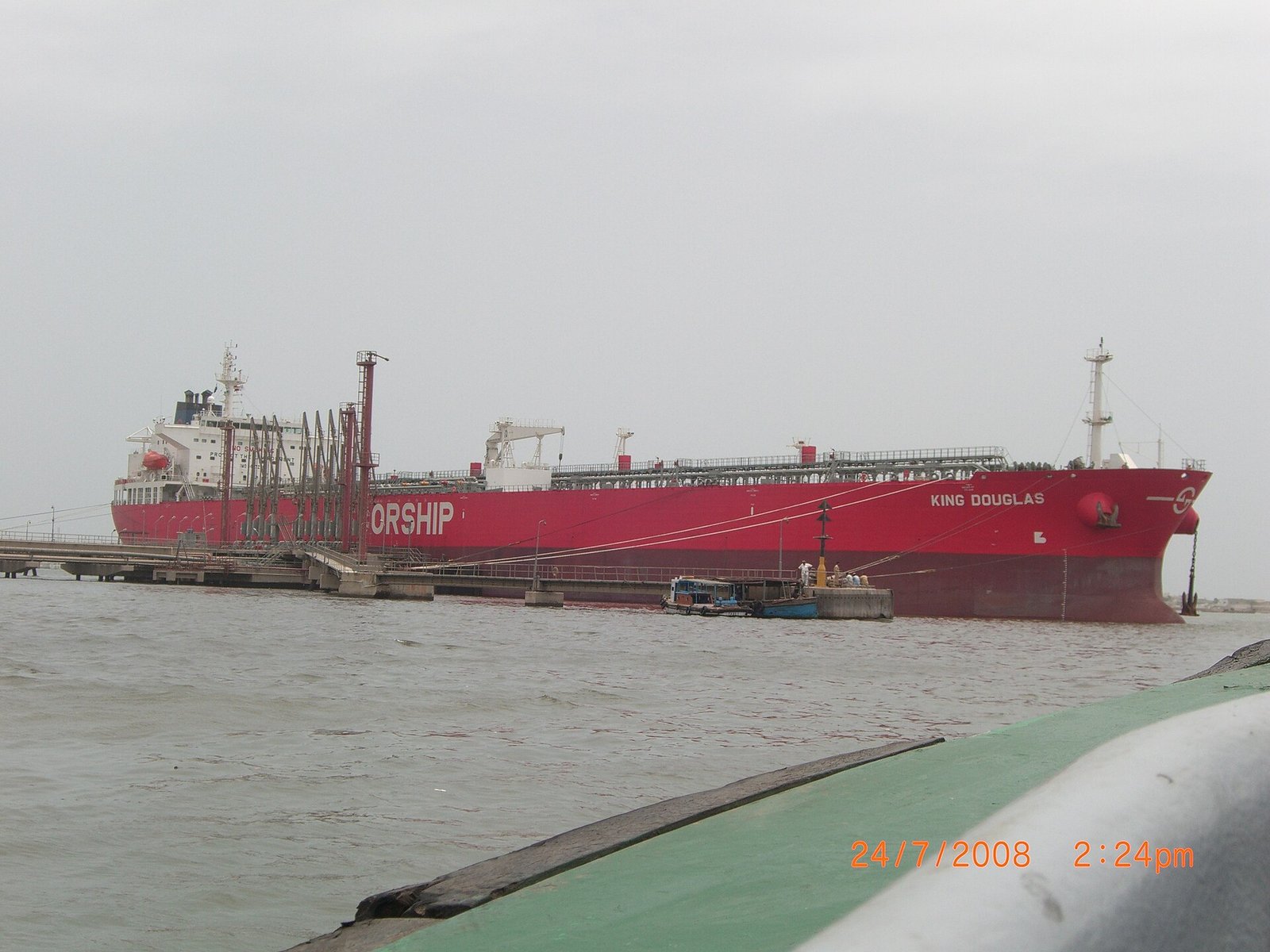
The incident has exposed how exposed Pakistan’s coal imports are to a single point of failure. The terminal depends on one jetty, one coal berth and one conveyor system — and when that conveyor broke, there was no backup.
A second conveyor was proposed in 2021 to raise the terminal’s annual handling capacity from 12 million tonnes to 17 million tonnes. It has still not been built, and the terminal continues to handle all of the country’s seaborne coal imports through the single existing system. The Oman fuel deal, under which PSO secured a $200 million credit facility for fuel purchases, shows how much Pakistan relies on imported energy arriving smoothly through its ports.
For now, the immediate question is how quickly the conveyor can be repaired and how long power plants and factories can keep running on the coal they already hold. JPC has warned that delays to incoming shipments will also disrupt critical supplies and raise future procurement costs, because demurrage is already being charged on vessels that are en route or have been ordered.
Sources: Dawn report (23 Nov 2026); KSE Alert report on the PIBT breakdown.
Related Posts
 BusinessNestlé Pakistan Moves to Spin Off Pure Life Water Business in €5 Billion Global Deal
 BusinessPetrol Pumps Across Pakistan May Shut Down Within 15 Days as Dealers Announce Strike
 BusinessKarachi Flour Prices Rise Again Despite 50,000 Tonnes of Wheat Docking — Mills Threaten Shutdown
 BusinessPetrol Price Cut by Rs3 to Rs319 a Litre From 24 November; Diesel Unchanged at Rs357
 BusinessTCP Opens Bids for 800,000 Tonnes of Wheat as KP Shortage Deepens — Deadline 30 November
 BusinessPakistan, Iran to Set Up Joint Energy Working Group as Gwadar Power Line Financing Tops Agenda
Most Popular
 How-ToPTA Tax Calculator 2026: Check Mobile Tax on Any Phone421 views
 Pakistan NewsPIA Boeing 787 Lease Deal: What It Means for the Airline396 views
 Canada JobsTech Jobs in Canada: Roles, Salaries, and Skills Needed394 views
 SportsUEFA Champions League 2026-27: Format, Teams and Schedule390 views
 TechnologyPM Shehbaz Sets November Deadline for Alibaba AI and Digitalisation Projects in Pakistan370 views
 ShowbizWomen’s Fashion in Pakistan 2026: Trends, Brands and Style Guide366 views