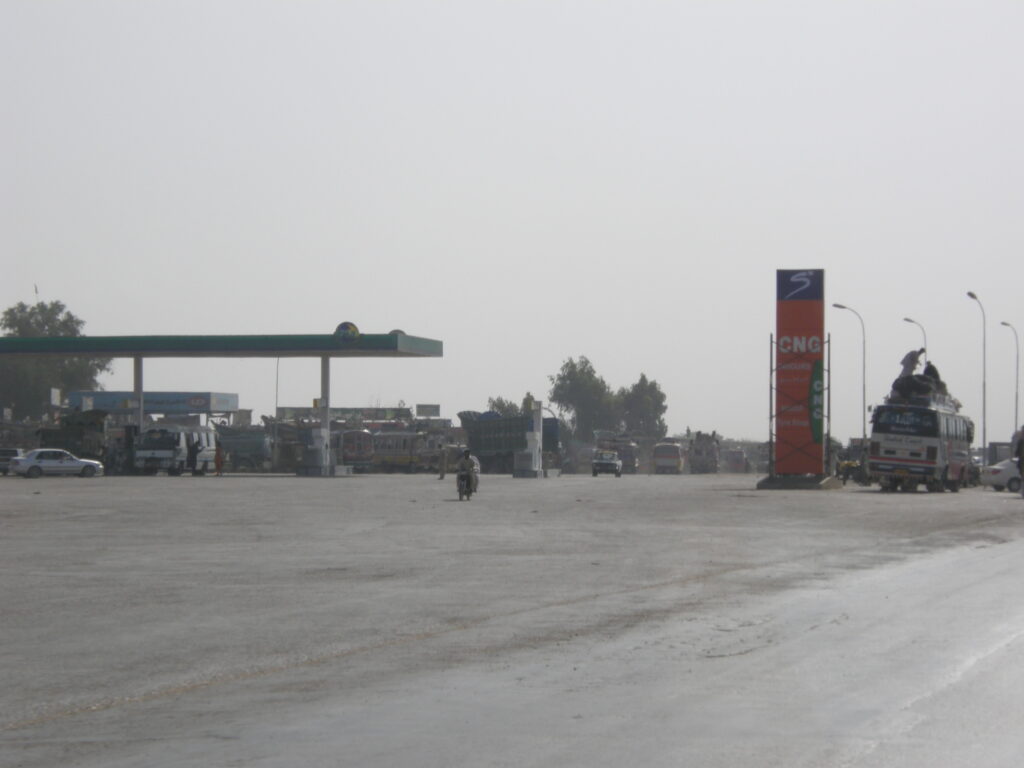
Petrol pumps across Pakistan could shut down within 15 days, after fuel dealers announced a nationwide strike and gave the government a fortnight to meet their demands.
The Pakistan Petroleum Dealers Association (PPDA) announced the strike on Sunday, 23 November, warning that filling stations across the country will close if its demands are not addressed before the deadline runs out. The announcement immediately raised the prospect of fuel shortages and long queues at pumps, particularly in major cities.
The dealers’ central complaint is the government’s daily petroleum pricing mechanism. Under the system, fuel prices can be revised every day, and the association says the arrangement is unacceptable in its current form. PPDA representative Malik Khuda Bakhsh said dealers want the government to end daily revisions and reconsider the fuel pricing policy.
What the dealers are demanding

The association’s demands centre on money. Vice Chairman Tariq Hasan has called for dealers’ profit margin to rise from Rs10 to Rs24 per litre, alongside a fixed profit margin of 8 per cent. He accused the government of favouring oil refineries and oil marketing companies at the expense of petrol pump owners, and called for the profit margins of refineries and oil marketing companies to be reduced.
The dealers also point to their role in the tax system. The association says dealers collect and deposit the petroleum levy, which it puts at around Rs6 billion a day — a figure it cites to underline its importance to government revenue.
Why daily price revisions are the flashpoint
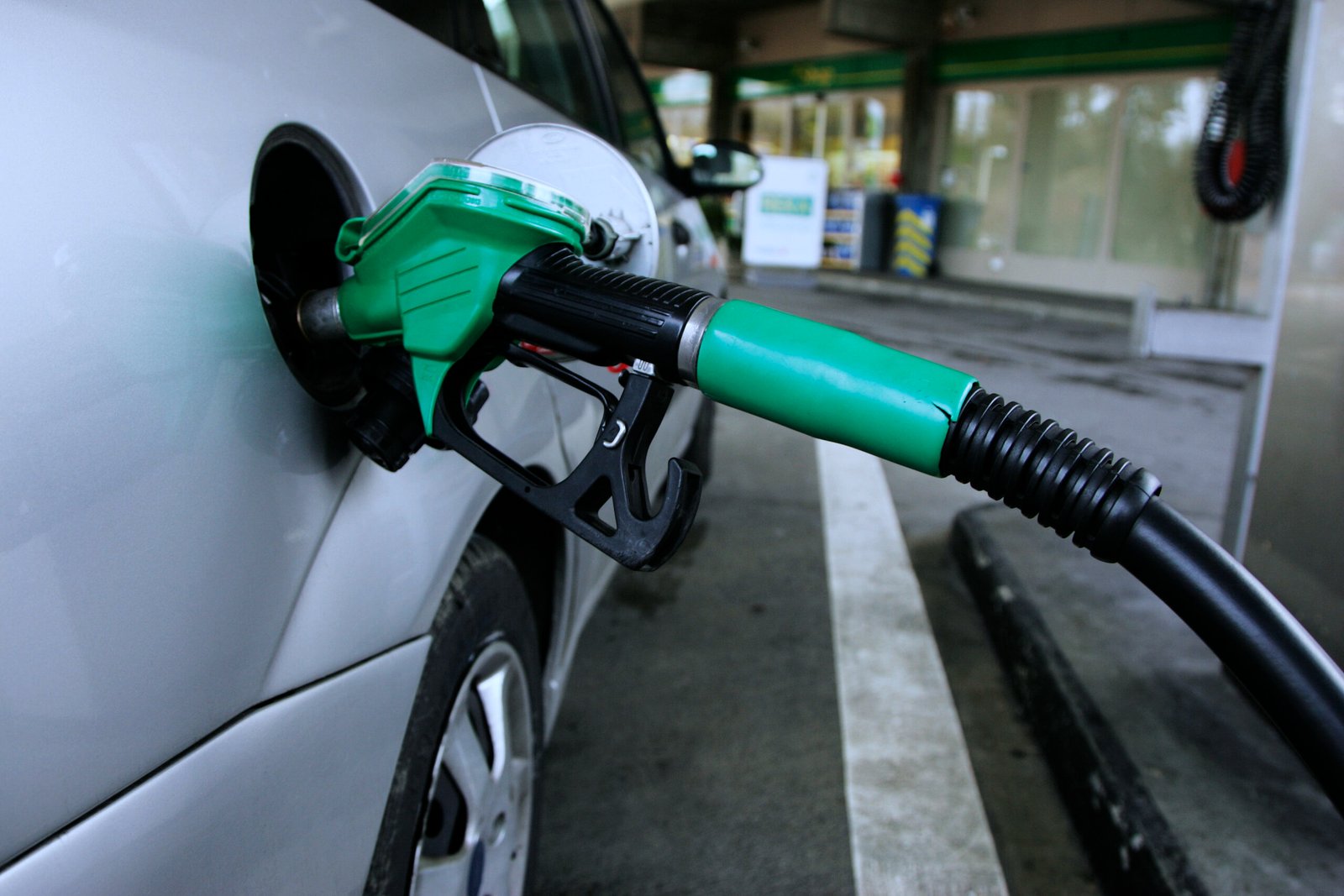
The daily pricing system is the heart of the dispute. When prices are revised every day, a dealer who buys fuel at one price can find its value has fallen by the time it is sold. The association says the system shifts the financial risk of price swings onto retail operators, eroding their working capital and leaving smaller stations struggling to stay viable.
Falling prices have sharpened the complaint. Petrol has just been cut by Rs3 a litre to Rs319, with diesel unchanged at Rs357, and the new prices take effect from Tuesday, 24 November. For dealers holding stock bought at the old price, each cut means selling fuel for less than it cost them to buy.
This is not the first time the dispute has reached this point. Dealers threatened nationwide closures in July and again in October over the same daily-pricing mechanism, and negotiations in October ended without agreement. The latest announcement gives the government 15 days — a deadline that falls around 8 December — to resolve the issue before pumps close.
What a shutdown would mean for motorists
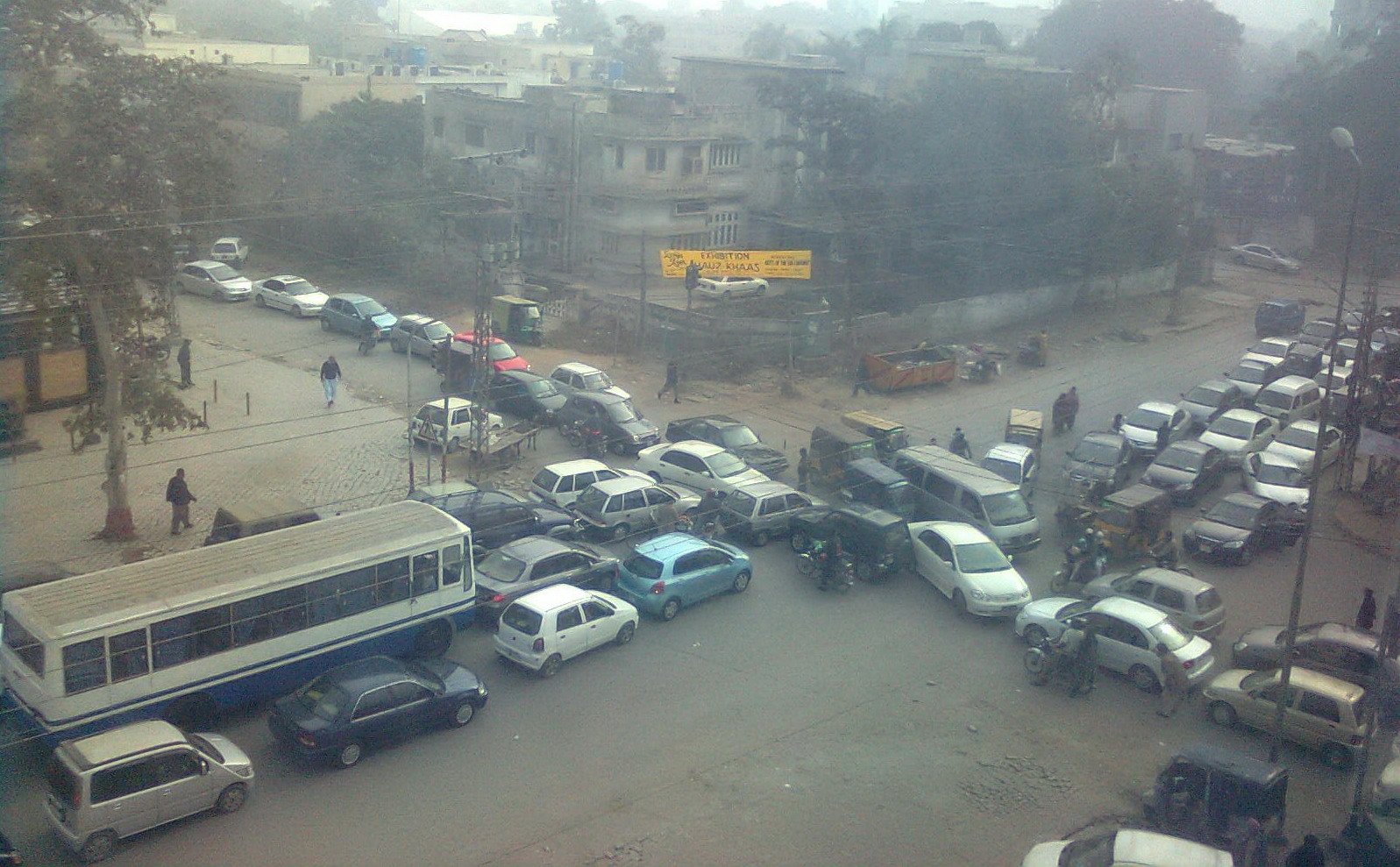
If the strike goes ahead, motorists could face fuel shortages and long queues at petrol stations across the country, particularly in major cities. The association says it represents around 15,000 fuel stations nationwide, so a full shutdown would be felt almost everywhere.
Supplies could tighten even before the deadline. The association claims two major private oil marketing companies have already stopped supplying fuel amid declining petroleum prices, although that claim has not been independently confirmed.
For now, pumps remain open and fuel is available as normal. But with the clock running, motorists who depend on their vehicles daily may want to plan ahead rather than wait for the final days of the deadline.
What happens next
Whether the threatened shutdown takes place now depends on whether the government holds negotiations with the dealers before the 15-day deadline. As of Monday evening, no government response to the latest announcement had been reported.
The dispute lands at a sensitive moment for household budgets. The petrol price cut to Rs319 a litre offers some relief to motorists, but it is the same falling-price trend that dealers say is squeezing their margins. Flour prices have also been rising in Karachi, adding to pressure on household budgets. The government has also been highlighting relief on other fronts, including the Apna Ghar housing loan scheme, which recently passed Rs100 billion in disbursements.
For now, the countdown is on. If talks do not produce a deal within 15 days, Pakistan’s petrol pumps could go dark — and the queues that follow would be felt in every city in the country.
Sources: TechJuice and Pakistan Point (23 November 2026)
Related Posts
 BusinessKarachi Flour Prices Rise Again Despite 50,000 Tonnes of Wheat Docking — Mills Threaten Shutdown
 BusinessPetrol Price Cut by Rs3 to Rs319 a Litre From 24 November; Diesel Unchanged at Rs357
 BusinessTCP Opens Bids for 800,000 Tonnes of Wheat as KP Shortage Deepens — Deadline 30 November
 BusinessPakistan, Iran to Set Up Joint Energy Working Group as Gwadar Power Line Financing Tops Agenda
 BusinessPetroleum Levy Collection Crosses Rs1.1 Trillion in Nine Months as Fuel Taxes Keep ClimbingBusinessPakistan Trade Deficit Revised Up to $4.13 Billion in October as Imports Surge
Most Popular
 How-ToPTA Tax Calculator 2026: Check Mobile Tax on Any Phone421 views
 Pakistan NewsPIA Boeing 787 Lease Deal: What It Means for the Airline396 views
 Canada JobsTech Jobs in Canada: Roles, Salaries, and Skills Needed394 views
 SportsUEFA Champions League 2026-27: Format, Teams and Schedule390 views
 TechnologyPM Shehbaz Sets November Deadline for Alibaba AI and Digitalisation Projects in Pakistan370 views
 ShowbizWomen’s Fashion in Pakistan 2026: Trends, Brands and Style Guide366 views