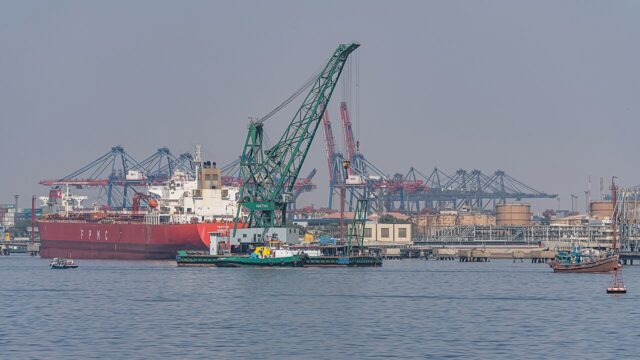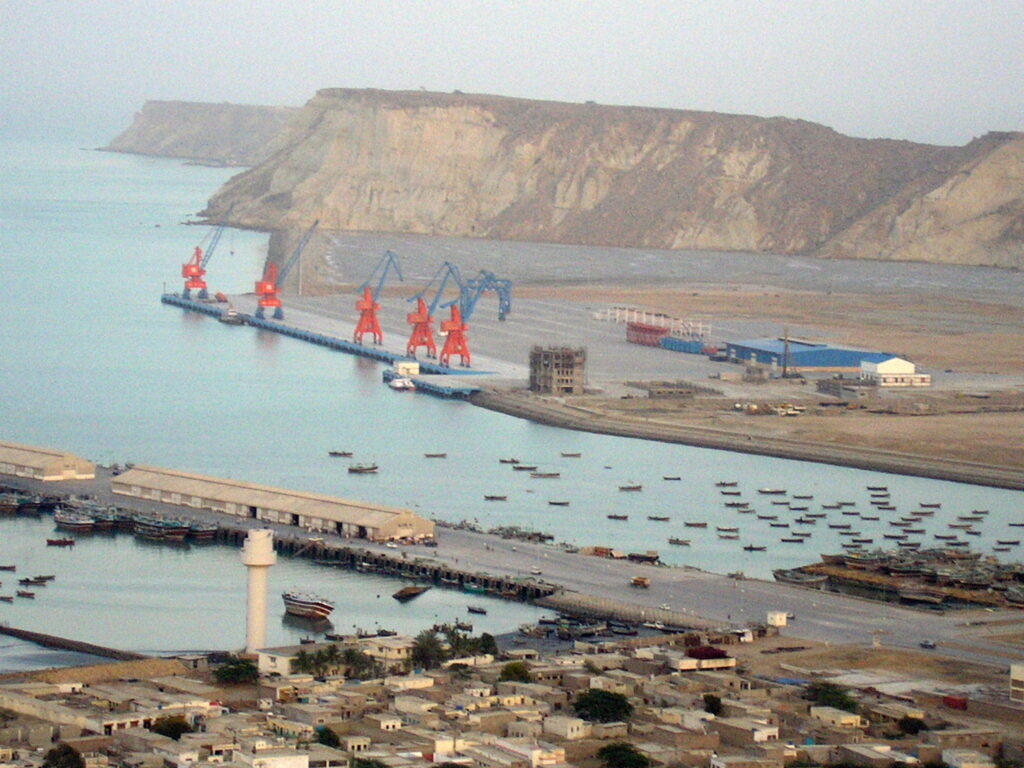
Pakistan and Iran are moving to set up a Joint Working Group on Electricity and Energy, with financing for the second phase of the Gwadar electricity transmission line expected to top the agenda. The group will give the two countries a standing forum to settle practical questions about power trade, equipment and investment — and for Gwadar, where electricity supply has long been a constraint on the port city’s growth, the talks could matter more than the diplomacy around them.
The initiative follows decisions taken at the 22nd Session of the Pakistan-Iran Joint Commission for Economic Cooperation, where both sides agreed to create the working group to strengthen collaboration in the energy sector. The Iranian Embassy in Islamabad has since shared the composition of its delegation and a proposed agenda in a diplomatic communication addressed to Pakistan’s Ministry of Foreign Affairs.
What the working group will decide first
Iran’s Ministry of Energy has nominated representatives from its Centre for International Affairs, the Deputy Ministry for Electricity and Energy, the Renewable Energy and Energy Efficiency Organization (SATBA), MAPNA Group and the Niroo Research Institute. The breadth of that delegation signals that the talks are meant to cover the full span of the power sector, from policy and regulation to equipment manufacturing and research.
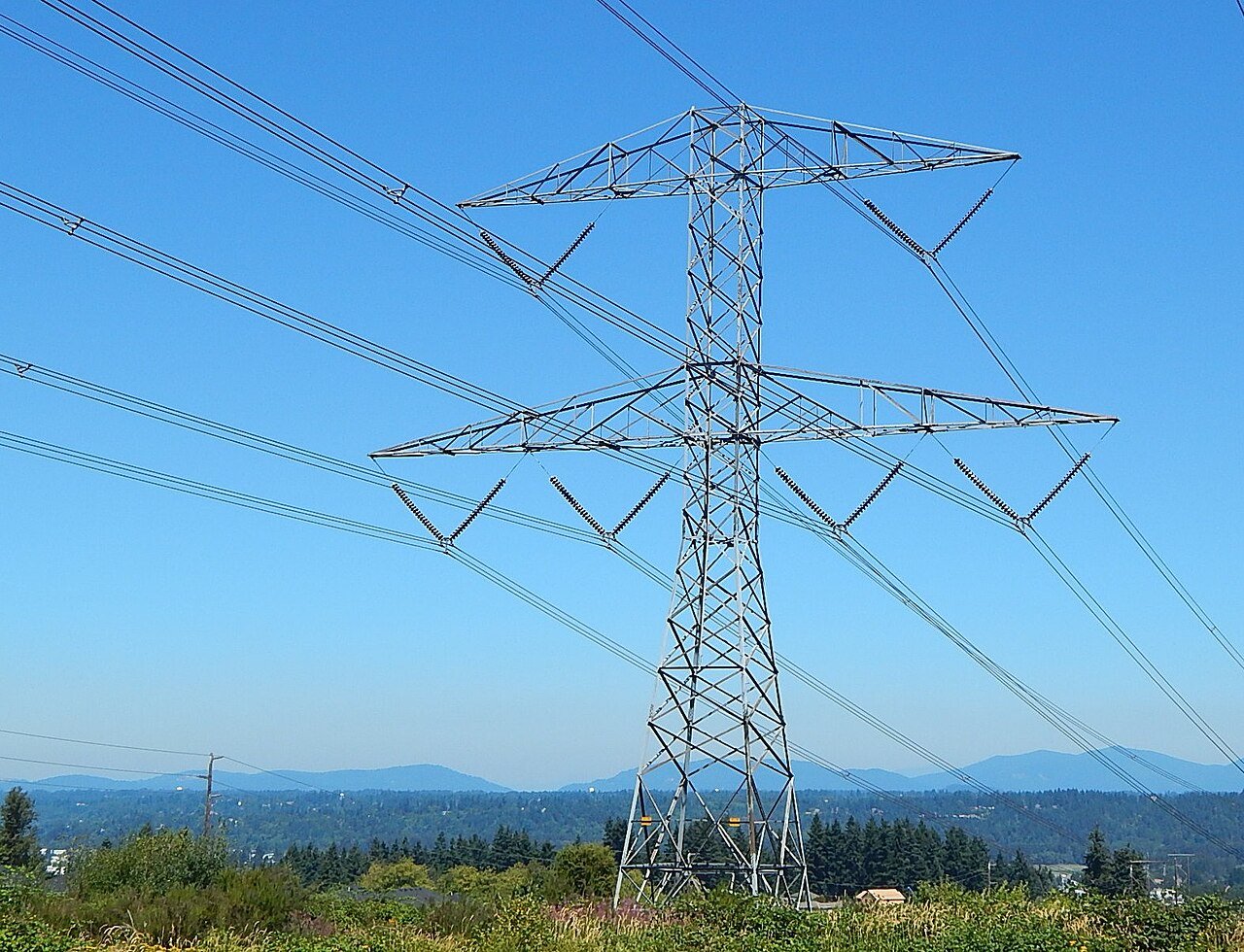
A major focus of the proposed discussions will be financing options and implementation arrangements for the second phase of the Gwadar electricity transmission line. The line is aimed at increasing electricity imports from Iran and strengthening power supply in the port city, which still depends heavily on cross-border supply. No date has been set for the inaugural meeting, but Iran’s Ministry of Energy has conveyed its readiness to hold it virtually.
Gwadar’s second transmission line: more power from Iran
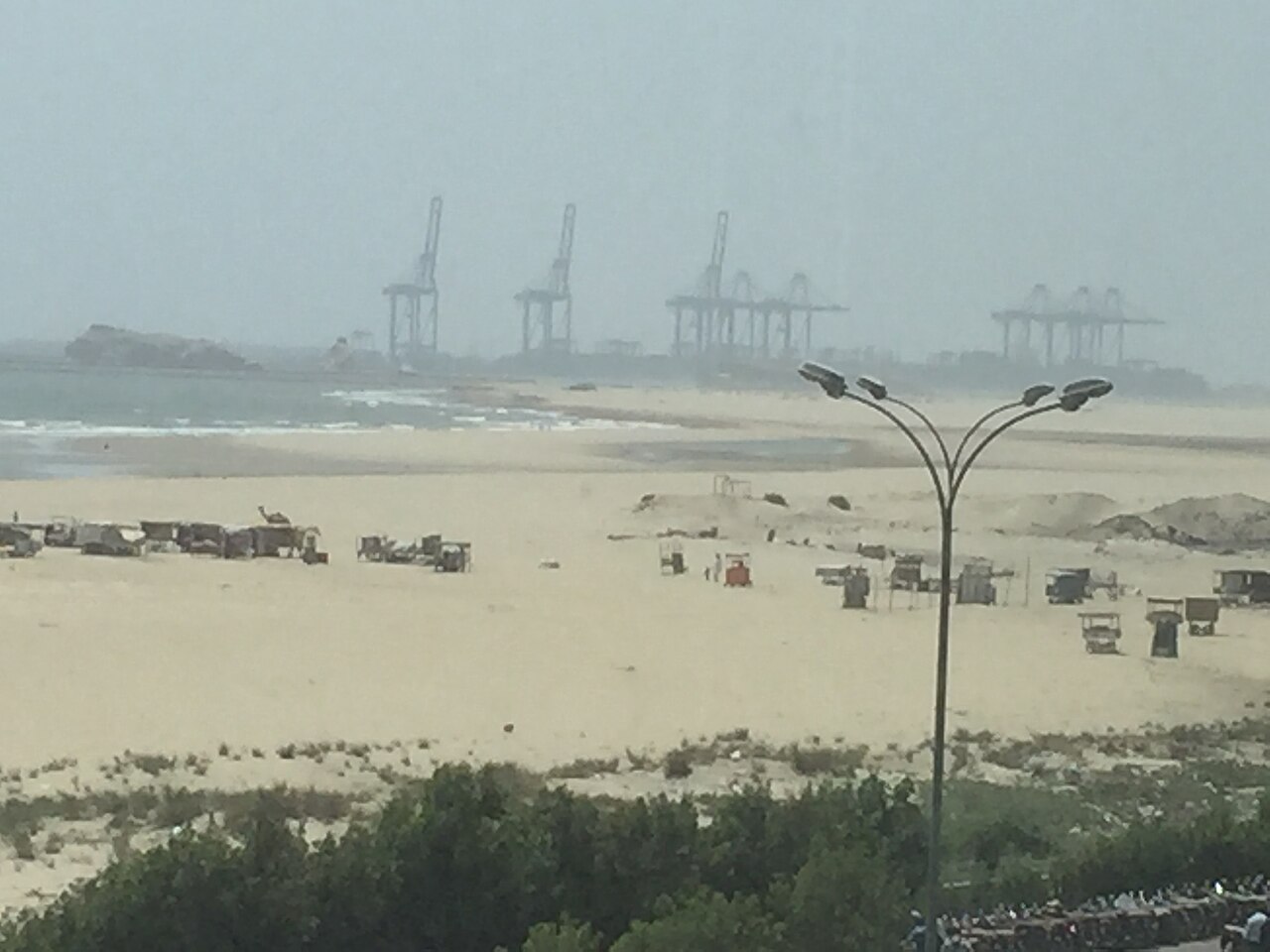
Gwadar’s power position explains why the transmission line leads the agenda. Pakistan already imports up to 204 megawatts of electricity from Iran under an agreement signed in 2002 to supply the Makran region, covering Gwadar, Kech, Panjgur, Washuk and Chagai districts. The agreement obliges Pakistan to buy a fixed monthly volume of electricity, and the National Assembly was recently told that about $12 million is owed to Iran’s state power utility, Tavanir, with the outstanding amount being settled in instalments. The agreement was amended in December 2024 and extended for a further two years.
A second phase of the transmission line would raise how much power can flow into Gwadar from the Iranian grid — capacity the port city will need as industrial and commercial activity grows around it. Energy Minister Sardar Awais Ahmad Khan Leghari has separately proposed that Iran and Turkmenistan study raising transmission capacity to Gwadar through the Iranian grid, underlining that the government sees the Iranian connection as central to the port’s power future rather than a stopgap.
Beyond the power line: equipment, renewables and storage
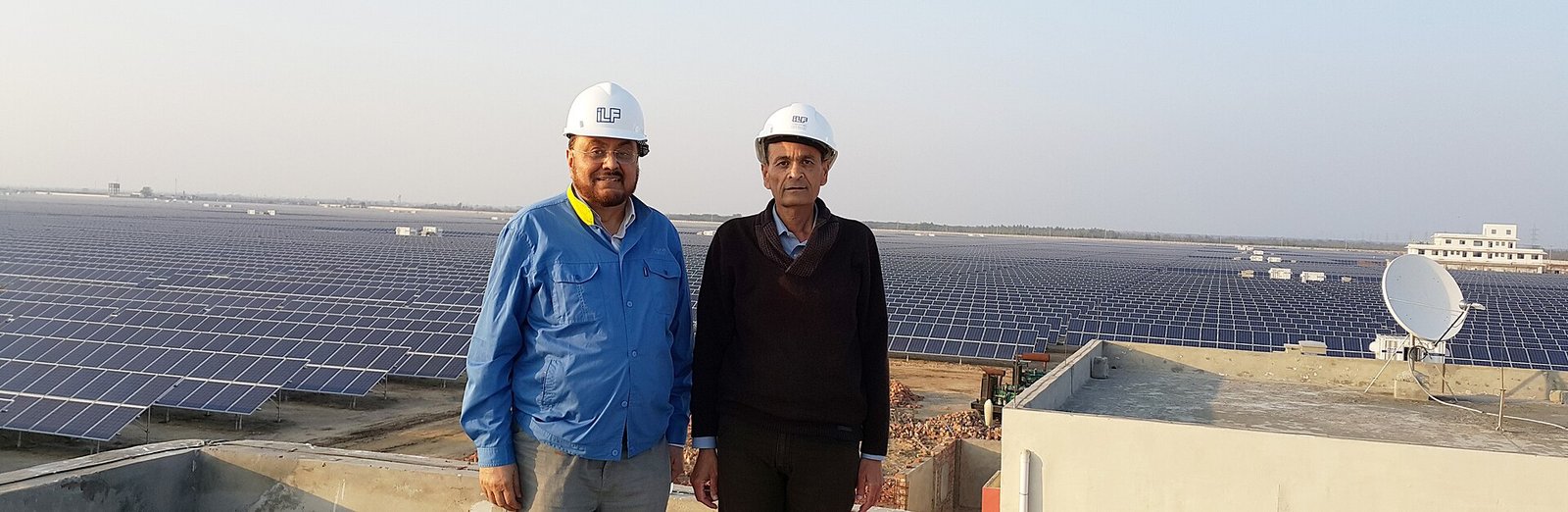
The working group’s agenda reaches well beyond a single transmission line. The two sides are expected to explore cooperation in electricity generation, transmission and distribution, including the supply of electrical equipment and spare parts that Pakistan needs, as well as maintenance services for power plants. For a power sector that regularly faces equipment shortages and maintenance backlogs, a reliable channel for spares and servicing would be a practical gain.
Renewable energy is another priority. Discussions will cover the exchange of technical expertise, investment opportunities in both countries and cooperation in renewable electricity storage technologies — an area that matters as Pakistan adds large volumes of solar power to its grid and looks for ways to store it. The working group is intended to turn these broad aims into specific, fundable projects rather than leave them as summit language.
Iranian firms eye a bigger role in Pakistan’s power market
The group will also examine ways to facilitate the participation of Iranian companies in Pakistan’s electricity market, potentially opening the door to investment, technology transfer and joint ventures in energy-related projects. Iranian firms have longstanding experience in power generation and transmission equipment, and a formal working group gives both sides a route to test commercial partnerships without waiting for the next high-level visit.
For now, the process is at the starting line: a delegation named, an agenda proposed, and a first meeting to be held virtually once the two sides agree a date. But the structure matters. Energy cooperation between Pakistan and Iran has often advanced in fits and starts, driven by individual agreements rather than a standing mechanism. A joint working group dedicated to electricity and energy would give the relationship an institutional spine — and if its first test, the Gwadar line’s financing, is settled, the port city could feel the difference sooner than the diplomats do.
Sources: Energy Update (reporting Business Recorder); Newshunt.
Related Posts
 BusinessPetroleum Levy Collection Crosses Rs1.1 Trillion in Nine Months as Fuel Taxes Keep Climbing
 BusinessPakistan Trade Deficit Revised Up to $4.13 Billion in October as Imports SurgeBusinessPakistan Rice Exports Jump 42% to $823 Million as Basmati Shipments Surge 65%
 BusinessPakistan Exports to Afghanistan Plunge 94% as Border Closure Bites
 BusinessFCC Strikes Down Sindh and KP Infrastructure Cess — Rs43 Billion Relief in Sight for 11 Listed Companies
 BusinessElectricity Bills May Rise by Rs4.22 Per Unit in December as NEPRA Weighs Two Adjustments
Most Popular
 How-ToPTA Tax Calculator 2026: Check Mobile Tax on Any Phone421 views
 Pakistan NewsPIA Boeing 787 Lease Deal: What It Means for the Airline396 views
 Canada JobsTech Jobs in Canada: Roles, Salaries, and Skills Needed394 views
 SportsUEFA Champions League 2026-27: Format, Teams and Schedule390 views
 TechnologyPM Shehbaz Sets November Deadline for Alibaba AI and Digitalisation Projects in Pakistan370 views
 ShowbizWomen’s Fashion in Pakistan 2026: Trends, Brands and Style Guide366 views