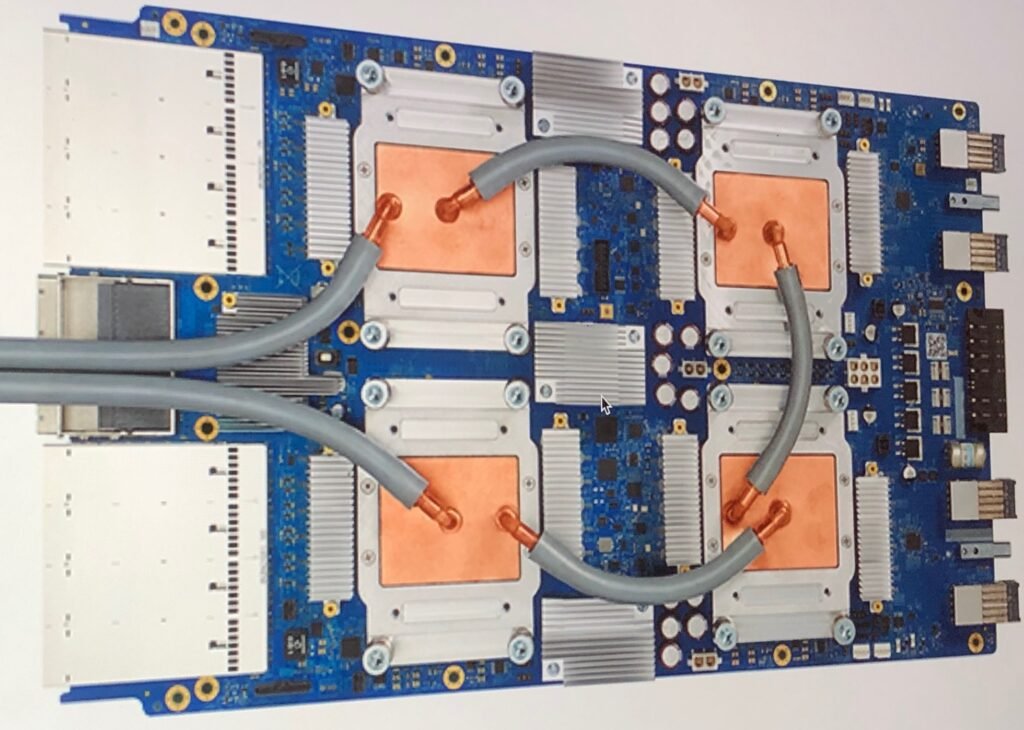
OpenAI is planning to buy artificial intelligence chips directly from Google, according to a report that has sent a jolt through the AI hardware world. The Information first reported the plan on 27 October, and both Bloomberg and CNBC have since confirmed it, per Reuters coverage. The ChatGPT maker would be purchasing Google’s Tensor Processing Units (TPUs) — specialized AI accelerators that compete head-on with Nvidia’s dominant graphics processors. No financial terms have been disclosed, and OpenAI declined to comment on the report.
The key word here is buy. OpenAI has used Google’s chips before: Reuters reported in June 2025 that the company had begun renting TPUs through Google Cloud. Days later, OpenAI said it was only early-stage testing with no plans to deploy them at scale. A direct purchase is a different thing entirely — it would be the first time OpenAI is actively moving away from relying completely on Nvidia hardware, rather than merely renting a rival’s chips for experiments.
Why this is a turning point for Google’s chips
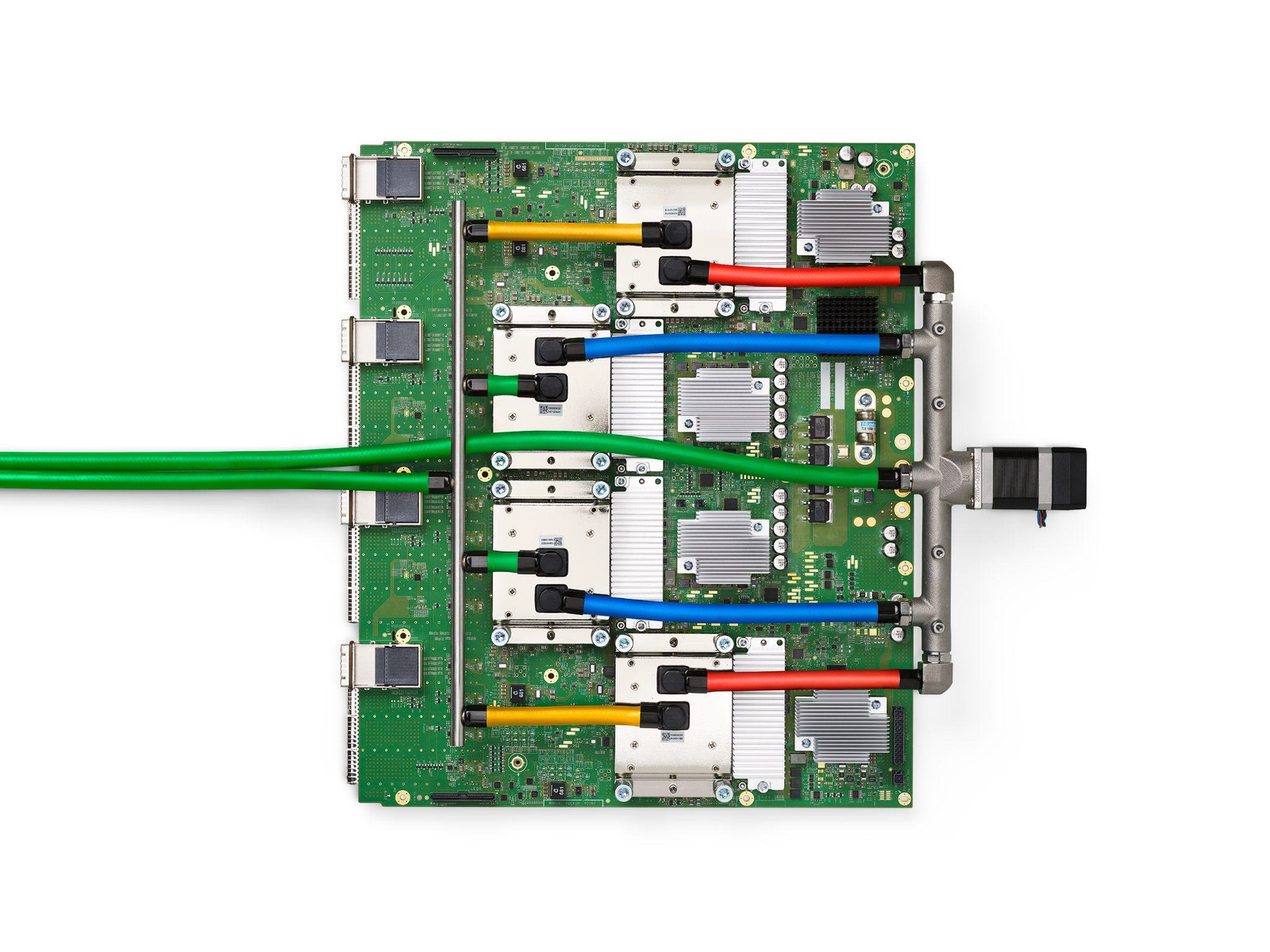
For a decade, Google kept its TPUs to itself. The chips were the one advantage Google refused to sell, running the company’s own data centers and powering products like Gemini behind closed doors. That changed this year: Google began selling TPUs straight to some customers, and the shift is now accelerating.
At Oracle AI World in Las Vegas on 27 October, Oracle announced it would offer Google’s TPUs through Oracle Cloud Infrastructure starting in calendar 2027 — the first time the chips will run on a hyperscale cloud other than Google’s own. Analysts read the signal the same way: Google has concluded it can make more money selling silicon through partners than hoarding it for Gemini alone.
Perhaps the most telling detail is not a press release at all. OpenAI has posted a job opening for an engineer to lead optimization of its frontier models on TPUs — a posting nobody writes unless real racks are on the way.
Nvidia is still the giant — but the lane is widening
Nothing in the reporting suggests OpenAI is cutting back on Nvidia. The ChatGPT maker remains one of the largest buyers of Nvidia’s chips, and its commitments are enormous: Nvidia said in August that OpenAI’s current and planned computing commitments add up to around 12 gigawatts, with the opportunity — including a possible increase to about 16 gigawatts — worth roughly $600 billion through 2030.
Nvidia’s moat was never only the chip. It was the decade of software around CUDA, the programming platform nearly every AI model is built on, and the certainty that everyone bought the same hardware. That moat is now being dug at from several directions at once. Anthropic has committed to up to one million Google TPUs. Meta has signed a multibillion-dollar deal to rent them. At the PyTorch Conference on 20 October, Google open-sourced TorchTPU, a project that lets AI teams move models from Nvidia’s CUDA to TPUs by changing essentially one line of code. Estimates suggest Google’s Ironwood TPUs cost outside customers roughly 30 per cent less than Nvidia’s GB200 systems, all-in.
For buyers, even the threat of a second lane has value. Analysts have noted that OpenAI reportedly won a discount of about 30 per cent on Nvidia hardware without deploying a single TPU — you don’t have to switch to get a better price; you only need to be able to switch.
OpenAI is also building its own chip
The TPU purchase would sit alongside OpenAI’s longer-term bid for hardware independence. The company is developing its own custom-designed AI chip, reportedly code-named Jalapeño, built with Broadcom, which OpenAI unveiled in June 2026 and published first benchmark results for in August — results the company claims beat Nvidia’s latest offerings. The chip has no announced launch date, but industry watchers expect it sometime before the end of 2027.
Put together, the picture is clear: the biggest AI labs no longer want their futures to depend on a single chip supplier. Whether through Google’s TPUs, their own silicon, or Nvidia’s pricing power being forced down, the era of one-company dominance in AI hardware is entering its most serious test yet.
Related Posts
 TechnologyBinance Customers Withdraw $4.7 Billion After $6.3 Billion Hack
 TechnologyJazz 5G Device Launched in Pakistan at Rs. 18,000: Price, Where to Buy and Confirmed Details
 TechnologyAdalFi IPO Moves Closer: PSX Publishes Draft Prospectus, Invites Public Comments by November 6
 TechnologyNorth Korea Denies $6.3B Binance Hack as Exchange Hits 95% Recovery, Withdrawals Reopen
 TechnologyPakistan’s Broadband Subscribers Cross 166 Million as Penetration Hits 65.79%
 TechnologyPakistan Announces New Digital Wallet for Traders: PSW’s Unified Payment System Explained
Most Popular
 How-ToPTA Tax Calculator 2026: Check Mobile Tax on Any Phone394 views
 Pakistan NewsPIA Boeing 787 Lease Deal: What It Means for the Airline379 views
 SportsUEFA Champions League 2026-27: Format, Teams and Schedule372 views
 Canada JobsTech Jobs in Canada: Roles, Salaries, and Skills Needed353 views
 SportsBallon d’Or 2026: London Ceremony, Nominees and All-Time Records Ahead of 70th Anniversary335 views
 ShowbizWomen’s Fashion in Pakistan 2026: Trends, Brands and Style Guide331 views