
North Korea has denied any involvement in the $6.3 billion theft from Binance — the largest crypto hack ever recorded — pushing back against American investigators who say a state-linked hacking group carried out the attack. The denial, issued in Pyongyang on Tuesday, adds a sharp diplomatic edge to a story that has already shaken the global crypto market.
The statement came from Kim Yo-jong, a senior official and the sister of North Korean leader Kim Jong Un. She dismissed the accusations as “absurd rhetoric” and described them as a sinister attempt by Washington to damage her country’s reputation, accusing the United States of misleading international opinion by presenting cybercrime around the world as though it were all Pyongyang’s work. The dispute turns one of the biggest financial crimes in history into a fresh flashpoint between two long-time adversaries.
North Korea denies Binance hack as FBI points to TraderTraitor
American agencies have taken the opposite position. The Federal Bureau of Investigation and the Secret Service have said North Korea organised the attack, with blockchain researchers tracing elements of the operation to TraderTraitor — a state-backed hacking group also widely known as the Lazarus Group. Independent analysts at TRM Labs and Chainalysis have concurred with the attribution, pointing to features of the Binance incident that closely resemble earlier operations linked to the same group, including the $1.5 billion theft from the Bybit exchange in 2025, which was itself a record for the crypto industry at the time.
The FBI has asked industry partners to help block transactions connected to cryptocurrency accounts associated with the group, while investigators continue tracing the stolen funds and trying to freeze more of them. Specialists who study North Korea say cyber operations have become a central source of income for the regime — Edward Howell, a North Korea foreign policy expert at the University of Oxford, has estimated that between 40 and 50 percent of the country’s weapons programmes are now funded through cyber and cryptocurrency operations.
Until firmer evidence is published, the question of who ordered the attack remains contested: analytics firms point to North Korea, while Pyongyang flatly denies it. The case stands as both the largest crypto theft on record and a new chapter in the long-running dispute over the country’s cyber operations.
How the $6.3 billion theft unfolded
According to Binance’s own early account, the breach began with a single compromised laptop belonging to a DevOps engineer. That access opened the way into a service container from which unauthorised withdrawal transactions were submitted. Security researchers estimate the attackers drained roughly $6.3 billion from the exchange’s hot wallets across ten blockchains in about 20 minutes — a speed and scale that dwarfed every previous crypto theft.
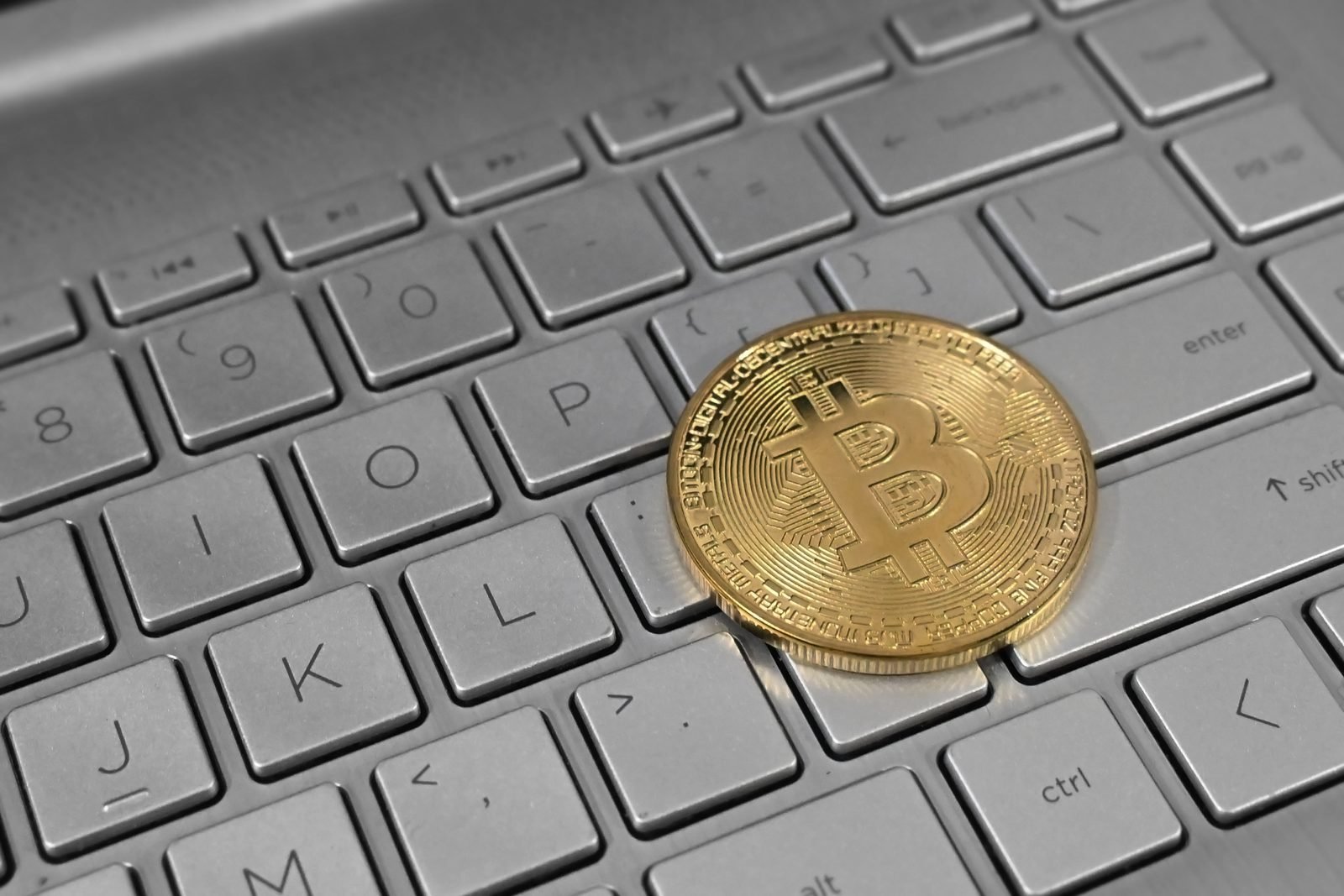
Binance co-chief executive Richard Teng stressed that the operation was far from a simple one-click theft, saying it was not carried out by one person alone. The intruders used sophisticated techniques to hide their tracks, including a self-destruct mechanism, and the company says it found no evidence of a private-key leak. Cybersecurity specialists believe an engineer may have been talked into running a test, allowing malicious software to land on a laptop that already carried high-level security privileges — a reminder that even the strongest digital vault can be opened if the person holding the keys is deceived.
As a precaution, Binance froze all deposits and withdrawals while its response got under way. The outage lasted around 58 hours, locking out hundreds of millions of registered users at the world’s largest cryptocurrency exchange by trading volume.
Binance says 95% of stolen assets recovered
The exchange has now stated that it has restored coverage for approximately 95 percent of the roughly $6.3 billion taken in the October incident — up from 90 percent earlier in the week and an initial 80 percent. On 31 October, Binance announced it had set aside more than $6.34 billion in company funds toward replenishing the stolen assets, pledging to absorb all losses through its Secure Asset Fund for Users (SAFU) and its corporate treasury so that no customer loses money.
Ten tokens reached full 100 percent backing at that stage: BTC, ETH, USDT, BNB, SOL, USDC, XRP, USD1, RLUSD and ZEC. Binance generated a zero-knowledge proof from its 31 October Proof-of-Reserves snapshot, allowing users holding any of the ten named tokens to independently confirm the minimum 1:1 backing directly from the snapshot data. The remaining 5 percent consists of less-liquid tokens that are still being sourced through market purchases and over-the-counter channels.
Withdrawals reopen in phases after 58-hour freeze
Withdrawals began returning in phases from 1 November rather than all at once, with supported tokens becoming available progressively as coverage increased. Binance’s American arm, Binance.us, said it was not affected by the incident, which struck the global centralised exchange, Binance.com.
The company has assured customers that their funds are safe and says it is working with the authorities to establish exactly what happened. Binance had earlier published a detailed account of how the breach unfolded and how it arranged $6.34 billion in recovery funds as North Korea was blamed.
What the hack means for Pakistani crypto users
For Pakistan’s fast-growing crypto community, the story hits close to home. The country now has a formal crypto regulator — the Pakistan Virtual Assets Regulatory Authority (PVARA) — and Binance remains the most widely used exchange among Pakistani traders. Many local users were directly caught by the 58-hour withdrawal freeze, unable to move their funds while the exchange’s response was under way.
The episode has renewed the conversation about investor protection in Pakistan, where calls have been growing for stronger safeguards around digital assets. The country’s leadership has been openly bullish on crypto: Binance founder Changpeng Zhao has publicly praised Pakistan’s direction, and regulators have been building out formal oversight of virtual assets. Experts say the Binance saga is a reminder that even the largest platforms carry risk — and that users should treat exchange accounts as trading venues, not long-term storage.
Scam warning: stay alert during the confusion
Customers on all platforms have been warned to stay alert for opportunists exploiting the confusion around the hack. Cybersecurity experts say to expect emails claiming funds are at risk, fake support accounts offering help, or messages urging a transfer to a supposedly safe wallet.
The advice is simple: check updates only through the Binance app or a web address you already trust, and never hand over a password, a verification code or a wallet recovery phrase to anyone. Technical reconstructions of the attack are available from security researchers, and recovery trackers are following the percentage updates as the remaining assets are sourced.
Related Posts
 TechnologyPakistan’s Broadband Subscribers Cross 166 Million as Penetration Hits 65.79%
 TechnologyPakistan Announces New Digital Wallet for Traders: PSW’s Unified Payment System Explained
 TechnologyPakistan’s $15 Billion IT Export Dream Heads to Norway: P@SHA Pitches Nordic Tech Leaders
 TechnologyApple Pay Coming to Pakistan? All the Signs Point to a Launch as Evidence Piles Up
 TechnologyPIA’s First Boeing 787-9 Dreamliner Lands in Islamabad — Historic First for Pakistani Aviation
 TechnologySpotify’s AI Remix Tool Could Cost Premium Users an Extra $5 a Month — Launch Planned for Early 2027
Most Popular
 How-ToPTA Tax Calculator 2026: Check Mobile Tax on Any Phone396 views
 Pakistan NewsPIA Boeing 787 Lease Deal: What It Means for the Airline380 views
 SportsUEFA Champions League 2026-27: Format, Teams and Schedule373 views
 Canada JobsTech Jobs in Canada: Roles, Salaries, and Skills Needed354 views
 SportsBallon d’Or 2026: London Ceremony, Nominees and All-Time Records Ahead of 70th Anniversary336 views
 ShowbizWomen’s Fashion in Pakistan 2026: Trends, Brands and Style Guide332 views




One comment