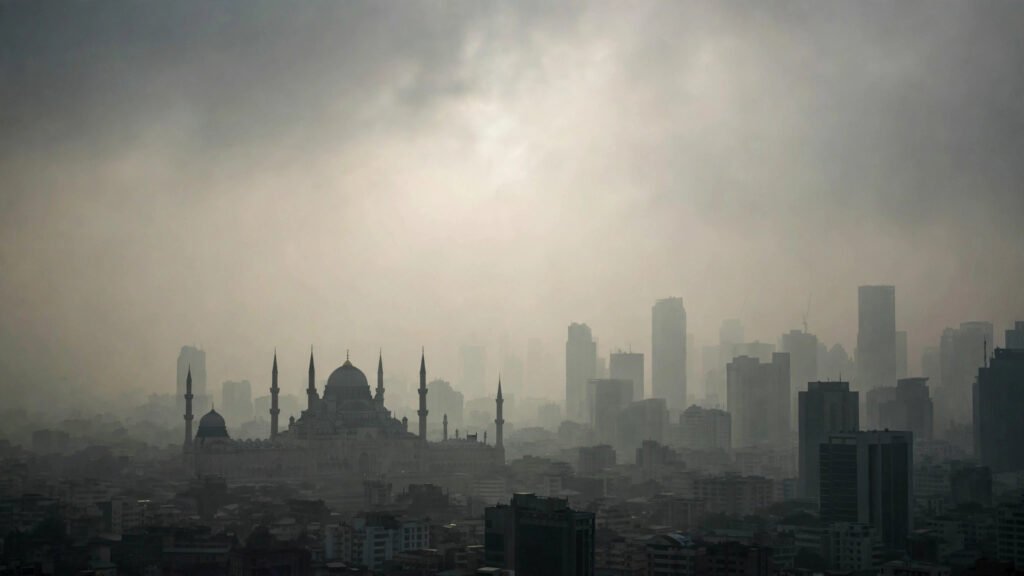
Lahore woke up on Sunday to air so thick with smog that the city once again sat at the top of the world’s most polluted major cities. Between 9am and 10am, the city’s air quality index (AQI) reached 538, according to live data from Swiss monitoring platform IQAir reported by Dawn — a level so far past the “hazardous” threshold that it sits beyond the top of the standard AQI scale itself.
It is a title Lahore has claimed repeatedly in recent weeks, and the latest reading underlines how stubborn the smog crisis has become. The city recorded an AQI of 266 on Saturday evening — already in the hazardous band — and 465 between 7am and 8am on Friday. Sunday morning’s 538 was worse still, and it put Lahore ahead of every other major city on IQAir’s global ranking at that hour.
Lahore back on top of the world’s most polluted list
The gap between Lahore and the rest of the world was stark. Karachi, the next Pakistani city on the global chart, stood at 180, while Cairo followed at 162. In other words, Lahore’s air on Sunday morning was roughly three times as polluted as Karachi’s — and the reading of 538 is not a marginal breach of the safety limit. On the US AQI scale, anything above 300 counts as hazardous, and the scale itself officially tops out at 500. Readings beyond that point mean the air is carrying pollutant concentrations the standard scale was not designed to describe.
The figures are hourly readings, and they move through the day as wind, temperature and traffic change. But the pattern has been consistent: Lahore has now topped the global pollution ranking on several mornings this month, including when the AQI hit 563 on 9 November and when Iqbal Town recorded 722 earlier in the month. Sunday’s reading is not the highest of the season — it is the latest reminder that the crisis has not eased.
Smog blankets Punjab, not just Lahore
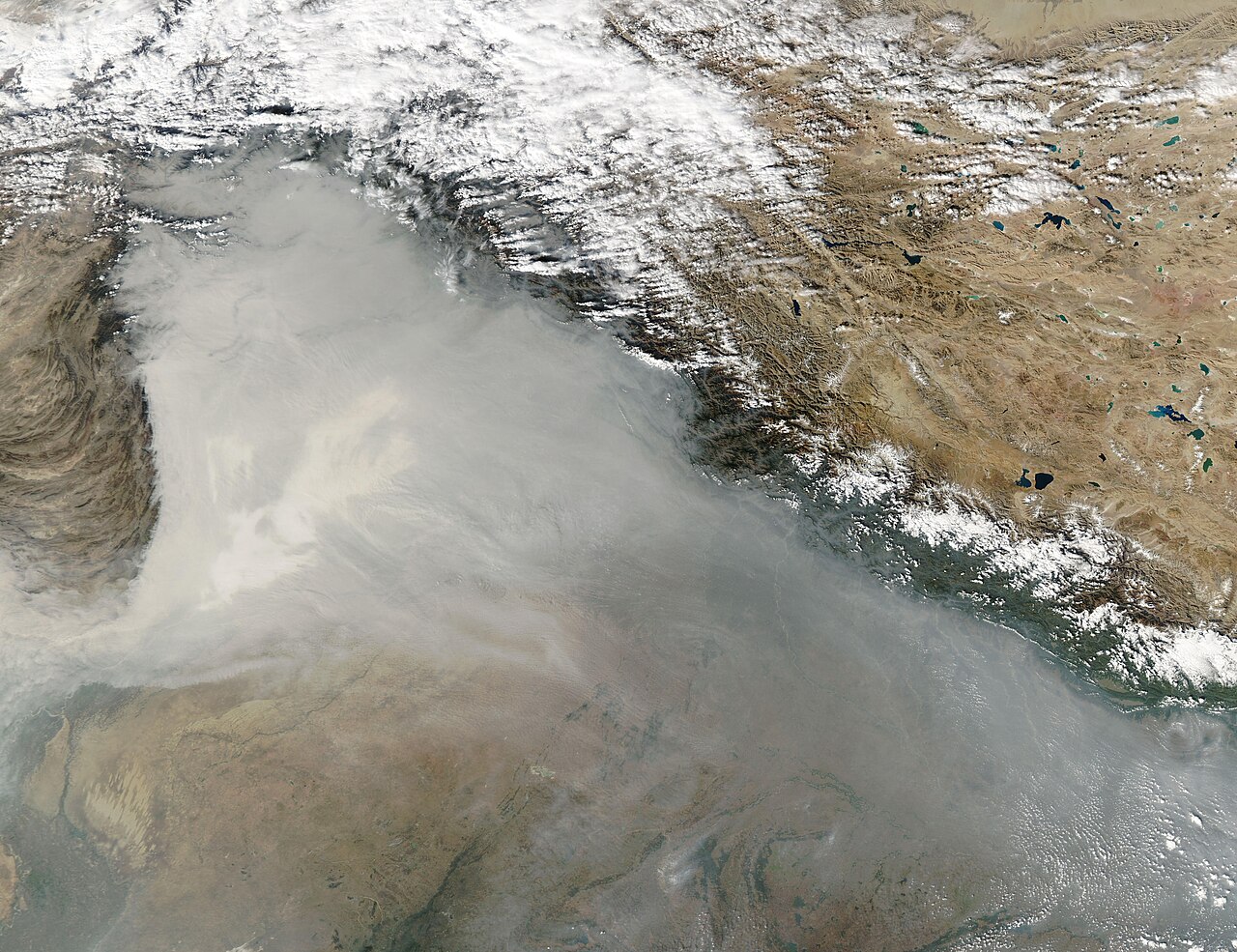
The problem stretches far beyond the provincial capital. IQAir’s domestic ranking for Sunday morning placed eight cities from Punjab among Pakistan’s ten most polluted urban centres. Kahna Nau, in Lahore district, registered the worst air in the country at 606, followed by Lahore at 538 and Bahawalpur at 536. Sargodha stood at 392 and Gujranwala at 347, with Multan, Dera Ghazi Khan, Skardu, Faisalabad and Peshawar completing the national top ten.
Within Lahore itself, the picture varied sharply from one neighbourhood to another. Dunya News reported that Gulberg II recorded an AQI of 920 and Allama Iqbal Town 700, while Askari 10 stood at 275. Those are location-specific readings from individual monitoring points, not a citywide average — but they show how bad the air can get in the worst-hit pockets of the city, where the figure is nearly double the city reading.
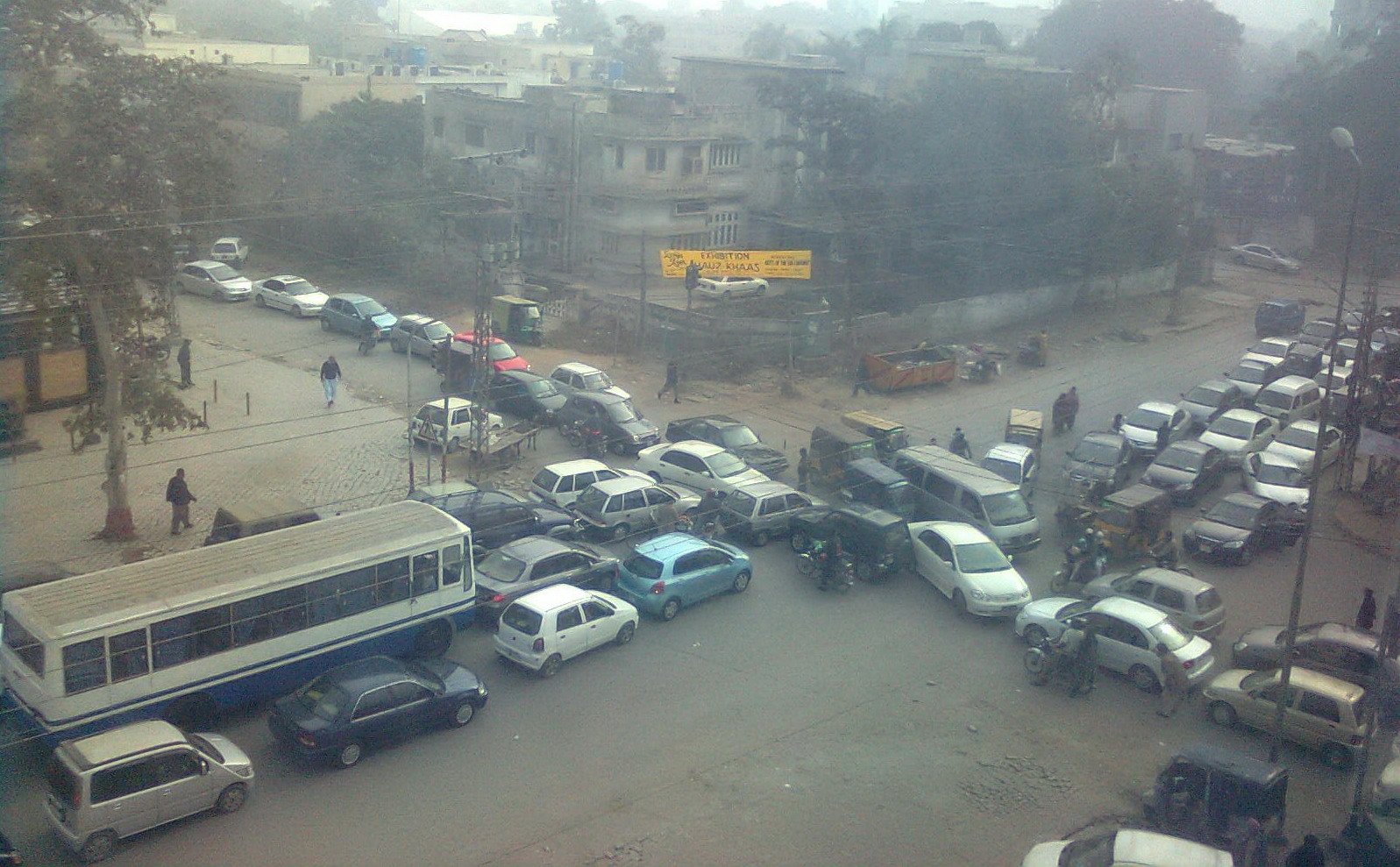
The causes are familiar: vehicle exhaust, industrial emissions, smoke from brick kilns, construction dust and the burning of crop residue, all trapped close to the ground by still, dry winter air. Dunya News reported that dry weather, limited wind movement and no expected rainfall could keep smog conditions severe over the coming days. Dense fog added to the disruption, forcing the closure of several motorway sections. The national space agency SUPARCO had already warned that Punjab’s smog would worsen over the coming days, after detecting 690 fires across the region.
Crackdown on smoke, kilns and overloaded vehicles

Authorities say enforcement has been stepped up. Lahore’s Chief Traffic Officer, Syed Abdul Rahim Shirazi, said on Saturday that traffic police had issued challans to 14,653 smoke-emitting vehicles. Action was also taken against 10,306 vehicles carrying sand, soil and other uncovered material, while police penalised 31,618 unfit and dilapidated vehicles and acted against 272,760 overloaded vehicles.
The Punjab Environment Protection and Climate Change Department has been running a parallel campaign against brick kilns. Between 1 January and 18 November, its squads carried out 84,370 kiln inspections across the province, demolishing 1,429 units, sealing 968 and lodging 1,248 first information reports against offenders. During the peak smog window from 1 September to 18 November, the department conducted 29,999 inspections, demolished 519 kilns, sealed 494, registered 408 FIRs and imposed fines worth Rs101.45 million.
What the official response looks like — and what residents can do

The enforcement numbers are large, but so is the scale of the problem — and Sunday’s reading shows the air is not improving yet. The province has been leaning on technology as well as enforcement: Pakistan’s “Hawanama” system uses artificial intelligence to forecast air quality three days ahead, giving residents and officials an early warning before the worst days arrive.
For people in Lahore and the other affected cities, the practical advice remains the same on every hazardous day. Stay indoors as much as possible, especially during the morning hours when readings peak, and avoid outdoor exercise while the AQI is above 300. Anyone who must go out should wear a proper face mask — a simple cloth covering does little against the fine particles that make smog dangerous — and keep windows closed at home. Children, older people and anyone with asthma, heart disease or another breathing condition face the highest risk and should take the most care.
Schools and workplaces across the worst-hit districts will be watching the readings closely in the coming days. If the dry, still weather holds, as forecasters expect, Lahore’s air is unlikely to clear quickly — and the city may find itself back at the top of the world pollution ranking again tomorrow morning.
Sources: IQAir live air quality rankings; Dawn, 22 November 2026.
Related Posts
 Pakistan NewsDiabetes Now Affects One in Three Adults in Pakistan — 34.5 Million People, and Millions Don’t Know They Have It
 Pakistan NewsThree Bodies Found at Sardar Khetran’s Barkhan Home: Four Guards Held as Murder Case Names MPA and His Two Sons
 Pakistan NewsOne in Four Healthy Pakistanis Already Has Heart Disease Signs, Landmark PAK-SEHAT Study Finds
 Pakistan NewsPMD Issues Drought Watch for Sindh, Balochistan and South Punjab as Rainfall Falls Up to 100% Below Normal
 Pakistan NewsZardari Promulgates Five Ordinances for Khyber Pakhtunkhwa: 21 of 40 Privilege Sections Removed
 Pakistan NewsIIUI Student Dies Weeks After Stray Dog Bite — Classmates Protest, Islamabad High Court Seeks Action
Most Popular
 How-ToPTA Tax Calculator 2026: Check Mobile Tax on Any Phone421 views
 Pakistan NewsPIA Boeing 787 Lease Deal: What It Means for the Airline396 views
 Canada JobsTech Jobs in Canada: Roles, Salaries, and Skills Needed393 views
 SportsUEFA Champions League 2026-27: Format, Teams and Schedule390 views
 TechnologyPM Shehbaz Sets November Deadline for Alibaba AI and Digitalisation Projects in Pakistan370 views
 ShowbizWomen’s Fashion in Pakistan 2026: Trends, Brands and Style Guide366 views