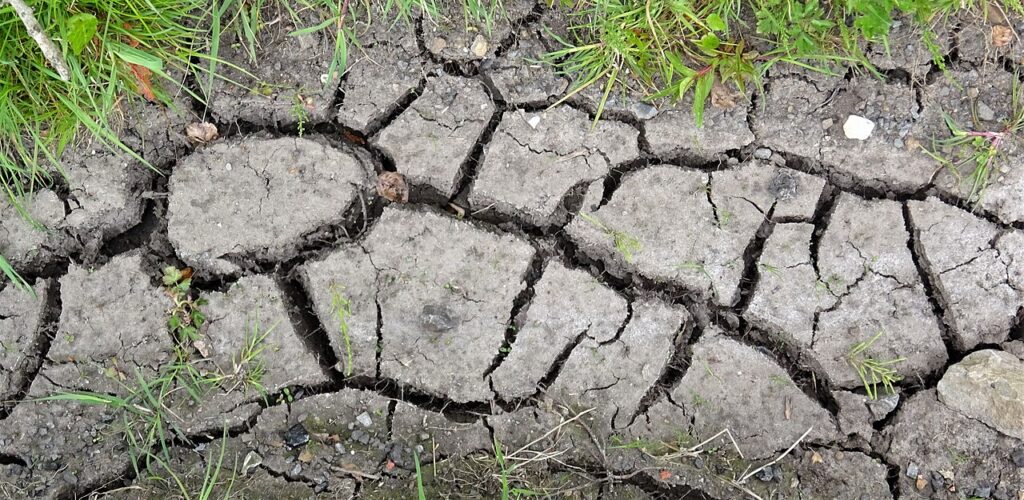
The Pakistan Meteorological Department has issued a drought watch for Sindh, Balochistan and southern Punjab, warning that months of below-normal rainfall could deepen into a worsening drought through the winter. The advisory, issued on Friday, 21 November, by the department’s National Drought Monitoring and Early Warning Centre, says the long dry spell threatens crops, livestock and water supplies for millions of people across the country’s southern belt. The Met Office stressed that the warning is a precautionary advisory — it is not a declaration of a drought emergency.
Sindh records a 100 per cent rainfall shortfall in October

Sindh is the worst-affected province in the Met Office’s figures. The province recorded 61 per cent less rain than normal in July, 22 per cent less in August and 90 per cent less in September — and then, in October, no rain at all against the monthly average, a 100 per cent shortfall. The first 20 days of November were almost as dry, with rainfall 99 per cent below normal.
The dry spell began on 1 July 2026, and the monsoon season between July and September — the main source of rain for these regions — delivered far less than usual. The result is a cumulative rainfall deficit that has left farmland and water sources increasingly vulnerable, according to the advisory.
The National Disaster Management Authority had already flagged the danger earlier this month: in a situation report on 6 November, it identified moderate to high drought conditions in parts of Umerkot, Tharparkar, Mirpurkhas and Sujawal in Sindh, and said about 90 per cent of cultivated crops in the highlighted areas had been destroyed or rendered unproductive. The Sindh government has separately announced a Rs5.3 billion relief package for drought-hit families in Tharparkar.
Balochistan dry for five straight months

Balochistan has not had a single normal month in the assessment period. The province recorded rainfall deficits of 41 per cent in July, 12 per cent in August, 68 per cent in September, 80 per cent in October and 79 per cent in the first 20 days of November.
The Met Office noted that both Sindh and Balochistan have now recorded below-normal rainfall in all five assessment periods — a sign of persistent dry conditions rather than a one-off shortage. In Balochistan, the NDMA report also identified mild drought conditions in parts of Chagai and Washuk districts, where rain-fed farming and livestock depend heavily on whatever rain falls.
South Punjab vulnerable despite wetter months

Punjab as a whole fared better — the province recorded above-normal rainfall in July and again in October — but the Met Office warned that its southern districts remain vulnerable to prolonged dry spells and declining soil moisture.
That matters now because the Rabi season is under way: wheat and other winter crops depend on moisture in the soil at sowing time, and dry fields push irrigation demand higher. The warning comes as Punjab has already moved to steady the food market, raising the wheat release price and fixing the price of a 10kg flour bag. The State Bank has separately warned that El Niño conditions could bring further dry spells and above-normal temperatures in the months ahead.
What happens next — and what authorities have been told to do

The Met Office’s rainfall outlook for December 2026 to February 2027 offers little relief: normal to below-normal rain is likely across Sindh, Balochistan and southern Punjab, which could aggravate the situation further if the dry spell holds.
The Drought Watch calls on provincial administrations to watch the situation closely through district coordination committees, activate early-warning systems so communities hear about the risks in time, and identify drought-prone areas and vulnerable communities. The disaster management authority has directed departments to use water resources efficiently and take precautionary steps to protect farming and rural communities.
The Met Office will issue its next drought assessment on 5 December. Until then, the watch stands as an early warning: the rain has already failed for five months in the south, and the winter ahead looks dry.
Sources: The News; 365news.pk.
Related Posts
 Pakistan NewsKarachi Defence Armoured Vehicle Video Case: Three More Drivers Arrested, Luxury Car Seized
 Pakistan NewsFIA Arrests Times Immigration Owners in Rs250 Million Visa Fraud Case
 Pakistan NewsPM Shehbaz Sharif to Visit Russia and Iran from November 30 in Back-to-Back Diplomatic Push
 Pakistan NewsMohsin Naqvi Warns Unnamed Minister Over Daily TV Attacks: “He Will Not Be Able to Show His Face”
 Pakistan NewsTwo Young Sisters Die After Allegedly Eating Noodles in Lahore’s Shahdara Area; Third Girl Critical
 Pakistan NewsKarachi Roads Closed as JUI-F Protest and JSRC Rally Bring City to a Standstill
Most Popular
 How-ToPTA Tax Calculator 2026: Check Mobile Tax on Any Phone421 views
 Pakistan NewsPIA Boeing 787 Lease Deal: What It Means for the Airline396 views
 Canada JobsTech Jobs in Canada: Roles, Salaries, and Skills Needed394 views
 SportsUEFA Champions League 2026-27: Format, Teams and Schedule390 views
 TechnologyPM Shehbaz Sets November Deadline for Alibaba AI and Digitalisation Projects in Pakistan370 views
 ShowbizWomen’s Fashion in Pakistan 2026: Trends, Brands and Style Guide366 views