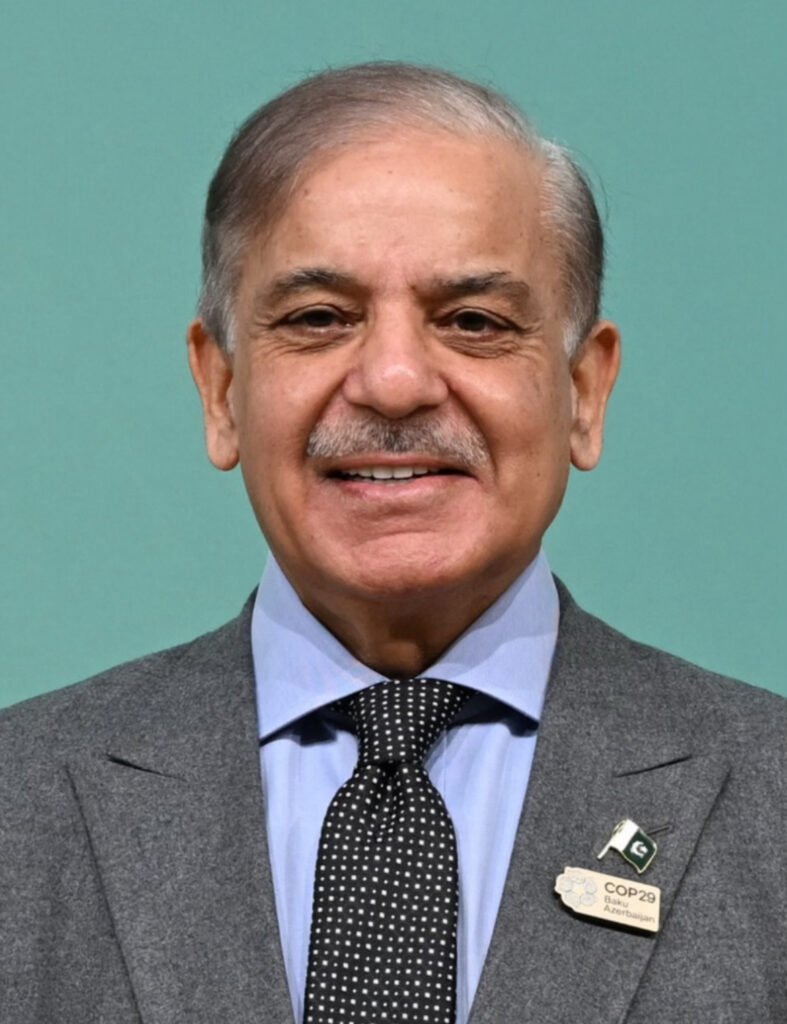
Prime Minister Shehbaz Sharif is set to undertake back-to-back visits to Russia and Iran from Monday, 30 November, in what is shaping up to be one of the most significant diplomatic outings of his government. He will first spend three days in Moscow for talks with Russian President Vladimir Putin, before flying directly to Tehran to represent Pakistan at the 18th Economic Cooperation Organisation (ECO) summit.
The visits were reported on Saturday by The News, citing diplomatic sources. The official schedule has yet to be announced, but the broad outline is now clear: a three-day stay in the Russian capital, followed by a two-day regional summit in Iran beginning on 3 December.
The Moscow leg carries particular weight. It comes at the invitation of President Putin, and the prime minister is expected to hold a bilateral meeting with the Russian president alongside consultations between senior officials of the two countries. According to the reports, Shehbaz Sharif will also use the occasion to formally invite President Putin to make a maiden visit to Pakistan next year, for the Shanghai Cooperation Organisation (SCO) heads of state summit scheduled to take place in Islamabad next September.
Three Days in Moscow: Talks with Putin and an Invitation for Next Year

The centrepiece of the Moscow visit is the meeting between the two leaders. The Foreign Office has said Pakistan aims to forge a long-term, multi-dimensional strategic partnership with Russia, spanning trade, energy, culture, defence, security and people-to-people contacts.
Reports say a large trade delegation will accompany the prime minister to Moscow, and that he will address a Joint Business Forum during the stay. The restoration of Pakistan Steel Mills — the long-idle industrial giant built with Soviet assistance decades ago — is also expected to come up in the discussions, according to the reports.
The News describes the trip as only the third visit at the highest level to the Russian Federation since then-prime minister Nawaz Sharif’s landmark trip to Moscow in April 1999, underlining how rare top-level engagement between the two countries has been.
The visit also follows recent groundwork between the two sides. Pakistan and Russia are already scheduled to hold direct payment talks in Moscow on 23–24 November, a step aimed at easing the banking and settlement hurdles that have long held back bilateral trade. The prime minister’s visit builds directly on that track.
From Moscow to Tehran: The ECO Summit and Pakistan’s Chairmanship
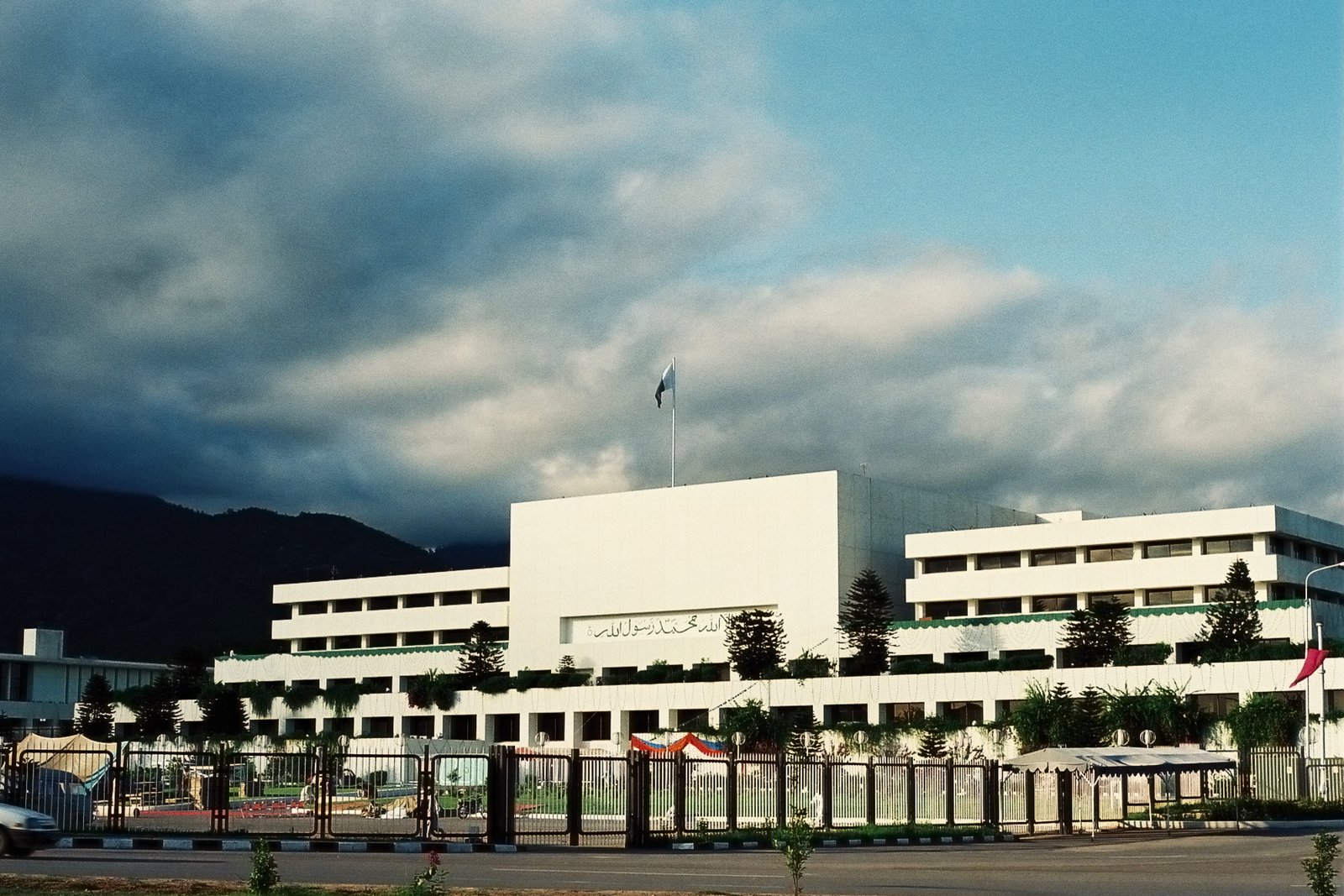
From Moscow, the prime minister will fly directly to Tehran for the two-day 18th ECO summit, which begins on 3 December. The gathering will bring together heads of state and government from the bloc’s member states: Pakistan, Iran, Türkiye, Azerbaijan, Kazakhstan, Kyrgyzstan, Tajikistan, Turkmenistan and Uzbekistan. Afghanistan’s membership remains suspended, although Kabul has claimed it received an invitation from Tehran to attend.
Pakistan arrives at the summit holding the ECO’s rotating chairmanship for 2026–2027, which it assumed from Kazakhstan last week. Diplomatic sources in Tehran told The News that Pakistan was the first country to officially confirm its participation in the summit.
The agenda is heavily economic. Leaders are expected to deliberate on the Strategic Goals of Economic Cooperation–2035, deeper regional trade and investment, modernising the ECO Trade Agreement (ECOTA), multimodal transport and energy connectivity, digital technology and climate resilience. The emphasis, according to the reports, is on removing barriers to regional commerce and expanding trade within the bloc.
What the Visits Mean for Trade and Energy
Taken together, the two stops point to a single theme: Pakistan is looking to its west and north for trade, energy and connectivity at a time when regional alignments are shifting. Russia offers energy supplies, industrial cooperation and a large market for Pakistani goods; the ECO summit offers a platform to push for the roads, rail links and trade rules that would make that commerce flow more easily.
For ordinary Pakistanis, the most immediate stakes are economic. Energy cooperation with Moscow, progress on the long-discussed steel mills revival, and smoother trade routes through Central Asia all feed into the same questions: cheaper energy, more exports and more jobs. None of that will be settled in a single visit, but the back-to-back scheduling signals that Islamabad wants the two tracks — the bilateral one with Moscow and the regional one in Tehran — to reinforce each other.
What Is Confirmed — and What Is Still to Come

It is worth being clear about what is known and what is not. The visits themselves, the dates and the broad agenda have been reported by The News and corroborated by other outlets, but the official schedule has yet to be announced by the Foreign Office. Details such as the exact composition of the delegation, the list of agreements to be signed in Moscow and the prime minister’s bilateral meetings on the sidelines of the ECO summit will only become clear in the coming days.
What is certain is the scale of the undertaking: two capitals, two summits and two very different sets of partners, all within a single week. For a government that has spent much of the year rebuilding ties across the region, the last week of November will be a defining test of that diplomacy.
Related Posts
 Pakistan NewsMohsin Naqvi Warns Unnamed Minister Over Daily TV Attacks: “He Will Not Be Able to Show His Face”
 Pakistan NewsTwo Young Sisters Die After Allegedly Eating Noodles in Lahore’s Shahdara Area; Third Girl Critical
 Pakistan NewsKarachi Roads Closed as JUI-F Protest and JSRC Rally Bring City to a Standstill
 Pakistan NewsAsset Declaration Deadline Extended to 30 November for Civil Servants
 Pakistan NewsFIA Arrests Two in Rs250 Million Immigration Fraud Case — Saudi Job Promises Used to Cheat Citizens
 Pakistan NewsAleema Khan Remains in Jail as Her Two Sisters Walk Free — Lahore High Court Fast-Tracks Detention Challenge
Most Popular
 How-ToPTA Tax Calculator 2026: Check Mobile Tax on Any Phone421 views
 Pakistan NewsPIA Boeing 787 Lease Deal: What It Means for the Airline396 views
 Canada JobsTech Jobs in Canada: Roles, Salaries, and Skills Needed393 views
 SportsUEFA Champions League 2026-27: Format, Teams and Schedule390 views
 TechnologyPM Shehbaz Sets November Deadline for Alibaba AI and Digitalisation Projects in Pakistan370 views
 ShowbizWomen’s Fashion in Pakistan 2026: Trends, Brands and Style Guide366 views