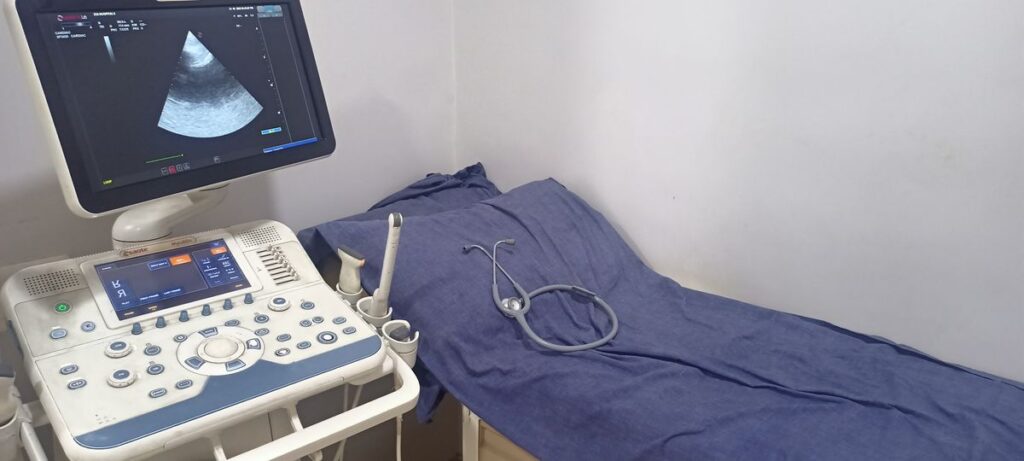
One in four apparently healthy adults in Pakistan already carries calcium in the arteries of the heart — a silent early sign of coronary disease — according to the first findings of the country’s landmark PAK-SEHAT heart study. The results, presented in Islamabad on Saturday, paint a stark picture of a population at risk long before any symptoms appear.
The Pakistan Study of Premature Coronary Atherosclerosis in Young Adults, known as PAK-SEHAT, examined 2,000 adults who had no symptoms of heart disease at all. Yet the baseline checks found that 78 percent of them were obese, a third had high blood pressure, and more than one in five had diabetes. The study’s principal investigator, Dr Bashir Hanif, presented the findings during the primary prevention session of the 55th CardioCon in Islamabad.
The headline numbers: obesity, blood pressure and diabetes

The scale of the risk factors surprised even the researchers. Obesity, defined using the Asian body-mass-index cut-off of 25, was found in 81 percent of the women and 74 percent of the men in the study. A third of all participants had hypertension, 22 percent had diabetes, and a further 23 percent were prediabetic — meaning nearly half the group had blood-sugar problems of some kind.
The picture grew worse when the researchers looked at cholesterol and family history. Almost seven in ten participants — 68 percent — had low levels of HDL, the so-called good cholesterol that helps clear fat from the arteries. Nearly a third, 32 percent, reported a family history of premature coronary heart disease. Dr Hanif told the conference that these risk factors rarely appeared alone: hypertension, unhealthy cholesterol, obesity and diabetes frequently coexisted in the same people, and the more risk factors a person carried, the more silent disease showed up in their arteries.
Who took part: 2,000 healthy adults from across Pakistan
PAK-SEHAT is the first study of its kind in the country, and it has been described as Pakistan’s “mini Framingham” — a reference to the landmark American heart study that has followed residents of Framingham, Massachusetts, since 1948. The Pakistani study is a prospective cohort: participants are followed over time rather than examined once.
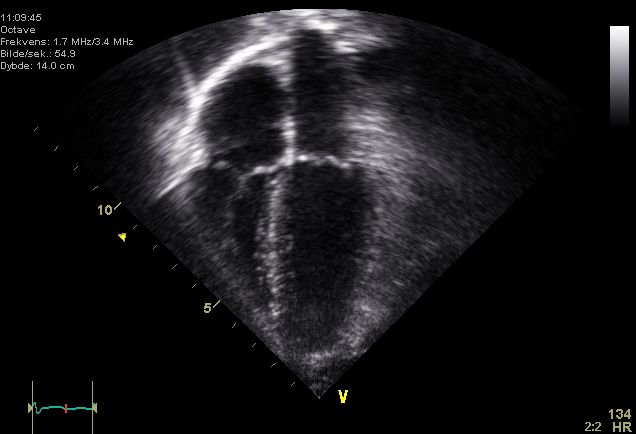
The 2,000 participants were men aged 35 to 60 and women aged 35 to 65, recruited from all four provinces and Islamabad through eight centres. None of them had symptomatic cardiovascular disease when they joined, and their average age was just 39. Each person underwent blood tests, a carotid ultrasound to check the arteries in the neck, and a coronary CT angiography scan of the heart. The study protocol, published in the journal BMJ Open in 2023, sets out a five-year follow-up to track how many participants go on to develop heart problems.
The silent danger: calcium in the arteries
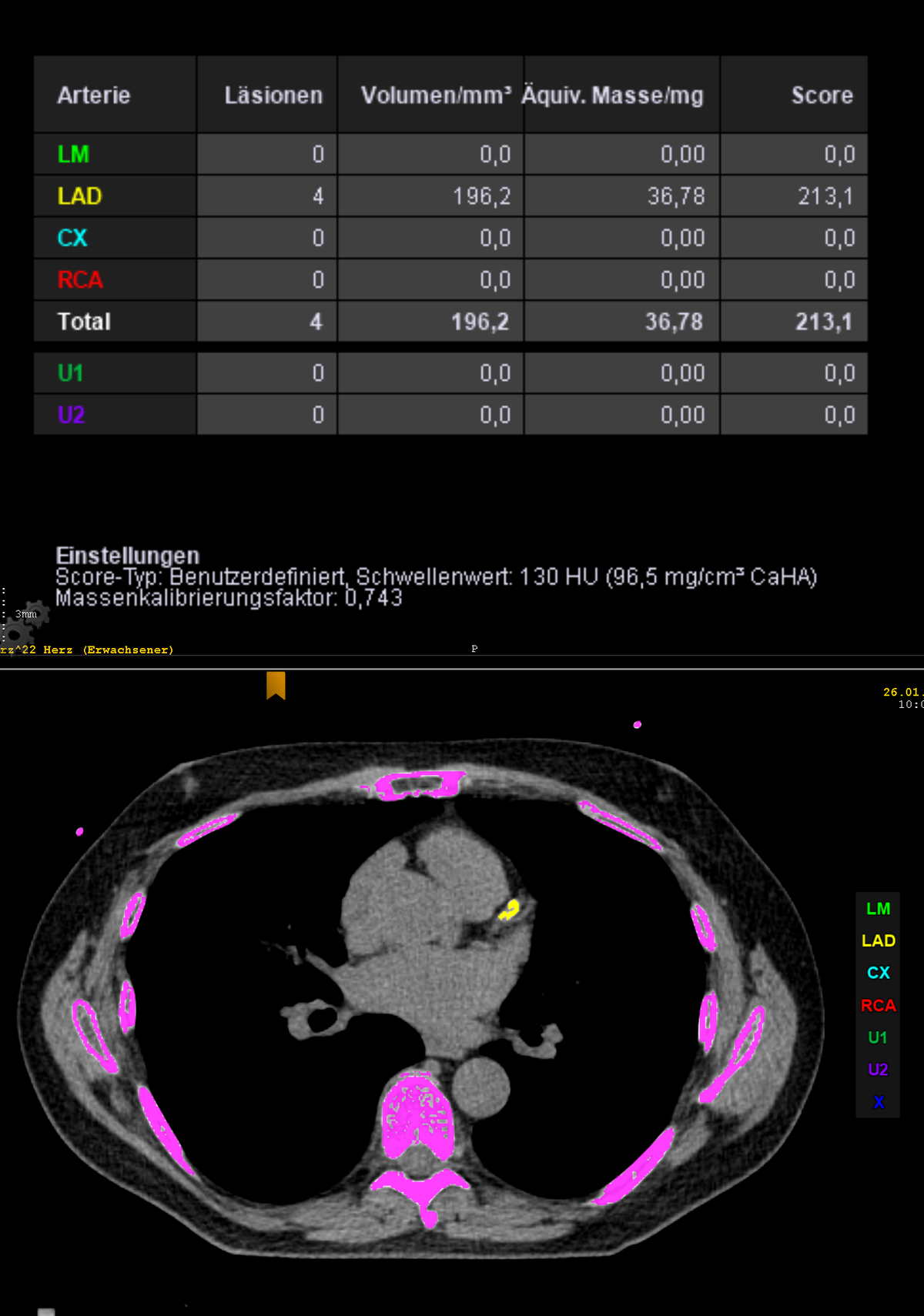
The most striking single finding was the calcium. In 26 percent of participants — roughly one in four — the scans found calcium deposits in the coronary arteries, the vessels that supply blood to the heart muscle. Calcium in these arteries is a marker of atherosclerosis, the slow build-up of fatty deposits that narrows the vessels and can eventually trigger a heart attack.
Because none of these people had any symptoms, the deposits would never have been found without the scans. Dr Hanif warned that conventional clinical risk assessments — the checklists doctors normally use to judge a patient’s heart risk — could underestimate how much disease was actually present. The study’s message is that feeling well is no guarantee that the arteries are clear.
Why Pakistanis develop heart disease 10 to 15 years earlier

The study also helps explain a pattern Pakistani cardiologists have long observed: heart disease appears to develop 10 to 15 years earlier among Pakistanis than in other populations. Dr Khurram Nasir, the study’s co-principal investigator and chief of the Division of Cardiovascular Prevention and Wellness at Houston Methodist in the United States, said the reasons younger people — particularly men — suffered heart attacks and died prematurely had never been properly investigated, simply because the issue had never been adequately studied.
Dr Nasir, who is also editor-in-chief of the American Journal of Preventive Cardiology, described PAK-SEHAT as a “gold mine” of data for Pakistan. He noted that South Asians, and Pakistanis in particular, had remained largely invisible in global medical research, with little known about the causes, early onset and risk factors of heart disease in this population. He suggested that being a man aged 35 or above could itself be a risk factor among Pakistanis, possibly because of sedentary lifestyles, genetic predisposition and environmental factors — though the full picture will only emerge once the study is complete.
Speakers at the session stressed that prevention in Pakistan cannot simply copy Western guidelines. Existing risk-scoring models are largely based on Western data, and cardiovascular disease is claiming lives silently in the country. Effective prevention, they said, must begin with evidence generated within Pakistan itself — which is exactly what PAK-SEHAT is designed to provide.
What happens next
The baseline findings are only the beginning. Over the next five years, the researchers will follow the same 2,000 participants to see who develops heart disease and how the risk factors interact over time. The study is expected to map how hypertension, diabetes, unhealthy cholesterol and lifestyle factors combine in the Pakistani population — and, ultimately, to show how the early onset of heart disease in the country can be prevented.
For now, the study’s warning is simple and urgent: in Pakistan, heart disease is not only a problem of the old and the visibly ill. It is already present, silently, in a quarter of healthy-looking adults in their late thirties — and the time to check is before the first symptom ever appears.
Related Posts
 Pakistan NewsThree TTP Terrorists Killed in Joint CTD–Army Operation in Peshawar’s Matni Area
 Pakistan NewsPresident Zardari’s Five Ordinances Strip KP Lawmakers of Key Privileges — 21 of 40 Sections Removed
 Pakistan NewsVeteran Journalist and Human Rights Activist Hussain Naqi Passes Away in Lahore
 Pakistan NewsZardari Steps In as PML-N and PPP Clash Over Referendum on New Provinces
 Pakistan News182 Couples Marry in One Day as Punjab’s Dhee Rani Programme Brings Mass Weddings to Khanewal
 Pakistan NewsLahore Tops World’s Most Polluted Cities Again as AQI Hits 538 — Eight Punjab Cities in Pakistan’s Worst Ten
Most Popular
 How-ToPTA Tax Calculator 2026: Check Mobile Tax on Any Phone421 views
 Pakistan NewsPIA Boeing 787 Lease Deal: What It Means for the Airline396 views
 Canada JobsTech Jobs in Canada: Roles, Salaries, and Skills Needed393 views
 SportsUEFA Champions League 2026-27: Format, Teams and Schedule390 views
 TechnologyPM Shehbaz Sets November Deadline for Alibaba AI and Digitalisation Projects in Pakistan370 views
 ShowbizWomen’s Fashion in Pakistan 2026: Trends, Brands and Style Guide366 views