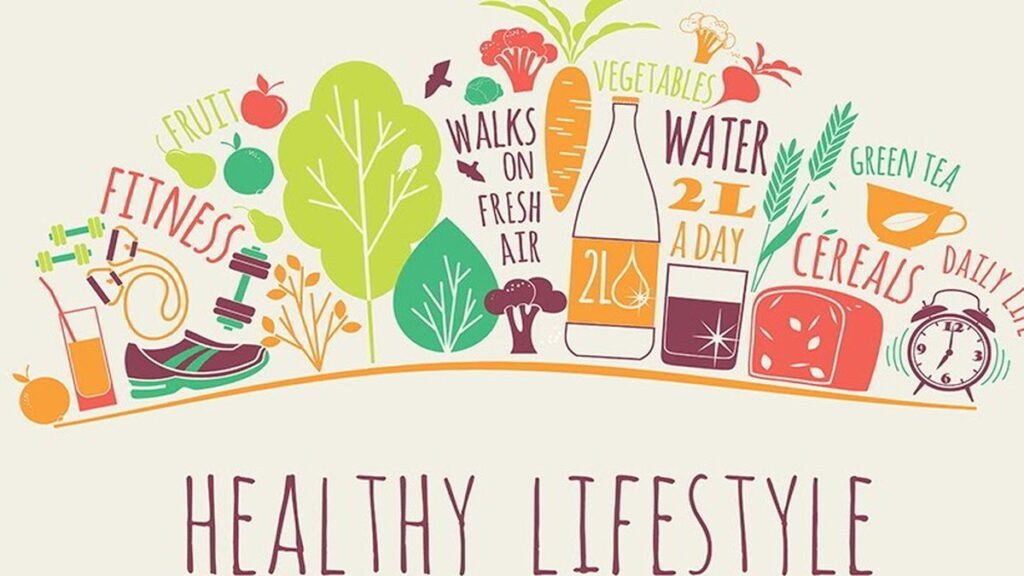
Healthy Lifestyle Tips Pakistan 2026: A Practical Guide for Everyday Wellness

Finding healthy lifestyle tips Pakistan families can actually follow is easier than it sounds. Most wellness advice online is written for Western audiences with supermarket budgets and gym memberships, but good health in Pakistan grows from simple, affordable habits — the food cooked at home, the walk to the mosque or market, and the sleep routine you keep every night. This guide collects practical healthy lifestyle tips Pakistan readers can start today, built around local foods, local prices, and local realities such as long summers, load-shedding, and busy workdays.
The goal of these healthy habits 2026 is not perfection but steady progress, and the healthy lifestyle tips Pakistan experts return to again and again are the unglamorous ones: eat simply, move daily, sleep enough. Health is a long game, and small consistent changes beat short-lived diets every time. Below you will find guidance on food, movement, hydration, sleep, hygiene, and stress — the six pillars of everyday wellness. These are general wellness tips for information only; if you have a medical condition such as diabetes, high blood pressure, or heart disease, consult a doctor before changing your diet or exercise routine.
1. Build a Balanced Desi Diet Without Expensive Ingredients – healthy lifestyle tips Pakistan | wellness tips Pakistan
A balanced diet Pakistan households already cook is the foundation of good health. You do not need imported oats or quinoa when local foods do the job beautifully. A balanced plate means roughly half the plate should be vegetables or salad, a quarter should be protein (dal, chicken, eggs, fish, or yoghurt), and a quarter should be whole grains such as whole-wheat roti or brown rice.
- Dal and pulses: Masoor, moong, and chana dal are excellent protein sources, costing roughly PKR 250–400 per kilogram in local markets.
- Seasonal vegetables: Palak, bhindi, tori, and cauliflower are cheap when in season — often PKR 60–150 per kilogram — and full of vitamins.
- Yoghurt (dahi): A daily bowl of fresh dahi supports digestion and provides calcium; around PKR 200–280 per kilogram.
- Fruit in season: Kinnow, bananas, guavas, and mangoes are affordable sources of vitamin C and fibre; buy seasonal to save money.
Cook with less oil — two to three teaspoons per person per meal is enough — and favour steaming, grilling, and slow-cooking over deep frying. Among wellness tips Pakistan nutritionists repeat most often, cutting back sugary chai, soft drinks, and packaged snacks makes the biggest single difference to weight and energy.
2. Move Daily: A Fitness Routine That Fits Pakistani Life | healthy habits 2026
A workable fitness routine Pakistan adults can sustain does not require a gym. Brisk walking for 30 minutes, five days a week, lowers blood pressure, improves mood, and helps control weight. Early morning or after-Maghrib walks in the neighbourhood park, the street, or even the rooftop are free and effective.
If you prefer structured exercise, local gyms in most cities charge PKR 2,500–5,000 per month, and many offer separate timings for women. Home workouts with bodyweight exercises — squats, push-ups, planks, and lunges — need no equipment at all. For women who prefer privacy, simple home routines with a prayer mat as an exercise mat are a popular option, and our guide on self-care routines for women in Pakistan has more ideas tailored to busy schedules.
3. Drink Enough Water, Especially in Summer | fitness routine Pakistan
Pakistan’s summers are brutal, and dehydration is one of the most underrated health risks. Adults should aim for 8–10 glasses of water daily, more if you work outdoors or in a hot kitchen. Carry a reusable bottle, and refill from a filtered supply — filtered water from a good home filter costs a fraction of bottled water.
Limit sugary drinks and excessive chai. Traditional drinks such as lassi (in moderation), sattu, and lemonade with a pinch of salt are hydrating and far healthier than fizzy drinks. Staying properly hydrated is one of the simplest healthy lifestyle tips Pakistan doctors emphasise every summer. During heatwaves, adding a little salt and lemon to water helps replace electrolytes lost through sweat.
4. Protect Your Sleep Schedule | balanced diet Pakistan
Adults need 7–8 hours of sleep, yet late-night television, mobile scrolling, and wedding-season routines wreck sleep across Pakistan. Consistent, sufficient sleep is among the most overlooked healthy lifestyle tips Pakistan adults need, and it costs nothing. Keep a consistent bedtime — ideally before 11 pm — and keep your phone out of the bedroom or at least on silent and face-down.
A cool, dark, quiet room matters; a simple pedestal fan and earplugs cost little (PKR 3,500–6,000 for a fan, PKR 100–200 for earplugs). Avoid heavy meals and caffeine after 6 pm, and if load-shedding disturbs your nights, a rechargeable fan (PKR 4,000–8,000) is a worthwhile investment in sleep quality.
5. Manage Stress With Simple Daily Practices
Stress affects blood pressure, digestion, and immunity. Practical stress relief does not need to be complicated: five daily prayers already provide structure and calm for many Pakistanis, and short breaks during work, deep breathing, and spending time with family all help.
Try the 4-7-8 breathing technique — breathe in for four counts, hold for seven, breathe out for eight — for two minutes when you feel tense. Limit news and social media doom-scrolling before bed, and keep at least one screen-free hour daily. Journaling worries on paper before sleeping is another low-cost wellness tip Pakistan counsellors often recommend.
6. Do Not Neglect Personal Hygiene
Clean hands, clean teeth, and clean skin are frontline defences against illness — and hygiene is one of the most practical healthy lifestyle tips Pakistan public-health campaigns promote. Wash hands with soap for 20 seconds before meals and after using the washroom — affordable options like Lifebuoy or Dettol soap cost PKR 90–150 per bar. Brush twice daily and floss; our oral care guide for Pakistan covers affordable toothbrushes and pastes.
Bathe daily, especially in summer, and change into clean clothes. Keep nails trimmed, and wash fruits and vegetables before eating. These small habits prevent far more illness than any supplement.
7. Practical Habits That Multiply Your Health
Beyond the big six pillars, these small habits strengthen every other effort:
- Annual check-up: A basic blood test panel (CBC, blood sugar, cholesterol) costs PKR 2,000–4,000 at most labs and catches problems early.
- Sun exposure: Ten to fifteen minutes of morning sunlight provides vitamin D; deficiency is common in Pakistan despite the sunshine.
- Portion control: Use a smaller plate at dinner — the heaviest meal should ideally be lunch, not the late-night dinner.
- Quit smoking and paan: Gutka and cigarettes are among the biggest preventable health risks in the country.
- Keep a water filter maintained: Change filter cartridges on schedule so the family drinks safe water year-round.
Good skin also reflects inner health, so pair these habits with a simple daily skincare routine for Pakistan’s climate to protect against dust and harsh sun.
Frequently Asked Questions
What are the simplest healthy lifestyle tips for Pakistan beginners?
Start with three: walk 30 minutes daily, drink 8–10 glasses of water, and sleep before 11 pm. These three healthy lifestyle tips Pakistan beginners adopt first cost nothing and improve energy within two weeks.
How can I eat a balanced diet Pakistan on a tight budget?
Buy seasonal vegetables, cook dal and pulses three to four times a week, eat eggs and dahi daily, and choose fruit that is in season. A family can eat a balanced diet Pakistan style for little more than their current grocery bill by cutting packaged snacks and soft drinks.
What is a realistic fitness routine for Pakistan’s working adults?
A 30-minute brisk walk five days a week plus two sessions of bodyweight exercises (squats, push-ups, planks) is a complete, realistic fitness routine Pakistan professionals can keep. Walk to the market or mosque instead of driving when possible.
How much water should I drink in Pakistani summers?
At least 10–12 glasses (2.5–3 litres) daily in peak summer, more if you work outdoors. Watch for dark urine, headaches, and fatigue — early signs of dehydration.
Are supplements necessary for a healthy lifestyle in Pakistan?
For most people, no. A varied desi diet plus sunlight covers most needs. Vitamin D or iron supplements should only be taken after a blood test and a doctor’s advice — this article is general wellness information, not medical advice.
How do I build healthy habits in 2026 that actually stick?
Change one habit at a time, attach it to an existing routine (walk after Fajr, for example), and track it on paper. These healthy habits 2026 succeed through consistency, not intensity — and every one of these healthy lifestyle tips Pakistan families adopt compounds over the year.
Conclusion
These healthy lifestyle tips Pakistan readers can trust come down to one principle: consistency with the basics. Eat a balanced diet Pakistan kitchens already know how to cook, keep a simple fitness routine Pakistan weather allows you to sustain, hydrate well, sleep on time, manage stress, and keep clean. None of this requires imported products or expensive memberships — just daily intention, which is why these healthy lifestyle tips Pakistan households follow quietly outperform every fad diet.
Pick one habit from this guide and start today. When it feels automatic, add the next. By the end of the year, the compound effect of these small healthy habits 2026 will show in your energy, your weight, and your mood. And remember, for any medical concern — persistent pain, unusual fatigue, or uncontrolled blood sugar — consult a qualified doctor rather than relying on general wellness articles.