Buying a Nissan Note or a Toyota Raize in Pakistan could soon cost less. Pakistan Customs has classified imported series-hybrid cars — including the Nissan Note e-Power and the Toyota Raize — as new energy vehicles, putting them in the same tariff category as battery-electric cars. The decision, reported today, is expected to bring down the prices of seven popular imported models. But the move is already being challenged by local carmakers, and the final tax treatment still rests with the government — so buyers should treat the expected price cuts as likely, not guaranteed.
What Pakistan Customs Decided
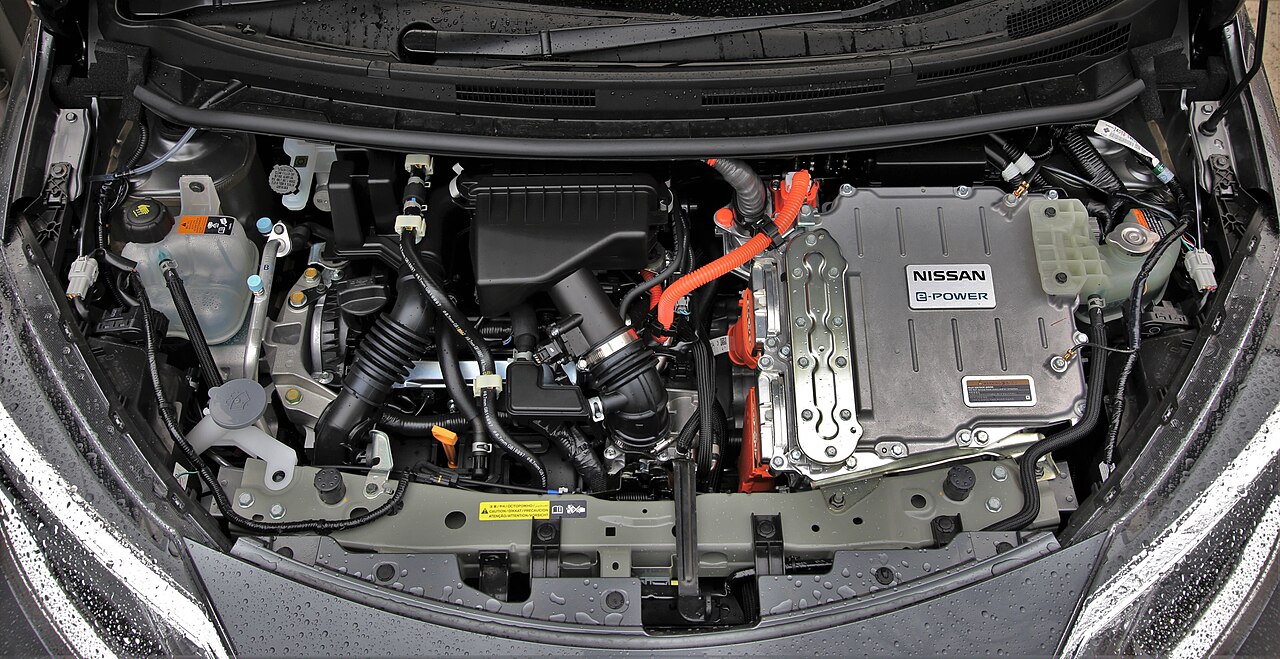
The Customs Classification Committee placed range-extended electric vehicles — cars whose wheels are driven only by an electric motor, with a small petrol engine working only as a generator to charge the battery — under HS Code 8703.8090, the same code used for battery-electric vehicles. The reasoning is simple: in a series hybrid such as the Nissan Note e-Power, the petrol engine never drives the wheels. That matters because the tariff code decides the duty. Vehicles declared under 8703.8090 attract 25 per cent customs duty, while hybrids declared under the hybrid code 8703.6023 carry 50 per cent. Completely built-up battery-electric cars with batteries below 50kWh currently pay 25 per cent customs duty and 12.5 per cent GST. By moving series hybrids into the electric-vehicle code, Customs has opened the door to the lower duty — and to the lower sales-tax treatment that goes with electric cars.
Which Cars Could Get Cheaper
ProPakistani reports that seven imported models are expected to fall in price after the classification. The two names confirmed in the report are the Nissan Note and the Toyota Raize, two of the most popular used imports on Pakistani roads. The Note’s e-Power versions currently list at Rs5,782,500 for the X, Rs5,930,000 for the S and Rs6,024,500 for the Aura (ex-factory, per current listings), while the Toyota Raize Hybrid G lists at Rs6,144,000 and the Hybrid Z at Rs6,789,000. Even a partial pass-through of the duty difference would mean savings running into hundreds of thousands of rupees — which is why the news matters to the thousands of buyers who choose these models for their fuel economy. No new showroom prices have been published yet, and the size of the cut for each model will only be clear once importers reprice their stock.
Why Carmakers Are Pushing Back
The decision has not gone unchallenged. The Pakistan Automotive Manufacturers Association has formally objected to the Federal Board of Revenue, arguing the classification amounts to misdeclaration under the Customs Act, 1969. PAMA’s case is that the exporter in China declared the vehicles under the hybrid code 8703.6023, which carries 50 per cent duty, while the importer declared them under the electric-vehicle code. Toyota Pakistan’s Indus Motor Company has raised similar concerns, telling shareholders at its annual general meeting that some competitors may be using the range-extended category to benefit from the lower tax treatment of electric vehicles, and that the matter is under review by the regulators. The Customs committee has clarified that its ruling covers tariff classification only — and has noted that the World Customs Organisation is expected to assign a separate code for range-extended vehicles by 2028. Whether these cars actually get battery-electric-level tax breaks is a policy decision for the federal government and the cabinet, not for Customs alone.
The Bigger Picture: The New Auto Policy
The classification fight lands as Pakistan finalises its Automotive and Auto Parts Policy 2026-31. The prime minister has approved the draft in principle: it would cut sales tax on battery-electric vehicles to 1 per cent, set 6 per cent for range-extended vehicles and 9 per cent for plug-in hybrids, and raise the financing limit for new-energy vehicles from Rs3 million to Rs10 million. But the policy still needs IMF approval, cabinet sign-off and a bill in parliament before any of it takes effect. The government has also moved to cut GST on locally made hybrids up to 2,000cc from 25 per cent to 18 per cent from September 2026. Taken together, the direction is clear — cheaper electrified cars — but the timing and the exact rates are still moving parts.
What Buyers Should Do Now
If you are planning to buy a Nissan Note, a Toyota Raize or another series hybrid, the sensible move is to wait for the dust to settle. Watch for an FBR clarification and for importers to publish revised prices; do not pay a premium today on the promise of a cut tomorrow. Check the duty and tax breakdown on the FBR’s own vehicles page before signing anything, and confirm whether the car you are buying was declared as an electric vehicle or as a hybrid — the classification decides what you ultimately pay. If the lower duty holds, these seven models could become the cheapest way into an electrified car in Pakistan. If PAMA’s challenge succeeds, prices stay where they are. Either way, the next few weeks will decide it.
Related Posts
 TechnologyPakistan and China Join Hands on Next-Generation Computer Chips at NUST
 TechnologyTelcos Ask PM Shehbaz for Industrial Power Rates as $2 Billion 5G Push Faces 197% Electricity Hike
 TechnologyPunjab Digitises 5,805 of 6,014 Revenue Villages as World Bank Land Project Hits 90% Progress
 TechnologyNvidia Faces SEC Accounting Probe and California Criminal Investigation as Shares Crash 14%
 TechnologyBitcoin Rebounds More Than 8% From Two-Year Low to Reclaim $60,000
 TechnologyInstagram Now Lets You Edit Stories After Posting — But Only for 15 Minutes
Most Popular
 How-ToPTA Tax Calculator 2026: Check Mobile Tax on Any Phone421 views
 Pakistan NewsPIA Boeing 787 Lease Deal: What It Means for the Airline396 views
 Canada JobsTech Jobs in Canada: Roles, Salaries, and Skills Needed393 views
 SportsUEFA Champions League 2026-27: Format, Teams and Schedule390 views
 TechnologyPM Shehbaz Sets November Deadline for Alibaba AI and Digitalisation Projects in Pakistan370 views
 ShowbizWomen’s Fashion in Pakistan 2026: Trends, Brands and Style Guide366 views