Pakistan’s first-ever SPAC listing has had a brutal start on the stock market. Ningbo Green Light Energy Limited (NGLEL), the solar company that made history by reaching the Pakistan Stock Exchange (PSX) through the country’s first Special Purpose Acquisition Company (SPAC) deal, has lost more than a third of its value in just four trading sessions — and the slide has not stopped there.
The share opened at Rs21.06 when trading began on Thursday 29 October 2026. Four sessions later it was changing hands at Rs13.82 — a fall of 34 per cent. Market data shows the decline continued into the following week: the PSX’s own quote page showed the share at Rs11.63 during trading on Thursday 5 November, before it closed at Rs12.62 on Friday 6 November.
For the investors who bought into the fanfare of a landmark listing, the first week has been a sharp lesson in how quickly excitement can turn into losses on the PSX.
From Rs21.06 to Rs13.82 in four sessions
The numbers tell the story plainly. NGLEL began trading at Rs21.06, the closing price of LSE SPAC-I on its final day of trading. Within four sessions the share had fallen to Rs13.82, shedding nearly 10 per cent a day on average.
By 5 November the share was trading as low as Rs11.62 during the day, according to the PSX quote page — almost 45 per cent below its opening price. A small recovery took it to Rs12.62 at the close on 6 November, but the share remains far below where it started.
The speed of the fall is striking because NGLEL is no ordinary new listing. It arrived on the main board through a route Pakistan had never used before, and its debut was celebrated with a formal gong ceremony at the PSX. Barely a week later, the celebration has given way to questions.
What is Ningbo Green Light Energy?
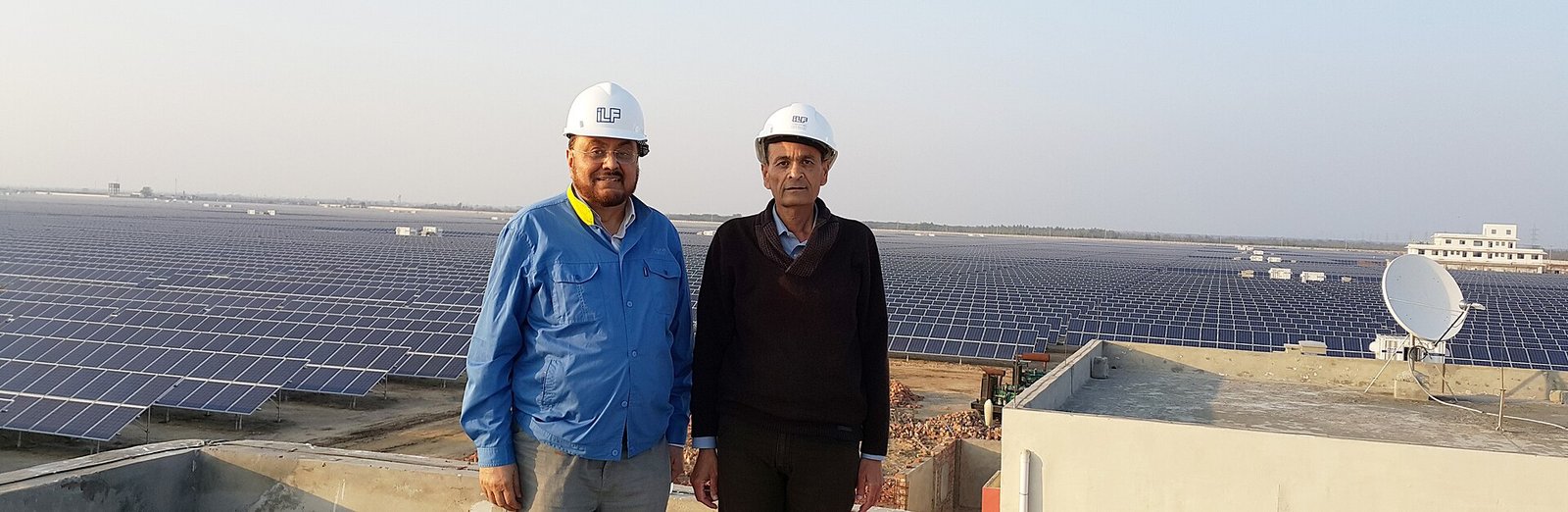
Ningbo Green Light Energy is a solar energy company that designs, builds and maintains solar power systems. Its work covers engineering, procurement and construction (EPC) for solar projects, system integration, and the day-to-day operations and maintenance of solar installations.
According to the company’s PSX filing, its completed solar installations had already crossed 300 megawatts by April 2026. It is classified in the power generation and distribution sector of the exchange, and its shares carry a face value of Rs10 each.
The company was founded in 2010 and is based in Lahore. Its arrival on the PSX was meant to show that Pakistan’s capital market could now offer a new route for companies to list — and for investors to buy into the country’s fast-growing solar sector.
How Pakistan’s first SPAC deal worked

A SPAC — a Special Purpose Acquisition Company — is a listed shell company that raises money from investors first and then merges with a real operating business, taking that business public without a traditional initial public offering.
LSE SPAC-I was Pakistan’s first SPAC. Under a scheme of arrangement sanctioned by the Lahore High Court on 30 September 2026, it merged into Ningbo Green Light Energy. LSE SPAC-I was delisted from the PSX with effect from 29 October, and NGLEL was listed on the main board the same day.
Shareholders of SPAC-I received 1.50 NGLEL shares for every one SPAC-I share they held. Trading in NGLEL began on 29 October on a T+1 settlement basis, with a market lot of a single share — meaning even small investors could buy in.
The deal was widely described as a milestone: it opened a new path to the public market for Pakistani companies and gave the PSX a new kind of listing to showcase.
Why the share fell so fast
No company announcement explains the fall, and no single cause has been established. New listings on the PSX are often volatile in their first days, and NGLEL’s opening price was set by SPAC-I’s last traded price rather than by fresh demand for the solar company itself.
What is clear is that the market has so far valued the merged company well below the price at which it began trading. The steady daily declines — nearly 10 per cent a day in the first four sessions — suggest sellers outnumbered buyers from the very start, and the slide to Rs11.63 on 5 November shows the pressure continued into a second week.
For a listing that was presented as a showcase for the SPAC route, the early trading is an uncomfortable result. Supporters of the route will point out that one week of trading proves little about a solar business. Critics will ask whether the opening price was ever realistic.
What it means for investors and the SPAC route

For small investors, the lesson is familiar but painful: a historic first and a strong story do not guarantee a strong share price. Anyone who bought NGLEL at or near its opening level is sitting on a heavy paper loss after a single week.
For the PSX and the regulators, the NGLEL experience will shape how the SPAC route is judged. If the share stabilises and the company delivers on its solar business, the debut will be remembered as a rough start to a workable new route. If the slide continues, future companies may think twice before choosing a SPAC merger over a conventional listing.
The next test comes in the trading sessions ahead: whether buyers step in near current levels, or whether Pakistan’s first SPAC listing keeps falling from its record-breaking debut.
Related Posts
 BusinessGovernment Announces New Auto Policy: Car Prices to Fall, EVs Get Big Tax Breaks and Rs10 Million Loans
 BusinessPakistan to Sell 90% of Local LPG Through Open Auctions in Presence of Media
 BusinessFBR: Nearly 12 Million Pakistanis Filed Tax Returns Only to Buy Property or a Vehicle
 BusinessPakistan–Türkiye Offshore Oil Search Resumes After 20 Years as Turkish Seismic Vessel Heads for Karachi
 BusinessNEPRA Approves Rs2.37 Per Unit Fuel Adjustment for November Bills
 BusinessNestlé Pakistan Wins Two Sustainability Awards for AI-Driven Regenerative Agriculture
Most Popular
 How-ToPTA Tax Calculator 2026: Check Mobile Tax on Any Phone418 views
 Pakistan NewsPIA Boeing 787 Lease Deal: What It Means for the Airline390 views
 Canada JobsTech Jobs in Canada: Roles, Salaries, and Skills Needed388 views
 SportsUEFA Champions League 2026-27: Format, Teams and Schedule385 views
 TechnologyPM Shehbaz Sets November Deadline for Alibaba AI and Digitalisation Projects in Pakistan366 views
 ShowbizWomen’s Fashion in Pakistan 2026: Trends, Brands and Style Guide361 views