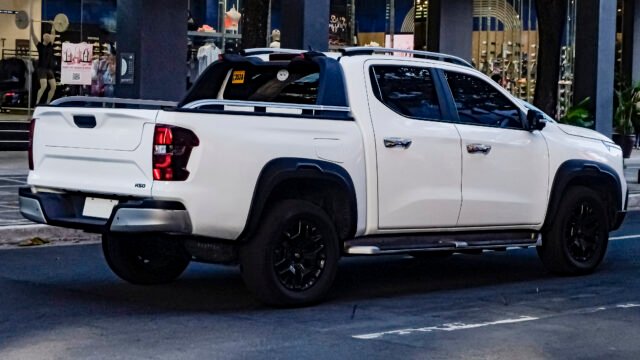
AI agents were supposed to book your next ride before you even thought to ask. Uber’s own numbers tell a very different story. On its third-quarter earnings call on Wednesday, the company disclosed that AI agents booked just four rides during Halloween week — its busiest week in October — out of roughly 320 million trips and orders across Uber and Uber Eats. Four. Not four thousand. Four.
The disclosure, first reported by TechCrunch, is the first time Uber has broken out how much of its business comes through third-party AI agents. It lands as the technology industry pours billions into “agentic AI” — assistants that do not just answer questions but complete tasks, make purchases and book services on a user’s behalf. The numbers suggest the revolution has not arrived yet — at least not in the ride-hailing business.
Four rides out of 320 million trips

Chief financial officer Balaji Krishnamurthy gave analysts the figures on the call. “For our rides business, it was a grand total of four trips that we fulfilled from agents,” he said. In the same week, about 500 Uber Eats orders were placed by an AI agent — still a tiny share of the roughly 320 million trips and orders Uber handled in that period. Put another way, AI agents accounted for roughly one in every 80 million rides, and about one in every 640,000 food orders.
Chief executive Dara Khosrowshahi did not dress the numbers up. “It is very, very early and very limited traction that we are seeing so far,” he told analysts, adding: “Listen, we hope that there will be more traction.” Uber did not say which AI assistants placed those orders, or how many agent attempts failed to complete a booking — so the figures describe completed transactions only, not every try.
Why so few? Booking takes 50 seconds
Khosrowshahi offered a simple explanation for the slow start: booking a ride in Uber’s app takes an average of 50 seconds, and re-ordering a favourite meal takes about 90 seconds. An AI agent has to beat that to be worth using — and for most people, it does not. The app is already fast; the assistant adds a step rather than removing one.
Uber is not alone. DoorDash said on its own earnings call last week that it has received only a few hundred orders from AI agents so far, with most customers still ordering through its app. The pattern is the same across the industry: the agents exist, the customers do not use them yet.
Uber still bets on AI agents
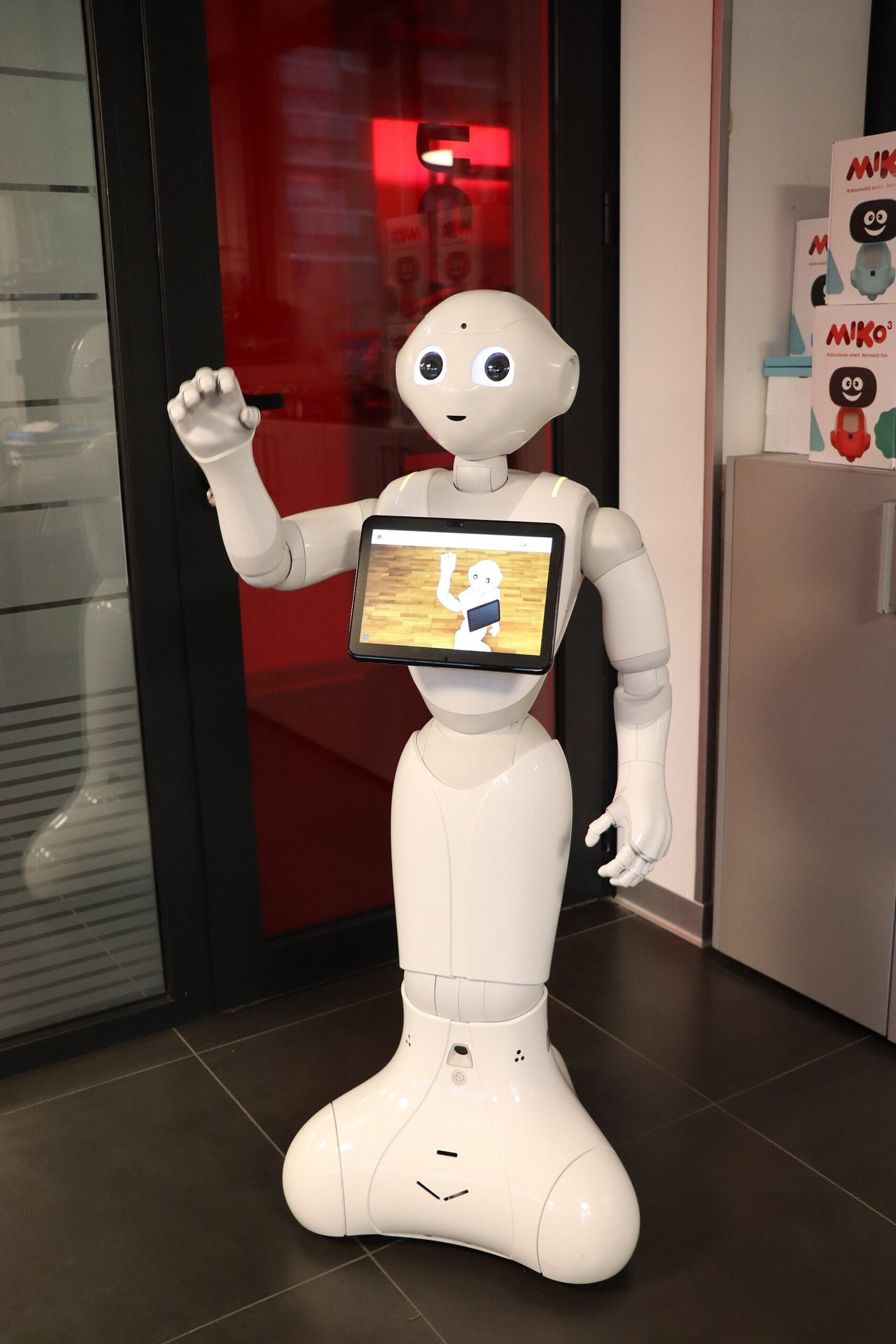
Despite the tiny numbers, Khosrowshahi sounded bullish about agents in general. “We think that is another opportunity to reach our platform. We think it will be a net positive in terms of demand on the ecosystem,” he said. He counted about eight major AI assistants on the market today and expects that number to grow beyond 10, adding: “Every single AI system company is talking to us.”
The optimism is understandable. The agentic AI race is one of the hottest areas in technology: startup Instinct raised its latest round at a $10 billion valuation, Meta’s Muse became the No. 1 app in Apple’s US App Store last month with more than 10 million users, and OpenAI, Anthropic, Google and xAI all now offer their own AI agents. The bet on agents has even reached the phone in your pocket — one new agentic smartphone puts an AI agent in place of the apps themselves. Uber’s own in-app Cart Assistant, which helps with grocery shopping, has seen encouraging early use, with customers building baskets roughly twice the size of an average grocery order.
The wider business, meanwhile, keeps growing. Uber recorded 4.1 billion trips in the third quarter, up 16 per cent year on year, and its Uber One membership has reached about 55 million members, who account for more than half of the company’s combined mobility and delivery bookings.
What it means for users in Pakistan

Uber disclosed no figures for Pakistan specifically, and the four-ride count is a global number from a single week — not a verdict on the technology. But the lesson travels. AI assistants are being sold as the next way to book a ride or order food, yet the global numbers show almost nobody uses them that way yet — not even in Uber’s busiest week of the year.
For anyone in Pakistan experimenting with an AI assistant to book a ride, the benchmark is a 50-second tap in the app. Until an agent can beat that — or do something the app cannot — it remains a novelty rather than a habit. The four-ride figure is a snapshot of one week, and Uber itself expects the numbers to grow as more assistants arrive. For now, though, the agentic web’s biggest reality check comes from the company that would benefit most from it.
Related Posts
 TechnologyBinance Reveals How the $6.3 Billion Hack Happened: A Fake Job Interview and a Poisoned Coding Test
 TechnologyXGIMI AURA 3 Smashes Kickstarter Record — $10 Million in 2 Hours for the 4K 120Hz Laser TV
 TechnologyJETOUR T1 i-DM Deliveries Begin in Pakistan This November: Price, Specs and Booking Details
 TechnologyAsus Zenbook 14 (2026) Launched in India With Intel, AMD and Snapdragon Chips, 33-Hour Battery Life and Prices From Rs 1,36,990
 TechnologyTeleAI Privacy Camera Detects Danger Without Recording a Single Frame of Video
 TechnologyAina AI Ring Unveiled: The Ring That Knows What You Need Before You Ask
Most Popular
 How-ToPTA Tax Calculator 2026: Check Mobile Tax on Any Phone417 views
 Pakistan NewsPIA Boeing 787 Lease Deal: What It Means for the Airline389 views
 Canada JobsTech Jobs in Canada: Roles, Salaries, and Skills Needed387 views
 SportsUEFA Champions League 2026-27: Format, Teams and Schedule384 views
 TechnologyPM Shehbaz Sets November Deadline for Alibaba AI and Digitalisation Projects in Pakistan364 views
 ShowbizWomen’s Fashion in Pakistan 2026: Trends, Brands and Style Guide360 views